
Key Takeaways for HOA Biometric Revocation
- Develop a comprehensive biometric policy that specifies data types, retention periods, consent requirements, and revocation procedures to support BIPA compliance.
- Secure informed consent with plain-language explanations, clear revocation timelines, and alternative access options for residents who opt out.
- Use immediate revocation procedures that include system deactivation, notifications, and data destruction within 30 days of resident move-out.
- Run regular audits, maintain audit trails, and use integrated vendor solutions for secure, automated biometric management.
- Protect your HOA with TenantEvaluation’s IDVerify+ for FCRA-compliant biometric verification and seamless revocation, get started today.
1. Build a Clear HOA Biometric Policy Residents Can Follow
A clear biometric policy gives your board a solid foundation for compliant access management. BIPA requires written notice of biometric collection purpose and duration, plus written release before collecting biometric identifiers. Your policy needs to spell out collection purposes, retention periods, and revocation procedures in straightforward language.
Key policy elements include:
- Specific biometric data types collected, such as facial recognition or fingerprints
- Clear retention timelines, often 30 days after revocation
- Resident consent requirements and simple opt-out procedures
- Data sharing limits and rules for third-party vendors
- Breach notification protocols with defined steps and timelines
TenantEvaluation’s IDVerify+ embeds FCRA-compliant consent workflows directly into the screening process. The platform captures proper authorization before any biometric collection starts.

2. Use Plain-Language Consent & Simple Opt-Out Options
Valid consent depends on clear explanations of biometric collection, use, and revocation rights. Organizations must obtain valid, informed, explicit consent for collecting biometric information due to its sensitivity. Residents should never feel surprised by how their data is used.
Essential consent components include:
- Plain-language explanation of what biometric data the HOA collects
- Specific use cases and access scenarios, such as gate or lobby entry
- Clear revocation procedures and timelines that residents can reference
- Alternative access methods for residents who choose to opt out
- Data retention and destruction schedules written in simple terms
Document every consent interaction with timestamps and digital signatures. IDVerify+ maintains detailed consent records within resident screening files, creating audit-ready documentation for future compliance reviews.
3. Create Immediate Biometric Revocation Steps for Move-Outs
Prompt access revocation protects your community from security breaches during resident transitions. Immediately revoke access upon role changes or termination, automating offboarding processes. Manual revocation often introduces delays that leave doors open to unauthorized entry.
Use this revocation checklist:
- Trigger immediate system deactivation when management receives move-out notice
- Send automated notifications to security staff and property management
- Update physical access points within 24 hours across all relevant doors and gates
- Verify synchronization with backup systems and any connected platforms
- Provide residents with confirmation when revocation is fully complete
TenantEvaluation’s cloud-based platform uses automated workflows and real-time notifications to streamline resident onboarding and offboarding. IDVerify+ delivers secure biometric identity verification inside the resident screening workflow with full FCRA compliance. Schedule a demo today to see these automated workflows in action.
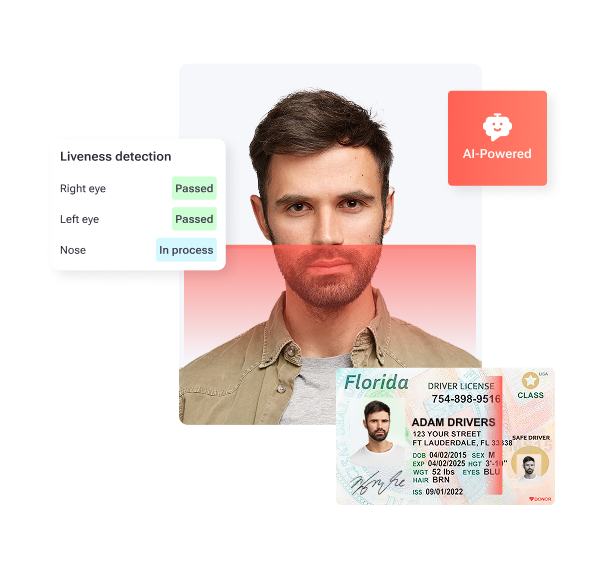
4. Follow Strict Biometric Data Destruction Standards
Secure data destruction reduces privacy risks and limits liability for your HOA. Institutions must obtain consent for indirect biometric collection and limit retention, recommending destruction of samples when no longer needed and deletion upon request. Your board should treat these standards as a baseline.
Core destruction requirements include:
- Complete deletion of biometric data within 30 days of revocation
- Secure overwriting of all biometric templates and related files
- Verification that backup systems no longer store biometric records
- Confirmation that third-party vendors removed all shared biometric data
- Formal documentation or certificates that confirm destruction steps
IDVerify+ supports these practices with PCI Level 1 compliance, end-to-end encryption, and automatic redaction of sensitive information in the screening workflow.
5. Explain Revocation and Alternatives Clearly to Residents
Clear communication about revocation builds trust and reduces confusion. Residents need to understand procedures, timelines, and any alternative access methods available during and after revocation. Strong communication also lowers the risk of disputes during move-outs.
Use this communication strategy:
- Send written revocation notices with specific dates and next steps
- Provide simple instructions for any alternative access methods
- Share contact information for questions about revocation or access
- Confirm when biometric data destruction is complete, when applicable
- Outline privacy rights and complaint procedures in plain language
TenantEvaluation’s platform offers real-time tracking, notifications, and 24/7 AI chat support in 11 languages. These tools help keep residents informed throughout the screening and access management process.
6. Use Integrated Vendor Tools for Easier Revocation
Integrated biometric systems make revocation faster while keeping security standards high. Cloud-based biometric systems are a 2026 trend with scalable user capacity for HOAs (1,000–50,000+ users), remote management at $50–$200 per door monthly, and AI integration for anti-spoofing and accuracy. These features help boards manage large communities with less manual work.
IDVerify+ delivers comprehensive biometric verification inside TenantEvaluation’s resident screening platform:
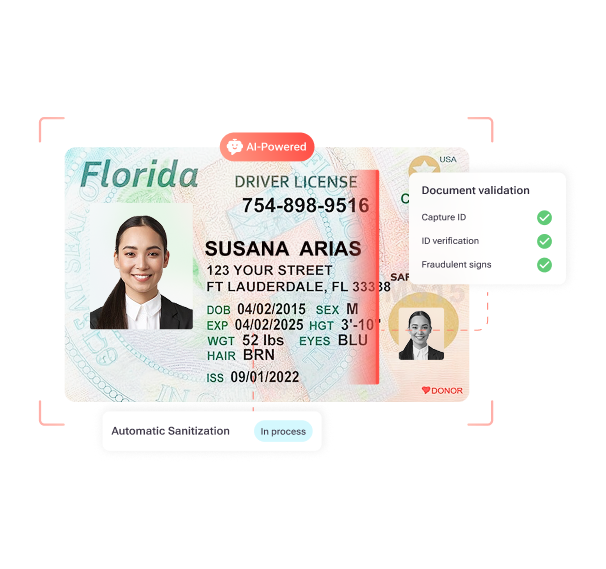
- Government ID validation with AI-powered authenticity checks
- Liveness detection that blocks photo and video spoofing attempts
- Facial biometric matching with 99.9% accuracy for identity confirmation
- Native integration that removes the need for third-party redirects
Unlike fragmented solutions from ApplyCheck or Verify Screening Solutions that rely on TazWorks’ generic platform, IDVerify+ offers HOA-specific functionality. The platform currently serves over 5,000 communities and processes more than 100,000 applications each year.
7. Run Regular Audits and Ongoing Biometric Monitoring
Consistent auditing keeps your HOA compliant and uncovers vulnerabilities before they become incidents. Conduct regular reviews (quarterly for critical systems) of user access rights to ensure appropriateness for current roles. Ongoing monitoring helps prevent unauthorized access and protects system integrity.
Build your audit framework around these steps:
- Quarterly access rights reviews for all residents and authorized users
- Monthly system log analysis with follow-up on unusual activity
- Annual policy updates and formal compliance assessments
- Verification of vendor security certifications and renewals
- Incident response testing with clear documentation of results
Conduct Data Protection Impact Assessment (DPIA) for biometric processing due to high risk. TenantEvaluation supports this work with comprehensive audit trails, automated compliance reporting, and real-time monitoring dashboards through QuickApprove for board oversight.
HOA Biometric Revocation FAQ
How should HOAs revoke biometric consent during resident move-outs?
HOAs should use immediate revocation procedures that include system deactivation within 24 hours, complete data destruction within 30 days, and written confirmation to residents. Automated systems reduce delays and keep revocation consistent across all access points.
What BIPA compliance steps are required for Florida HOAs using biometric access?
Florida HOAs need written consent before collecting biometric data, clear retention periods, defined revocation procedures, and secure data destruction practices. Regular audits and thorough documentation show ongoing commitment to compliance.
What happens if a resident refuses biometric revocation procedures?
Residents cannot block legitimate revocation during move-outs or lease terminations. HOAs should offer alternative access methods during transitions while maintaining security standards. Clear policies and legal guidance help boards handle resistance in a consistent way.
How does IDVerify+ ensure secure biometric data deletion?
IDVerify+ uses strict security protocols, including PCI Level 1 compliance, end-to-end encryption, and automatic redaction of sensitive information. These controls support compliant data handling throughout the screening workflow.
Can HOAs require biometric access as a condition of residency?
HOAs may require biometric access for security, while still offering reasonable alternative methods for residents who opt out. Clear policies, documented consent procedures, and practical accommodations help maintain legal compliance and community safety.
Protect Your Community with Compliant Biometric Management
Effective biometric revocation depends on automated systems, clear policies, and strong audit capabilities. Manual processes increase the risk of regulatory violations, security breaches, and operational slowdowns that can affect community safety.
TenantEvaluation’s integrated platform combines resident screening with advanced biometric verification through IDVerify+. The system delivers seamless revocation workflows, automated compliance checks, and audit-ready documentation. With more than 5,000 communities served and $150 million generated for associations, TenantEvaluation brings proven experience with HOA-specific requirements.
Schedule a demo today to roll out comprehensive biometric access management that protects your community and supports regulatory compliance.