Written by: Luis Teran, Co-founder, CEO, TenantEvaluation
Key Takeaways
- Community associations need HOA-specific tenant screening software with board approval workflows, biometric fraud prevention, and FCRA-reseller compliance to handle 2026 challenges like rising identity fraud and increased CFPB fees.
- TenantEvaluation ranks #1 overall and serves 5,000+ communities with end-to-end automation, IDVerify biometric verification, QuickApprove board dashboards, and direct TransUnion/Equifax access.
- Competitors such as AppFolio, Buildium, and RentSpree lack HOA-focused capabilities like dedicated board dashboards, revenue-sharing models, and advanced biometric screening.
- TenantEvaluation’s pay-per-application revenue model generates income for associations while delivering documented time savings of up to 70% and maintaining full FCRA compliance through automated adverse action workflows.
- Transform your HOA screening process with TenantEvaluation’s proven platform and see how these capabilities work in your community with a personalized demo.
HOA-Specific Screening Requirements Community Boards Need
Community associations choose tenant background screening and onboarding software based on HOA-specific needs that generic rental platforms cannot meet. Boards require end-to-end automation from application intake through final approval, an FCRA-compliant foundation with direct credit bureau reseller relationships, and specialized board dashboards that support transparent, trackable decisions.
Modern HOA screening software must incorporate IDVerify biometric verification to combat rising fraud threats that now bypass basic document checks. Automated adverse action workflows then keep associations compliant when applications are denied or conditions are applied. Florida-based communities also benefit from state-specific customization that aligns workflows with local regulations. This automation framework supports revenue-sharing models that remove upfront costs while the time savings, often reaching 70%, allow teams to scale without adding staff.

The following comparison shows how HOA requirements differ from what generic rental platforms usually provide:
| Feature | HOA Must-Have | Generic Platform Shortfall |
|---|---|---|
| Board Approval Workflow | Dedicated voting dashboard | Email-based manual process |
| FCRA Compliance | Built-in adverse action automation | Manual compliance tracking |
| Biometric Verification | Integrated fraud prevention | Document-only validation |
| Revenue Model | Pay-per-application sharing | Fixed monthly subscriptions |
With these HOA-specific requirements in mind, the following platforms represent the most viable options for community associations in 2026, ranked by how well they address the criteria above.
Top 9 Tenant Background Screening and Onboarding Software for Community Associations in 2026
1. TenantEvaluation – Best Overall for Community Associations
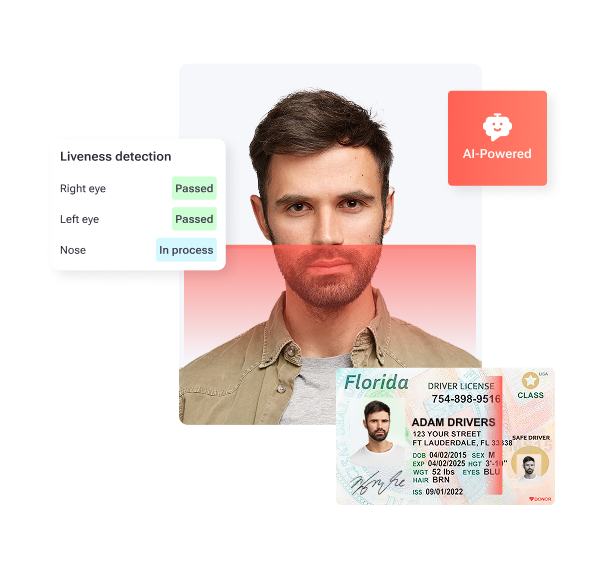
TenantEvaluation serves as a leading choice for community associations because it is built specifically for HOAs and condos with FCRA compliance at the core. The all-in-one platform manages applications from intake through final approval and uses IDVerify biometric verification to validate government IDs, run AI-powered liveness checks, and perform facial biometric matching that blocks fraud before it reaches the community.
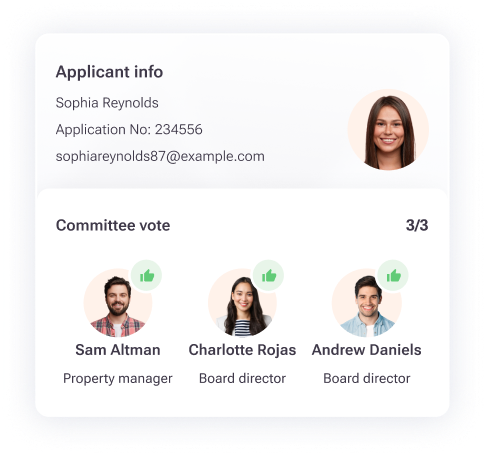
The platform’s QuickApprove dashboard gives board members real-time visibility into applications, concise summary reports, and streamlined voting tools, which generic platforms do not offer. This centralized decision hub depends on reliable data, which TenantEvaluation delivers through direct TransUnion and Equifax reseller relationships that ensure legitimate access under strict bureau rules. When boards deny or conditionally approve applicants based on this data, automated adverse action workflows trigger the required notices and documentation to maintain compliance.

Partnerships with RealManage, FirstService Residential, and Castle Group demonstrate TenantEvaluation’s traction in the community association space. The platform has generated $150M for communities while saving one Florida management company $240K annually through 50 hours of daily time savings, representing the 70% efficiency gain mentioned earlier. The revenue-sharing model removes upfront costs, and TenantEvaluation maintains a 4.8/5 Google rating across more than 5,000 communities.
Pros: HOA-specialized design, comprehensive biometric fraud prevention, board-specific dashboard, FCRA-reseller compliance, revenue generation model, up to 70% time savings
Cons: Florida-focused customization may require adjustments for associations in other states
2. AppFolio – Property Management Suite With Basic Screening
AppFolio offers broad property management software that includes tenant screening, but it does not provide HOA-specific board workflows or biometric verification. Associations can run basic background checks and process applications inside a larger management suite, which suits rental portfolios more than deed-restricted communities.
Pros: Established property management features, integration capabilities
Cons: No dedicated board dashboard, limited HOA customization, subscription-based pricing
3. Buildium – Rental-Focused Platform With Limited HOA Support
Buildium delivers property management tools with tenant screening features, yet its primary focus remains general rental properties instead of community associations. The platform does not include specialized board approval workflows or biometric fraud prevention, which leaves gaps for HOA boards that need structured voting and stronger identity checks.
Pros: User-friendly interface, comprehensive property management tools
Cons: Generic rental focus, no board-specific features, no robust compliance automation
4. RentSpree – Simple Rental Screening Without HOA Features
RentSpree provides application and screening services for rental properties, offering basic background checks and document collection. The system works well for individual landlords and agents but lacks HOA-specific customization and advanced fraud prevention that communities require.
Pros: Simple application process, mobile-friendly design
Cons: No community association features, no robust compliance tools, no comprehensive screening
5. Snappt – Strong Fraud Detection Without Board Workflows
Snappt specializes in fraud detection and income verification through document analysis and verification services. Its fraud tools are strong, yet the platform does not provide comprehensive HOA workflow management or structured board approval systems.
Pros: Advanced fraud detection, income verification focus
Cons: Focused on verification and fraud tools, no end-to-end workflow, no board dashboard
6. ApplyCheck – TazWorks-Based Screening With Manual HOA Processes
ApplyCheck uses the TazWorks platform for background screening, which was not designed primarily for tenant screening in community associations. The system lacks automated document review and applicant interaction features that HOAs rely on for efficient processing.
Pros: Background check capabilities, established screening network
Cons: TazWorks platform limitations, no HOA customization, manual processes
7. Verify Screening Solutions – White-Labeled TazWorks for Basic Checks
Verify Screening Solutions also relies on a white-labeled TazWorks platform, which limits applicant interaction and automated document processing. The service does not include the specialized HOA capabilities that community association managers expect.
Pros: Background screening services, industry experience
Cons: TazWorks platform constraints, no board workflows, limited automation
8. RealPage – Enterprise Property Management for Large Rentals
RealPage delivers broad property management solutions with integrated screening tools, focusing on large-scale rental operations. Community associations often find that RealPage lacks the specialized board approval tools and HOA customization they need.
Pros: Enterprise-scale capabilities, comprehensive property management
Cons: Multifamily rental focus, complex implementation, high costs
9. Vantaca – Community Management Platform With Basic Screening
Vantaca provides community association management software that includes some screening features but stops short of comprehensive biometric verification and specialized compliance tools. Associations gain general management capabilities but miss advanced screening safeguards.
Pros: Community association focus, management tools integration
Cons: Limited screening specialization, no biometric verification, basic compliance features
This feature comparison highlights the critical capabilities that separate HOA-specialized platforms from generic alternatives:
| Software | HOA Board Dashboard | Biometric ID Verify | FCRA Reseller | Revenue Share |
|---|---|---|---|---|
| TenantEvaluation | ✅ QuickApprove | ✅ IDVerify | ✅ TransUnion/Equifax | ✅ Pay-per-app |
| AppFolio | ❌ Generic tools | ❌ Credit/criminal checks | ❌ Third-party | ❌ Subscription |
| Buildium | ❌ Basic reporting | ❌ Manual review | ❌ Third-party | ❌ Monthly fees |
| Snappt | ❌ No board tools | ❌ Document focus | ❌ Verification only | ❌ Service fees |
The comparison reveals significant gaps in competitor offerings. Platforms like ApplyCheck and Verify Screening Solutions rely on TazWorks-based systems not designed for tenant screening, so they miss the applicant interaction and automated document processing essential for efficient HOA workflows. See how TenantEvaluation’s specialized approach fills these gaps in a live walkthrough tailored to your association’s needs.
Beyond general platform comparisons, three specific HOA challenges deserve closer attention: budget limits for small communities, emerging fraud threats, and complex regulatory compliance. The next sections explain how the leading solution addresses each pain point.
Deep Dives: Best for HOA Pain Points
Best for Small HOAs Needing Enterprise Features
TenantEvaluation’s pay-per-application model removes upfront costs and monthly subscriptions, which helps smaller communities control budgets. The revenue-sharing structure creates a new income stream for associations while still providing enterprise-level capabilities such as QuickApprove board dashboards and comprehensive compliance tools.
Biometric Screening for 2026 Fraud Threats
IDVerify addresses the critical fraud challenges facing communities in 2026 with a biometric-first approach. Gartner reports injection attacks surged 200% in 2023 with further increases predicted by 2026, while AI-driven identity verification now detects deepfake-based attacks and video injection. TenantEvaluation’s biometric solution validates government IDs, performs liveness detection, and conducts facial matching to stop synthetic identities and impersonation attempts.
FCRA Compliance for Condo and HOA Boards
TenantEvaluation’s FCRA-reseller status with TransUnion and Equifax ensures legitimate data access under strict bureau rules. FCRA requires written consent before ordering consumer reports and mandates adverse action notices including CRA contact information. The platform automates these requirements with built-in audit trails and adverse action workflows, which helps protect associations from compliance-related liability.
Conclusion: Selecting the Right Screening Partner for Your HOA
TenantEvaluation emerges as a leading option for community associations that need comprehensive tenant background screening and onboarding software in 2026. Specialized HOA features, biometric fraud prevention, FCRA-compliant infrastructure, and proven ROI through revenue generation and time savings align closely with the challenges community association managers face today. Request a personalized demonstration to see how these capabilities transform your screening workflow and strengthen community protection.
FAQ
What is the best tenant screening for HOAs?
The best tenant screening for HOAs combines comprehensive background checks, biometric identity verification, automated compliance workflows, and specialized board approval dashboards. TenantEvaluation delivers all these capabilities in a single platform designed for community associations, supported by FCRA-reseller status, direct credit bureau relationships, and proven performance across more than 5,000 communities.
How does TenantEvaluation ensure FCRA compliance?
TenantEvaluation maintains FCRA compliance through direct TransUnion and Equifax reseller relationships, automated adverse action workflows, built-in audit trails, and strict permissible purpose controls. The platform separates decision-making authority, which remains with the association, from data provision, which TenantEvaluation manages, and it automates required notifications and documentation.
What makes IDVerify+ different from traditional background checks?
IDVerify+ adds a biometric identity verification layer that validates government IDs, runs AI-powered liveness detection, and performs facial biometric matching before screening authorization. This extra step blocks synthetic identities, impersonation attempts, and document fraud that traditional background checks often miss, which strengthens fraud prevention for community association risk environments.
Can small HOAs afford comprehensive screening software?
Small HOAs can afford comprehensive screening software through TenantEvaluation’s pay-per-application revenue-sharing model, which removes upfront costs and monthly subscriptions. Communities of any size can access biometric verification, board dashboards, and compliance automation while generating revenue from the application process instead of paying fixed fees.
How much time can automated screening software save?
TenantEvaluation clients report time savings of up to 70% through automation. One Florida management company saves 50 hours daily and achieves $240K in annual savings. The platform removes manual document review, automates compliance workflows, and streamlines board approvals so teams scale without extra headcount and reduce processing times from days to hours.
