Written by: Luis Teran, Co-founder, CEO, TenantEvaluation
Key Takeaways for HOA Fraud Prevention
- Rental fraud reached crisis levels in 2026, with 85% of landlords affected by synthetic identities and falsified documents, so HOAs need advanced detection.
- TenantEvaluation ranks #1 with IDVerify+ biometric verification and the QuickApprove board dashboard, plus FCRA compliance and revenue-sharing.
- Competitors such as Snappt and AppFolio lack HOA-specific features like board integration and full biometric support.
- Effective prevention uses biometric ID checks, customized screening rules, and board review dashboards to stop fake identities and income fraud.
- HOA boards can protect communities and save up to 50 hours weekly with TenantEvaluation’s automated screening platform.
Top 7 Fraud Detection Tools for HOA Rentals in 2026
#1 TenantEvaluation
TenantEvaluation leads fraud detection for HOA rentals through its specialized IDVerify+ biometric verification system and QuickApprove board dashboard. The platform serves community associations specifically and processes 100k+ applications annually across 5,000+ communities. Pros: Strong fraud prevention, FCRA reseller status, revenue-sharing model, and Florida-specific workflows. Cons: No major drawbacks for HOA-focused operations.

#2 Snappt
Snappt focuses on AI-powered paystub fraud detection, which helps with income verification fraud. HOA fit: Useful for spotting document manipulation. Pros: Advanced inception fraud detection capabilities. Cons: Limited biometric verification and no board-specific dashboards that community associations often require.
#3 ApplyCheck
ApplyCheck offers basic background screening services using the TazWorks platform. HOA fit: Works for fundamental screening needs. Pros: Cost-effective for simple checks. Cons: No HOA-specific integration, no biometric verification, and no automated document review.
#4 Verify Screening Solutions
Verify Screening Solutions provides background checks through white-labeled TazWorks technology. HOA fit: Delivers generic screening capabilities. Pros: Covers eviction history and criminal records. Cons: Relies on manual document processes and lacks AI-powered fraud detection or board integration.
#5 AppFolio
AppFolio includes property management software with integrated screening features. HOA fit: Works well for larger management companies that want a broad platform. Pros: All-in-one property management solution. Cons: Weak biometric capabilities and limited FCRA compliance features.
#6 RentSpree
RentSpree centers on tenant screening and application processing for rental properties. HOA fit: Applies mainly to rental-only scenarios. Pros: Fast application processing. Cons: No board dashboard functionality and no biometric verification tailored to community associations.
#7 Buildium
Buildium offers property management software with basic screening capabilities. HOA fit: Minimal focus on fraud detection. Pros: Comprehensive reporting features. Cons: No specialized fraud detection tools or biometric verification.
The following comparison highlights how TenantEvaluation’s biometric support and board dashboard capabilities stand out from competitors that lack these HOA-specific features:
| Tool | Biometric Support | HOA Board Dashboard | Time Savings/Compliance | Pricing Model |
|---|---|---|---|---|
| TenantEvaluation | Yes (IDVerify+) | Yes (QuickApprove) | 50 hrs/wk, FCRA reseller | Revenue-sharing |
| Snappt | No | No | Moderate, partial | Subscription |
| ApplyCheck | No | No | Low | Per-report |
| Verify Screening | No | No | Low | Per-report |
| AppFolio | Partial | Partial | Moderate | Monthly |
| RentSpree | No | No | Moderate | Per-report |
| Buildium | No | No | Moderate | Monthly |
While the comparison above shows clear feature gaps across competitors, a closer look at TenantEvaluation explains how these capabilities work together for HOA communities.
Why TenantEvaluation Leads HOA Fraud Detection
TenantEvaluation stands apart from competitors through its focus on community associations and its comprehensive fraud prevention approach. The platform’s IDVerify+ biometric system combines government ID validation, AI-powered liveness detection, and facial biometric matching. This combination blocks synthetic identity fraud and impersonation attempts that traditional document-based screening often misses.
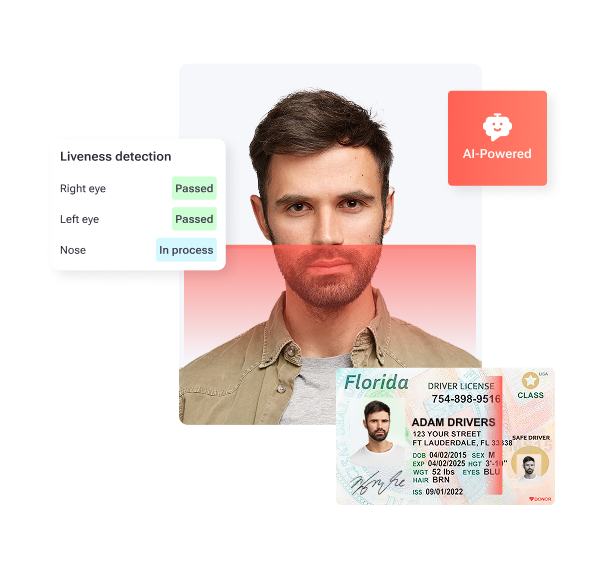
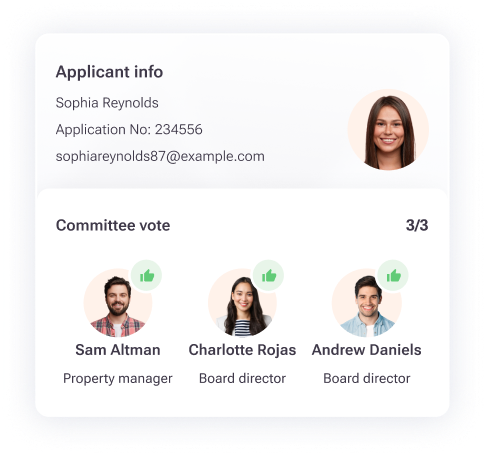
TenantEvaluation also addresses the complete HOA workflow challenge instead of only document fraud. The QuickApprove dashboard gives board members real-time application visibility, voting capabilities, and audit trails that competitors do not provide. These features support efficient processing at scale and help communities operate at the volume mentioned earlier while generating $150M for associations through the revenue-sharing model.
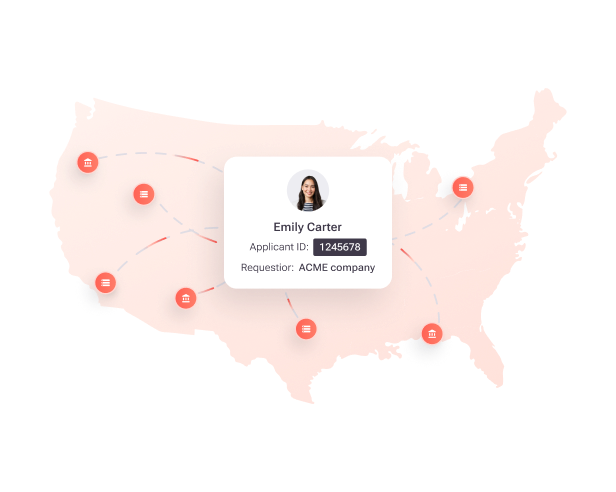
TenantEvaluation’s FCRA reseller status with TransUnion and Equifax provides direct credit bureau access instead of third-party data scraping, which strengthens compliance protection. The revenue-sharing model removes upfront costs and creates income for associations, unlike subscription-based pricing from many competitors. Customer success stories show up to 70% faster approvals, significant time savings for management teams, and $240,000 in annual savings for Florida management companies.
Recent biometric technology advances, including Jumio’s selfie.DONE platform launched in October 2025, show a shift toward reusable digital identity verification. TenantEvaluation’s native biometric integration keeps applicants inside a single ecosystem instead of redirecting them to external portals, which maintains trust and reduces friction. See how the platform strengthens fraud prevention with zero upfront investment.
HOA Fraud Types and a Three-Step Prevention Plan
Community associations face three primary fraud categories in 2026: fake identity documents, synthetic identities, and forged income verification. TransUnion reports synthetic identity fraud as the fastest-growing type, and it accounts for a large share of digital rental scams that target HOA properties.
Effective fraud prevention uses a three-step approach that builds from identity to review. First, boards implement biometric identity verification to confirm physical presence and validate authentic government IDs, which creates a strong identity baseline. Second, teams customize screening rules based on community-specific risk profiles and demographic requirements, applying verified identity data to criteria that matter locally. Third, boards use review dashboards with voting capabilities and audit trails, which add human oversight to automated checks and maintain compliance documentation. This systematic approach turns reactive fraud detection into proactive prevention and protects community assets while keeping approval workflows efficient.
FCRA Compliance Requirements for HOA Screening
HOA boards that use third-party fraud detection tools must follow complex FCRA requirements that create serious liability when ignored. FCRA regulations require HOA boards to obtain consumer reports only for permissible purposes and to provide proper adverse action notices when they deny applications based on screening results.
TenantEvaluation helps boards manage these rules through direct TransUnion and Equifax reseller relationships, automated adverse action workflows, and built-in audit trails. The platform enforces strict permissible purpose controls and keeps a clear separation between decision-making responsibilities and data provision. This structure protects associations from common FCRA mistakes that often result in legal liability and statutory damages.
Frequently Asked Questions
What is HOA fraud in rental applications?
HOA fraud covers deceptive practices that applicants use to gain rental approval in community associations. These practices include fake identity documents, synthetic identities created with stolen personal information, forged pay stubs and employment verification, and impersonation attempts using another person’s credentials. These fraudulent activities have increased dramatically, as noted earlier, and they create financial losses and security risks for HOA communities.
What does a fraud alert mean on an HOA rental application?
A fraud alert on an HOA rental application signals that the screening system has found anomalies or inconsistencies that suggest possible fraud. Common triggers include mismatched information between documents and databases, suspicious document formatting or metadata, biometric verification failures where selfies do not match government IDs, income verification discrepancies, and identity validation issues with government databases. These alerts call for manual review and extra verification before any approval decision.
What is the best biometric tool for HOA rentals?
TenantEvaluation’s IDVerify+ offers a comprehensive biometric solution designed for HOA rental screening. The system combines government-issued ID validation, AI-powered liveness detection to stop photo spoofing, facial landmark recognition technology, and biometric selfie-to-ID comparison in a single workflow. Unlike generic biometric tools, IDVerify+ integrates with HOA screening processes, supports board-level reporting, and maintains FCRA compliance while improving fraud prevention.
How can HOA boards detect fake pay stubs in rental screening?
HOA boards detect fake pay stubs most effectively by pairing AI-powered document analysis with direct employer verification. Advanced systems review document metadata, formatting inconsistencies, mathematical errors, and suspicious employer details against trusted databases. The most reliable process includes contacting employers directly for income verification, cross-referencing bank statements with reported income, and using biometric identity verification to confirm the applicant’s identity before reviewing financial documents.
What are income verification best practices for HOA screening?
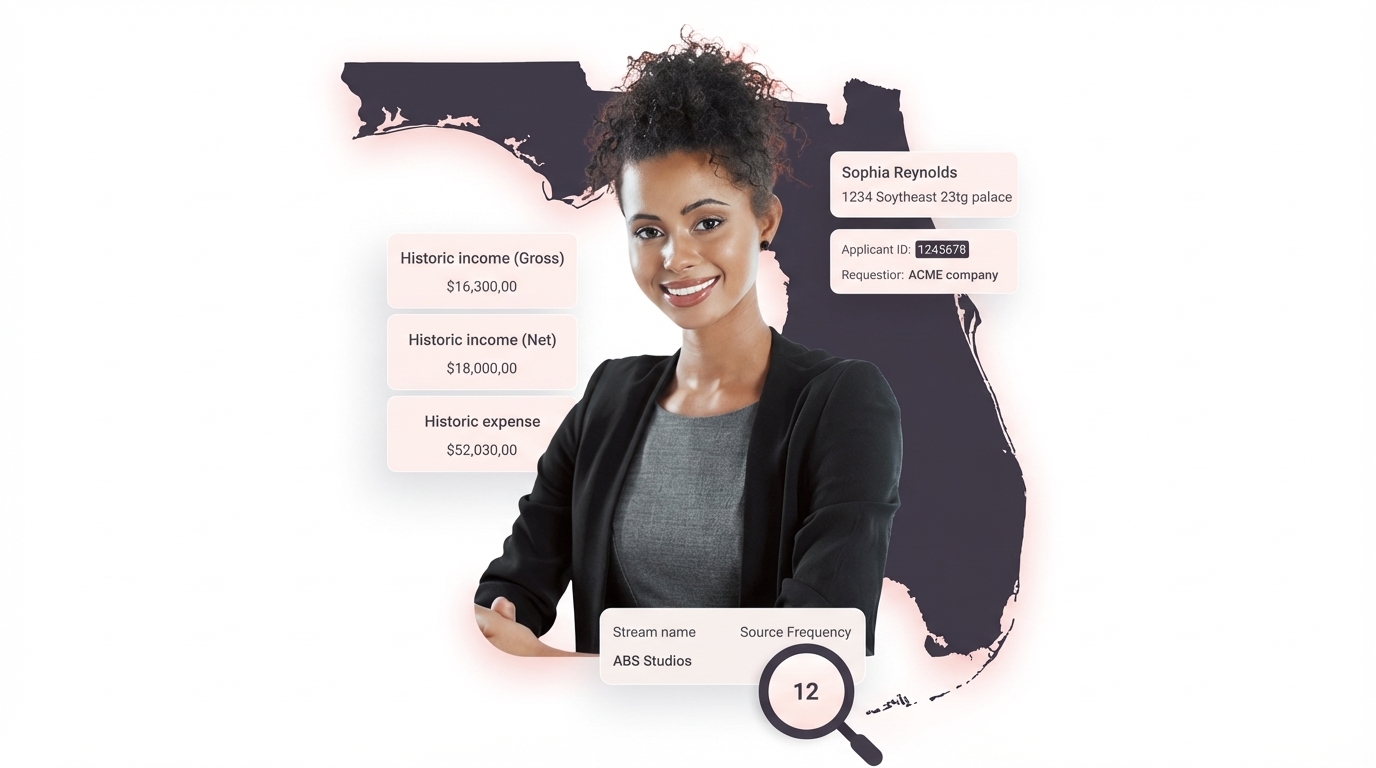
Income verification best practices for HOAs start with biometric identity confirmation before any financial review. Boards then require multiple forms of income documentation, such as pay stubs, bank statements, and tax returns, and they conduct direct employer verification through phone calls or secure online portals. AI-powered document analysis helps detect alterations or forgeries, while detailed audit trails support compliance. The most effective systems combine these methods in automated workflows that reduce manual review time and increase accuracy and fraud detection rates.
Conclusion: Strengthening HOA Screening and Revenue
TenantEvaluation stands out as the leading fraud detection solution for HOA rentals in 2026, with biometric verification, board integration, and FCRA compliance tailored to community associations. With proven results that include the time savings detailed earlier and strong revenue generation capabilities, TenantEvaluation turns HOA screening from a cost center into a profit generator. Start protecting your community against the rising tide of rental fraud while streamlining your approval processes.
