Written by: Luis Teran, Co-founder, CEO, TenantEvaluation | Last updated: August 13, 2026
How to Evaluate Screening Services in 2026
- Florida condo and HOA boards need screening tools that handle three layers: legal compliance, fraud prevention, and day-to-day operations.
- FCRA-first compliance, direct credit-bureau reseller relationships, and automated adverse-action workflows protect associations from liability.
- Board-ready tools like QuickApprove, biometric IDVerify+ fraud prevention, and 55+ Communities Verification solve association-specific governance gaps that generic landlord tools ignore.
- Lease Tracking and TEpayments by Zinc connect application, onboarding, and payment workflows into one centralized, audit-ready system that replaces fragmented spreadsheets and email chains.
- Learn how TenantEvaluation delivers all seven capabilities in a single association-first platform and explore the complete solution here.
Why Generic Landlord Tools Fall Short for Florida Associations
Most screening platforms are built for individual landlords, not for board-governed communities. Individual landlords control criteria, make decisions alone, and do not manage association bylaws or board votes. Association tenant-screening workflows are document-heavy and board-driven, and they require explicit authority in recorded governing documents. Generic tools rarely support that structure.
They typically lack board voting dashboards, Florida-specific fee-cap enforcement, 55+ documentation workflows, biometric fraud prevention, centralized lease tracking, and connected payment collection. Platforms like ApplyCheck and Verify Screening Solutions rely on white-labeled infrastructure that was not designed for applicant interaction or association governance. Broader property management systems such as AppFolio and RealPage offer general features but not the association-first design Florida CAMs and boards now need.
TenantEvaluation focuses on community associations and management companies. The platform starts with FCRA compliance, then layers identity protection and operational workflows on top. Across 5,000+ communities and about 100,000 applications per year, this association-first design has generated $150M in revenue by turning application processing into a compliant, controlled income stream. Faster approvals, up to 70% time reduction, and automated workflows that free as much as 50 staff hours per day all connect back to that design.
1. FCRA-First Compliance as the Legal Foundation
Every time a Florida condominium or HOA board pulls a credit report or background check, it enters Fair Credit Reporting Act territory. That step triggers notice and adverse-action duties that many generic platforms do not handle for association workflows. Florida condominium associations may also charge a tenant application fee capped at $100 under §718.112(2)(i) when the declaration explicitly authorizes such a fee. A generic landlord tool will not enforce those limits automatically.
TenantEvaluation is a legitimate reseller of TransUnion and Equifax data. The platform accesses bureau data under strict bureau rules, with regular compliance reviews and no gray-market or offshore data sources. Permissible-purpose controls, automated adverse-action workflows, and built-in audit trails for every application sit inside the workflow from day one. Associations keep a clear separation between decision-making and data provision, which strengthens FCRA defensibility.
- Confirm that your declaration or bylaws expressly authorize tenant screening and fee collection before you activate any screening workflow.
- Choose a platform that automates adverse-action notices instead of relying on manual follow-up.
- Require a direct credit-bureau reseller relationship, not third-party data aggregation, to reduce liability exposure.
- Verify that audit trails are timestamped and exportable to support HB 1021 record-keeping obligations.
2. QuickApprove for Board-Ready Decisions
FCRA compliance creates the legal base layer, but Florida boards also face new operational pressure. HB 1021 requires at least quarterly condo board meetings and demands that documents for contract or approval items appear with the agenda at least 48 continuous hours in advance. That rule turns real-time dashboards and organized records into compliance tools, not just conveniences. Automated screening workflows also move applications far faster than manual processes, which matters during peak seasons.
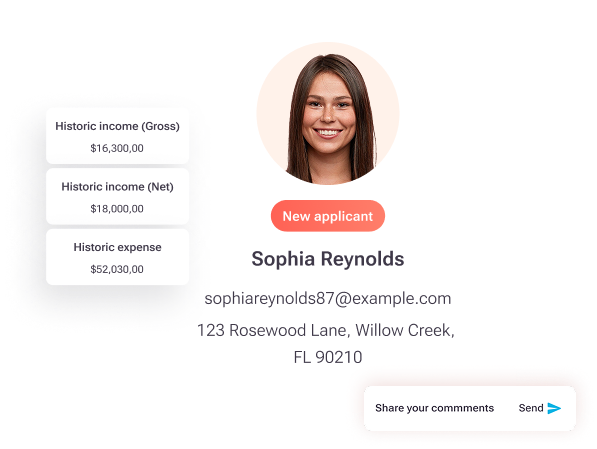
QuickApprove is TenantEvaluation’s accelerated approval workflow for CAMs, boards, and property managers inside one connected platform. It starts with real-time application tracking so every stakeholder sees status at a glance. That visibility feeds a board voting dashboard with AI-generated summaries, which gives board members the context they need to decide quickly. After approval, automated communication, customized letters, and a tailored welcome package replace manual drafting and scattered emails.
- Replace email chains and spreadsheets with a single approval workflow that board members can access directly.
- Set up automated notifications so managers and boards receive alerts when applications need attention.
- Use the board voting panel to document decisions with timestamps that support HB 1021 record-keeping.
- Turn on customized approval letters and welcome packages to reduce post-decision manual work.
3. Biometric IDVerify+ to Stop Fraud Early
Ninety-three percent of multifamily owners and managers report rental application fraud, and one in four eviction filings traces back to a fraudulent application. The NMHC Pulse Survey (Nov 2023–Jan 2024) found that among respondents who experienced fraud, 84.3% reported falsified pay stubs or income documentation, and 70% encountered identity theft or fraudulent ID documents. Manual document review alone cannot reliably catch AI-generated IDs or synthetic identities.
Strong fraud prevention at the application stage uses biometric matching, live selfie-to-ID comparison, and SSN verification inside one workflow. IDVerify+ delivers that layer natively within TenantEvaluation. It combines government ID validation, AI-powered liveness detection, and biometric selfie-to-ID facial matching in a single flow, without external portals. The screening report then shows ID authenticity, liveness status, and biometric match results together, so boards can weigh identity confidence alongside credit and background data. By confirming identity before screening authorization, IDVerify+ also reinforces permissible-purpose controls.

- Enable IDVerify+ per community or portfolio based on each association’s risk profile.
- Make biometric verification a required step before any application reaches board review.
- Review liveness and biometric match results together with credit and background data in one report.
- Store redacted ID copies in the platform to support compliance documentation.
See how IDVerify+ stops fraud before residents enter your community — schedule your demo.
4. Standardizing 55+ Community Documentation
Biometric tools confirm who the applicant is. Age-restricted communities must also confirm whether that person qualifies under 55+ rules. Florida’s age-restricted communities carry documentation requirements that generic tools rarely support. When CAMs manage these requirements through emails and PDFs, documentation becomes inconsistent, risk grows during audits or disputes, and administrative work piles up. The Fair Housing Act applies equally to HOA and condo board tenant approval decisions, so consistent documentation is more than a convenience.
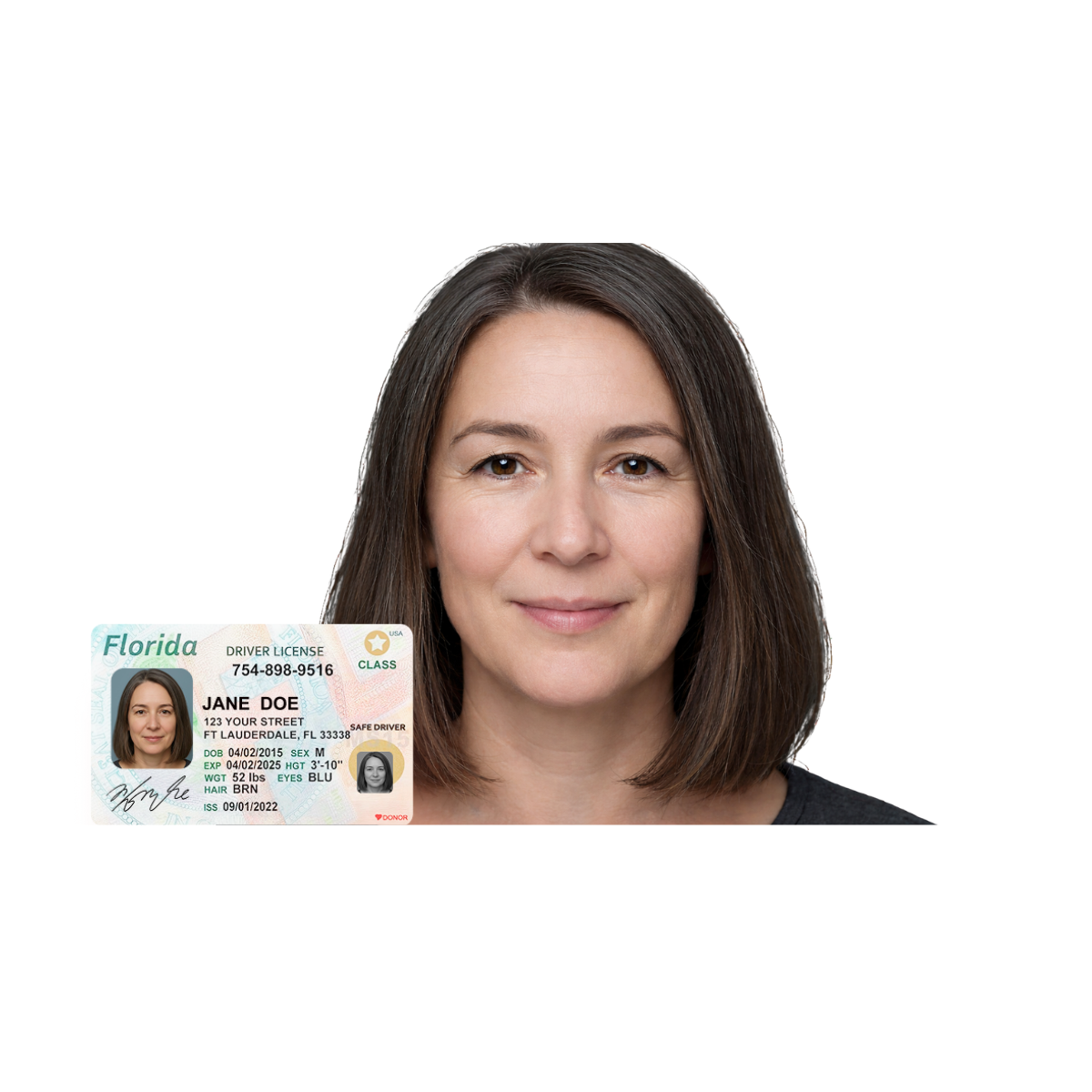
55+ Communities Verification sits inside TenantEvaluation and standardizes how age-restricted requirements are handled. The workflow reduces manual back-and-forth, keeps documentation formats consistent, and improves operational efficiency while leaving legal interpretation to counsel. Unlike generic tools, this capability reflects the real steps Florida associations follow when they manage age-restricted communities at scale.
- Activate 55+ Communities Verification per community to align handling across all age-restricted units.
- Use the structured workflow to cut down on email follow-ups and keep documentation consistent.
- Maintain organized digital records for each application to support internal control and audit readiness.
- Work with legal counsel to confirm that documentation practices match federal and state requirements.
5. Lease Tracking for Full Lifecycle Visibility
Identity and eligibility checks only matter when they connect to accurate lease records. Many Florida associations still manage leases through disconnected files and spreadsheets. Missing or outdated lease copies, manual expiration tracking, and no link between applications and active leases create blind spots and compliance risk. Starting January 1, 2026, Florida condos with 25 or more units must provide certain official records on a password-protected website or app, which raises expectations for organized digital records.
Lease Tracking inside TenantEvaluation connects onboarding, unit data, approvals, and lease documents in one workflow. The platform maintains centralized lease records and real-time status for each unit, including active, pending, expired, or missing leases. Automated document collection during onboarding replaces after-the-fact chasing. Unit-level tracking and a searchable digital history give boards and managers a clear view from application through occupancy.
- Attach lease document collection to the application workflow so leases arrive during onboarding.
- Use real-time dashboards to confirm occupancy and flag expired or missing leases early.
- Retire manual expiration spreadsheets and rely on unit-level digital records inside TenantEvaluation.
- Export searchable lease histories to support board review and Florida record-keeping requirements.
6. TEpayments by Zinc for Connected Payments
Payment workflows that sit outside onboarding create confusion and extra work. Managers chase confirmations by email and phone, track fees and deposits in separate spreadsheets, and answer repeated questions from applicants about what to pay and when. Boards then operate with limited visibility into payment status. Florida’s $100 application fee cap under §718.112(2)(i) and HOA fee structures, which must appear in governing documents, make configurable and association-specific payment workflows essential.
TEpayments by Zinc is a connected payment workflow inside TenantEvaluation. Associations and management companies collect application fees, deposits, and other required payments within the same process they already use for screening and approvals. Each association defines which payments apply and at which stage. Funds move directly from the applicant to the association’s designated account, while TenantEvaluation organizes the steps but never holds the money. Payment confirmation becomes part of onboarding instead of a separate chase.
- Configure TEpayments by Zinc to match each association’s fee structure and collection order.
- Embed fee and deposit collection inside the application workflow so payment is confirmed before review.
- Use traceable payment records to give boards clear insight into where funds go.
- Centralize payment visibility in TenantEvaluation and retire manual tracking spreadsheets.
Stop chasing payments and see how TEpayments connects to your onboarding workflow — request a walkthrough.
Frequently Asked Questions
What FCRA obligations apply when a Florida condo or HOA board screens a rental applicant?
When a Florida condominium or HOA association pulls a credit report or background check as part of tenant screening, it operates under the Fair Credit Reporting Act. That status creates duties such as providing required notices, following adverse-action procedures when a denial relies on consumer report data, and maintaining permissible-purpose controls over data access and use. TenantEvaluation supports these duties with automated adverse-action workflows, built-in audit trails, and its role as a direct reseller of TransUnion and Equifax data under strict bureau rules. Associations should still consult legal counsel to confirm their specific obligations under federal and state law.
How does a board voting dashboard improve the approval process for Florida condominiums?
A board voting dashboard centralizes review and decisions that would otherwise happen across email, paper, and in-person meetings. For Florida condominiums operating under HB 1021’s quarterly meeting and document-attachment requirements, a dashboard that gives board members real-time access to application summaries, supporting documents, and a structured voting flow reduces manual coordination. TenantEvaluation’s QuickApprove includes a dedicated review and voting panel with AI-generated summaries, timestamped decisions, and automated communication support so boards move faster without losing oversight or compliance controls.
What documentation is required for 55+ community applications in Florida, and how can associations standardize the process?
Florida age-restricted communities operating under federal housing law must maintain qualifying occupancy records and documentation to support their 55+ status. In practice, that means collecting and retaining consistent documentation across every application, which becomes difficult at scale when handled through manual emails and PDFs. TenantEvaluation’s 55+ Communities Verification capability standardizes how age-restricted requirements are handled, reduces manual work, and strengthens internal control. It improves workflow and documentation consistency but does not replace legal advice. Associations should work with qualified counsel to confirm that their practices satisfy all applicable requirements.
How does biometric identity verification reduce fraud risk in condo and HOA applicant screening?
Traditional screening that relies on uploaded documents cannot reliably detect AI-generated IDs, synthetic identities, or impersonation attempts. Biometric identity verification adds a layer that confirms the applicant is a real, present person who matches the submitted government ID. TenantEvaluation’s IDVerify+ combines government ID validation, AI-powered liveness detection, and biometric selfie-to-ID facial matching inside the platform without external redirects. This multi-layer approach strengthens approval confidence before a resident enters the community and can be configured per community or portfolio.
Can TenantEvaluation handle both screening and payment collection for a Florida condo association?
Yes. TenantEvaluation’s TEpayments by Zinc is a connected payment workflow integrated directly into the resident onboarding process. Associations and management companies collect application fees, deposits, and other required payments within the same workflow used for screening and approvals. Each association configures what is collected and at which stage. Payments move directly from the applicant to the association’s designated account while TenantEvaluation manages the process but never holds funds. This approach removes manual tracking, email follow-ups, and disconnected spreadsheets. You can learn more about the payment workflow on the TEpayments by Zinc page.
Conclusion
Choosing a condo applicant screening service in Florida in 2026 means checking for seven connected capabilities. You need FCRA-first compliance built on direct credit-bureau reseller relationships, a board-ready QuickApprove workflow that replaces email chains, and biometric IDVerify+ that moves you from document review to confirmed physical identity. You also need 55+ Communities Verification to standardize age-restricted documentation, Lease Tracking for centralized lease visibility, TEpayments by Zinc for connected fee and deposit collection, and an association-first design that generic landlord tools cannot match.
TenantEvaluation brings these layers together for community associations and management companies, with FCRA compliance as the base. In 2026, that combination turns screening from a single tool into operational infrastructure that fits how Florida associations actually work.
See the complete association-first platform in action — book your personalized demo.
