
Key Takeaways
- Rental application fraud has surged 40% in recent years, with 93% of housing providers affected and 70% involving identity misuse, so biometric screening has become essential for Florida HOAs.
- TenantEvaluation’s IDVerify+ uses native AI liveness detection, facial matching, and ID validation, processing screenings in 5-10 minutes with HOA-specific dashboards and revenue-sharing.
- Competitors like Snappt excel in document fraud detection, while Findigs and others provide facial matching but lack HOA customization, board access, and fast, HOA-focused processing.
- Biometrics combat 2026 synthetic identity fraud through liveness detection and multi-modal verification, supporting FCRA compliance and reducing evictions by up to 30%.
- HOA managers can save up to $240K annually with TenantEvaluation; get started with Tenant Evaluation today for fraud-resistant screening.
1. TenantEvaluation: Biometric Screening Built for Florida HOAs with IDVerify+
TenantEvaluation delivers biometric background check software built specifically for Florida community associations and management companies. The platform’s native IDVerify+ solution keeps applicants inside the workflow while it runs AI-powered liveness detection, facial landmark recognition, and government ID validation without external redirects.
The biometric verification process uses several fraud prevention layers. It authenticates government-issued IDs, confirms liveness with AI, and compares the selfie to the ID photo using biometric matching. This multi-step approach addresses sophisticated synthetic identity fraud that targets HOA communities and moves screening from document review to verified physical identity confirmation.
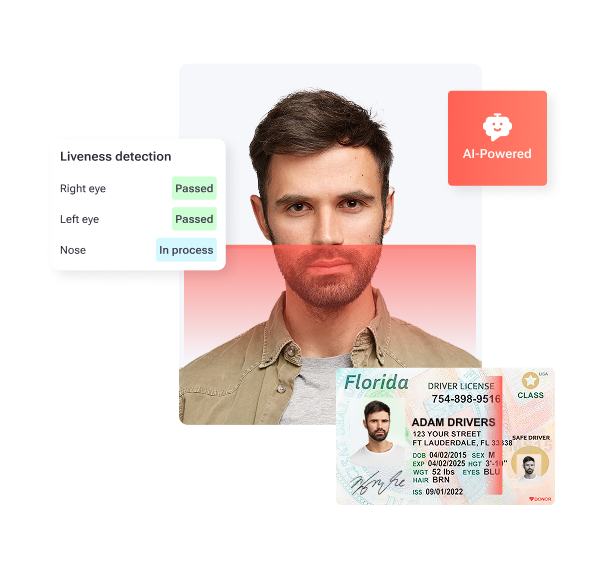
TenantEvaluation’s QuickApprove dashboard gives Boards of Directors real-time visibility into applications, biometric verification results, and approval workflows. The platform processes more than 100,000 applications each year across over 5,000 communities and has generated $150 million in revenue for associations while maintaining a 4.8 out of 5 Google rating.

Key advantages include FCRA-first compliance design, direct TransUnion and Equifax reseller relationships, and a revenue-sharing model that removes upfront costs. Automation delivers up to 70% time savings for managers. One Florida-based management company reported $240,000 in annual savings after switching to TenantEvaluation and reclaimed 50 staff hours each day for higher-value work.
Pros: Native biometric integration, HOA-specific customization, board dashboard access, revenue generation, PCI Level 1 security. Cons: Tailored to community associations rather than generic multifamily portfolios.
Schedule a demo today to see TenantEvaluation’s biometric screening platform in action.
2. Snappt: AI Document Fraud Detection for Income and ID Files
Snappt focuses on AI-powered document fraud detection with 99.8% accuracy in analyzing metadata within financial documents. The platform runs more than 30 ID verification checks and includes basic biometric identity verification alongside real-time income verification from payroll systems.
The software delivers fraud detection results in about 10 minutes using OCR and machine learning models tuned for document manipulation. Snappt reports a 51% reduction in potential bad debt and evictions while cutting screening time from 4-10 hours to minutes.
Pros: Fast document analysis, strong fraud detection accuracy, integrations with major property management systems. Cons: Limited biometric depth compared to dedicated biometric platforms, subscription pricing, and no HOA-specific board dashboards.
3. Findigs: Identity Checks with Biometric and Document Analysis
Findigs operates as an AI-driven tenant screening platform that targets sophisticated rental fraud, including synthetic identities and AI-generated documents. The platform combines biometric ID verification, income verification, and multi-source data analysis to give property managers a fuller view of each applicant.
The automated workflow helps reduce bad debt by about 50% for large property management clients. Findigs uses facial matching technology and advanced fraud detection algorithms to spot deepfakes and synthetic media attacks that can bypass basic checks.
Pros: Advanced AI fraud detection, biometric facial matching, and automated workflow integration. Cons: Longer processing times, external portal redirects, and no community association-specific features or board access tools.
4. Leasey.AI: Fast Tenant Screening with Integrated Biometrics
Leasey.AI adds biometric ID verification to a full tenant screening package that includes credit, background, employment, income, and bank data checks. The platform connects to TransUnion, Equifax, and Experian while flagging inconsistencies and risky applications in real time.
The screening flow removes the need for separate logins and supports regional compliance rules. Leasey.AI runs inside existing application workflows, which reduces friction for both property managers and applicants.
Pros: Multi-bureau credit access, integrated workflow, instant risk flags. Cons: General rental focus without HOA specialization and no dedicated board dashboards.
5. TurboTenant: FCRA-Focused Tenant Screening for Small Portfolios
TurboTenant appears on the 2026 Capterra Top-Rated List for property management software, with strong feedback on tenant screening and ease of use. The platform can generate about 28 leads per listing while supporting background checks and rent collection in one system.
TurboTenant streamlines tenant applications and background verification and earns high satisfaction scores in verified user reviews. The software emphasizes FCRA compliance and consistent screening criteria.
Pros: Strong user reviews, built-in lead generation, FCRA-focused workflows. Cons: Limited biometric verification, broad rental market focus, and no community association-specific tools.
6. RealPage: Enterprise Background Checks with AI Fraud Controls
RealPage uses AI screening technology that delivers measurable fraud prevention results, with eviction reductions of up to 30% for some property managers. The platform processes screening requests much faster than manual methods and often completes analysis within minutes.
The broader property management suite connects screening with leasing, accounting, and operations for large portfolios. RealPage centers its approach on AI-driven risk assessment and automated decision support.
Pros: Documented eviction reduction, quick processing, and enterprise integrations. Cons: Limited biometric depth, general property management focus instead of HOA specialization, and subscription pricing.
7. Preferental Screenings: Custom Background Packages with Biometrics
Preferental Screenings includes biometric authentication for tenant identity checks inside a broader screening workflow. The platform offers integrated credit reports, financial verification using bank statements, and customizable reporting for property managers.
The software supports POPIA and GDPR compliance and provides real-time notifications and admin dashboards. Preferental adapts to different regional compliance rules and reporting needs.
Pros: Biometric authentication, international compliance coverage, customizable reports. Cons: No HOA-specific features and longer implementation timelines for some clients.
How Biometrics Block Tenant Fraud in 2026
Biometric technology upgrades screening from document review to confirmed physical identity. Biometric liveness detection acts as a frontline defense against AI-powered fraud by verifying that a real person is present. Advanced presentation attack detection reviews selfie biometrics and flags spoofs such as printed photos, screens, or masks.
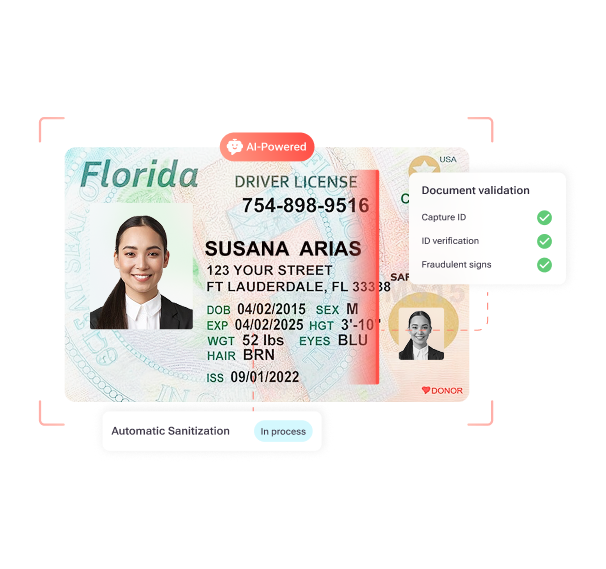
Biometrics with modern liveness detection and fraud prevention models now offer the only scalable way to separate humans from AI agents in 2026. Traditional verification methods cannot keep pace with synthetic identities and AI-generated documents. Multi-modal biometric fusion that combines facial recognition with behavioral analysis delivers the highest accuracy against complex synthetic identity fraud.
Florida HOAs gain several benefits from biometric verification, including lower liability, faster approvals, and stronger community security. FCRA rules require written consent before running screening reports and adverse action notices when denying applications. TenantEvaluation’s IDVerify+ supports permissible-purpose validation by confirming identity before screening authorization.
What is the best tenant screening software?
TenantEvaluation delivers a comprehensive biometric screening solution built for Florida community associations, pairing native IDVerify+ technology with FCRA-compliant workflows and revenue-sharing.
Which background check is most accurate for HOAs?
IDVerify+ biometric verification offers high accuracy for HOA screening by combining AI liveness detection, facial matching, and government ID validation in a single platform tailored to community association risk.
Frequently Asked Questions
Is biometric screening FCRA compliant?
Biometric screening can remain fully FCRA compliant when configured correctly. TenantEvaluation holds direct credit bureau reseller status, supports automated adverse action workflows, and maintains built-in audit trails. The platform manages consent collection, permissible purpose validation, and adverse action notices. IDVerify+ strengthens FCRA compliance by confirming identity before screening authorization and creating defensible audit documentation for community associations.
How does IDVerify+ work?
IDVerify+ walks applicants through a guided biometric verification flow inside the TenantEvaluation platform. Applicants upload a government-issued ID and complete a selfie verification using a smartphone or computer camera. The system runs AI-powered liveness detection to confirm physical presence, checks ID authenticity using multiple security signals, and performs facial landmark comparison between the selfie and the ID photo. Results appear almost instantly in the screening dashboard for Community Association Managers and Board Members.

TenantEvaluation vs. Snappt comparison
TenantEvaluation offers native biometric verification tailored to HOA communities and uses a revenue-sharing model, while Snappt focuses on AI document analysis with subscription pricing. TenantEvaluation provides QuickApprove board dashboards, Florida-specific compliance tools, and full resident onboarding beyond screening. Snappt delivers strong document fraud detection but lacks community association specialization and deeper biometrics. TenantEvaluation typically processes full applications in 5-10 minutes, while Snappt centers on 10-minute document analysis.
What background check do most landlords use?
Many progressive landlords and community associations now move toward biometric-enhanced screening platforms such as TenantEvaluation’s IDVerify+ to address 2026 fraud patterns. Traditional document-based screening no longer protects against synthetic identities and AI-generated paperwork. Leading property management companies increasingly use layered verification that combines credit checks, criminal background screening, and biometric identity confirmation for more reliable risk assessment.
How much does biometric tenant screening cost?
TenantEvaluation uses a revenue-sharing model where communities earn income from the screening process instead of paying upfront subscription fees. The platform deducts service fees from application fees and returns the remaining amount to associations. This structure removes monthly software costs and can generate net revenue for active communities. Many traditional competitors charge monthly subscriptions between $50 and $200 plus per-screening fees, so TenantEvaluation often delivers a more cost-effective option for HOAs.
Conclusion: TenantEvaluation for Fraud-Resistant HOA Screening
TenantEvaluation stands out as a leading biometric background check platform for Florida community associations, combining IDVerify+ technology with strict FCRA compliance and revenue generation. The platform’s record of more than 100,000 annual applications, $150 million in community revenue, and up to 70% time savings shows clear results for HOA and condo associations.
While other providers focus on general rental screening or document analysis, TenantEvaluation concentrates on community association risk with board dashboards and Florida-specific compliance expertise. The reported $240,000 in annual savings from management company partners highlights the impact on efficiency and fraud prevention.
Schedule a demo today to see how TenantEvaluation’s biometric screening platform can protect your community, generate revenue, and reduce administrative work.