
Key Takeaways for Florida Condo Associations
- ApplyCheck’s 5-10 day delays and background-only focus create compliance risks for Florida condo associations under HB 1203 and FCRA regulations.
- TenantEvaluation leads as the top alternative with 5-10 minute processing, Florida-specific compliance tools, and QuickApprove dashboards for boards.
- Other platforms like Buildium, Snappt, and AppFolio lack condo-specific features, revenue sharing, and rapid turnaround times.
- TenantEvaluation’s revenue-sharing model generates income for associations while maintaining PCI Level 1 security and direct credit bureau access.
- Modernize screening with Tenant Evaluation’s demo to achieve 70% faster processing and full compliance.
Why Florida Condos Replace ApplyCheck with TenantEvaluation
ApplyCheck focuses on basic background checks and does not provide full onboarding automation, board tools, or Florida-specific customization. The platform relies on third-party providers like TazWorks, which introduces delays and reduces control over each screening step. TenantEvaluation delivers end-to-end automation with specialized tools such as QuickApprove dashboards for board members, IDverify for document authentication, multilingual AI support, and direct credit bureau relationships. TenantEvaluation holds a 4.8/5 Google rating and processes more than 100,000 applications each year, showing consistent reliability for Florida associations.

ApplyCheck vs Alternatives: Processing, Compliance, and Board Tools
|
Platform |
Processing Time |
Florida Compliance |
Board Dashboard |
|
TenantEvaluation |
5-10 minutes |
FCRA |
QuickApprove included |
|
ApplyCheck |
5-10 days |
Basic FCRA |
None |
|
Buildium |
1-3 days |
Generic compliance |
Limited |
|
Snappt |
24-48 hours |
Generic compliance |
None |
The 7 Best ApplyCheck Alternatives for Florida Associations
#1 TenantEvaluation: Built for Florida Condos and HOAs
TenantEvaluation serves Florida condo and HOA associations with a platform built specifically for community associations. The company launched in 2007 and was created by property managers, board directors, and software engineers with more than 50 years of combined experience. TenantEvaluation has generated over $150 million for communities while processing more than 100,000 applications each year.
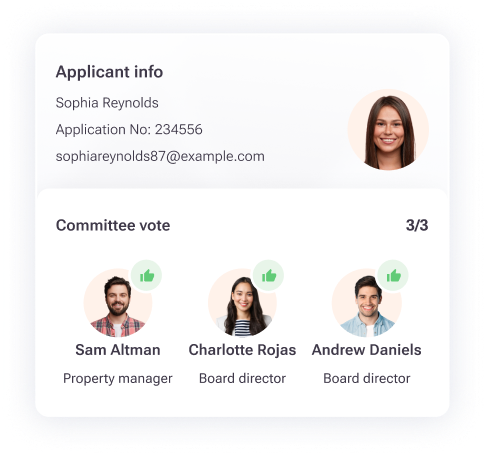
The platform’s intelligent logic system customizes workflows based on each community’s rules and requirements. SafeCheck+ delivers comprehensive background screening, and IncomeEv verifies employment beyond self-reported information. QuickApprove gives board members real-time access to application summaries and voting tools, which replaces long email chains and meeting delays.
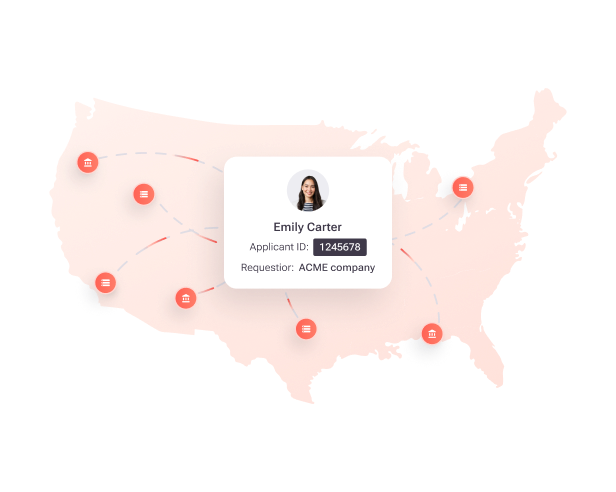
TenantEvaluation’s revenue-sharing model removes upfront costs and creates income for associations. Direct relationships with TransUnion and Equifax support accurate data and FCRA compliance, while PCI Level 1 security protects sensitive resident information. Florida-specific customization addresses local regulatory requirements, so associations gain a complete screening and onboarding solution.
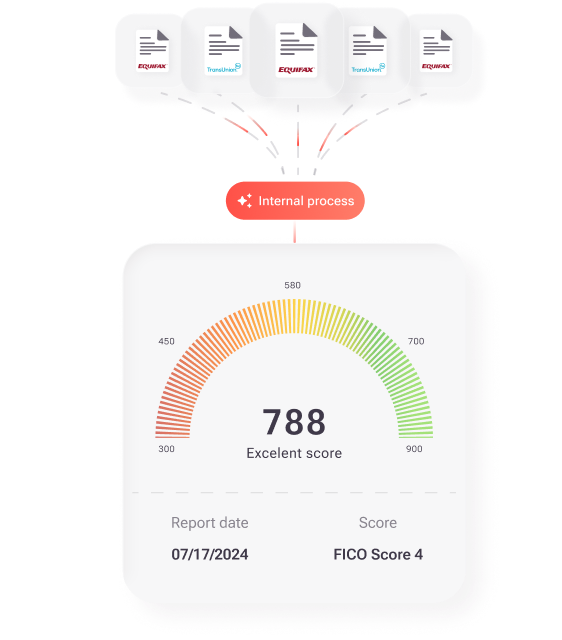
Pros: Florida-focused design, revenue generation, comprehensive automation, board transparency tools, and direct credit bureau access. Cons: Primary focus on the Florida market may limit usefulness for associations based in other states.
#2 Buildium: General Property Management with Basic Screening
Buildium offers broad property management features and basic screening tools for rentals and associations. The platform does not match TenantEvaluation’s condo association focus or its deep automation for resident onboarding. Buildium’s screening module lacks board-specific dashboards and Florida compliance specialization. Processing times usually range from 1-3 days, which is slower than TenantEvaluation’s minutes-based turnaround.
#3 Vantaca: HOA Management with Limited Screening
Vantaca focuses on HOA management, accounting, and communication, with only limited screening capabilities. The platform works for financial management and owner communication but does not deliver full resident onboarding workflows. Vantaca does not include end-to-end screening automation or integrated board voting features that mirror TenantEvaluation’s tools.
#4 Snappt: Fraud Detection without Full Onboarding
Snappt specializes in fraud detection and income verification alongside background screening. The platform targets rental properties and large multifamily operators rather than condo associations. Snappt does not include board-specific features or Florida-focused compliance tools. The system supports document verification and screening workflows but does not cover the full approval and communication process that associations require.
#5 AppFolio: Broad Platform without Condo-Specific Tools
AppFolio provides wide-ranging property management features with subscription-based pricing. The platform works well for general property portfolios but lacks specialized condo association tools and Florida-specific compliance support. AppFolio does not offer revenue-sharing models or detailed board transparency tools that many condo associations expect from a screening partner.
#6 RealPage: Enterprise Solution with Generic Screening
RealPage serves enterprise-level property managers and large portfolios with generic screening capabilities. The platform’s broad focus reduces its usefulness for specialized condo association workflows. RealPage does not provide board-specific dashboards or Florida compliance specialization, so it cannot match TenantEvaluation’s targeted approach for local associations.
#7 RentSpree: Rental Screening without HOA Features
RentSpree offers rental screening and application services for agents and landlords. The platform does not include HOA-specific workflows or tools for condo boards. RentSpree lacks board access features and association-focused approval processes, which makes it a poor fit for condo associations that need structured screening and formal board decisions.
Florida Condo Screening Laws and Compliance Basics
HB 1203 requires enhanced transparency for associations with 100+ parcels. These associations must maintain a website that includes governing documents, meeting minutes, budgets, and financial reports. FCRA compliance remains essential for tenant screening services in Florida HOAs. Associations must follow proper consent procedures and adverse action protocols. TenantEvaluation’s built-in compliance features handle these steps automatically and maintain complete audit trails, so associations can document every decision.
Pricing, Revenue Impact, and Fast Implementation
TenantEvaluation’s revenue-sharing model removes upfront costs by taking service fees from collected application fees and rebating the remainder to the association. Communities that process 100 applications per year can earn meaningful profit while also improving efficiency. Implementation follows four steps: custom setup based on community rules, data migration from current systems, staff training on the platform, and scaling to all properties. Typical ROI includes 70 percent time savings, lower administrative costs, and new revenue from streamlined processing.
Schedule a demo for ApplyCheck alternatives today and review implementation options for your association.
Conclusion: TenantEvaluation as the Leading ApplyCheck Alternative
TenantEvaluation stands out among ApplyCheck alternatives by offering Florida condo association features, robust compliance tools, and revenue generation that competitors do not provide. The platform combines automation, board transparency, and Florida-specific customization into a single system. Associations that adopt TenantEvaluation modernize screening, protect compliance, and improve operational efficiency. Schedule a demo for ApplyCheck alternatives today and upgrade your association’s onboarding experience.
Frequently Asked Questions
Can Florida HOAs legally require background checks for new residents?
Florida HOAs can require background checks as part of screening for homebuyers and tenants when they obtain proper consent. Associations must follow procedures in their governing documents and apply criteria consistently. The screening process must comply with FCRA requirements and Fair Housing laws. Boards should define clear screening standards in bylaws and communicate requirements openly to all applicants.
How does HB 1203 impact condo association screening processes?
HB 1203 affects HOAs by requiring greater transparency through mandatory websites for associations with 100 or more parcels. Condo associations often follow similar transparency practices, even when not directly covered. The law requires posting governing documents, meeting minutes, budgets, and financial reports, which can include screening criteria and procedures. HB 1203 does not directly regulate screening steps but reinforces the need for clear communication about association requirements.
What are the key differences between ApplyCheck and comprehensive screening platforms?
ApplyCheck focuses on background checks and uses third-party providers like TazWorks, which often creates 5-10 day processing delays and limited automation. Comprehensive platforms such as TenantEvaluation manage the full onboarding process, including application intake, document collection, ID verification, income verification, background screening, board review tools, and automated compliance workflows. These platforms differ in scope, speed, and specialization for community association needs.
How do revenue-sharing models work for condo association screening?
Revenue-sharing models remove upfront costs by taking service fees from application fees and returning the remaining amount to the association. For example, if an application fee totals $150 and the service fee equals $50, the association receives $100 for that application. This structure creates a steady revenue stream while funding professional screening services without new budget allocations. The model aligns vendor incentives with association satisfaction and application volume.
What FCRA compliance features should condo associations look for in screening platforms?
Key FCRA compliance features include automated adverse action workflows and proper consent collection tools. Platforms should maintain direct credit bureau relationships instead of relying on third-party data scraping. Systems must separate data provision from decision-making roles and maintain complete audit trails for all screening activities. Built-in permissible purpose controls and ongoing training help association staff follow correct procedures and meet their compliance obligations.