
Key Takeaways
- Behavioral biometrics detects rental fraud by analyzing keystroke timing, mouse movements, and copy-paste patterns that reveal bot activity during application submission.
- It provides passive, real-time screening that flags synthetic identities, impersonation, and automated fraud before applications enter approval workflows.
- Key metrics such as dwell times, mouse curvature, and session anomalies separate natural human hesitation from mechanical bot consistency in Florida community applications.
- The technology integrates with FCRA-compliant processes, reducing administrative workload by up to 70% and helping prevent evictions tied to fraudulent tenants.
- Secure your community with Tenant Evaluation’s IDVerify, and schedule a demo today for fraud-resistant screening.
Why Behavioral Biometrics Matters for Rental Fraud in Florida Communities
Rental application fraud appears as synthetic identities, impersonation, and copy-paste submissions that directly affect community associations. Synthetic identity fraud uses a mix of real and fabricated data to create convincing fake applicants. Impersonation fraud relies on stolen credentials to pose as legitimate residents. Copy-paste fraud repeats the same information across many applications with little or no human variation. Tenancy fraud cases reached 544 in quarters 1 and 2 of 2025/26, showing how serious this problem has become for housing providers.
Community Association Managers use behavioral biometrics as a passive pre-screening layer that works alongside FCRA-compliant background checks. This approach reduces liability by catching suspicious applications before they drain staff time or create compliance issues. The system works best with digital application platforms, so it fits communities that already rely on online screening. Behavioral biometrics runs in the background during form completion, tracking rental application fraud patterns without slowing or frustrating applicants.
Behavioral Biometrics for Fraud Detection in Rental Screening
Behavioral biometrics evaluates passive user interactions during digital form completion to uncover non-human patterns in rental applications. Traditional authentication focuses on what users know or possess, such as passwords or IDs. Behavioral biometrics instead focuses on how users naturally type, move a mouse, or navigate forms.
Key behavioral metrics include:
- Keystroke dynamics that measure dwell times between key presses and flight times between keystrokes
- Mouse movements that track speed, acceleration, and curvature patterns
- Copy-paste volume that highlights heavy clipboard use suggesting automated form filling
- Session anomalies that reveal unusual navigation or extremely rapid form completion
Legitimate applicants usually pause when entering sensitive information such as income or employment details, which creates natural hesitation patterns. Fraudulent applications often show mechanical consistency, including identical timing between keystrokes or perfectly straight mouse paths that point to bot automation. Behavioral biometrics analyze keystroke dynamics, mouse movements, and touchscreen gestures to identify deviations from a user’s behavioral fingerprint, which separates real humans from AI-driven impersonations. Schedule a demo today to see how TenantEvaluation’s IDVerify embeds biometric identity verification directly into community screening workflows.

Step-by-Step: How Behavioral Biometrics Flags Rental Application Fraud
The fraud detection process starts by building baseline profiles from legitimate user interactions. During early application sessions, the system learns normal human patterns such as typical typing rhythms, mouse movement variation, and common form completion sequences. This baseline creation happens quietly in the background and does not change the user experience.
Real-time behavioral scoring then runs as applicants complete each field. The system reviews keystroke dynamics in lease and identity fields, watching for copy-paste behavior that suggests automated completion. Mouse movement analysis highlights unnatural precision or repeated paths that indicate scripted activity. Bot detection in rental applications occurs when the system notices session patterns that do not match human behavior, such as near-simultaneous completion of many applications.
Anomaly flags appear when behavior strays far from the established baseline. Normal rental applications show varied typing speeds, occasional backspaces, and realistic navigation between sections. Fraudulent submissions show rigid timing, identical interaction patterns, or impossible speeds across fields. The system converts these signals into risk scores that plug into existing screening workflows, so Community Association Managers can focus manual review on the highest-risk files.
Biometrics, including behavioral patterns, are the only scalable way to differentiate humans from sophisticated AI agents in 2026, as older verification methods struggle against advanced fraud tools. Schedule a demo today to protect your community with TenantEvaluation’s FCRA-first platform built for Florida associations.
Behavioral Metrics That Reveal Rental Fraud, With Real-World Examples
Keystroke dynamics serve as a powerful behavioral biometric for spotting keystroke-based fraud in rental applications. The system measures dwell time, which tracks how long each key stays pressed, and flight time, which tracks the gap between keystrokes. These details create a unique typing fingerprint for each user. Legitimate applicants show uneven timing when entering income data, including longer pauses before sensitive numbers and occasional corrections. Fraudulent applications show rigid timing patterns across many submissions, which creates clear behavioral biometrics fraud detection signals.
Mouse and touch behavior adds another layer of fraud insight. Human users naturally create curved, slightly irregular mouse paths as they move between fields. Bots often produce straight lines or repeated shapes. In HOA multi-step applications, mouse movements reveal fraud when they lack natural acceleration and deceleration. Touchscreen gestures on phones and tablets also show pressure changes and finger positions that automated tools struggle to mimic.
Device and session anomalies round out interaction analysis with environmental context. The system spots VPN use, heavy application volume from a single IP address, and device fingerprint mismatches that point to behavioral biometrics rental fraud. Session timing analysis highlights applications finished unrealistically fast or with nearly identical durations across many attempts.
AI detects anomalies in behavioral patterns to counter generative AI-driven deepfakes and synthetic identities, which reflects the direction of fraud prevention in 2026. Behavioral biometrics still cannot catch every fraud type, especially advanced impersonation that uses real user credentials, so communities still need document checks and identity verification. Schedule a demo today to strengthen your process with TenantEvaluation’s QuickApprove dashboard for board review and decisions.

Florida CAM and Board Benefits, Plus How TenantEvaluation Fits In
Community Association Managers see fast operational gains when they add biometric identity verification. Administrative work can drop by up to 70 percent because the system automatically flags suspicious files for priority review, which removes time spent on clearly fraudulent applications. FCRA compliance improves through documented fraud checks and audit trails that show consistent due diligence. Revenue protection grows as communities avoid evictions and legal disputes tied to fraudulent occupants, and TenantEvaluation clients have generated more than $150 million in community revenue through streamlined, compliant screening.
TenantEvaluation stands out through its integrated biometric identity verification inside IDVerify. The platform combines AI liveness checks, facial biometric matching, and government ID validation in one workflow. Competing tools such as Snappt or RentSpree often rely on redirects and focus on a single verification step. TenantEvaluation instead delivers end-to-end screening with IDVerify as one layer in a broader fraud prevention stack. The platform operates as an FCRA reseller with direct credit bureau ties, which supports compliance and data accuracy that generic tools struggle to match.
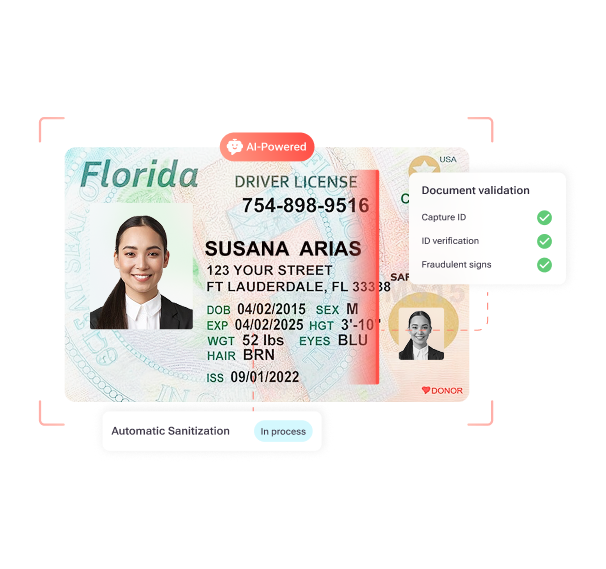
Board members access results through focused dashboards that display verification outcomes alongside standard screening metrics, so they can make decisions without learning complex technology. Revenue-sharing models align TenantEvaluation’s incentives with community performance, unlike subscription-based competitors that earn the same amount regardless of screening quality. Schedule a demo today to see TenantEvaluation’s full approach to secure, fraud-aware community onboarding.
Next Steps for Fraud-Resistant Community Screening
Biometric identity verification shifts rental fraud detection from slow document review to proactive identity analysis, which helps Florida communities spot fraud before it drains staff time or creates compliance risk. The technology runs quietly in the background and preserves a smooth applicant experience while giving Community Association Managers a strong fraud defense that fits into existing FCRA-compliant workflows.
TenantEvaluation focuses on community associations and delivers layered fraud prevention backed by results from more than 5,000 communities and over 100,000 applications each year. The platform’s IDVerify+ extends screening from document checks to biometric-confirmed identity, which keeps communities ahead of new fraud tactics. Schedule a demo today to see how TenantEvaluation’s Florida-focused screening, supported by 4.8/5 Google ratings and 17 years of experience, can protect your community while simplifying daily operations.
FAQs
What is behavioral biometrics for fraud detection in rental applications?
Behavioral biometrics studies how users interact with digital forms through keystroke timing, mouse movement, and navigation patterns to spot non-human behavior. In rental applications, the technology identifies bots and fraudulent submissions by catching mechanical patterns that differ from natural human actions. The system runs passively during form completion and builds behavioral fingerprints that separate legitimate applicants from automated fraud attempts without interrupting the user.
How do keystroke dynamics detect rental fraud?
Keystroke dynamics measure the timing between key presses and how long each key stays pressed to build a unique typing fingerprint. Legitimate applicants show varied timing when entering sensitive details such as income, including pauses and occasional corrections. Fraudulent applications show rigid, repeated timing across many submissions, which often reflects copy-paste behavior or bot automation. The system flags applications with unnatural typing rhythms that point to automated completion instead of human input.
What are the differences between behavioral biometrics and facial biometrics?
Behavioral biometrics focuses on interaction patterns such as typing and mouse movement, while facial biometrics confirms physical identity through facial recognition and liveness checks. Behavioral biometrics runs throughout form completion and looks for fraud patterns in real time. Facial biometrics verifies identity at specific checkpoints. Both methods work together in a complete fraud strategy, with behavioral biometrics catching automated submissions and facial biometrics blocking impersonation that uses stolen credentials.
Is behavioral biometrics FCRA compliant for community association screening?
Behavioral biometrics functions as a fraud detection layer that supports FCRA-compliant screening instead of replacing it. The technology reviews interaction patterns and flags suspicious applications before formal background checks begin, which supports due diligence while staying within consumer reporting rules. When communities connect behavioral biometrics to an FCRA-compliant platform, they strengthen audit trails and documentation while still honoring applicant rights and privacy requirements under federal law.
How does TenantEvaluation implement behavioral biometrics for HOA communities?
TenantEvaluation delivers biometric identity verification through IDVerify+ as part of a screening platform built for community associations. The system provides government ID checks, AI liveness detection, and facial matching during application completion, then feeds verification results into background checks and board approval workflows. Implementation requires no extra software or complex training because the technology runs inside the existing application process while giving Community Association Managers stronger fraud detection and clear compliance records.