Written by: Luis Teran, Co-founder, CEO, TenantEvaluation | Last updated: August 9, 2026
Key Takeaways for Florida CAMs
- Florida CAMs work with four main pricing models: applicant-paid, pay-per-report, subscription, and hybrid revenue-sharing. Each model affects cash flow, compliance, and revenue differently.
- Applicant-paid and pay-per-report models shift costs to applicants or the association, while subscription plans risk unused capacity and sunk costs during slow leasing periods.
- Hybrid revenue-sharing removes upfront fees and turns screening into a direct income stream for associations without monthly minimums or hidden platform charges.
- Florida-specific statutory caps and FCRA requirements make revenue-sharing models like TenantEvaluation’s easier to configure for compliance and board workflows.
- See how revenue-sharing works for your association to turn your screening process into a compliant, revenue-positive operation.
How the Four Background Screening Pricing Models Work
Applicant-Paid Model: The applicant pays the screening fee directly to the vendor or through the association’s platform. This removes direct cost to the association but creates Florida-specific fee-cap compliance obligations. Marketplace and rental listing tools in 2026 commonly offer screening at $0–$35 per applicant under this structure, with the applicant bearing the cost.
Pay-Per-Report Model: The association or management company pays a fee for each report ordered, with no monthly minimum. Complete screening packages combining credit, nationwide criminal, eviction history, and identity verification typically cost $25–$55 per adult applicant as of Q3 2026. This model fits variable or low-volume portfolios but creates direct per-transaction costs that grow quickly at scale.
Subscription Model: A fixed monthly fee covers a defined volume of reports. Subscription pricing for background screening ranges from $200–$2,000 per month depending on included check volume and feature access, with common tiers covering 25, 50, 100, or 250 checks per month plus overage rates. Unused capacity is usually forfeited, which creates sunk costs during slow leasing seasons.
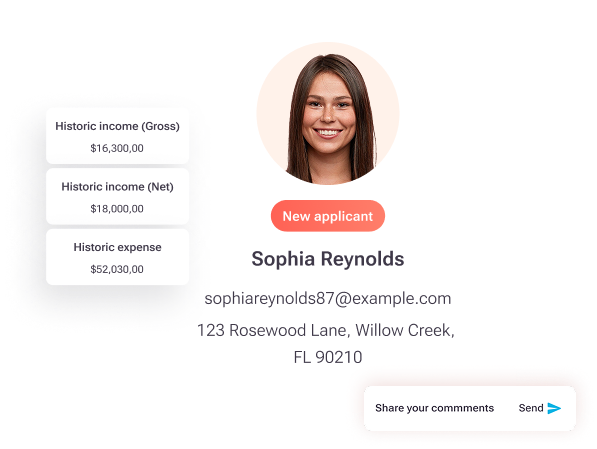
Hybrid Revenue-Sharing Model: The association collects an application fee from the applicant. The platform deducts its service fee and sends the remainder directly to the association’s designated account. TenantEvaluation operates on this model with no upfront fees, no monthly minimums, and no subscription overhead. The association earns revenue from every completed application while TenantEvaluation organizes the workflow. TEpayments by Zinc, TenantEvaluation’s connected payment workflow, collects application fees and deposits within the onboarding process. Payments go directly from the applicant to the association’s designated account, and TenantEvaluation never holds the funds.
2026 Price Comparison Across the Four Models
The table below compares the four pricing models by cost structure, monthly obligations, and who ultimately pays, so you can see how each option affects your association’s cash flow.
| Model | Typical Per-Report Cost (2026) | Monthly Minimum / Subscription | Who Pays |
|---|---|---|---|
| Applicant-Paid (standalone) | $25–$45 per applicant | None (pass-through) | Applicant |
| Pay-Per-Report (vendor-billed) | $24.99–$44.99 (Checkr tenant tiers); see full bundle range above | None required | Association / Manager |
| Subscription (platform-bundled) | $30–$60 per unit/month (bundled) | $200–$2,000/month | Association / Manager |
| Hybrid Revenue-Sharing (TenantEvaluation) | No upfront cost, platform fee deducted from applicant fee | None | Applicant (net revenue to Association) |
Note: pass-through jurisdiction and court fees can increase actual per-check costs by 40–70% above advertised base prices, which can turn a $30 report into $50–$75 in real terms under pay-per-report models. Traditional screening vendors often charge hidden monthly platform fees of $100–$250 regardless of volume, plus setup fees of $250–$1,000 and minimum monthly spend requirements of $100–$500.
Compare TenantEvaluation’s pricing to your current vendor and see how revenue-sharing eliminates upfront screening costs for your Florida association.
Florida Fee Caps and How They Shape Your Pricing Choice
Florida fee rules do not mirror states like New York or California, but they still shape how you structure application fees. Florida does not impose a single hard-dollar cap on application fees for all community associations. Instead, Florida law and FCRA requirements create constraints that CAMs must understand before choosing a pricing model.
Florida Statutes govern condominium and HOA application fees. For condominiums, Florida Statutes Section 718.112 limits the transfer fee a condominium association may charge to $100 per applicant, with certain exceptions. For HOAs governed under Chapter 720, fee structures follow the association’s governing documents and Florida law. CAMs working under either chapter must ensure that any applicant-paid screening fee complies with the applicable statutory cap and the association’s declaration.
This framework affects model selection directly. When Florida statute caps the total fee an association may collect from an applicant, a high-cost pay-per-report package that exceeds the allowable amount cannot be recovered through an applicant-paid model without creating a compliance gap. TenantEvaluation’s revenue-sharing structure is configured around these Florida-specific constraints. TEpayments by Zinc aligns fee collection with each association’s governing documents and statutory limits, so CAMs avoid manual reconciliation of fee caps against vendor invoices.
Several states cap application fees at the landlord’s actual screening cost or a fixed dollar amount. Florida’s framework is association-type-specific and requires CAMs to verify compliance at the community level rather than applying a single statewide rule.
Choosing a Pricing Model by Portfolio Size
Portfolio size, seasonality, compliance workload, and revenue goals determine which pricing model fits best. The matrix below maps three common Florida CAM portfolio tiers to recommended structures.
| Portfolio Size | Recommended Model | Cash-Flow Impact | Key Consideration |
|---|---|---|---|
| Under 500 doors | Hybrid Revenue-Sharing (TenantEvaluation) or Pay-Per-Report | Zero upfront cost, revenue-positive under revenue-sharing | Per-check pricing works best for fewer than 50 annual screenings or variable volume. Subscription overhead is rarely justified at this scale. |
| 500–2,000 doors | Hybrid Revenue-Sharing (TenantEvaluation) or Volume-Discounted Pay-Per-Report | Revenue-sharing removes sunk costs, volume discounts reduce per-unit cost | Volume-based pricing provides tiered discounts of 15–25% at 200+ annual checks. Compliance overhead increases with portfolio complexity. |
| 2,000+ doors | Hybrid Revenue-Sharing (TenantEvaluation) with Enterprise/API access | Revenue-sharing at scale generates meaningful association income, API integration reduces per-application labor cost | Enterprise vendors require custom quoting. FCRA audit trail requirements intensify at this volume. TenantEvaluation’s direct credit bureau reseller status (TransUnion and Equifax) removes gray-market data risk. |
Report Tiers, Add-Ons, and Enterprise/API Costs
Background screening vendors package their services into three standard tiers in 2026, then layer add-ons above the base package.
Basic tier ($20–$40): Entry-level packages typically include an SSN trace, sex offender registry search, and a national criminal database search. Checkr’s Tenant Starter plan, at $24.99 per report, covers criminal history only.
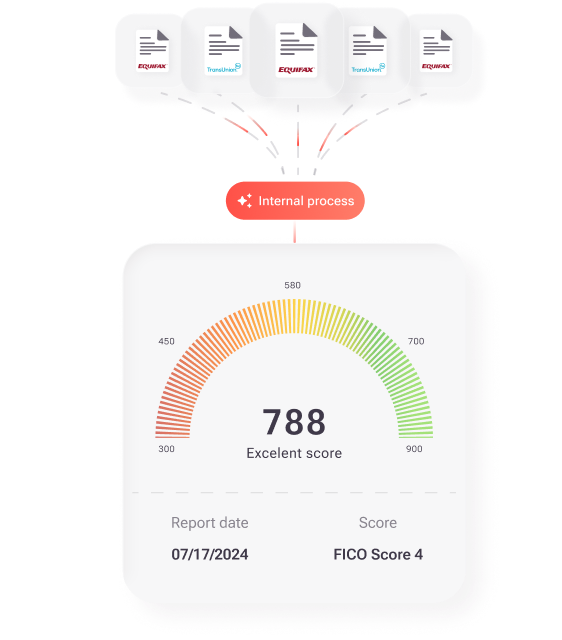
Standard tier ($40–$80): Mid-tier packages adding unlimited county criminal searches and identity verification typically land in the $55–$80 range. Checkr’s Tenant Essential plan at $34.99 adds full eviction history and a report containing financials, rental history, and background information.
Comprehensive tier ($80–$200+): Packages adding state or federal criminal searches, employment and education verification, or professional license checks can exceed $100–$200 per candidate. TenantEvaluation’s SafeCheck+ solution delivers nationwide and global criminal checks, employment and income verification (including direct employer contact through IncomeEV), credit, eviction history, and reference verification. These services are bundled within the all-in-one platform rather than invoiced as separate line items.
Common add-ons and their typical 2026 price ranges include:
- Specialized add-ons: $10–$300 per item depending on scope
- Standalone credit report: $10–$20
- Nationwide criminal search: $10–$25
- Dedicated eviction history search: $8–$20
Enterprise and API pricing is quote-based across all major vendors. Checkr’s Business/Partner tenant screening tier includes API and agent access with custom pricing. TenantEvaluation supports enterprise-level management companies, including partners such as FirstService Residential, RealManage, and Associa, with API-connected workflows, dedicated onboarding support, and portfolio-level configuration.
Common Challenges with Generic Screening Vendors
Generic background screening vendors built for employment or single-family rentals often create structural problems for Florida community associations.
- Hidden fees: As noted in the pricing comparison above, traditional vendors layer on platform fees, setup costs, and minimum spend requirements that can add hundreds of dollars per month beyond advertised per-report rates.
- Pass-through cost inflation: Jurisdiction and court fees can increase actual per-check costs by 40–70% above advertised base prices.
- No Florida-specific configuration: Generic platforms do not accommodate Florida condominium or HOA governing documents, 55+ age-restriction workflows, or board voting requirements.
- Fragmented adverse action workflows: FCRA requires documented adverse action notices when a screening report contributes to an adverse decision. Generic vendors often leave this obligation to the association to manage manually, which creates audit exposure.
- No revenue alignment: Subscription and pay-per-report models charge the association regardless of application outcome, which creates costs without matching revenue.
TenantEvaluation addresses these gaps through its FCRA-first platform design, automated adverse action workflows, direct credit bureau reseller relationships with TransUnion and Equifax, and a revenue-sharing structure that generates income for the association instead of extracting it.
Calculate your true screening costs and compare them against TenantEvaluation’s all-in-one pricing.
Best-Practice Criteria for Any Screening Pricing Model
Florida CAMs and management companies can reduce risk by applying clear criteria before committing to a background screening vendor or pricing structure.
- FCRA compliance architecture: The platform must support permissible purpose controls, consistent screening practices across similar applicant types, and documented adverse action workflows, rather than leaving these obligations to the association.
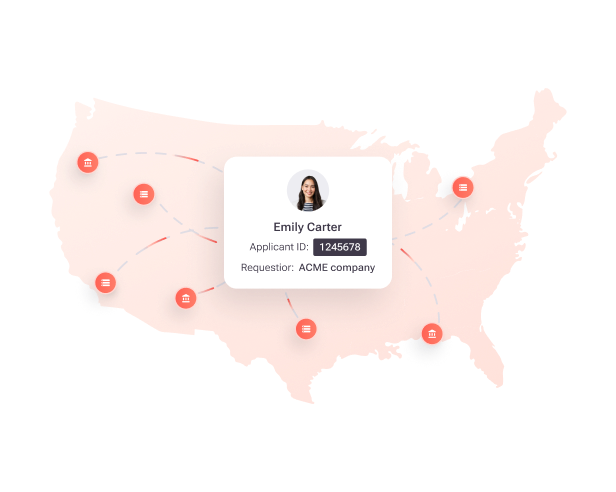
- Direct credit bureau access: Vendors reselling TransUnion or Equifax data directly operate under strict bureau rules and regular compliance audits. Gray-market or offshore data sources increase liability exposure for the association.
- Audit trails: Every application action, including submission, document review, board vote, approval or denial, and adverse action notice, must be timestamped and retrievable. This is non-negotiable for Florida associations subject to regulatory review or litigation.
- Transparent adverse action workflows: The platform should automate FCRA-required adverse action notices instead of relying on manual CAM intervention.
- Revenue alignment: The pricing model should create financial incentives that match the association’s interests. A revenue-sharing structure, where the platform’s compensation comes from the same application fee that generates association income, creates stronger alignment than a subscription model that charges regardless of volume or outcome.
- Florida-specific configuration: The platform must accommodate Florida condominium and HOA governing documents, statutory fee caps, board approval workflows, and, where applicable, 55+ Communities Verification for age-restricted communities.
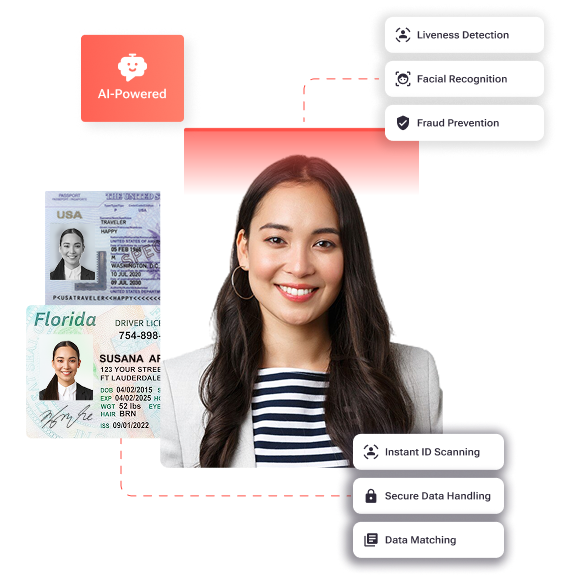
- Identity verification layer: Biometric identity verification, such as TenantEvaluation’s IDVerify+, confirms applicant identity before screening authorization, supports FCRA-aligned workflows, and reduces fraud exposure.
Frequently Asked Questions
How much does a typical background check cost in 2026?
A complete tenant screening package from standalone vendors typically costs $25–$55 per adult applicant in 2026 (as detailed in the pricing models section above). Basic packages covering only criminal history start around $20–$30. Comprehensive packages adding employment verification, income confirmation, and federal criminal searches can reach $80–$200 or more per applicant. The advertised price often understates the true cost, since pass-through court and jurisdiction fees can add 40–70% above the base rate. For Florida community associations using TenantEvaluation’s revenue-sharing model, the association does not pay the per-report cost directly. The applicant pays the application fee, the platform deducts its service fee, and the remainder is remitted to the association.
Can property managers charge applicants for screening in Florida?
Property managers in Florida can charge applicants for screening, subject to important limits. Florida law governs application fees differently by association type. For condominiums under Florida Statutes Chapter 718, the transfer fee an association may charge is capped at $100 per applicant, with certain exceptions. HOAs governed under Chapter 720 follow their governing documents and applicable Florida law. CAMs must confirm the applicable fee cap for each community before configuring an applicant-paid model. TenantEvaluation’s TEpayments by Zinc workflow is configurable per association, so each community can define what is collected and at which stage, matching the property’s process and statutory requirements instead of using a universal fee structure.
What is a revenue-sharing pricing model for background screening, and how does it benefit Florida associations?
As described in the pricing models section, revenue-sharing removes upfront costs and subscription fees while generating direct income for the association. The key benefit for Florida associations is the ability to convert a previously cost-neutral or cost-negative administrative process into a revenue stream. Payments flow directly to the association’s account while TenantEvaluation organizes the workflow, which keeps funds under association control and aligns incentives around efficient, compliant processing.
What FCRA obligations apply to Florida community associations using background screening?
The Fair Credit Reporting Act applies whenever an organization uses a consumer report, including credit, criminal, or eviction data, to make a housing decision. Florida community associations using background screening must obtain written applicant consent before ordering a report, use the report only for permissible purposes, and issue a compliant adverse action notice if the report contributes to a denial or conditional approval. These obligations apply regardless of pricing model. TenantEvaluation is built with FCRA compliance as the foundation, with automated adverse action workflows, strict permissible purpose controls, and built-in audit trails for every application. As a direct reseller of TransUnion and Equifax data, TenantEvaluation operates under regular compliance reviews and bureau-level audit requirements.
How do subscription pricing models compare to pay-per-report for Florida management companies with seasonal application volume?
Subscription models charge a fixed monthly fee regardless of how many reports you order. For Florida management companies with seasonal leasing peaks, common in South Florida, Orlando, and Tampa, this structure creates sunk costs during slow months when included report allocations go unused. Pay-per-report models remove this waste but shift the per-transaction cost to the association. TenantEvaluation’s revenue-sharing model avoids both problems. There is no monthly minimum during slow periods, and the association generates income instead of cost during peak application seasons. QuickApprove, TenantEvaluation’s accelerated approval workflow, is designed to handle high-volume seasons without adding administrative overhead.
Conclusion: Next Steps for Florida Associations Reviewing Screening Costs
Background screening pricing choices shape cash-flow predictability, compliance exposure, and revenue potential for Florida community associations and management companies. Applicant-paid models require tight alignment with Florida statutory fee caps. Pay-per-report models create direct per-transaction costs that grow at scale and are vulnerable to hidden pass-through fees. Subscription models create sunk costs during low-volume periods and rarely include the Florida-specific configuration that CAMs need.
TenantEvaluation’s hybrid revenue-sharing model removes upfront costs, generates direct association income, and delivers FCRA compliance as the foundation. With direct credit bureau reseller relationships, automated adverse action workflows, biometric identity verification through IDVerify+, accelerated approvals through QuickApprove, and centralized lease lifecycle control through Lease Tracking, TenantEvaluation is built exclusively for Florida community associations and turns resident onboarding into a revenue-positive, audit-ready operation.
CAMs and management companies managing under 500, 500–2,000, or 2,000+ doors should review their current screening spend, including hidden platform fees, pass-through court costs, and subscription minimums, against TenantEvaluation’s zero-upfront-cost revenue-sharing structure before renewing any existing vendor contract.
Request your personalized pricing comparison and see how TenantEvaluation’s FCRA-first, revenue-sharing platform compares to your current background screening costs.
