Written by: Luis Teran, Co-founder, CEO, TenantEvaluation | Last updated: September 28, 2026
Key Takeaways
- Automated lease compliance monitoring software replaces manual spreadsheets with real-time lease tracking, rental-cap enforcement, and audit-ready records for Florida condo and HOA managers.
- Effective lease compliance converts governing-document rules into automated checks that flag exceptions before they turn into violations.
- Rental cap enforcement, illegal short-term rental detection, and lease expiration alerts are core capabilities that generic property management systems rarely cover in depth.
- Seven-year retention rules under Chapters 718 and 720 make audit-ready digital trails essential for Florida community associations.
- TenantEvaluation connects resident onboarding, unit data, approvals, and lease documentation into one streamlined, audit-ready workflow.
Explore TenantEvaluation Lease Compliance In Action
Why Lease Tracking Falls Short Of Full Lease Compliance
Florida condo and HOA managers operating under Florida Statutes Chapter 718 and Chapter 720 face recordkeeping obligations that extend far beyond filing lease copies in a folder. Storing lease documents covers only the basics. Automated lease compliance monitoring software for condo and HOA managers creates a separate layer that converts governing-document rules into automated checks, flags exceptions early, and produces timestamped audit trails that boards and attorneys expect. Chapter 720 requires seven-year record retention and, after the 2024 HB 1203 reforms, requires associations with 100 or more parcels to post specified official records on a website or mobile application. Manual processes struggle to meet that standard across a growing portfolio.
What Automated Lease Compliance Monitoring Delivers
Automated lease compliance monitoring starts where document storage stops. The workflow moves from governing-document rule extraction into automated flagging of every exception, including active, pending, expired, or missing leases. Managers no longer need to cross-reference spreadsheets or email chains to understand status.
Core capabilities include real-time lease status visibility, automated lease document collection during onboarding, unit-level tracking tied to occupancy records, and a searchable digital history of lease records and document trails. These capabilities connect inside one environment rather than living in separate tools.
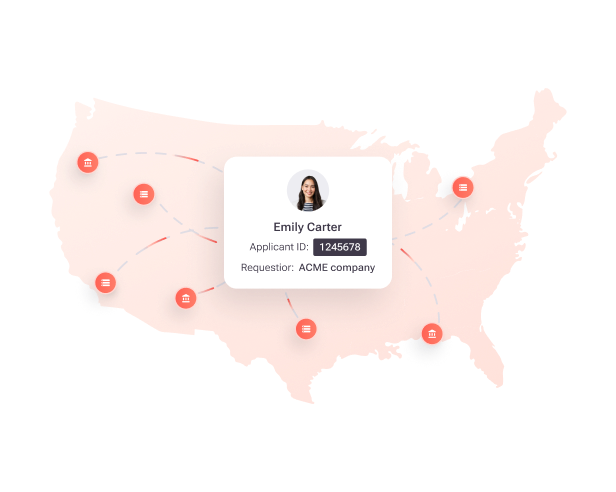
TenantEvaluation is built specifically for community associations and management companies, and FCRA compliance is the foundation of its design. That foundation matters because Lease Tracking connects resident onboarding, unit data, approvals, and lease documentation into one streamlined, audit-ready workflow from application to occupancy. The payoff is centralized, real-time lease visibility and lifecycle control that replaces disconnected spreadsheets and scattered email chains across Florida condo and HOA portfolios.

How Rental Cap Enforcement Software Works In Florida Condos And HOAs
Rental cap enforcement ranks among the most operationally complex requirements Florida community associations manage. Under Florida Statutes Section 720.306(1)(h), amendments can regulate rental agreements for terms shorter than six months or limit rentals to three times per calendar year. These amendments apply to all parcel owners regardless of acquisition date. That scope makes accurate, unit-level cap tracking a legal necessity rather than an administrative preference.
Rental cap enforcement software converts governing-document rules into automated checks that run on every application. When a new lease application arrives, the system validates it against per-unit caps and annual lease limits before the application advances. The software also checks any waitlist position as part of the same review. Exceptions appear immediately on the dashboard instead of surfacing weeks later during a manual audit.
Waitlist management operates inside the same workflow, so the queue stays current, documented, and easy to explain to owners. TenantEvaluation’s Lease Tracking functions as the compliance layer that handles this for Florida condos and HOAs inside one connected platform, with audit-ready digital lease records supporting every decision.
Review Rental Cap Enforcement In Lease Tracking
Illegal Short-Term Rental Detection And Lease Compliance
Rental caps are only one restriction that governing documents impose. Detecting unauthorized short-term rentals requires more than reviewing internal lease records. Up to 30% of rentals in a typical HOA community are not registered with the association, which leaves covenants unenforced and shifts costs onto compliant homeowners. Manual cross-referencing of listing platforms, county homestead exemptions, and mailing addresses can consume more than ten hours per month for a mid-sized community, and quarterly checks miss rentals that list and lease between review cycles.
Automated lease compliance monitoring addresses this challenge through external signal monitoring and exception flagging. A compliance layer continuously watches for activity that conflicts with governing-document restrictions, surfaces flags for manager review, and preserves the documented evidence trail that enforcement proceedings require. That trail includes complaint logs, screenshots, notice records, and hearing outcomes.
Florida Statutes § 509.032(7) preempts local governments from prohibiting vacation rentals or regulating rental duration or frequency. This preemption does not extend to private community associations, which may restrict short-term rentals through their declarations. Nothing in this article constitutes legal advice, and boards should confirm their specific governing-document language with qualified legal counsel.
Automated Alerts For Lease Expirations And Renewals
Lease expirations create the most common blind spots in lease management. A lease that quietly lapses without a renewal on file creates occupancy uncertainty, potential covenant violations, and gaps in the audit record that boards and attorneys notice quickly.
TenantEvaluation’s Lease Tracking delivers real-time lease status visibility, including active, pending, expired, or missing leases, inside one connected platform. Automated alerts surface upcoming expirations before they become compliance gaps. The renewal workflow connects directly to the document collection and approval process already in use, so managers do not need separate expiration calendars or manual follow-ups to keep lease records current. Lease administration benchmarks recommend flagging renewal options at least 90 days before the deadline, a standard that manual spreadsheet processes often miss.
Audit Readiness And Recordkeeping For HOA Lease Compliance
Florida Statutes § 720.303 requires homeowners’ associations to maintain official records for at least seven years and make them available for inspection within ten business days of a written request. The 2024 HB 1203 reforms added misdemeanor criminal exposure for knowing, willful, and repeated records violations. For condominium associations, Chapter 718 carries parallel recordkeeping requirements and authorizes fines of up to $100 per violation and $1,000 in the aggregate for continuing violations after notice and a hearing.
TenantEvaluation provides built-in audit trails for every application and organized digital records that support compliance readiness. Every notice, approval, document submission, and status change is timestamped and searchable. Board reporting draws from the same connected dataset, so the records presented to an attorney or regulator match the operational record exactly. TenantEvaluation’s Lease Tracking does not replace legal guidance or guarantee compliance, yet it ensures that documentation supporting every lease decision is audit-ready and accessible without a manual search across folders and inboxes.
See How Audit-Ready Lease Records Work In Practice
Essential Features Of HOA Lease Compliance Software
A serious automated lease compliance monitoring platform for condo and HOA managers should deliver the following ten capabilities:
- Governing-Document Rule Extraction, where the system ingests the association’s declaration, bylaws, and rules and converts them into enforceable logic.
- Rule Conversion Into Automated Checks, so rental caps, minimum lease terms, and frequency limits become active validation steps instead of manual reminders.
- Lease Ingestion, where executed lease documents are collected automatically during onboarding rather than chased after the fact.
- AI/OCR Document Extraction, which standardizes lease terms, dates, and parties without manual data entry.
- Exception Flagging, so violations of governing-document rules surface immediately for manager review instead of accumulating undetected.
- External Signal Monitoring, where the platform monitors for unauthorized rental activity beyond internal document records.
- Expiration Reminders, with automated alerts for upcoming lease expirations and renewals that prevent operational blind spots.
- Evidence And Audit Trails, where every notice, approval, and document submission is timestamped and preserved for board reporting and legal proceedings.
- PMS Integrations, so the compliance layer sits alongside an existing property management system rather than replacing the core platform.
- Board-Ready Reporting, with dashboards and reports formatted for board review and attorney requests without additional manual preparation.
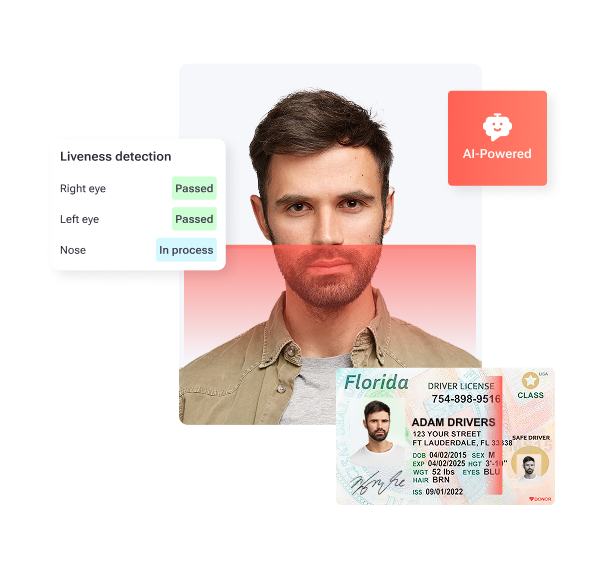
TenantEvaluation maps directly to this capability set. Lease Tracking delivers items 1 through 9 inside one connected platform, and IDVerify+, a biometric identity verification tool embedded in the screening workflow, strengthens item 8 by confirming applicant identity before approval decisions. Board-ready reporting in the Lease Tracking dashboard delivers item 10 through the same connected dataset. FCRA-compliant screening, backed by direct TransUnion and Equifax reseller relationships, underpins the entire compliance architecture.
HOA Lease Compliance Software Pricing Models
HOA and condo lease compliance software typically follows three pricing models. Subscription pricing charges a flat monthly or annual fee, often tiered by unit count, and published rates across the market range from under $100 per month for small communities to several hundred dollars per month for larger portfolios. Per-unit pricing scales directly with community size. Per-application pricing charges only when an application is processed and avoids upfront fees.
TenantEvaluation uses a pay-per-application model with no upfront fees. A revenue-sharing structure rebates a portion of collected application fees back to the association or management company, which turns the onboarding process into a controlled income stream instead of a cost center. This approach aligns TenantEvaluation’s incentives with client volume and long-term success.
Best Lease Management Software Choice For HOAs
For Florida condo and HOA managers evaluating automated lease compliance monitoring software, TenantEvaluation provides a purpose-built option. Broad property management suites like AppFolio and Vantaca focus on general portfolio operations, where lease compliance appears as a single feature inside a larger system. TenantEvaluation operates as a dedicated compliance layer that sits alongside an existing PMS, adding rental-cap enforcement, deep audit trails, and FCRA-first design that generic platforms rarely match.
Founded in 2007, TenantEvaluation serves more than 5,000 communities and processes approximately 100,000 applications per year. Its Florida-specific focus, direct TransUnion and Equifax reseller status, and board-ready dashboard distinguish it from competitors that address background screening or property management broadly without the community association compliance depth that CAMs and LCAMs require.
Self-Managed HOA Lease Compliance Requirements
Self-managed HOAs face the same statutory recordkeeping obligations as professionally managed communities, including the seven-year retention requirement under Chapter 720 and the audit-trail standards under Chapter 718. The difference is that a self-managed board lacks dedicated compliance staff to maintain those records manually.
TenantEvaluation serves both small, self-managed communities and large, enterprise-level management companies. For a self-managed HOA, the pay-per-application model removes upfront software costs that require board approval. For a management company running 15 to 50 associations, the centralized platform eliminates the per-community spreadsheet problem entirely. A compliance layer becomes practical when manual lease tracking consumes board volunteer hours, rental-cap enforcement varies across units, or an attorney has requested audit-ready records that do not yet exist in organized form.
Why A Compliance Layer Outperforms A Generic PMS
Generic property management software treats lease compliance as a secondary concern. Rental-cap enforcement, illegal short-term rental detection, and audit-ready documentation rarely appear as core design priorities in platforms built for broad multifamily or commercial property operations.
TenantEvaluation is built specifically for community associations and management companies. The board-ready dashboard, FCRA-first design, and direct TransUnion and Equifax reseller status form the core of the platform. Built-in audit trails for every application mean that when a board member or attorney requests documentation, the record already exists in an organized and timestamped format. The table below shows where a purpose-built compliance layer diverges from a generic PMS and from manual spreadsheets, and highlights that rental-cap enforcement, short-term rental detection, and audit-ready records remain absent or partial in both alternatives.
| Capability | TenantEvaluation | Generic PMS | Manual Spreadsheets |
|---|---|---|---|
| Real-time lease status visibility | Yes, active, pending, expired, missing | Limited | No |
| Rental cap enforcement automation | Yes | No | No |
| Illegal STR detection integration | Yes | No | No |
| Audit-ready digital records | Yes, built-in audit trails | Partial | No |
| FCRA-compliant screening foundation | Yes | Varies | No |
| Board-ready dashboard | Yes | Limited | No |
| Pay-per-application model | Yes, no upfront fees | Subscription | N/A |
TenantEvaluation capabilities sourced from company information. Generic PMS capabilities based on publicly available product documentation.
Frequently Asked Questions
What Is Automated Lease Compliance Monitoring Software?
Automated lease compliance monitoring software replaces manual spreadsheets with real-time lease tracking, automated rental-cap enforcement, and audit-ready compliance trails that keep every lease aligned with a community association’s governing documents. This software forms a distinct category from basic lease storage or general property management systems. The platform converts governing-document rules into automated checks, flags exceptions before they become violations, and preserves timestamped records for board reporting and legal proceedings.
How Does Rental Cap Enforcement Work In HOA Software?
Rental cap enforcement software ingests the association’s governing documents and converts rental restrictions, including per-unit caps, annual lease limits, minimum lease terms, and frequency limits, into automated validation logic. When a new lease application is submitted, the system checks it against those rules before the application advances. Exceptions appear immediately for manager review. Waitlist management runs inside the same workflow, which keeps the queue current and documented. This approach replaces manual cross-referencing of spreadsheets against governing documents, a process that consumes time and introduces errors that create enforcement liability.
Can Lease Compliance Software Integrate With Our Existing Property Management System?
TenantEvaluation’s Lease Tracking works alongside existing property management systems as a purpose-built compliance layer rather than requiring replacement of the core PMS. The compliance layer handles rental-cap enforcement, audit trail generation, lease document collection, and board-ready reporting. The existing PMS continues to manage accounting, owner statements, and unit data. This integration model allows associations to add automated lease compliance monitoring without a full platform migration.
Is TenantEvaluation Suitable For Self-Managed HOAs?
TenantEvaluation serves both small, self-managed communities and large, enterprise-level management companies, and the pay-per-application pricing model carries no upfront fees. Self-managed boards face the same Florida statutory recordkeeping obligations as professionally managed associations, and the compliance layer provides audit-ready documentation and automated tracking that volunteer boards struggle to maintain manually. The platform scales from a single self-managed community to a portfolio of 50 or more associations without additional headcount.
The Definitive Compliance Layer For Florida Community Associations
Automated lease compliance monitoring extends far beyond simple lease tracking. The software enforces rental caps, detects unauthorized short-term rentals, and produces audit-ready records on demand for boards and attorneys. TenantEvaluation delivers a purpose-built compliance layer for Florida condo and HOA managers, designed from the ground up with FCRA compliance at its core.
Talk With TenantEvaluation About Your Compliance Workflow
