
Last updated: January 27, 2026
Key Takeaways
- Florida HOAs face rising fees, and HB 1203 mandates that require automated tenant screening for compliance and efficiency, cutting processing from days to minutes.
- Automated protocols connect ID verification, income checks, background screening, and board dashboards while maintaining FCRA and Statute 720 compliance.
- AI-driven tools outperform manual processes and generic software by handling HOA-specific workflows, reducing administrative time by up to 70%, and lowering security risk.
- Implementation customizes forms for community rules, generates revenue through application fees, and creates audit trails for regulatory transparency.
- Over 5,000 communities use Tenant Evaluation to turn screening into a profit center, so schedule your demo today.
HB 1203: How New Rules Push Florida HOAs Toward Automation
Florida House Bill 1203, effective January 1, 2025, fundamentally changed HOA operations by requiring HOAs with 100 or more parcels to maintain official websites that provide access to governing documents, budgets, contracts, insurance policies, minutes, and meeting notices within 30 days of creation or receipt. This digital transparency requirement goes beyond simple document hosting and creates a framework for automated compliance that directly shapes tenant evaluation.
The legislation’s password-protected owners’ areas create a secure infrastructure that mirrors the security needs of tenant screening data. HOAs in Miami, Tampa, and Orlando process over 100,000 applications each year, so manual verification has become unsustainable. Community Association Managers (CAMs) report administrative loads that consume more than 50 hours of staff time daily on document review, follow-ups, and compliance checks.
Automated verification protocols solve these problems by digitizing the entire tenant evaluation workflow. The system manages everything from initial application intake through final board approval and keeps Florida Statute 720 compliance on track while cutting processing times from days to minutes. Associations that adopt automated protocols also create new income streams and remove many of the operational costs tied to manual processing.
Schedule a demo today to see how automated verification protocols can reshape your HOA’s tenant evaluation process.
Core Components of Modern HOA Verification Protocols
Automated verification protocols create a complete digital framework for tenant screening while staying aligned with Florida statutes. These protocols include intelligent application forms, identity verification (IDverify), income evaluation (IncomeEv), comprehensive background screening (SafeCheck+), and board-focused dashboards (QuickApprove).
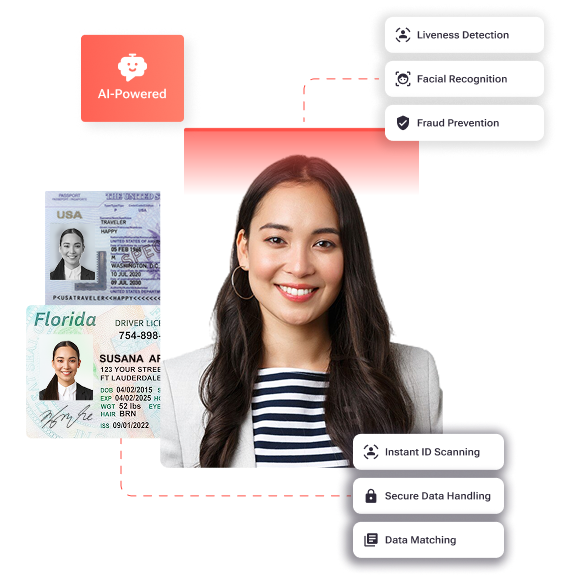
The protocol framework maps directly to statutory requirements, so each verification stage aligns with Florida Statute 720, HB 1203 transparency rules, and FCRA standards. Personally identifiable information (PII) is redacted automatically, which shields associations from data breach liability while preserving the audit trails regulators expect.
|
Protocol Stage |
Key Components |
Statute Alignment |
TenantEvaluation Feature |
|
Application Intake |
Online forms, Property Code entry |
HB 1203 records access |
Intelligent logic, multilingual AI |
|
Automated Checks |
ID/income/background verification |
FCRA, Statute 720 |
IDverify, IncomeEv, SafeCheck+ |
|
Board Review |
Dashboards, voting panels |
HB 1203 transparency |
QuickApprove |
|
Record Retention |
Audit trails, secure storage |
Statute 720.303 |
PCI Level 1 encryption |
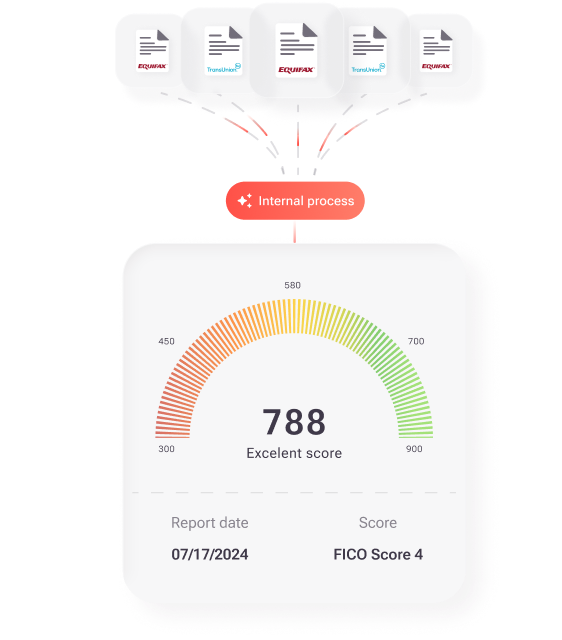
FCRA compliance sits at the center of these protocols. Direct credit bureau reseller relationships with TransUnion and Equifax support accurate data and avoid the scraping vulnerabilities that affect many screening services. Automated adverse action workflows keep every decision aligned with legal requirements from start to finish.
Schedule a demo today to see how these protocol components can match your community’s specific rules.
2026 Market Shift: AI, Rising Fees, and Florida HOA Demands
The Florida HOA market in 2026 has moved strongly toward specialized automation platforms. Average HOA fees rose 8% to a median of $135 per month in 2025, and coastal cities like Miami now average more than $600 per month, so boards feel pressure to deliver efficient operations that manual processes cannot match.
Traditional property management software, such as Buildium and AppFolio, does not focus deeply on HOA tenant evaluation. These systems treat HOA screening as a side feature instead of a core function. The market has responded with purpose-built tools that support board voting workflows, Florida-specific compliance, and revenue-sharing models tailored to community associations.
Artificial intelligence now plays a central role in managing the volume and complexity of tenant evaluation. AI-powered document review spots incomplete applications, validates identity documents, and flags likely compliance issues before staff review. This approach reduces the workload on CAMs and improves accuracy and consistency across applications.
Gaps in older solutions remain significant. Manual processes that rely on spreadsheets and email increase administrative time by 40 to 60 percent compared with automated workflows and create bottlenecks that slow approvals and frustrate applicants. Legacy systems often lack built-in screening, which forces associations to stitch together several third-party providers with uneven data quality and security.
Schedule a demo today to learn how TenantEvaluation’s AI-driven platform processes more than 100,000 applications each year with strong accuracy.
Putting Protocols to Work in Daily Tenant Evaluation
Effective implementation of automated verification protocols starts with tailoring the system to each community’s rules. Credit score minimums, lease term limits, pet policies, and electric vehicle charging rules all need to be built into the intelligent form logic so the application collects accurate data from the first step.
The applicant journey starts with a Property Code that connects the applicant to that community’s requirements. This code launches customized forms that adjust based on whether the person is a tenant, purchaser, or additional resident. Document requests change automatically, such as lease agreements for tenants, purchase contracts for buyers, and relationship verification for adult children or roommates.
Income verification moves beyond self-reported numbers through direct employer contact and bank statement analysis. This deeper review uncovers income fraud that manual checks often miss and protects associations from residents who cannot meet financial obligations. Background screening covers criminal records, eviction history, and reference checks with previous landlords and personal contacts.
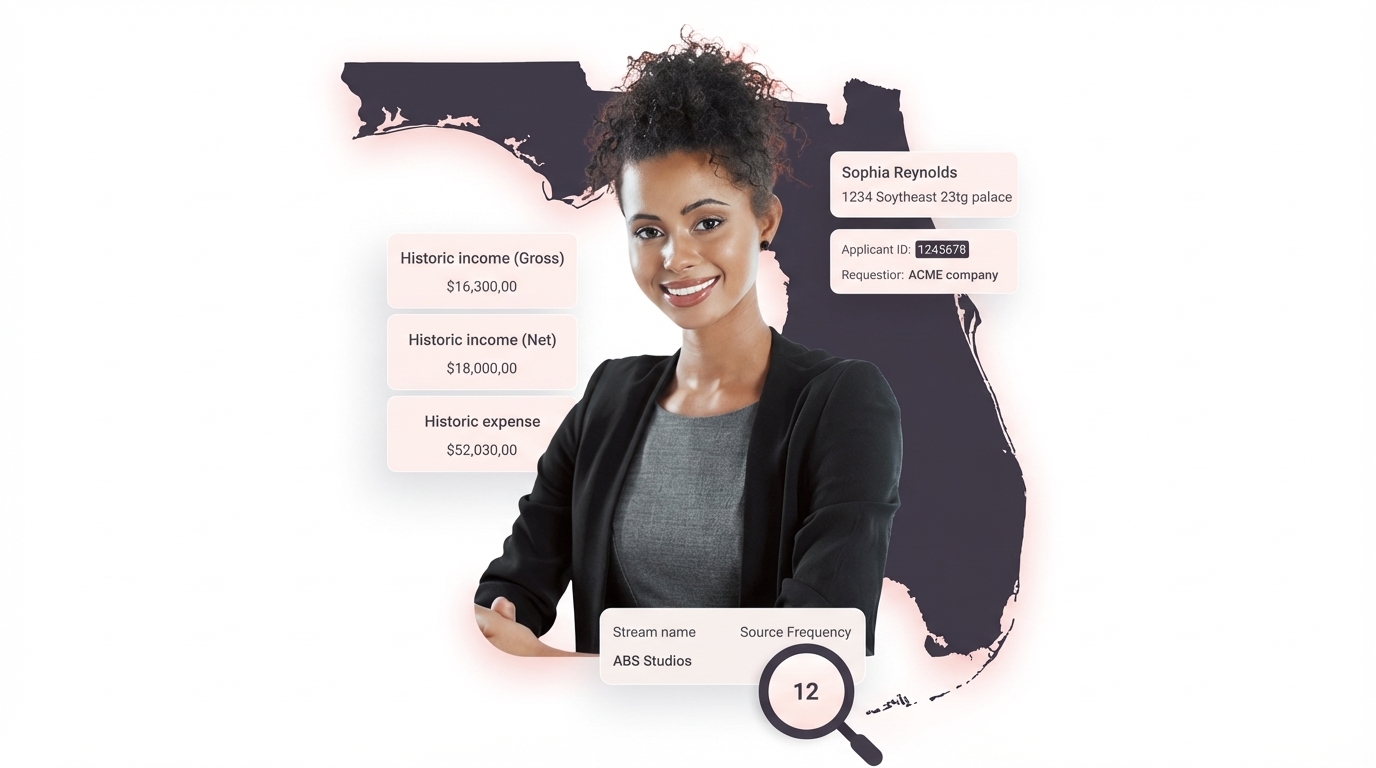
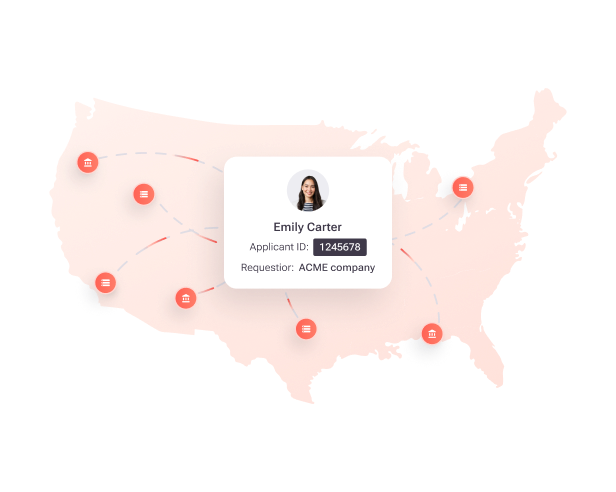
Board members access results through dashboards that present information in clear, digestible formats. AI-generated summaries call out key findings, risk indicators, and compliance status so board members can make informed decisions without digging through raw reports. Voting panels support electronic approvals and create full audit trails for regulators.

The revenue model turns tenant screening into a profit generator instead of a cost center. Application fees collected through the platform cover screening costs and create additional income for the association. This structure removes upfront software costs and ties platform success directly to the association’s financial performance.
Where Manual HOA Screening Breaks Down
Manual screening introduces multiple vulnerabilities that automated protocols remove. Manual HOA processes lack automation for tracking violations, collecting dues, and managing documents, which creates inefficiencies and potential non-compliance with timely reporting and resolution requirements. Document mishandling, missed deadlines, and incomplete applications frequently delay approvals and frustrate owners, tenants, and managers.
FCRA violations create serious legal exposure for associations that rely on non-compliant screening methods. Third-party data scraping services often lack proper permissible purpose controls and can expose associations to regulatory penalties and civil claims. Without integrated workflows, automated adverse action requirements become difficult to manage consistently.
Data security breaches pose a major threat when associations handle sensitive information manually. Paper files, email attachments, and unsecured file sharing create many points of vulnerability. Modern automated platforms address these risks with end-to-end encryption and PCI Level 1 compliance.
Many competitor platforms still offer fragmented tools that require several integrations and manual data transfers between systems. Each handoff increases the chance of errors and creates new security gaps. Comprehensive platforms that manage the full journey from application to approval remove these risks and deliver a smoother experience for applicants, managers, and board members.
The financial impact of inefficient screening reaches far beyond staff time. One Florida management company recorded $240,000 in yearly losses tied to manual processing delays, incomplete applications, and compliance failures. These losses grow over time as associations struggle to keep screening standards high while application volumes rise.
2026 Best Practices for HOA Screening Protocols
FCRA compliance should anchor every automated verification protocol. Direct credit bureau reseller relationships support accurate data and defensible decisions while keeping associations within legal guidelines. Automated adverse action workflows maintain consistent treatment across all applications and reduce the risk of human error.
Modern encryption standards now extend beyond basic SSL to full end-to-end protection for data at rest and in transit. PCI Level 1 compliance sets a high bar for payment security and protects application fees and financial data with bank-level safeguards throughout the screening process.
Board engagement works best with dashboards that translate complex screening data into clear, actionable views. Generic property management software rarely reflects the realities of HOA governance. Purpose-built tools provide voting panels, approval workflows, and audit trails that match how community association boards actually operate.
Revenue growth through automated fee collection and processing creates a sustainable way to fund ongoing platform use. Pay-per-application pricing aligns costs with actual volume and can generate additional income for associations. This model compares favorably with subscription tools that charge fixed monthly fees regardless of how many applications the association receives.
Integration with existing HOA management systems keeps data flowing smoothly between screening results and ongoing resident records. APIs and export tools prevent vendor lock-in and preserve flexibility as association needs change over time.
Schedule a demo today to put these best practices in place with TenantEvaluation’s proven platform.
Frequently Asked Questions
What are Florida HOA verification requirements under HB 1203?
HB 1203 requires HOAs with 100 or more parcels to maintain official websites that provide access to governing documents, budgets, contracts, insurance policies, minutes, and meeting notices. Associations must post document updates within 30 days of creation or receipt.
These rules createa digital infrastructure that supports automated tenant verification by establishing secure, password-protected areas for sensitive information. The law’s transparency focus also extends to tenant screening, which now benefits from clear audit trails and documented decision-making procedures.
How do automated protocols ensure tenant screening report accuracy?
Automated protocols improve accuracy through direct credit bureau reseller relationships with TransUnion and Equifax, which removes third-party data scraping that often introduces errors and compliance risk. Identity verification uses advanced document analysis to detect fraudulent IDs, and income verification relies on direct employer contact instead of only self-reported data.
Background screening covers criminal records, eviction history, and reference checks using comprehensive databases. AI-powered document review flags incomplete applications and missing details before human review, which shortens processing time and improves data quality.
What makes TenantEvaluation the best automated system for HOA tenant evaluation?
TenantEvaluation focuses exclusively on community associations and HOAs, so it delivers features such as QuickApprove dashboards for board voting, Florida-specific compliance protocols, and revenue-sharing models that remove upfront costs. The platform processes more than 100,000 applications each year across 5,000-plus communities and holds a 4.8 out of 5 Google rating.
FCRA compliance forms the base of the system with direct credit bureau relationships and automated adverse action workflows. The platform manages everything from intake through final approval and record retention, which removes the need for several separate integrations.
What are the key differences between manual and automated HOA verification protocols?
Manual protocols often require 5 to 10 days for processing, involve heavy paperwork, and create many chances for errors and compliance failures. Automated protocols cut processing time to minutes and maintain complete audit trails with consistent standards.
Manual workflows can consume more than 50 hours of staff time daily for document review and follow-up, while automated systems free staff to focus on higher-value tasks. Security risks also rise with manual handling because paper forms and email attachments create multiple weak points that encryption and PCI Level 1 compliance remove.
How does automated income verification work for Florida HOAs?
Automated income verification moves beyond self-reported figures through direct employer contact and bank statement analysis. The IncomeEv system reaches out to employers to confirm employment status, salary, and length of employment, which provides more reliable data than pay stubs alone.
Bank statement analysis highlights income patterns and potential fraud indicators that manual review often misses. This thorough approach protects associations from tenants who cannot meet financial obligations and maintains FCRA compliance throughout the process.
Conclusion: Turning Compliance Pressure into HOA Revenue
Automated verification protocols give Florida HOAs a practical way to handle rising compliance demands, higher operating costs, and growing application volumes. The combined weight of HB 1203 transparency rules, Florida Statute 720 obligations, and FCRA regulations creates a complex environment that manual processes rarely manage well.
TenantEvaluation’s specialized platform addresses these pressures with automation that cuts processing time by about 70 percent and generates measurable revenue for associations. The platform’s focus on community associations, instead of generic rentals, means features such as QuickApprove dashboards and Florida-specific compliance tools match real HOA governance needs.
The financial upside reaches beyond efficiency gains and includes significant revenue from application fee processing and revenue-sharing models. More than 5,000 communities have generated over $150 million through automated tenant evaluation protocols, which shows how screening can shift from a cost center to a profit generator.
Schedule a demo today to see how automated verification protocols can secure compliance, reduce administrative work, and create new revenue for your Florida HOA.