
Managing HOA applications manually can drain time and resources while risking compliance issues. Here, we share seven actionable tips to adopt automated systems, improve efficiency, ensure Florida-specific compliance, and increase satisfaction for HOAs and Community Association Managers (CAMs).
Why Automating HOA Applications Matters in Florida
For CAMs and Board of Directors in Florida, sticking to manual, paper-based application processes creates unnecessary challenges. Whether in Miami’s condos or Orlando’s subdivisions, HOAs face growing paperwork, compliance risks, and frustrated residents due to delays.
Today’s community management demands far outweigh what manual methods can handle. Inefficient processes often compound issues for managers buried in forms, boards lacking clear data, and applicants waiting too long for responses.
Picture a manual workflow: a prospective resident submits a paper application, staff manually check documents, and approvals stall due to scheduling conflicts. This slow process wastes time and heightens risks of errors or security gaps.
In Florida’s fast-paced real estate market, responsiveness sets communities apart. Automated systems are now a must-have to stay competitive. See how TenantEvaluation can streamline your workflow and tackle these ongoing hurdles.
Florida’s strict regulations for associations add another layer of complexity. Manual approaches often miss critical requirements, but automation builds compliance into every step, aligning with state laws and local bylaws.
7 Key Tips for Automating HOA Application Processes
1. Map Out Current Processes to Spot Weaknesses
Start by examining your existing application process in detail. Map each stage from submission to approval, pinpointing delays, repeated steps, and frequent errors that slow things down.
Analyzing workflows helps uncover inefficiencies that automation can fix. Common issues include redundant data entry, lost documents, manual ID checks, and delayed approvals.
Involve your team to document how applications move through the system from both staff and applicant views. Count the steps involved, time spent on manual tasks, and where applications often get stuck. Focus on areas requiring multiple tools or physical handling of sensitive data.
For instance, many HOAs find a single application touches 15 to 20 points, with staff spending hours per case on tasks automation could handle. Across dozens of applications yearly, that’s hundreds of hours better spent on community priorities.
Outdated systems limit growth potential as communities expand. Document smooth operations and recurring hiccups to build a strong case for automation.
2. Choose Tools That Handle Florida’s Compliance Rules
Florida’s regulations for HOAs, under Statutes 718 and 720, create a tricky landscape for manual processes. Automation should include built-in compliance features to match state and community-specific rules.
Requirements span background checks, financial disclosures, document retention, and local bylaws. Manual tracking often leads to costly oversights, like missing paperwork or uneven rule application.
Look for systems with Florida-tailored compliance tools. Key features include automatic document checks against state standards, customizable workflows for tenant or buyer applications, and alerts for required disclosures.
Non-compliance can bring legal trouble or penalties during audits. A system with compliance safeguards offers protection and keeps records ready for review.
Opt for platforms that stay updated with Florida’s changing laws, adjusting workflows automatically. This saves CAMs from manually tracking updates across regions.
3. Automate Document Collection for Faster Turnaround
Gathering and verifying documents eats up time in manual setups, often needing multiple follow-ups. Automation uses smart forms and instant checks to ensure complete submissions before review.
Systems with dynamic forms adapt to applicant answers, collecting only relevant data. For example, requirements shift based on whether someone is renting or buying, streamlining the process.
Automation cuts down processing effort significantly, with some reducing turnaround by up to 70%. Incomplete submissions are flagged early, sparing staff repetitive follow-ups.
Automated checks verify leases, IDs, and financial records for completeness and authenticity. Applicants get instant feedback on errors, avoiding delays from manual reviews.
Manual document reviews create unnecessary bottlenecks that automation removes. Systems can also redact personal data, protecting privacy while meeting review needs.
4. Use Detailed Screening for Better Decisions
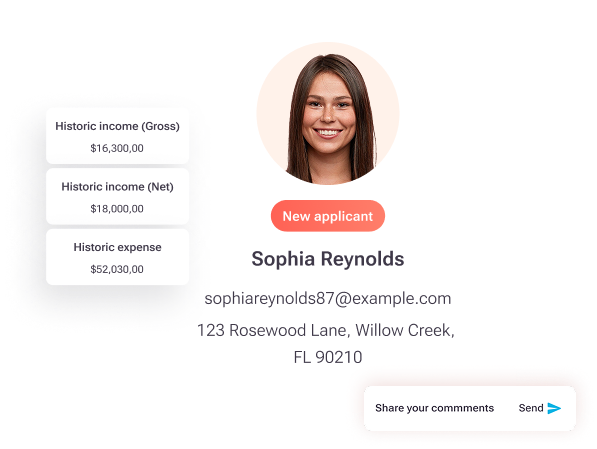
Community safety and stability rely on thorough applicant screening beyond simple background checks. Automated tools offer insights from criminal records, income verification, credit history, and eviction data.
These systems pull from nationwide databases, verify employment directly, and provide full credit reports. Boards gain clear, factual data to evaluate applicants fairly.
Incomplete data often hinders board decisions, risking approvals of problematic applicants or rejections of qualified ones.
Income checks confirm earnings beyond self-reported figures, crucial in Florida’s varied economy with seasonal or retirement income. Automation ensures consistency here.
For example, automation might catch an out-of-state eviction a manual check misses, helping boards avoid future issues. This level of detail protects community interests.
5. Boost Board Involvement with Easy-to-Use Dashboards
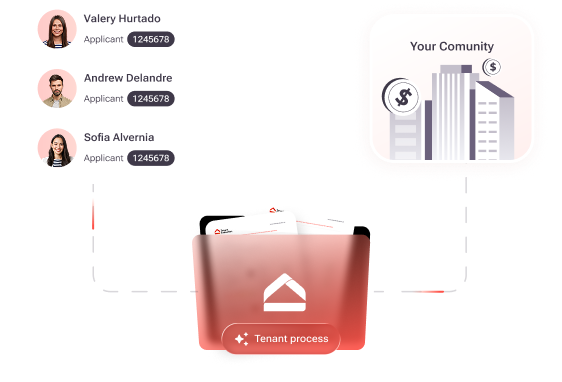
Manual processes often hide application details from boards, slowing decisions. Dedicated dashboards give real-time access to data, voting tools, and clear audit trails.
Lack of visibility delays approvals and rule consistency. Boards struggle without timely, organized information.
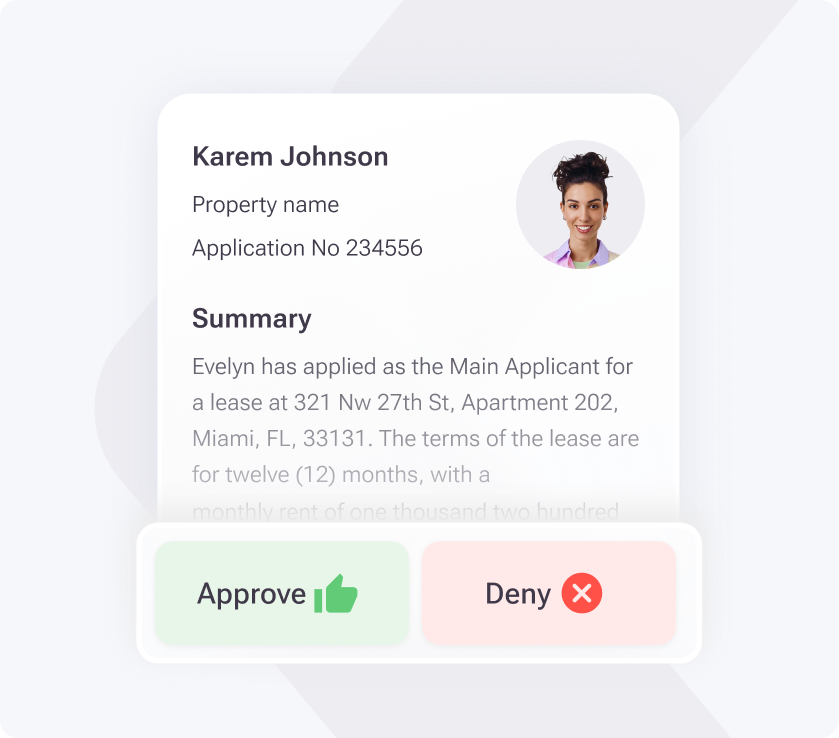
Automated dashboards summarize applications, screening results, and documents in a simple format. Boards review and vote anytime, anywhere, cutting delays.
Voting tools track decisions securely, documenting every action for accountability. This speeds up approvals while maintaining oversight.
Transparency benefits everyone with status updates for applicants and managers, reducing inquiry calls. Slow, unclear processes frustrate stakeholders, but automation keeps everyone in the loop.
6. Focus on Data Security and Privacy Protection
Manual handling of personal and financial data poses serious risks. Automated systems offer high-level security with encryption, redaction, and strict access controls.
Paper forms with sensitive details are easily lost or accessed improperly. Automation reduces these vulnerabilities with secure storage and activity logs.
Manual data handling increases breach risks, especially with multiple people involved. Digital solutions limit access and encrypt information.
Look for systems meeting top security standards, like PCI Level 1, and redacting personal data automatically. Audit trails log all activity for accountability during reviews or disputes.
Compliant screening and record-keeping protect against legal claims by showing consistent processes.

7. Pick Systems with Revenue Options and Constant Support
Automated systems can shift application processing from a cost to a benefit. Features like fee collection, shared revenue models, and 24/7 support add value.
Automatic fee collection ensures payments are made on time without manual tracking. This saves effort and secures funds before processing starts.
Automation simplifies financial tasks with integrated reporting and reduced errors. Staff time freed up can focus on other priorities.
Some platforms share revenue from fees, turning processing into a potential income source. Plus, cutting 30-40 weekly hours of admin work translates to real savings.
Round-the-clock, multilingual support helps applicants and staff anytime, especially in Florida’s diverse market. AI chat handles simple queries, freeing staff for bigger tasks.
Getting the Most Value from Automation
Automating HOA applications takes more than swapping paper for digital. Success comes from integrating workflows, training staff, and tracking results for lasting gains.
Plan data migration carefully to keep past records accessible while new applications go digital. Train staff not just on system use, but on redirecting saved time to community goals.
Track metrics like processing speed, time saved, compliance accuracy, and resident feedback. Reviewing these helps measure automation’s impact and spot areas to improve.
Explore how automation can boost efficiency and reduce costs for your community.
|
Feature |
Manual Process |
TenantEvaluation |
Benefit |
|
Document Collection |
Physical submission, frequent follow-ups |
Online collection with smart forms |
Up to 70% faster processing |
|
Compliance Tracking |
Manual lists, error-prone |
Florida-focused automated checks |
Ready for audits, lower risks |
|
Board Reviews |
Email delays, scheduling issues |
Dashboard with instant voting |
50% quicker approvals |
|
Data Security |
Paper risks, access issues |
Top-tier encryption, redaction |
Better protection, compliance |
Common Questions About Automation
How Does Automation Align with Florida’s HOA Rules?
Automated systems build Florida Statutes 718 and 720 into their workflows, ensuring compliance at every step. They enforce background check standards and flag incomplete submissions automatically.
Communities can add specific bylaws to the system, meeting both state and local requirements. Audit trails log all actions, providing proof of proper handling during reviews.
These platforms also update with regulatory changes, keeping processes current without manual effort from staff.
How Do Automated Systems Support Board Decisions?
Dashboards in automated systems give boards instant access to full applicant data, from screening results to documents, in an easy format. This cuts through manual review hassles.
Boards can review and vote remotely anytime, speeding up approvals without losing oversight. Detailed screening data ensures decisions rest on solid facts.
Voting logs create clear records of all actions, protecting against claims of unfairness. Analytics also help boards track trends for long-term planning.
What Support Comes with Automated Systems?
Implementation starts with tailored guidance to match community needs. Ongoing 24/7 AI chat and multilingual support address questions instantly, vital for Florida’s diverse residents.
Training covers system use and updates, while data migration ensures past records transfer smoothly. Regular maintenance keeps systems secure without disrupting operations.
What Savings Can HOAs Expect from Automation?
Automation often cuts application processing time by 50 to 70%, freeing up 35 to 50 staff hours weekly for other tasks. Financial savings can reach $10-15 per application.
One community saved $240,000 yearly by reducing staff time and halving processing delays. Avoiding compliance fines adds further cost benefits.
Fee collection automation and revenue-sharing options can turn processing into a financial plus, offsetting system costs over time.
How Is Data Handled During the Switch to Automation?
Transition plans map out data migration, keeping past records accessible for compliance and reference. Parallel processing lets manual systems run alongside setup, avoiding disruptions.
Digitization converts paper files into secure digital formats. Staff training ensures easy access to historical data, while backups protect against loss during the switch.
Wrapping Up: Automation Is the Way Forward for HOAs
Manual HOA application processing no longer meets today’s demands. It wastes staff time and risks legal issues in a complex environment.
Automation solves these problems with faster document handling, built-in compliance, and efficient board reviews. It allows staff to focus on community growth instead of paperwork.
Compliance features reduce legal exposure by aligning with Florida’s rules and keeping clear records. Cost savings and potential revenue from fees add direct financial value.
Everyone benefits: managers work more efficiently, boards decide faster with better data, and applicants experience a smoother process that reflects community quality.
In Florida’s evolving market, automation offers a clear edge. Communities adopting it gain operational strength, while others risk falling behind.
Want to improve your HOA’s application process and save time? Request a demo with TenantEvaluation to streamline operations and enhance compliance.