
Key Takeaways
- Automated document verification reduces manual workload for Florida condos and HOAs, speeding up approvals and lowering administrative stress for CAMs and board members.
- AI-driven screening improves accuracy, fraud detection, and consistency across applications, which supports fair housing compliance and reduces legal risk.
- Secure digital workflows protect sensitive applicant data better than paper-based systems by minimizing human access and providing detailed audit logs.
- Clear implementation steps, including configuration, training, and integration with existing tools, help communities overcome common adoption challenges.
- Tenant Evaluation offers Florida-focused automated ID, income, and background verification; schedule a demo to see how the platform can support your association.
Why Automated Document Verification Matters for Florida HOAs and Condos
Florida associations face rising application volumes, tighter timelines, and more complex regulations. Manual screening creates delays, inconsistent decisions, and higher risk exposure for CAMs and boards.
Paper files and email chains slow down approvals and increase the chance of misplaced or incomplete documents. These delays extend vacancy periods, frustrate applicants and realtors, and drain staff capacity that could support resident services.
Automated document verification replaces those manual steps with a consistent, trackable process that improves compliance, reduces errors, and helps communities approve qualified residents more quickly.
What Automated Document Verification Includes in Tenant Screening
Automated document verification uses secure digital tools, artificial intelligence, and integrated databases to confirm applicant information in real time. Instead of manually checking each form, CAMs and boards receive a clear, organized package of results.
This workflow typically combines identity checks, income verification, background screening, and review of required association documents into a single online process tailored to each community.
Key Components of an Automated Screening Workflow
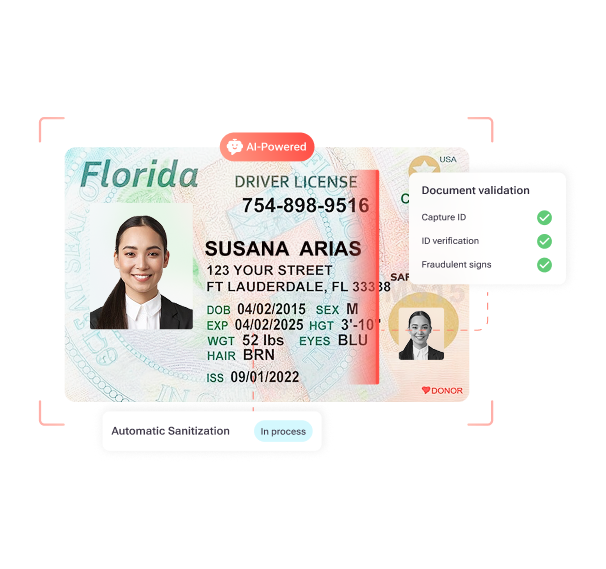
ID verification solutions such as Tenant Evaluation’s IDVerify authenticate government-issued IDs, flag forgeries, and automatically redact sensitive data while maintaining PCI Level 1 compliance.
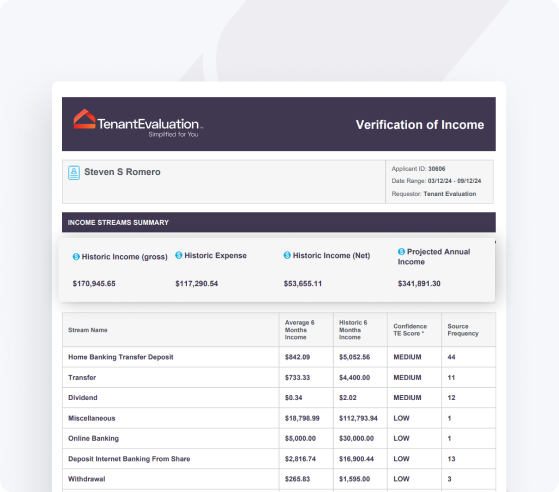
Lease and income verification tools, including Tenant Evaluation’s IncomeEV report, validate employment, income stability, and rental history, using verified data sources rather than relying only on documents uploaded by applicants.
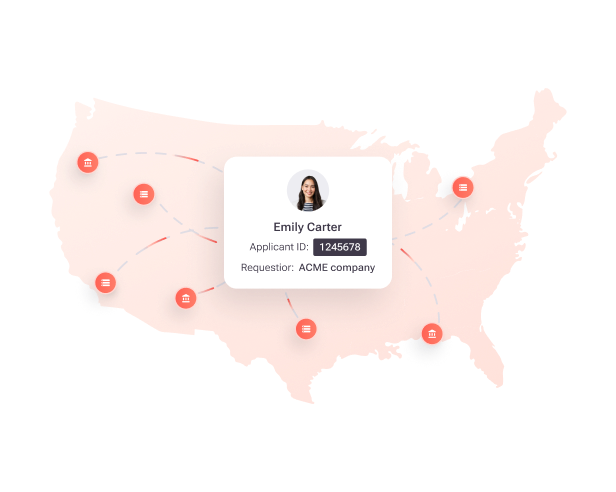
Background screening with platforms such as Tenant Evaluation’s SafeCheck+ runs criminal, eviction, and related checks while maintaining FCRA compliance and creating a thorough audit trail for each decision.
Schedule a demo to see how these components work together in a single workflow for your association.
Benefits for Florida Property Managers and Boards
Faster Applications and Approvals
Automation can cut processing times from days to minutes, which keeps units occupied and reduces approval backlogs. Tenant Evaluation’s platform often reduces application cycles by up to 70 percent, which can free dozens of staff hours per day for higher value tasks.
Improved Compliance and Reduced Risk
Automated criteria ensure that each application is evaluated consistently, which helps reduce bias and support fair housing compliance. Tenant Evaluation’s SafeCheck+ creates detailed audit logs and supports FCRA and Florida-specific requirements, giving boards documentation to rely on if decisions are challenged.
Greater Accuracy and Stronger Fraud Detection
AI-based tools build more complete tenant profiles, and fraud detection models flag suspicious documents and patterns. These capabilities help associations avoid approvals based on false pay stubs, altered ID cards, or inconsistent application details.
Better Experience for Applicants and Boards
Online applications allow residents and realtors to submit information from any device and track status without repeated phone calls. Board members can use tools such as Tenant Evaluation’s QuickApprove dashboard to review summaries, vote, and document decisions in one place.
How AI Enhances Screening Beyond Basic Checks
AI tools can summarize applicant details, review income patterns from bank statements, and highlight issues in references that may be hard to catch manually. These insights help boards understand not only whether an applicant meets minimum criteria, but also how stable their situation appears over time.
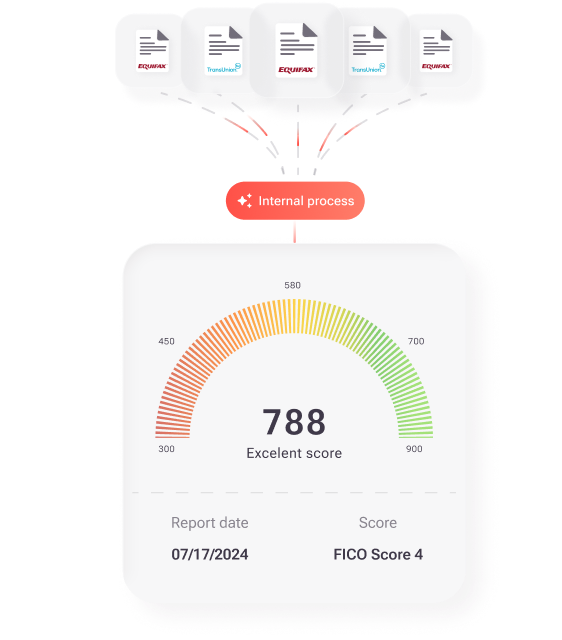
Cross checking information against employment, income, and rental history databases adds another layer of confidence. Over time, machine learning models improve their risk assessments by learning from past decisions and outcomes.
Steps to Implement Automated Verification in Your Association
Choosing a Florida-Focused Platform
Florida communities benefit from vendors that understand local laws, rider requirements, and common governing document structures. The selected platform should support:
- PCI Level 1 compliance and strong encryption
- Automatic redaction of sensitive data
- Integrated ID, income, and background checks
- 24/7 multilingual support for residents and realtors
Integrating With Operations and Workflows
Effective rollouts start with configuring association rules, approval paths, and document lists for each community. Tenant Evaluation uses dynamic forms that adjust to applicant type, such as owners, tenants, and occupants, and to community specific rules.
Boards gain smoother adoption when they provide short training sessions, clarify who reviews which parts of each file, and connect the screening platform to existing property management software where possible.
Request a guided walkthrough to see how this configuration can look for your portfolio.
Common Challenges and Practical Solutions
- Initial setup concerns: Dedicated implementation teams can map existing paper processes into digital forms and workflows, which allows associations to launch without interrupting daily operations.
- Varied document formats: Robust AI models trained on many document types recognize most IDs, pay documents, and leases used in Florida, and they update regularly as formats change.
- Data privacy expectations: Platforms with bank level security, encrypted storage, and role based access controls help associations exceed resident privacy expectations.
- Changing bylaws and rules: Flexible configuration lets managers update criteria and approval paths quickly, without rebuilding the entire system.
Frequently Asked Questions (FAQ) About Automated Document Verification
What documents can automated systems verify for tenant screening?
Most platforms can verify government IDs, income statements, bank records, credit reports, criminal records, association forms, and rental histories. Systems cross check details against trusted databases to confirm authenticity and flag inconsistencies or likely fraud.
How does automated document verification support compliance for HOAs and condos?
Automated screening applies the same rules to every file, which supports fair housing and association policy compliance. Audit trails, time stamps, and redacted document storage give boards clear records to reference if applicants question a decision.
How much faster is automated screening compared with manual review?
Digital workflows perform checks in parallel, so many communities experience a shift from multi day reviews to same day or even same hour decisions. Tenant Evaluation often reduces total application cycle times by as much as 70 percent, while cutting staff time spent on data entry and follow up.
What role does AI play beyond standard background and credit checks?
AI reviews patterns in income, employment gaps, payment history, and application inconsistencies. These models help identify higher risk files earlier in the process so boards can focus attention where it matters most.
How secure is automated document verification for sensitive information?
Modern platforms use PCI Level 1 controls, encryption in transit and at rest, and detailed access logs. These safeguards limit who can view applicant details and provide better protection than paper files or email based workflows.
Conclusion: A More Efficient Path to Resident Approvals
Automated document verification gives Florida condos and HOAs a clear way to modernize screening in 2026. Associations gain faster approvals, more consistent decisions, stronger fraud prevention, and better protection of resident data.
Tenant Evaluation focuses on the needs of Florida communities, with tools that have supported more than 100,000 applications and helped associations generate substantial revenue from efficient, compliant onboarding. Schedule a Tenant Evaluation demo to see how your board can simplify screening while maintaining control over every approval.