Written by: Luis Teran, Co-founder, CEO, TenantEvaluation | Last updated: July 10, 2026
Key Takeaways
- Manual condo and HOA application processes in Florida create delays, documentation gaps, and compliance risks that automated platforms can resolve.
- Automated background checks combine consent collection, biometric ID verification, FCRA-compliant screening, and board-ready dashboards to dramatically reduce processing time.
- The 7-step digital workflow covers everything from property code creation and document submission to lease tracking, eliminating email chains and spreadsheets.
- Built-in tools like IDVerify, QuickApprove, and 55+ Communities Verification provide fraud protection, faster board decisions, and standardized age-restricted documentation.
- TenantEvaluation centralizes the entire resident journey in one FCRA-compliant platform; schedule a demo today to see how it streamlines your community’s application process.
How Automated HOA and Condo Background Checks Work
Automated background checks for community associations use a digital workflow that collects applicant consent, verifies identity, runs FCRA-permissible credit and criminal reports, routes results to a board dashboard, and archives every action in an audit-ready record. This process removes manual handoffs between email, spreadsheets, and paper forms. Under Section 604(a) of the FCRA (15 U.S.C. § 1681b), a consumer reporting agency may furnish a consumer report only when the consumer authorizes it in writing with clear and specific language, or when the requester holds a recognized permissible purpose. Automation enforces that requirement at the point of submission, before any data is pulled.
AI-powered screening services parse applications and generate a recommendation in minutes. A human reviewer typically needs 30 to 45 minutes for the same work, which means screening time can drop by up to 75%. Large apartment complexes using automated platforms typically complete background checks within 24 to 72 hours, while manual verification can take several business days. The following section explains how TenantEvaluation delivers these time savings across the full resident journey, from application to lease tracking.
The 7-Step Automated Resident Journey in Florida
Step 1: Property Code Setup and Account Creation
The association issues a unique Property Code to the applicant or their realtor. The applicant creates or logs into a TenantEvaluation account, and the platform immediately loads the community’s Florida-specific screening criteria. These criteria include credit score thresholds, required documents, and deposit rules configured from the association’s governing documents.
Step 2: Digital Application and Document Submission
Applicants complete the entire application online via web or mobile and upload the executed lease, government-issued ID, and any community-required documents. Intelligent form logic adjusts required fields based on applicant type, such as tenant, purchaser, or additional adult resident. The system rejects incomplete submissions automatically, which removes the back-and-forth that consumes manager hours. Secure online payment of the application fee is collected at this stage.
Step 3: Biometric Identity Verification with IDVerify
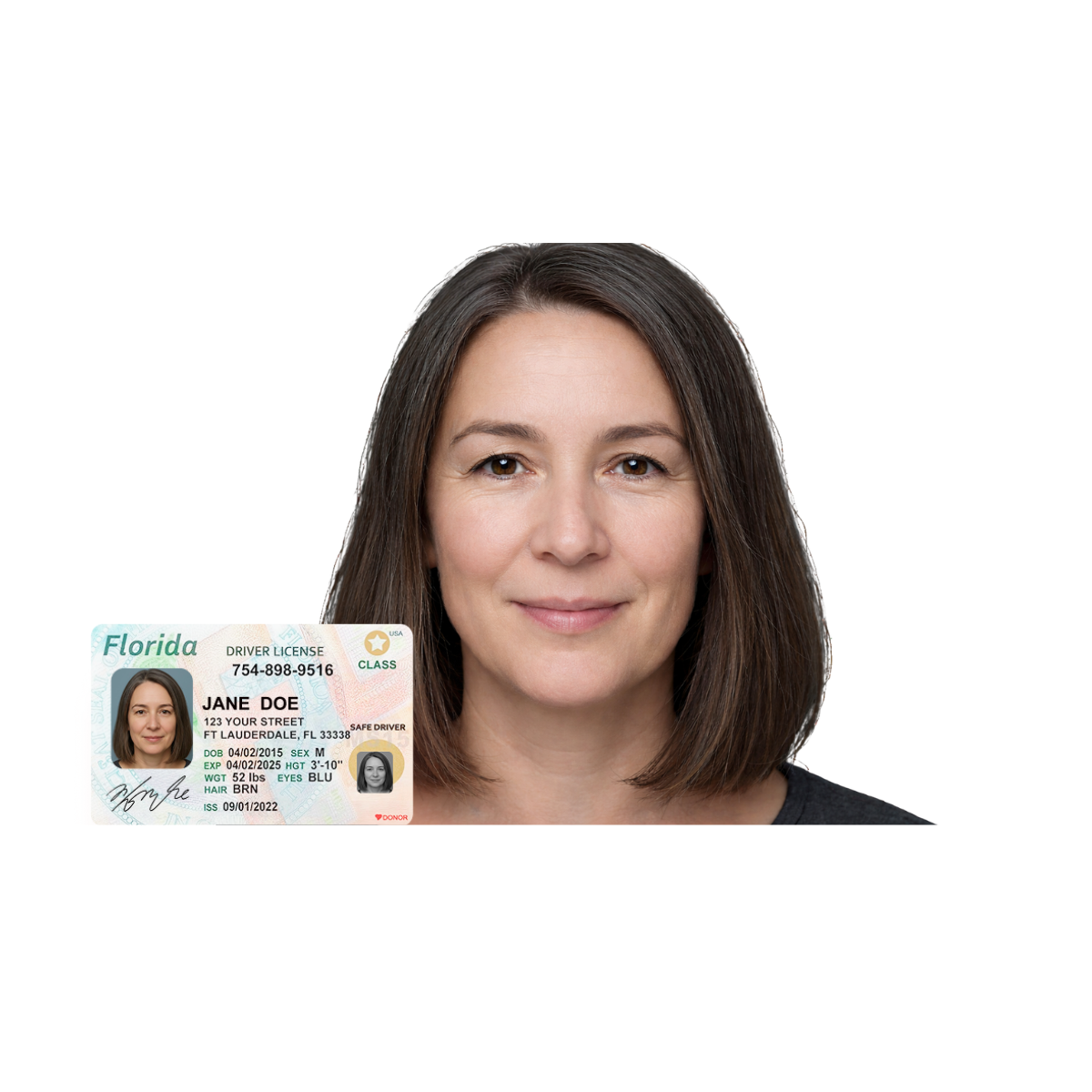
The applicant completes a guided biometric verification step before the application proceeds to screening. IDVerify validates the government-issued ID for authenticity, runs AI-powered liveness detection to confirm physical presence, and performs facial landmark biometric matching between the live selfie and the ID photo. All of this occurs natively inside TenantEvaluation, with no external portal redirect.
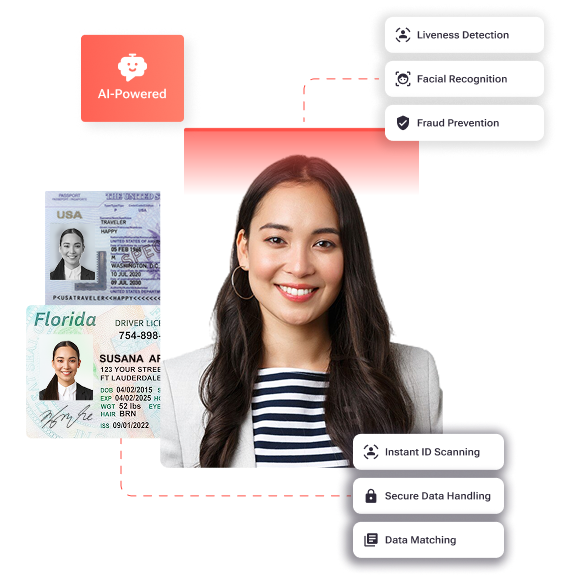
This step matters because document verification is a point-in-time check that offers no fraud protection beyond onboarding. Synthetic identity fraud, which merges real data such as a Social Security Number with fabricated details, requires layered methods including document and liveness checks plus multi-source PII cross-referencing. IDVerify also strengthens permissible-purpose validation by confirming identity before screening authorization, which reinforces FCRA-aligned audit defensibility.
Step 4: FCRA-Compliant Background Screening with SafeCheck+
With consent confirmed and identity verified, TenantEvaluation’s SafeCheck+ solution runs a comprehensive screening package. This package includes nationwide and global criminal records, sex offender registry, FBI Most Wanted, eviction history, and a credit report sourced directly from TransUnion and Equifax as a licensed reseller, not through third-party scraping. It also includes income and employment verification and reference checks. When an association takes adverse action based on a consumer report, it must provide the applicant an adverse action notice. TenantEvaluation automates that workflow and closes a common compliance gap in manual processes.
Step 5: Board Review and Voting with QuickApprove
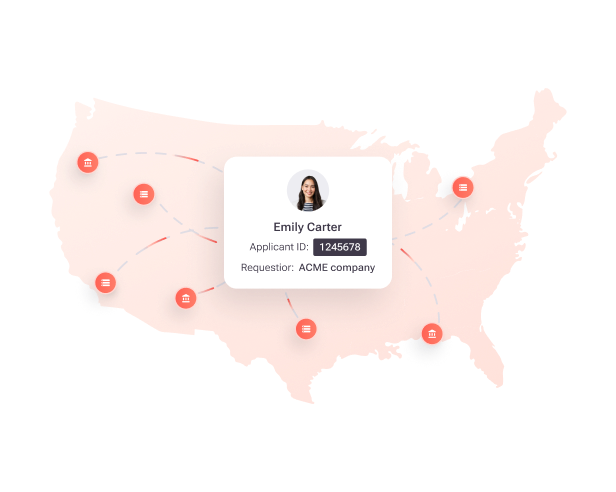
QuickApprove routes the completed, verified application to a board-ready dashboard. Board members access AI-generated applicant summaries that provide the context needed to cast informed, timestamped votes. Once the board reaches a decision, the platform triggers automated communication such as approval letters, welcome packages, and status updates.

These automated steps eliminate email chains and manual follow-ups that typically delay move-in. This accelerated approval workflow is built for CAMs, boards, and property management teams that manage high-volume seasons and complex onboarding requirements. It preserves board oversight and compliance review while keeping every action inside one connected platform.
Step 6: 55+ Age-Restricted Documentation for Florida Communities
For Florida age-restricted communities, 55+ Communities Verification standardizes how age-restricted requirements are handled across applications. The feature reduces manual work, improves documentation consistency, and strengthens internal processes for CAMs and boards managing these communities. 55+ Communities Verification is built specifically for Florida condos and HOAs and improves operational efficiency while leaving legal guidance to qualified counsel.
Step 7: Lease Tracking and Occupancy Lifecycle Control
Once approved, the resident’s lease documentation flows directly into TenantEvaluation’s Lease Tracking capability. This creates centralized, real-time lease visibility and lifecycle control from application to occupancy. CAMs and boards see real-time lease status, including active, pending, expired, or missing leases, along with automated lease document collection and unit-level tracking.
The platform maintains a searchable digital history of lease records. This connection between resident onboarding, unit data, approvals, and lease documentation lives inside one audit-ready system and replaces spreadsheets and scattered email chains. Schedule a demo today and walk through the full 7-step workflow with a TenantEvaluation specialist.
Manual vs. Automated: Florida HOA Application Processing Compared
| Dimension | Manual Process | TenantEvaluation Automated Process | Source / Basis |
|---|---|---|---|
| Application processing time | 5–10 business days | 5–10 minutes to submit, decisions accelerated significantly | TenantEvaluation platform data; TenantCloud screening benchmarks |
| Identity verification method | Document upload reviewed manually | Biometric verification via IDVerify (see Step 3 for details) | Plaid identity verification analysis, July 2026 |
| FCRA adverse action workflow | Manual drafting; high error and omission risk | Automated adverse action notices built into platform | Florida HOA FCRA compliance guidance |
| Board voting process | Email chains, spreadsheets, no audit trail | Dedicated board dashboard with timestamped votes via QuickApprove | TenantEvaluation platform capabilities |
| 55+ documentation handling | Fragmented emails, PDFs, manual follow-ups | Standardized workflow via 55+ Communities Verification | TenantEvaluation platform capabilities |
| Lease management | Disconnected spreadsheets, missing copies, no occupancy visibility | Centralized, real-time Lease Tracking from onboarding to occupancy | TenantEvaluation platform capabilities |
| Staff time impact | High manual burden across all steps | Up to 50 hours of staff time freed per day | TenantEvaluation customer data |
| Credit data sourcing | Third-party or manual retrieval | Direct TransUnion and Equifax reseller, no gray-market sources | TenantEvaluation compliance positioning |
Florida HOA Background Check Compliance Essentials
Written authorization under the FCRA must be clear and specific, and language that merely notifies the consumer that reports “may be obtained” does not qualify. TenantEvaluation collects explicit, FCRA-compliant consent at the point of application submission, before any screening data is requested. Every action is timestamped in a built-in audit trail, and the platform maintains a clear separation between decision-making, which belongs to the association, and data provision, which TenantEvaluation handles. That separation supports FCRA defensibility.
HUD guidance cautions that blanket criminal-record exclusions can create disparate-impact fair housing risk, so screening policies must be tailored to legitimate safety interests. Inconsistent application of those criteria is a common source of fair housing complaints. TenantEvaluation’s custom setup configures each community’s specific criteria into the platform and ensures those tailored policies are applied consistently across every applicant, not left to individual interpretation.
Fair Housing compliance remains a human responsibility even when AI handles screening, and a qualified team member must review any adverse decision before it is communicated. TenantEvaluation’s workflow preserves that human review step while automating the administrative layers around it. Schedule a demo today to see how TenantEvaluation’s FCRA-first design protects your community from application to occupancy.
Frequently Asked Questions
What makes TenantEvaluation different from generic tenant screening platforms for Florida HOAs and condos?
TenantEvaluation is built specifically for community associations and management companies, with FCRA compliance as the foundation, not an afterthought. Generic tenant screening tools focus on multifamily rentals and usually lack a board voting dashboard, biometric identity verification, 55+ documentation standardization, and centralized lease tracking. Florida condo and HOA workflows rely on those capabilities. TenantEvaluation serves 5,000+ communities and processes approximately 100,000 applications per year, and it is a direct reseller of TransUnion and Equifax data, which means credit reports are sourced under strict bureau rules with no gray-market intermediaries.
How does IDVerify protect a Florida HOA from identity fraud during the application process?
IDVerify adds a multi-layer biometric verification step directly inside the TenantEvaluation workflow. It validates the government-issued ID for authenticity, uses AI-powered liveness detection to confirm the applicant is physically present, and performs facial landmark biometric matching between the live selfie and the ID. This approach moves communities from document-based review, which is a point-in-time check with no ongoing fraud protection, to biometric-confirmed identity verification before any approval decision is made. IDVerify can be enabled per community and configured per property portfolio to match each association’s risk profile.
What is QuickApprove and how does it help boards make faster decisions without losing oversight?
QuickApprove is the board decision layer within TenantEvaluation’s workflow, described in Step 5 above. It replaces email-based voting with a dedicated dashboard where board members review AI-generated summaries, cast timestamped votes, and trigger automated approval communications without leaving the platform. Automated communication support, customized approval letters, and a personalized welcome package replace the manual follow-ups that typically stall approvals. QuickApprove supports faster, clearer, and more consistent decisions while preserving board control, compliance review, and full visibility.
How does TenantEvaluation handle 55+ age-restricted community applications in Florida?
55+ Communities Verification is a built-in capability within TenantEvaluation that standardizes how age-restricted requirements are handled across applications for Florida condos and HOAs. It reduces manual work, improves documentation consistency, and strengthens internal processes for CAMs and boards. Instead of relying on fragmented emails, PDFs, and manual follow-ups, the platform creates a structured and scalable process for age-restricted communities. This structure supports documentation consistency and operational control while leaving legal interpretation to qualified counsel.
What does Lease Tracking do that spreadsheets and email folders cannot?
Lease Tracking is a centralized, real-time lease visibility and lifecycle control capability built directly into TenantEvaluation. It connects resident onboarding, unit data, approvals, and lease documentation into one streamlined workflow. CAMs, boards, and community operations teams see real-time lease status, including active, pending, expired, or missing leases, along with automated lease document collection during onboarding and unit-level tracking tied to occupancy records.
Every record is audit-ready. Spreadsheets and email folders cannot connect lease data to the onboarding lifecycle, confirm occupancy status in real time, or produce an audit trail on demand. Lease Tracking delivers all three functions inside the same platform where applications and approvals already live.
