Written by: Luis Teran, Co-founder, CEO, TenantEvaluation
Key Takeaways
- Manual resident application processes create operational bottlenecks for Florida community associations and consume hours on paper and fragmented workflows.
- Automated resident applications reduce administrative burden, strengthen compliance, and accelerate revenue collection while preserving governance control for CAMs and boards.
- Effective automation relies on FCRA-compliant screening workflows, board voting dashboards, biometric identity verification, and specialized 55+ community verification.
- Rising identity fraud, increased regulatory scrutiny, and resident expectations for digital experiences drive demand for purpose-built automation platforms.
- Start automating resident applications with TenantEvaluation’s Florida-focused platform and streamline your condo and HOA approval process.
Why Automating Resident Applications Matters for Florida Community Associations
Florida has approximately 49,800 community associations housing about 9.5 million residents, which creates operational scale that favors automation. Manual application processes expose associations to compliance risks, administrative overload, and board decision delays that affect revenue collection and resident satisfaction.
Traditional paper-based workflows require extensive manual follow-ups, document verification, and coordination between CAMs, boards, applicants, and realtors. These processes often take weeks to complete. They create bottlenecks during peak application seasons and increase operational costs for management companies.
Core Concepts Behind Automated Resident Applications
Resident screening covers background checks, credit verification, income validation, and identity confirmation that occur before approval decisions. To conduct this screening legally, associations must follow FCRA-compliant workflows that manage disclosure, authorization, and adverse action procedures when using third-party consumer reports. After screening is complete, board voting provides a structured review and approval process that maintains governance oversight while still moving decisions forward. For age-restricted properties, age-restricted verification adds another layer by standardizing documentation and eligibility confirmation for 55+ communities.
Automated systems connect these concepts into a single workflow that reduces manual touchpoints and keeps compliance and control requirements intact for community associations.
Current Industry Trends Driving Automation in Community Associations
Rising identity fraud exposure creates security concerns for associations that rely on document-based verification. Elderly people are especially vulnerable to identity fraud due to their age and limited technological knowledge, which makes 55+ communities attractive targets for criminals who exploit manual application processes.
Regulatory scrutiny increases compliance requirements for background screening and data handling. Effective March 20, 2024, employers and screening organizations must use the CFPB’s updated ‘A Summary of Your Rights Under the Fair Credit Reporting Act’ version, which requires updated adverse action procedures.
Resident expectations push digital transformation as residents increasingly expect immediate access to documents, digital payment options, faster responses to requests, and transparency in decision-making. These expectations come from daily experiences with digital platforms in other industries.
How Automation Changes Daily Work for CAMs, Boards, Applicants, and Realtors
Automation transforms industry trends into practical improvements for each stakeholder group. CAMs gain automated document collection, real-time application tracking, and standardized workflows that remove most manual follow-ups. Boards receive summarized reports, voting dashboards, and audit trails that streamline decisions while preserving oversight.
Applicants experience guided online submissions, automated status updates, and shorter approval timelines. Realtors benefit from clear visibility into application progress and fewer transaction delays. Automation replaces scattered email threads with centralized workflows where every stakeholder views current information through role-specific dashboards and notifications.
FCRA-Compliant Application Automation for Florida Communities
FCRA compliance requires specific procedures when organizations use third-party consumer reports for resident screening. Before ordering a background check for tenant screening, organizations must obtain written authorization from applicants.
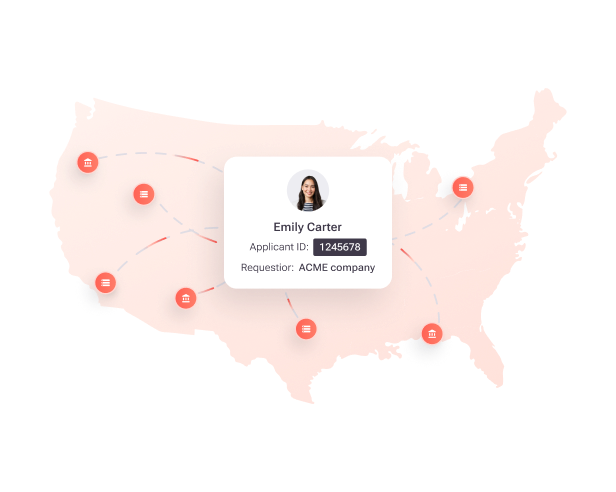
Automated workflows must store written authorization before consumer reports are obtained and must implement proper adverse action procedures. Under FCRA, organizations must send a pre-adverse action notice that includes a copy of the report and the summary of FCRA rights. After that notice, FTC guidance recommends waiting at least five business days before taking final adverse action.
TenantEvaluation is built specifically for community associations and management companies, with FCRA compliance as the foundation, not an afterthought. The platform maintains direct credit bureau reseller relationships, applies strict permissible purpose controls, and provides automated adverse action workflows with built-in audit trails tailored to community association requirements.
Common Challenges in Manual Resident Application Processes
Incomplete applications create constant back-and-forth communication between CAMs, applicants, and realtors. Manual document review consumes significant staff time and increases the risk of errors. Email bottlenecks slow board approvals and create communication gaps that frustrate everyone involved.
Inconsistent 55+ documentation handling increases compliance exposure and reduces operational efficiency. Identity verification gaps expose communities to fraud risks that traditional document-based screening cannot reliably prevent. Verification failures often occur when organizations cannot reliably confirm that the person submitting information matches the identity represented in the application.
Best Practices for Automating Resident Applications
Workflow standardization removes process variations that create confusion and delays by ensuring every application follows the same steps in the same order. Within that standardized workflow, biometric identity confirmation strengthens the verification step by moving from document-only checks to physical presence validation. Real-time tracking then keeps all parties informed throughout the process and reduces status inquiry calls that interrupt work.
Revenue-sharing models align automation costs with application volume and create sustainable economics for associations. Human-in-the-loop checkpoints should be added to AI workflows for regulatory and compliance implications. These checkpoints maintain board oversight while still accelerating routine processing.
Evaluation Framework for Selecting an Automation Platform
Compliance readiness starts with FCRA-first design and direct credit bureau relationships instead of third-party data scraping. This foundation determines whether the platform can operate legally at scale. Building on that base, operational efficiency depends on end-to-end automation that removes manual touchpoints while preserving necessary controls. Board transparency then requires purpose-built dashboards that support governance requirements and keep efficiency gains aligned with oversight.
Scalability considerations include revenue-sharing models, multi-community support, and integration capabilities with existing systems. Risk mitigation requires audit trails, strong data security, and identity verification capabilities that reflect community association environments.
7-Step Automation Workflow for Resident Applications
- Online application submission with intelligent form logic that adapts to applicant type and community requirements
- Automated document collection with real-time validation and completeness checking
- Biometric identity verification using government ID validation and liveness detection
- FCRA-compliant background screening with automated disclosure and authorization
- Board review through dedicated dashboards with summarized reports and voting capabilities
- Automated approval communications with customized letters and welcome packages
- Audit trail generation with complete documentation for compliance and governance
Automating Board Approval Workflows in Condos and HOAs
QuickApprove accelerates resident approvals while keeping control, compliance, and visibility intact. This workflow moves applications from submission to decision faster by replacing email chains and spreadsheets with a connected approval process inside the platform.
Board members access dedicated dashboards with summarized applicant reports and voting panels. Real-time application tracking removes most status inquiries, and automated communication support reduces manual follow-ups. Customized approval letters and personalized welcome packages then complete the onboarding process efficiently.

See QuickApprove in action and learn how your board can move from days to hours.
Biometric Identity Verification for Condo and HOA Applications
IDVerify adds biometric identity verification directly inside the screening workflow and shifts communities from document-based validation to verified physical identity confirmation. The system combines government ID authentication, AI-powered liveness detection, and biometric facial matching to prevent impersonation and synthetic identity fraud.

Unlike external verification portals, IDVerify operates natively within TenantEvaluation and preserves workflow continuity while strengthening fraud prevention. NIST SP 800-63A supports automated biometric comparison and visual facial image comparison for remote identity proofing and provides technical standards for implementation.
Community associations configure IDVerify for each property portfolio and adapt verification requirements to each community’s risk profile instead of using one-size-fits-all rules.
55+ Communities Verification for Florida Condos and HOAs
55+ Communities Verification standardizes how Florida condos and HOAs handle age-restricted application requirements. This built-in capability reduces manual work by replacing fragmented processes with structured workflows designed for Community Association Managers.
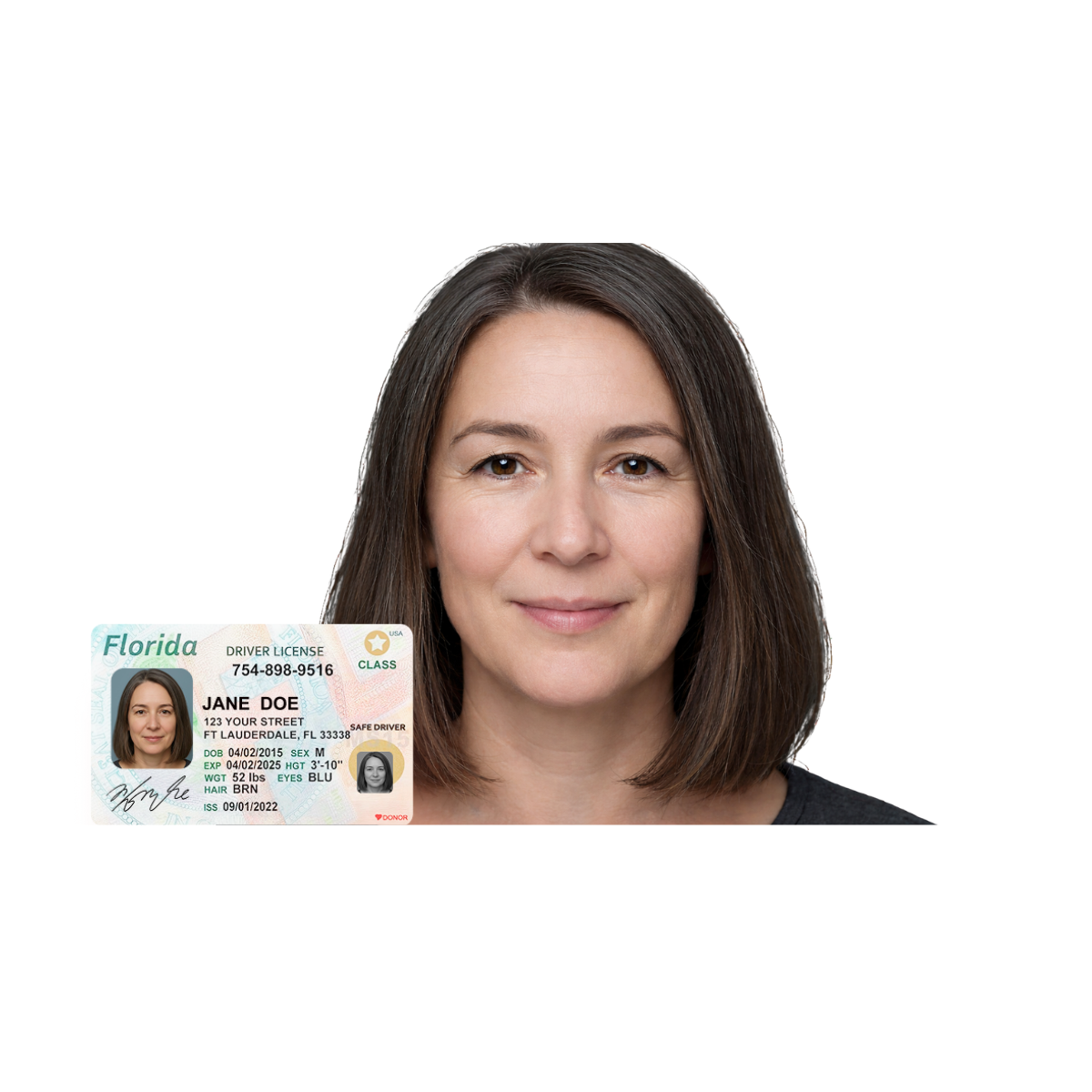
The system improves documentation consistency across applications and supports operational efficiency for boards that manage 55+ community requirements. This workflow standardization strengthens internal processes without replacing legal guidance and creates scalable solutions for age-restricted communities.
Florida condos and HOAs benefit from reduced administrative burden and more consistent record-keeping that supports internal operational control across multiple properties and application scenarios.
Generic Property Management Platforms vs. Association-Specific Automation Solutions
When you evaluate automation platforms, the key difference is whether the software was built for rental property management or community association governance. The comparison below shows how purpose-built platforms like TenantEvaluation address association-specific requirements that generic property management software often overlooks.
| Feature | AppFolio | Buildium | TenantEvaluation |
|---|---|---|---|
| Board Dashboards | Limited | Basic | Purpose-built for governance |
| Revenue Sharing | Subscription only | Subscription only | Pay-per-application model |
| Florida 55+ Support | Generic workflows | Generic workflows | Specialized verification |
| FCRA Compliance | Basic | Basic | Foundation-first design |
Generic platforms focus on rental operations rather than community association governance. TenantEvaluation provides specialized workflows, board-ready dashboards, and Florida-specific compliance that generic solutions cannot match.
Frequently Asked Questions
How long does automated resident application processing typically take?
Automated workflows reduce processing time from weeks to days or hours. Complete applications with all required documents can move through screening, board review, and approval within 24 to 48 hours when associations use purpose-built automation platforms. Manual processes often require 5 to 10 business days or longer because of back-and-forth communications and document collection delays.
What compliance reporting capabilities should automation platforms provide?
Comprehensive audit trails should document every action, timestamp, and decision throughout the application process. FCRA-compliant platforms maintain records of disclosure delivery, authorization collection, and adverse action procedures. Board voting records, document access logs, and communication histories support governance transparency and regulatory compliance requirements.
How do automated systems handle 55+ community verification requirements?
Specialized platforms standardize age-restricted documentation collection and verification workflows. Automated systems guide applicants through required documentation and provide CAMs and boards with consistent reporting formats. This approach reduces manual review time and improves documentation consistency across multiple properties and application scenarios.
What identity verification methods work best for community association applications?
Biometric verification that combines government ID validation, liveness detection, and facial matching provides stronger fraud prevention than document-only approaches. Multi-factor verification confirms physical presence and identity authenticity before approval decisions. These methods integrate directly into application workflows and do not require external portals or additional login credentials.
Can automation platforms integrate with existing community association management systems?
Purpose-built platforms typically offer integration capabilities with common association management software and accounting systems. API connections enable data sharing between screening results, approval decisions, and resident records. Revenue-sharing models often include automated fee collection and distribution that connects with existing financial workflows.
Conclusion: Evaluating Your Current Resident Application Process
Manual resident application processes create unnecessary administrative burden, compliance exposure, and approval delays for Florida community associations. Workflow automation can reduce processing time by up to 70 percent and increase accuracy through centralized dashboards and removal of scattered documents.
Purpose-built automation platforms designed for community associations provide FCRA-compliant workflows, board-ready dashboards, and specialized capabilities for Florida condos and HOAs. These solutions remove operational bottlenecks that generic property management software cannot address.
Compare your current process with the automation capabilities described in this guide. Consider the time savings, compliance improvements, and revenue acceleration that specialized platforms deliver for Community Association Managers and boards.
Experience the difference between generic software and association-specific automation by scheduling a TenantEvaluation demo and apply the compliance-first approach described earlier.
