
Last updated: January 27, 2026
Key Takeaways
- Manual HOA application processing consumes 50+ hours weekly for Florida CAMs. Automation delivers 70% faster approvals and about $240,000 in annual savings.
- Follow seven steps: digitize forms, automate verification, integrate FCRA screening, enable board dashboards, auto-redact PII, send real-time notifications, and track analytics for ROI.
- TenantEvaluation processes applications in 5 to 10 minutes, offers QuickApprove dashboards, connects directly to credit bureaus, and supports Florida-specific condo and HOA compliance.
- The revenue-sharing model generates more than $150 million for communities with no upfront fees, outperforming subscription tools such as Buildium and AppFolio.
- Communities that implement proven HOA automation with Tenant Evaluation reduce compliance risk and increase efficiency, so schedule your demo now.
Why Florida CAMs Need HOA Application Automation Now
Manual HOA application processing creates heavy operational strain for Florida CAMs and board members. Core pain points include:
- Administrative overload, with 50+ hours weekly spent on document reviews and follow-ups
- Security exposure from handling sensitive PII manually, which increases data breach risk
- Compliance risk tied to FCRA rules and Florida-specific regulatory requirements
- Processing delays that slow move-ins, reduce revenue, and frustrate applicants
- Inconsistent document submissions that trigger constant back-and-forth communication
Automation directly addresses these issues with measurable results. Property management companies report freeing 50 hours daily through automated workflows and saving about $240,000 each year. Processing becomes up to 70% faster, and security improves through PCI Level 1 compliance and automatic PII redaction.
Board transparency also improves through real-time dashboards, while automated fee collection and revenue-sharing models turn application processing into a predictable income stream.
With milestone inspection requirements adding to CAM workloads, automation now supports sustainable operations rather than serving as a convenience feature.
7 Practical Steps to Automate HOA Applications in Florida
1. Digitize Forms with Smart Logic Rules
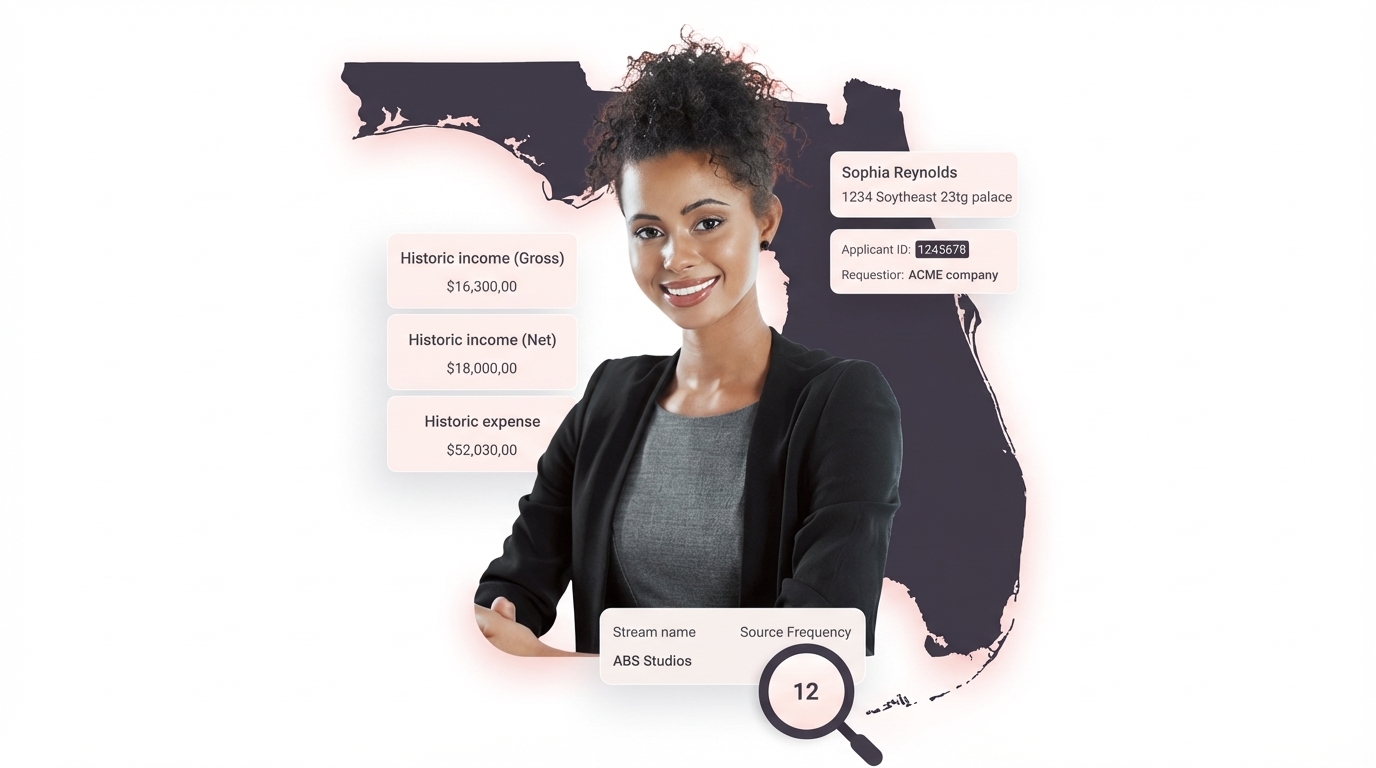
Convert paper applications into digital forms that adjust based on applicant responses and community rules. Smart logic separates tenant and purchaser workflows and requests only relevant documents while hiding unnecessary questions. Florida-specific customization keeps forms aligned with local bylaws and regulations.
Set conditional rules that reject incomplete submissions automatically and cut manual review time. Include community screening criteria such as credit score minimums, income ratios, and document requirements that match your association’s governing documents.
2. Automate ID and Document Verification
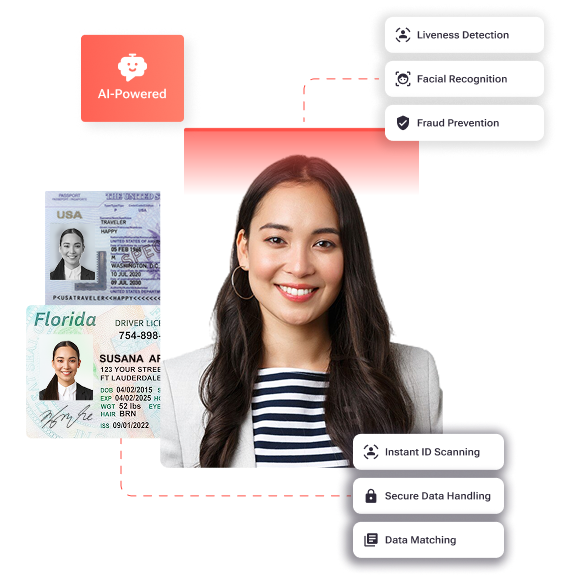
Use automated verification tools that validate identity documents and lease agreements in real time. IDverify technology confirms document authenticity, checks for executed leases, and validates identification. This replaces manual verification tasks that often consume hours of staff time.
Automated review flags incomplete or invalid submissions before they reach staff, so only qualified applications move forward. Mobile uploads from smartphones make it easy for applicants to submit documents and reduce friction in the process.
3. Add FCRA-Compliant Screening and Credit Data
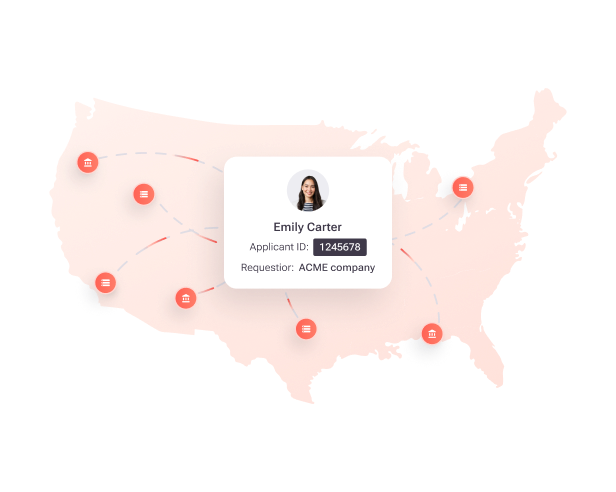
Build direct relationships with credit bureaus through legitimate reseller partnerships instead of using third-party data scraping services. FCRA compliance requires clear permissible purpose controls, automated adverse action workflows, and separation between data providers and decision-makers.
SafeCheck+ solutions deliver background screening that covers criminal records, employment verification, and credit reporting while preserving full audit trails. Direct bureau connections with TransUnion and Equifax improve data accuracy and support regulatory compliance, which protects associations from liability.
4. Give Boards Dashboards for Fast Voting
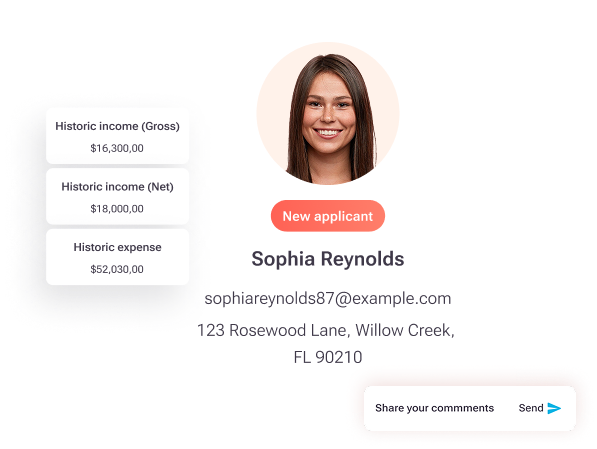
Provide board members with dedicated interfaces that show real-time application status, summarized reports, and simple voting tools. QuickApprove dashboards replace long email threads and manual document sharing, so boards review and approve applications more efficiently.
Real-time alerts notify board members about pending decisions and keep a complete audit trail of every vote. The dashboard should reflect community approval criteria and offer AI-generated summaries that speed up decisions without sacrificing due diligence.
5. Protect Applicants with Automatic PII Redaction
Set up automatic redaction for sensitive personal information such as Social Security numbers and banking details in uploaded documents. PCI Level 1 compliance with end-to-end encryption protects applicants and associations from data breach exposure.
Automated redaction removes the need for manual document editing while preserving the information boards need to review. Secure storage with role-based access controls limits sensitive data access to authorized users only.
6. Keep Everyone Updated with Real-Time Notifications
Use 24/7 AI-powered communication tools that support multiple languages for Florida’s diverse communities. Automated notifications share status updates, missing document alerts, and approval decisions without staff involvement.
Multi-channel delivery through email, SMS, and in-app messages keeps applicants, realtors, managers, and board members aligned. AI chat support in 11 languages provides instant answers, reduces support tickets, and improves the overall experience.
7. Use Analytics to Prove ROI and Improve
Generate reports that show community demographics, application trends, and financial performance so leaders can make informed decisions. Track processing times, approval rates, revenue, and compliance metrics to prove ROI and uncover improvement opportunities.
TenantEvaluation’s analytics platform reveals resident profiles, rental patterns, and community characteristics that guide amenity planning, policy updates, and long-term strategy. This data-driven approach supports continuous process improvement and stronger revenue performance.
Schedule a demo today to roll out end-to-end HOA application automation.
Comparing Top Property Management Tools for Florida HOAs
The table below compares leading HOA management platforms by processing speed, Florida compliance features, and revenue model.
|
Tool |
Processing Time |
Florida Compliance/Board Tools |
Revenue Model |
|
TenantEvaluation |
5-10 minutes |
FCRA direct reseller, QuickApprove dashboard, auto-redact |
Revenue-sharing (profit generation, no upfront fees) |
|
Condo Control |
Days |
General board management, no deep screening |
Subscription ($49+/month) |
|
Enumerate |
Days |
Ecosystem-heavy, basic compliance |
Subscription |
|
Buildium |
Days |
Broad HOA features, shallow automation |
$62+/month plus fees |
|
AppFolio |
Days |
General screening, no board dashboard |
Subscription |
TenantEvaluation stands out with proprietary end-to-end automation for more than 5,000 communities and Florida-focused compliance tools. Competing platforms center on broad property management, while TenantEvaluation concentrates on application automation, board dashboards, and revenue-sharing that removes upfront costs.
Buildium offers comprehensive HOA features but charges monthly subscriptions starting at $62 plus setup fees. Condo Control provides 40+ modules, including board tools, yet it lacks deep screening automation and Florida-specific compliance coverage that TenantEvaluation delivers.
Florida Compliance Requirements and HOA Best Practices
Florida HOAs and condos must follow complex rules that include FCRA obligations, PCI data security standards, and state regulations. Recent legislative updates require stronger record-keeping and DBPR account maintenance for all associations.
TenantEvaluation maintains direct reseller relationships with TransUnion and Equifax and follows strict bureau rules with regular compliance audits. Automated adverse action workflows and clear separation between data access and association decisions help shield communities from legal exposure.
Integration with 2026 SIRS requirements supports CAMs as they manage higher workloads, milestone inspection timelines, and reserve study obligations.
Real-World ROI from HOA Application Automation
Property management companies in Florida report strong returns after adopting automation. One Florida firm saved about $240,000 per year with TenantEvaluation and freed 50 staff hours daily for higher-value work.
Processing times dropped by about 50 percent, and automated document handling reduced liability while maintaining bank-level encryption for sensitive data. TenantEvaluation now processes more than 100,000 applications each year across over 5,000 communities, which proves its scalability for Florida associations of many sizes.
Frequently Asked Questions
What is the best HOA software for Florida condominiums and associations?
TenantEvaluation ranks as a leading choice for Florida HOAs because it focuses on community associations, automation, and revenue generation. The platform offers Florida-specific compliance tools, direct credit bureau relationships, and board dashboards designed for HOA workflows rather than general property management.
How do you automate condo application processing?
Automation follows seven steps: digitize forms with smart logic, automate document verification, add FCRA-compliant screening, enable board dashboards, turn on auto-redaction, use real-time notifications, and track analytics. Choose a platform that manages the full workflow instead of stitching together several third-party tools.
What does FCRA compliance mean for HOA application screening?
FCRA compliance requires a valid permissible purpose for credit access, proper adverse action steps when denying applications, and detailed audit trails. TenantEvaluation operates as a direct credit bureau reseller and uses automated adverse action workflows so associations stay compliant while accessing accurate credit data.
What are the benefits of board approval dashboards?
QuickApprove dashboards give board members real-time visibility, AI-generated summaries, and simple voting tools. These features replace email chains, shorten approval timelines, and create complete decision audit trails. Board members can review applications securely from any device while preserving transparency.
How do HOAs generate revenue from application processing?
Revenue-sharing models let associations earn income from application fees without paying upfront software costs. TenantEvaluation deducts service fees from collected application fees and returns the remaining funds to associations, which turns processing into a profit center. This approach has generated more than $150 million for communities nationwide.
Conclusion: Turn HOA Applications into a Revenue-Ready Workflow
HOA application automation converts administrative strain into a streamlined, revenue-ready workflow by following the seven-step framework above. TenantEvaluation combines Florida-focused compliance, end-to-end automation, and revenue-sharing to deliver clear ROI for community associations.
Schedule a demo today and see how TenantEvaluation’s HOA software can simplify application processing while generating new income for your Florida condominium or homeowner association.