
Key Takeaways
- AppFolio started as general rental software, while CINC was built specifically for associations, which affects how well each supports HOA and condo workflows.
- Both platforms offer basic resident screening and portals, but neither is tailored to Florida’s stricter screening, approval, and compliance requirements.
- Pricing for AppFolio and CINC goes well beyond base rates once setup, support, and add-on features are included, so Boards should review total cost of ownership.
- Automation, violation workflows, and financial tools differ between the two systems, so Florida communities need to align software choice with their governing documents and processes.
- Florida associations that need deeper screening and compliance support can pair these tools with a specialized platform like Tenant Evaluation, which focuses on HOA and condo onboarding; get started with a Tenant Evaluation demo to see how it works in 2026.
1. Choose Between General Property and HOA-Specific Designs
AppFolio Property Manager began as a rental property platform and later expanded into HOA functionality. It includes leasing, rent collection, tenant screening, and maintenance tracking, so some workflows still feel oriented toward traditional rentals instead of associations.
CINC Systems is designed specifically around HOA workflows, unlike rental-adapted platforms. Its feature set centers on association needs such as dues management, violations, and architectural review processes that align more closely with typical HOA governance.
This design difference affects daily work for Florida CAMs and Boards. Tasks like dues collection, enforcement, architectural approvals, and document management may feel more native in CINC, while AppFolio can require extra configuration to mirror HOA processes.
2. Evaluate Resident Screening, Onboarding, and Florida Compliance
AppFolio Property Manager includes Credit Checks and Tenant Screening as core features that cover standard background and credit review. These tools work well for general rentals and basic applicant risk assessment.
CINC Systems focuses on resident and owner records within an HOA context, with an emphasis on member data rather than deep tenant-style screening. Both platforms can support straightforward approval flows but do not specialize in Florida’s more complex legal environment.
Florida condominiums and HOAs must often follow detailed screening policies, Board approval rules, and document requirements. Standard software features rarely address items like association-specific interview steps, nuanced denial reasons, or community-level criminal and financial criteria.
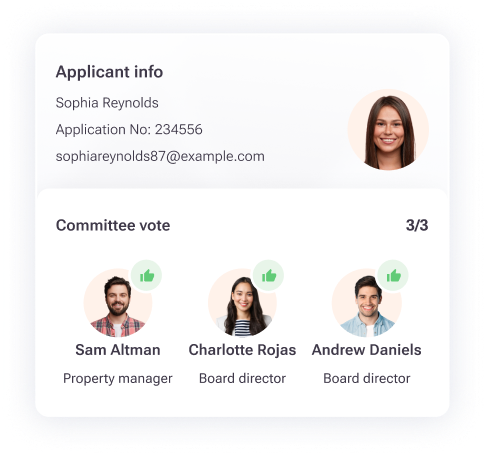
Many Florida communities close this gap with a dedicated screening and onboarding platform. Tenant Evaluation offers Board-level workflows, committee voting, and Florida-focused criteria that sit alongside property management software. Schedule a Tenant Evaluation demo if your association needs more structure around approvals, denials, and legal compliance in 2026.
3. Compare Financial Management and Dues Reporting
Financial tools sit at the core of both platforms, but each approaches HOA accounting differently. AppFolio includes integrated accounting, online payment processing, and recurring invoices. AppFolio excels at automated invoice reminders, maintenance management, and financial reporting, with AI workflow automation in higher tiers.
CINC focuses directly on association finances. CINC is built for professional management companies, with real-time bank integrations and AR/AP management that support detailed association accounting and reconciliations.
Both systems allow homeowners to pay dues online, which is now an expectation rather than a luxury. Differences appear in the depth of budgeting tools, reserve tracking, and custom financial reports. Florida communities that manage multiple entities, shared amenities, or complex reserves should confirm that their preferred software matches their CPA and audit requirements.
4. Improve Communication, Portals, and Community Engagement
Resident communication and self-service options influence satisfaction and reduce call volume for CAMs. AppFolio supports HOA features like Calendar Management, Member Portal, and Work Order Management, giving owners access to statements, documents, and maintenance requests.
CINC provides its own owner and Board portals that focus on association communication, dues payments, and document access. The association-first design can feel more aligned with how HOAs share notices, rules, and meeting materials.
Integrations matter when communities want to extend engagement. Both AppFolio and CINC Systems offer identical integrations like Concierge Plus and TownSq, which helps Boards add discussion forums, amenity reservations, and other community-facing tools without custom development.
5. Align Automation and Governing Document Management With HOA Rules
Automation can reduce manual work for violations, architectural requests, and compliance tasks. AppFolio includes violation tracking, automated AP, and architectural reviews, along with storage for CC&Rs and bylaws.
CINC Systems emphasizes association-specific workflows. CINC Systems offers violation workflows that mirror common HOA escalation paths from courtesy letters to fines and legal referrals.
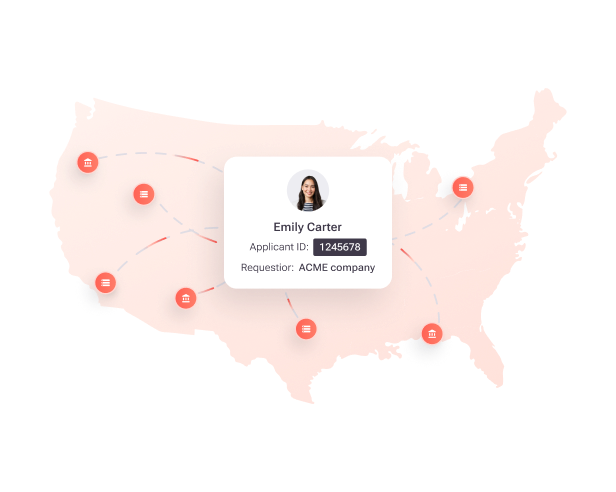
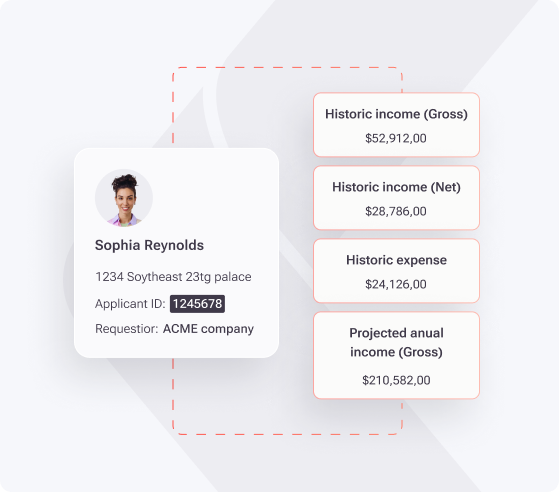
Florida associations often have very specific rules baked into their governing documents. Adapting general workflows to those rules can require significant setup time. Many Boards pair AppFolio or CINC with a specialized screening and document-check platform so that approvals, income verification, and background checks stay consistent with their bylaws.
6. Compare Pricing, Minimums, and Total Cost of Ownership
The headline subscription price for each platform covers only part of the real cost. AppFolio pricing starts at $250/month, and a 50-unit minimum for HOA management makes it better suited to larger associations.
When setup and support are included, AppFolio’s modeled annual cost can reach about $13,000 ($6,300 base, $3,700 setup, $3,000 support), which is significantly higher than some alternatives.
CINC takes a different approach. $40 per HOA sounds straightforward, but modeled totals can still reach about $9,540 annually ($5,520 base, $2,400 setup, $1,620 support) once fees are added.
Feature limits also affect budgets. Neither AppFolio nor CINC offers Electronic Voting included free; both have limited or extra-cost voting features. Florida communities that rely on electronic voting, online proxies, or frequent member approvals should factor those add-ons into their long-term cost comparisons.
|
Feature |
AppFolio |
CINC |
|
Core Design |
Rental-adapted for HOAs |
Built specifically for associations |
|
Resident Screening |
Credit checks, tenant screening |
Member data management |
|
Financial Management |
Integrated accounting, online payments |
Specialized dues management, real-time banking |
|
Pricing Model |
$250/month, 50-unit minimum |
Per-HOA pricing from about $40 |
7. Plan for Florida’s Regulatory Environment in 2026
Florida condominium and HOA law creates demands that go beyond standard property management workflows. Screening criteria, document collection, Board approvals, and reporting must match state statutes and association documents.
AppFolio and CINC both allow custom fields, document uploads, and configurable steps. Even so, neither platform is uniquely focused on Florida compliance. Automated checks for required forms, Florida-specific criminal history rules, or detailed audit trails may require extra tools.
Many Boards use a focused screening and compliance platform alongside their management software to reduce risk and improve consistency. Schedule a demo with Tenant Evaluation to see how Florida-ready workflows, Board approvals, and documentation can complement either AppFolio or CINC in 2026.
Frequently Asked Questions
How do AppFolio and CINC differ in their core focus for HOA management in Florida?
AppFolio began as a general rental platform that later expanded to HOAs, while CINC was built from the start for association management. This history shapes their strengths. AppFolio brings broad property features that can work well for mixed rental and association portfolios. CINC concentrates on dues, violations, and association reporting, which many Florida CAMs find closer to their daily needs.
Do AppFolio and CINC handle advanced resident screening needs for Florida communities?
Both products provide basic screening support, but Florida communities with strict rules often need more. AppFolio offers integrated credit and background checks. CINC manages owner and resident records within an association structure. When Boards must follow complex criteria, layered approvals, or detailed denial documentation, they usually add a specialized platform such as Tenant Evaluation to manage screening and compliance more precisely.
How do the pricing structures of AppFolio and CINC affect Florida HOAs and condos?
AppFolio uses a per-unit model with a monthly minimum and separate setup and support fees, which tend to favor larger associations. CINC uses per-association pricing plus its own setup and support charges. Both can end up costing more than initial quotes once electronic voting, integrations, or premium features are included. Florida Boards should build multi-year cost comparisons, including onboarding and support, before selecting software for 2026 and beyond.
Conclusion: Match Your Software Stack to Florida HOA Needs
AppFolio and CINC both support core association functions, yet they serve slightly different priorities. AppFolio suits portfolios that mix rentals with associations and value broad property features. CINC focuses more narrowly on HOA and condo workflows, with association-centric accounting and violations tools.
Florida communities also need screening and compliance support that these systems do not fully cover on their own. Many Boards get the best results by pairing a property management platform with a Florida-focused screening and onboarding solution. Schedule a Tenant Evaluation demo to see how your association can streamline applications, stay aligned with Florida regulations, and protect your community in 2026.