Written by: Luis Teran, Co-founder, CEO, TenantEvaluation | Last updated: December 29, 2025
Key Takeaways
- Florida HOAs and condos benefit from software that addresses state-specific regulations, detailed approval workflows, and board collaboration, which general property management tools may not fully cover.
- Platforms like Buildium, Vantaca, and ManageCasa support accounting and operations for mixed portfolios, yet often require add-ons or manual steps for deeper resident screening and compliance.
- Dedicated screening and fraud tools such as Verify Screening Solutions, ApplyCheck, and Snappt strengthen background checks and document verification but do not replace full HOA governance platforms.
- Florida-focused solutions that automate applications, document review, screening, and board approvals can reduce administrative work, improve transparency, and lower compliance risk.
- TenantEvaluation delivers Florida-specific resident screening and onboarding with integrated board tools and automation, and Community Association Managers can explore it through a quick demo at Schedule a TenantEvaluation demo.
Why Florida HOAs Need Specialized Software Beyond AppFolio
Florida HOAs and condos face strict state regulations, multilingual communities, and complex purchase and rental workflows. General property management software often focuses on rentals, not association governance, which can create gaps in compliance and board oversight.
Community leaders in Florida need tools that support clear approval steps, documented decision making, and simple communication with applicants and residents. Manual tracking or generic workflows increase the risk of errors, delays, and fines.
Software that aligns with Florida law, supports multilingual communication, and structures board participation helps associations manage risk while improving the experience for applicants, residents, and managers.
1. Buildium: A Comprehensive Hub for Property and HOA Management
Description
Buildium is property management software that also supports HOAs. It focuses on accounting, online payments, maintenance, and a resident portal for day to day operations.
Key Features for HOAs
- Full accounting tools, including budgets and a general ledger.
- Online payment collection for assessments and fees.
- Communication by email, text, and portal announcements.
- Maintenance work order tracking and task management.
- Resident portal for documents and requests.
Ideal User
Associations and managers that prioritize accounting and routine operations, and accept basic screening handled through separate tools or processes.
Pros
- Strong accounting features for mixed rental and HOA portfolios.
- Centralized portal for owners and residents.
- Familiar layout that supports daily tasks.
Cons
- Limited HOA focused screening and compliance features.
- May require integrations or manual workflows for Florida specific approval steps.
Why Consider This Alternative to AppFolio
Buildium offers a solid option for associations that want robust accounting and standard operations with some HOA support, while planning to address advanced screening separately.
2. Vantaca: Advanced Accounting and Community Operations for HOAs
Description
Vantaca is built for HOA and condo management companies that oversee many associations. It emphasizes detailed accounting, workflow automation, and communication.
Key Features for HOAs
- Comprehensive general ledger, accounts receivable, and accounts payable.
- Violation tracking with follow up actions.
- Work order and project management tools.
- Board portal for documents and approvals.
- Portfolio wide reporting and analytics.
Ideal User
Larger management firms that handle complex finances and want consistent processes across many communities.
Pros
- Deep accounting and financial reporting capabilities.
- Workflows tailored to community association operations.
- Good fit for scaling across a large portfolio.
Cons
- Can feel heavy for smaller, self managed communities.
- Onboarding and configuration often require significant time.
- Screening features are not as specialized as dedicated platforms.
Why Consider This Alternative to AppFolio
Vantaca suits firms that need enterprise level accounting and process control for many HOAs, while supplementing resident screening with additional tools.
3. Verify Screening Solutions & ApplyCheck (Powered by TazWorks): Focused Background Checks
Description
Verify Screening Solutions and ApplyCheck provide tenant screening services through the TazWorks platform. They deliver detailed reports that support compliance with Fair Credit Reporting Act (FCRA) standards.
Key Features for HOAs
- FCRA compliant background screening reports.
- Credit history, eviction records, and criminal checks.
- Configurable report packages for different applicant types.
Ideal User
Associations or management firms that want strong, compliant background checks and manage applications and approvals through other systems.
Pros
- Specialization in regulated screening data.
- Options for white label branding.
- Flexible report components.
Cons
- No full applicant portal or HOA workflow.
- No board voting tools or document automation.
- Requires separate software or manual processes for approvals.
Why Consider This Alternative to AppFolio
These services fit communities that already use another system for operations and need only reliable background data to plug into existing workflows.
4. Snappt: Advanced Fraud Detection and Income Verification
Description
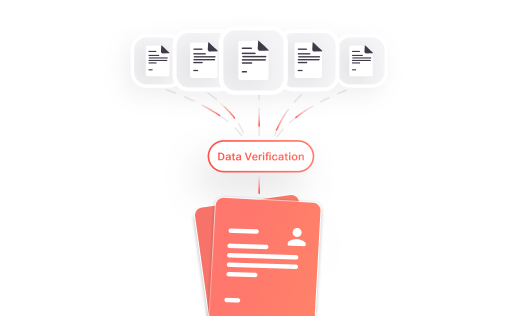
Snappt focuses on identifying altered or fraudulent financial documents within rental and purchase applications. Its tools review income statements and bank records for signs of tampering.
Key Features for HOAs
- Forensic analysis of bank statements and pay stubs.
- Automated fraud risk scoring.
- Fast results that support time sensitive approvals.
Ideal User
Communities with higher value units or markets where document fraud poses a significant risk.
Pros
- Effective at catching altered documents that manual review might miss.
- Reduces risk of future nonpayment tied to falsified income.
- Improves confidence in final approval decisions.
Cons
- Does not handle full background checks.
- No HOA board workflow or portal.
- Works best as an add on to other screening tools.
Why Consider This Alternative to AppFolio
Snappt enhances any existing screening stack by focusing specifically on financial document integrity, an area that general software does not always cover in depth.
5. RentSpree & TurboTenant: Streamlined Screening for Rentals
Description
RentSpree and TurboTenant serve individual landlords and small property managers. They center on online applications and simple tenant screening for rental units.
Key Features for HOAs (Indirectly)
- Online application collection and storage.
- Credit, criminal, and eviction reports.
- Basic communication and lease tools.
Ideal User
Self managed communities or smaller associations that manage a limited number of rentals and do not need full HOA governance workflows.
Pros
- Simple setup and easy to learn.
- Clear, standardized application forms.
- Affordable for small scale use.
Cons
- No support for architectural review or violations.
- No structured board approval process.
- Limited fit for complex Florida HOA regulations.
Why Consider This Alternative to AppFolio
These tools can support basic rental screening within a community, yet they do not replace dedicated HOA software for governance and compliance.
6. ManageCasa: Integrated Property Management for Efficiency
Description
ManageCasa offers an integrated platform for different property types, including associations. It focuses on consolidating communication, accounting, and maintenance.
Key Features for HOAs
- Tenant, owner, and resident records management.
- Online payment systems for assessments and rent.
- Maintenance ticketing and tracking.
- Built in accounting and reporting.
- Messaging tools for community updates.
Ideal User
Managers and boards that want one system for core property tasks and are comfortable with more general HOA support.
Pros
- Centralized platform for daily operations.
- Useful overview of financials and tasks.
- Designed for multiple property types.
Cons
- Less detail for Florida specific HOA rules.
- Board workflows can feel generic.
- Advanced screening may require outside tools.
Why Consider This Alternative to AppFolio
ManageCasa can work well for associations that want integrated property features and accept that certain HOA governance needs will rely on additional processes.
7. TenantEvaluation: Florida HOA & Condo Resident Screening and Onboarding
Description
TenantEvaluation was built for Florida condominium and homeowner associations. It focuses on digitizing and automating applications, document collection, background checks, and board approvals.
Key Features for HOAs
- Fully online application platform for web and mobile.
- Configuration for Florida specific statutes and community rules.
- Intelligent forms that adjust based on applicant type.
- Automatic redaction of sensitive information with PCI Level 1 security.
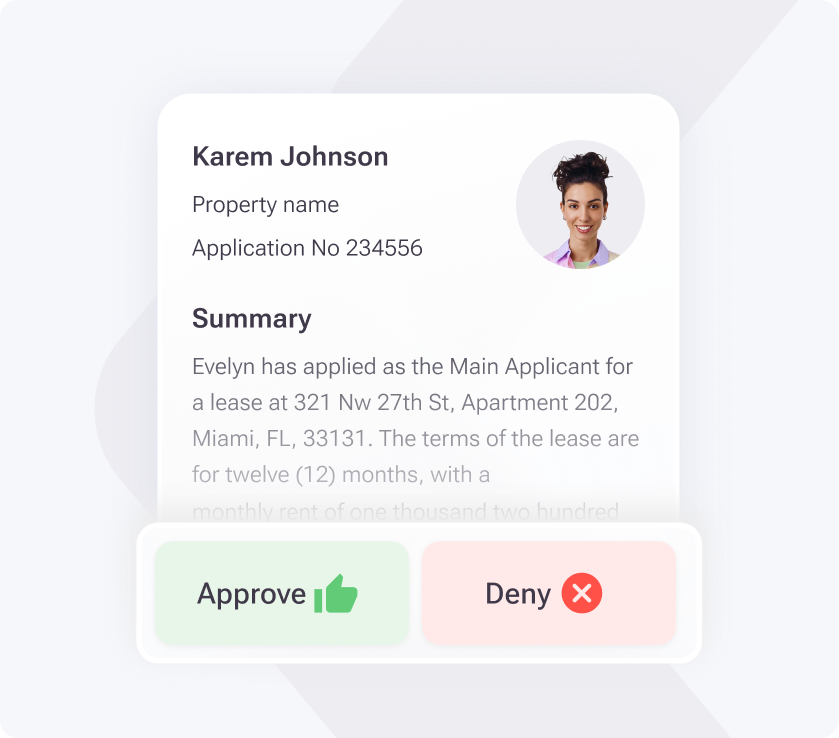
- QuickApprove board voting and audit panel.
- 24/7 AI chat in 11 languages to assist applicants and residents.
- Integrated screening options, including IDverify, SafeCheck+, and IncomeEv.
- Automated fee collection and revenue sharing for associations.
Ideal User
Florida HOA and condo boards and managers that want a structured, compliant, and transparent process for every application, from submission through board decision.
Pros
- Focus on Florida association law and workflows.
- End to end automation from application to decision.
- Board centric interface for voting and tracking.
- Strong security posture and data protection.
- Multilingual support for diverse communities.
- Revenue sharing that can offset administrative costs.
Cons
- Emphasis on HOA and condo screening rather than broader commercial portfolios.
Why Consider This Alternative to AppFolio
TenantEvaluation fills the gap between general property management tools and the real needs of Florida associations by combining screening, compliance, and board governance in one platform.
How TenantEvaluation Provides Superior Florida HOA Resident Screening & Onboarding
TenantEvaluation offers an end to end workflow tailored to how Florida HOAs and condos operate. The platform supports Florida specific rules, automates document review with ID verification, and centralizes background checks, income evaluation, and fee collection.
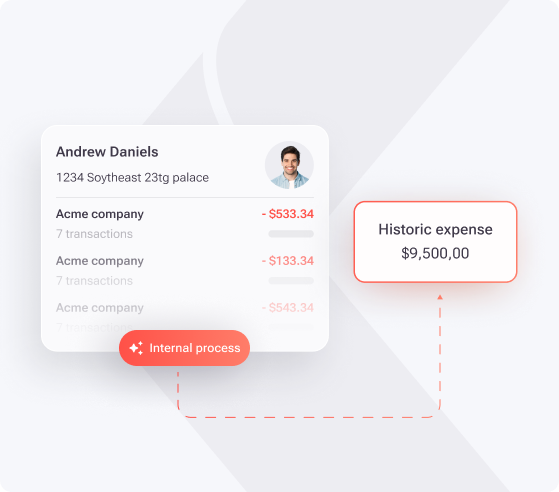
Board members receive a dedicated QuickApprove dashboard that displays application status, supporting documents, and a clear voting panel. Every action leaves an audit trail, which supports compliance and consistent decisions across applicants.
Applicant data is protected through PCI Level 1 controls and encryption. A revenue sharing model tied to application fees can also create a modest income stream for the association while covering screening costs.
Schedule a demo today to see how TenantEvaluation can streamline applications, enhance compliance, and support revenue for your condominium or homeowner association.
Comparison Table: TenantEvaluation vs. General HOA Solutions
|
Feature |
TenantEvaluation |
AppFolio (General Property Management) |
Buildium (HOA Capable) |
|
Primary Focus |
Florida HOA and condo resident screening and onboarding |
Broad property management |
Broad property management with HOA features |
|
Florida Specific Compliance |
Yes, with customized setups |
General compliance tools |
General compliance tools |
|
Automated Document Review |
Yes, with intelligent forms and IDverify |
Mainly manual or basic |
Mainly manual or basic |
|
Dedicated Board Approval Dashboard |
Yes, with QuickApprove voting panel |
Limited use of portals |
Owner and board portal without voting focus |
|
PII Auto Redaction and Security |
Yes, with PCI Level 1 and encryption |
General data security controls |
General data security controls |
|
Revenue Sharing Model |
Yes, from application fees |
No |
No |
|
Comprehensive Screening |
Yes, with IDverify, IncomeEv, and SafeCheck+ |
Basic screening |
Basic screening |
|
24/7 AI Chat Support |
Yes, in 11 languages |
Standard support |
Standard support |
Frequently Asked Questions (FAQs) about HOA Software Alternatives
Q1: How do specialized HOA software alternatives compare in cost to broader platforms like AppFolio?
AppFolio often uses per unit pricing with monthly minimums, and higher tiers can add significant cost for larger communities. Specialized tools such as TenantEvaluation can use models where application fees fund the service and a portion returns to the association, which reduces direct software expenses and manual labor.
Q2: What is the primary benefit of an all in one resident screening platform for Florida HOAs?
All in one platforms centralize applications, documents, background checks, and approvals in a single system. For Florida HOAs, this structure supports FCRA compliance, local regulations, and clear audit trails that help boards defend decisions if questions arise.
Q3: How do these alternatives enhance Board of Directors involvement in the approval process?
Specialized platforms provide dashboards where board members can review applications, view supporting reports, and record votes within defined timeframes. This setup improves transparency, speeds decisions, and aligns approvals with documented association standards.
Conclusion: Choosing the Right Software for Florida HOA Success
Florida HOAs and condos benefit from software that handles more than basic property management. Effective platforms help boards follow state regulations, review applicants fairly, and communicate clearly with residents.
General systems like AppFolio, Buildium, Vantaca, and ManageCasa cover accounting and operations, while tools such as Verify Screening Solutions, ApplyCheck, and Snappt strengthen specific parts of the screening process. Florida associations that want a focused approach to resident onboarding and board governance gain additional value from specialized platforms.
As legal requirements and community expectations evolve, selecting software that supports structured screening, reliable compliance, and efficient approvals becomes more important. The right fit reduces manual work for managers and boards while improving the experience for applicants and residents.
Do not let outdated or generic software limit your community. Schedule a demo with TenantEvaluation today to see how a Florida focused, all in one platform can streamline resident screening, support compliance, and help your condominium or homeowner association operate with confidence.
