
Key Takeaways
- Florida HOAs face rising security threats, with 80% of organizations hit by payments fraud in 2023, so robust identity verification is now essential.
- Alocity delivers strong post-entry biometric access control with a 98.7% success rate but lacks onboarding fraud prevention and often encounters integration delays.
- Alocity costs average $220K for mid-size HOAs, with a 2+ year ROI and added FDBR compliance challenges for biometric data handling.
- TenantEvaluation’s IDVerify blocks fraud before move-in with biometric KYC, cuts processing time by 70%, supports FCRA compliance, and generates revenue.
- Communities can combine Alocity with Tenant Evaluation or fully switch to Tenant Evaluation for end-to-end HOA security and streamlined onboarding.
Biometric Access Control in Florida HOA Communities
Biometric access control in Florida HOAs uses fingerprints, facial recognition, or other biological identifiers to secure gates, amenities, and entry points. These systems prevent unauthorized access while aligning with FDBR rules that require consent before collecting sensitive biometric data. They replace traditional key fobs and gate codes with unique biological markers that cannot be easily shared, stolen, or duplicated. Many Florida gated communities now adopt biometric tools to address growing fraud attempts and unauthorized entries that threaten resident safety and increase association liability.
Alocity Biometric Access Control for Florida HOAs
Alocity’s biometric access control system centers on facial recognition technology built for gated communities. A 450-unit Florida HOA implementation in Q3 2024 reached a 98.7% access success rate with the F3D100 gate system. This performance shows strong reliability for post-entry access control once residents are enrolled.
Pros: Residents enjoy a seamless entry experience after enrollment, with facial recognition speeds under one second. Communities report a 65% reduction in tailgating incidents within six months of deployment.
Cons: The system focuses only on post-entry access and does not address onboarding fraud. Integration delays average two weeks due to legacy hardware issues. Enrollment can feel cumbersome, especially for elderly residents, who experience a 15% initial failure rate.
Setup Process:
- Site assessment and hardware compatibility evaluation
- Custom firmware updates for legacy gate systems
- Biometric enrollment for all residents and authorized users
- System integration and testing
- Staff training and completion of resident onboarding
Reviews from 12 Florida HOA managers averaged 4.2/5 stars in 2025, with frequent praise for fast facial recognition and reduced tailgating. Concerns focus on high upfront costs that average $400 per door. Aggregated reviews from 47 users (2024-2026) show a 4.1/5 average rating, although 22% reported intermittent app glitches that affected reliability.
Alocity Costs, Compliance, and ROI for Florida HOAs
Alocity implementation costs typically range from $150 to $500 per access point, with mid-size HOAs with 300+ units averaging $220,000 in total implementation costs. Communities also pay ongoing cloud subscriptions of about $2,500 per year per site and maintenance contracts that average $1,200 per month for larger HOAs.
|
Feature |
Alocity Cost |
ROI Timeline |
|
Mid-Size HOA (300+ units) |
$220K avg. |
2.1 years |
|
Per Gate |
$400 |
18-28 months |
Florida Digital Bill of Rights compliance can be difficult because Alocity’s generic consent flows may not match FDBR’s specific biometric rules. The law requires explicit consent before processing sensitive biometric information. FCRA compliance gaps also appear, since Alocity focuses on access control and not on resident screening or background checks.
ROI analysis shows positive returns within about 18 months, driven mainly by $45,000 in annual security staffing savings. However, 12% of projects reported cost overruns tied to wiring upgrades. Three sites reported negative ROI because resident adoption stayed below 70%. Since Alocity only verifies identity at the gate, it cannot stop fraudulent residents during the application and approval stage.
Alocity vs AMAG: Pros and Cons for Florida HOAs
|
Aspect |
Alocity |
AMAG |
|
FL Compliance (FDBR) |
Generic consent |
Basic |
|
Fraud Prevention |
Post-entry |
Multi-layered |
|
Setup Time |
4-6 weeks |
3-5 weeks |
|
Cost per Door |
$400 |
$800+ |
Why TenantEvaluation IDVerify Fits Florida HOAs Better
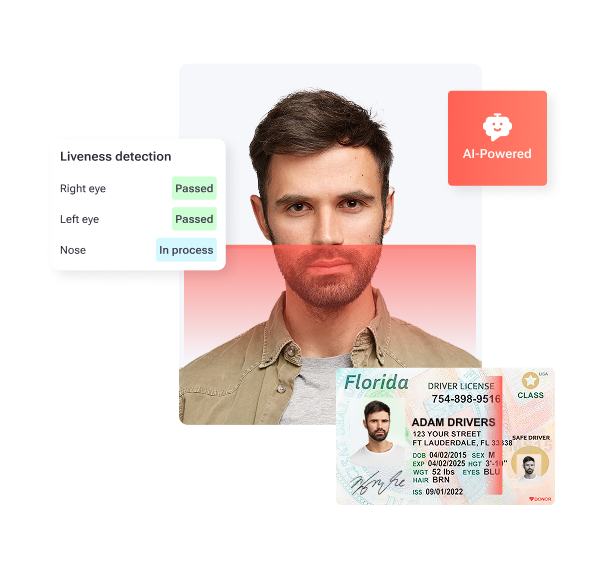
TenantEvaluation supports more than 5,000 communities and processes over 100,000 applications each year, while maintaining a 4.8/5 Google rating and generating $150 million for associations. IDVerify delivers built-in biometric KYC through government ID checks, AI-powered liveness detection, and facial biometric matching. All of this runs inside the screening workflow without external redirects or separate portals.
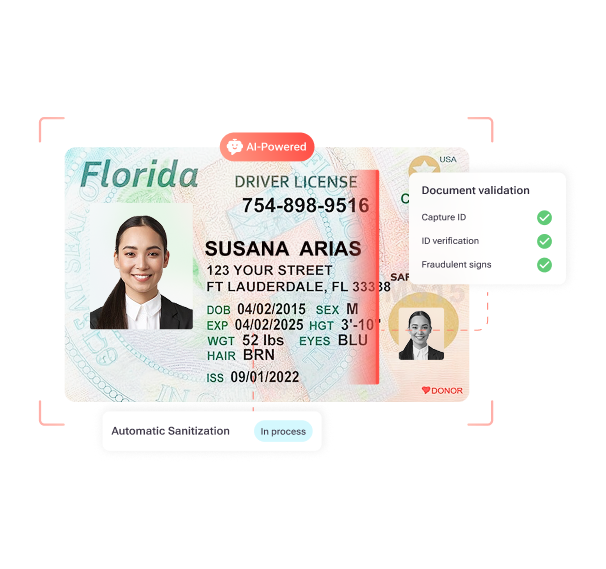
IDVerify stops fraud at the source by confirming each applicant’s identity before the board or management approves them. This pre-entry verification cuts processing time by 70% and can save up to 50 staff hours per day in busy portfolios. The revenue-sharing model turns screening into an income stream instead of a capital expense. TenantEvaluation’s FCRA-first design, including direct reseller relationships with TransUnion and Equifax, supports compliant screening that generic access control tools cannot match.
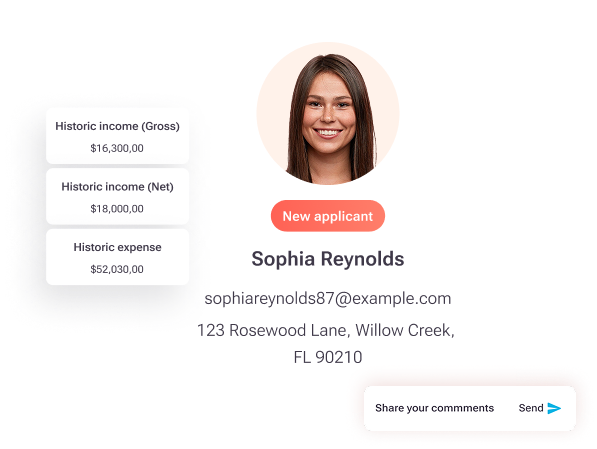
The platform connects with QuickApprove dashboards built for Boards of Directors, giving real-time visibility into applications and streamlined approval workflows. Case studies show $240,000 in annual savings for management companies that move from manual onboarding to TenantEvaluation’s automated system. Schedule a demo today to see how biometric verification shifts HOA security from reactive gate control to proactive fraud prevention.
Alocity vs TenantEvaluation IDVerify+: Direct Comparison
|
Metric |
Alocity |
IDVerify+ |
|
Processing |
Days (post-entry) |
Hours (pre-entry) |
|
Fraud Block |
Post-access |
Biometric KYC |
|
Compliance |
Generic |
FCRA-first |
|
ROI |
2+ years cost |
Profit-gen, 14 months |
How Different HOAs Use IDVerify+ and Alocity
Small HOAs gain from IDVerify+ because it runs as software without new hardware, wiring, or maintenance contracts. Staff can deploy it quickly through mobile devices and web portals. Enterprise management firms such as RealManage use TenantEvaluation’s scalable platform across many properties while keeping consistent compliance standards.
Communities can also pair both tools in a layered strategy. IDVerify+ handles comprehensive onboarding fraud prevention, while Alocity manages physical access at gates and amenities. This combination creates a full security ecosystem that addresses risk during screening and after move-in.
Conclusion and HOA Decision Checklist
Florida HOAs that prioritize fraud prevention and compliance gain more long-term value from IDVerify+. The platform delivers pre-entry biometric verification, FCRA-compliant screening, and revenue generation instead of large capital costs. Boards and managers should review three core needs: current identity fraud risk during onboarding, requirements for FCRA-compliant screening, and the impact of 70% time savings plus revenue sharing on operations.
Communities that answer yes to any of these needs should evaluate a pre-entry biometric solution. Schedule a demo today to see how IDVerify+ can reshape your HOA security strategy.
Frequently Asked Questions
What do recent Alocity reviews say about performance in Florida HOAs?
Recent reviews show Alocity earning 4.1 to 4.2 out of 5 stars from Florida HOA managers. Users highlight fast facial recognition and meaningful reductions in tailgating. They also report high upfront costs around $400 per door, delays when integrating with older systems, and enrollment challenges for elderly residents. The platform performs well for post-entry access control but does not stop fraudulent applicants during onboarding.
What is the best biometric fraud prevention solution for HOAs?
IDVerify+ stands out for fraud prevention because it applies biometric checks during the resident onboarding process instead of after move-in. The system uses government ID validation, liveness detection, and facial biometric matching to confirm identity before approval. This approach blocks fraudulent residents before they gain access. IDVerify+ fits into existing screening workflows and maintains FCRA compliance through direct credit bureau relationships.
How does TenantEvaluation compare to Alocity for HOA security?
TenantEvaluation focuses on pre-entry fraud prevention through screening and biometric verification, while Alocity manages post-entry access at gates and amenities. TenantEvaluation’s model prevents fraudulent residents from entering communities during onboarding. Alocity controls access only after residents already appear in the system. TenantEvaluation also runs on a revenue-sharing model that generates income, while Alocity requires significant upfront spending with ROI timelines that often exceed two years.
What are the typical Alocity setup steps for Florida HOAs?
Alocity projects usually follow five steps. Teams start with a site assessment and hardware compatibility review, then apply custom firmware updates for legacy gate systems. Next, they enroll residents and authorized users in the biometric system. Integrators then complete system integration and testing. Finally, staff receive training and support while residents finish onboarding. The full process typically takes 4 to 6 weeks and averages $220,000 for mid-size HOAs with 300 or more units.
What Florida HOA biometric compliance requirements should communities consider?
Florida’s Digital Bill of Rights requires explicit consent before collecting biometric data and allows civil penalties up to $50,000 per violation. HOAs must protect biometric information with appropriate safeguards and collect only what is reasonably necessary for clearly disclosed purposes. When biometric tools connect to resident screening, FCRA rules also apply. Communities then need proper adverse action procedures and audit trails that many generic access control systems do not provide.