Written by: Luis Teran, Co-founder, CEO, TenantEvaluation
Key Takeaways for HOA Fraud Prevention
- HOA communities face surging rental fraud, with 93% reporting synthetic ID issues and up to 50% of luxury applications containing fraud.
- AI document verification uses metadata forensics, pixel analysis, and biometric checks to detect fraud with 99+% accuracy, far beyond manual reviews.
- Communities can roll out AI in 7 clear steps, from risk assessment and custom rules to board dashboards and FCRA compliance monitoring.
- TenantEvaluation outperforms competitors with native IDVerify biometrics, QuickApprove dashboards, and HOA-specific features, while handling a proven high application volume each year.
- Protect your HOA and generate revenue with TenantEvaluation, and schedule a demo today for fraud-resistant screening.
The Rising Threat of Rental Fraud in HOAs
The 2026 rental fraud landscape creates unprecedented challenges for HOA communities. SmartScreen’s analysis reveals sophisticated schemes including manipulated documents, fake pay stubs, fabricated references, identity theft, and altered employment letters. Snappt’s 2024 report found 6.4% of rental applications contained fraudulent information, while eviction costs range from $3,500 to $10,000 per incident. Generative AI tools make fake documents increasingly realistic, with fraud tools openly sold on social media platforms. Because these sophisticated forgeries use pixel-level alterations and metadata manipulation, manual screening processes cannot detect them reliably. As a result, CAMs spend 50+ hours weekly on document reviews that still miss fraud, creating bottlenecks that delay approvals and frustrate legitimate applicants. Protect your community with a free demo to see how AI verification stops these evolving threats.
How AI Document Verification Protects HOA Communities
AI document verification uses multiple detection layers to identify fraudulent applications with high accuracy. Advanced systems analyze documents with 99+% accuracy using model orchestration with state-of-the-art AI. The technology examines metadata forensics and detects digital fingerprints that reveal document manipulation. Pixel-level analysis then identifies inconsistencies in fonts, spacing, and image quality that remain invisible to human reviewers.
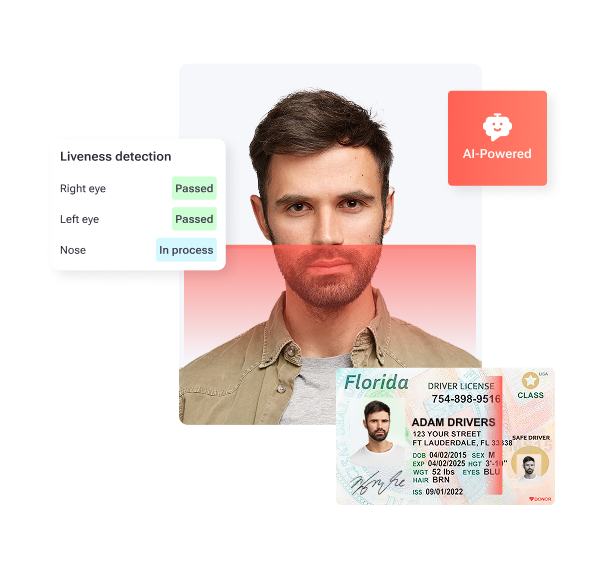
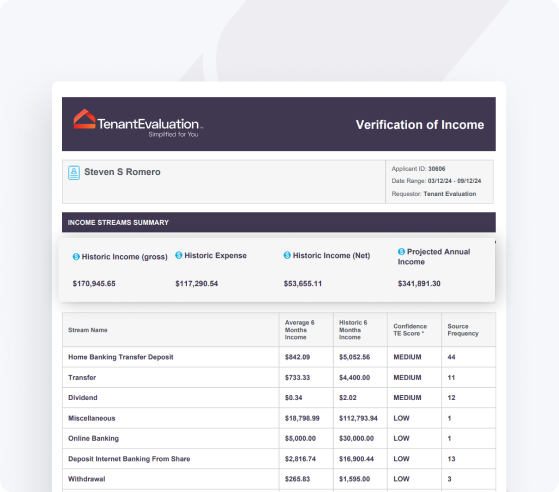
Multi-modal AI systems combine computer vision for pixel analysis, metadata examination, and natural language processing for semantic checks. Income verification cross-references pay stubs against tax records and bank statements, flagging mismatched data patterns. TenantEvaluation’s IDVerify solution adds biometric identity verification through government ID validation, AI-powered liveness detection, and facial matching, all within the platform without external redirects. This comprehensive approach delivers accuracy that exceeds human capability and processes applications in minutes rather than days.
7-Step Workflow to Implement AI Verification in HOA Screening
Successful AI implementation in HOA screening follows a clear, repeatable workflow tailored to community association operations.
Step 1: Risk Assessment – Start by evaluating current fraud exposure using industry statistics and internal incident history. Document existing manual review time and approval delays to establish baseline metrics for comparison.
Step 2: Customize Screening Rules – Configure AI parameters to match Florida HOA bylaws and community-specific requirements. Set income thresholds, credit score minimums, and document requirements that align with board policies and legal standards.
Step 3: Embed Biometric Verification – Integrate IDVerify technology for government ID validation, liveness detection, and facial matching. This step prevents synthetic identity fraud and impersonation attempts before they reach the board.
Step 4: Automate Document Review – Deploy AI-powered analysis for pay stubs, bank statements, and employment letters. Enable automatic redaction of sensitive information to maintain PCI Level 1 compliance while reducing manual handling of private data.
Step 5: Board Dashboard Integration – Implement the QuickApprove board voting system for streamlined decision-making. Provide AI-generated summaries and risk assessments so board members can approve or deny applications quickly and confidently.

Step 6: FCRA Compliance Monitoring – Establish automated adverse action workflows and detailed audit trails. Confirm permissible purpose validation and proper disclosure procedures for every application to reduce legal risk.
Step 7: Analytics and Continuous Improvement – Monitor demographics, approval rates, and ROI metrics on an ongoing basis. TenantEvaluation’s platform has generated $150M for communities, demonstrating measurable revenue impact through efficient screening and data-driven refinements.
Why TenantEvaluation Outperforms Other HOA Screening Platforms
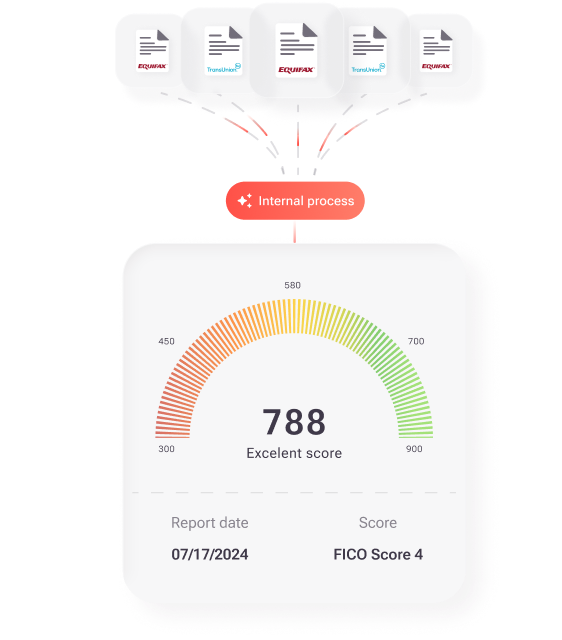
TenantEvaluation serves 5,000+ communities with a proven high application volume each year and maintains a 4.8/5 Google rating. As a direct TransUnion and Equifax reseller, the platform provides FCRA-compliant screening with built-in adverse action workflows. Unlike generic competitors, TenantEvaluation offers HOA-specific features including board dashboards and Florida regulatory compliance.
| Feature | TenantEvaluation | Snappt | ApplyCheck |
|---|---|---|---|
| Native Biometrics (IDVerify) | ✅ No redirects | ❌ Redirects | ❌ None |
| Board Dashboard (QuickApprove) | ✅ Custom voting | ❌ None | ❌ None |
| FCRA as Foundation | ✅ Direct reseller | ❌ Third-party | ❌ Basic |
| HOA/Florida Focus | ✅ 5k+ communities | ❌ Generic | ❌ Generic |
The revenue-sharing model eliminates upfront costs and generates profit for communities through application fees. TenantEvaluation’s end-to-end automation reduces processing time by 70% and frees up 50 hours of daily staff time. See the difference yourself with a demo of this HOA-specific platform.
Compliance and ROI Proof for HOA Screening
TenantEvaluation treats FCRA compliance as the foundation of the platform, not an afterthought. FCRA requirements include proper disclosure, authorization, and adverse action procedures, all automated within the system. IDVerify+ strengthens permissible purpose validation by confirming identity before screening authorization.
Case studies demonstrate $240,000 annual savings for management companies through 50-hour daily time savings and faster approvals. Partners including RealManage and FirstService Residential validate the platform’s enterprise-grade capabilities. The system reduces bad debt exposure while providing robust fraud prevention, turning screening from a cost center into a revenue generator.
Frequently Asked Questions About HOA AI Screening
What is the best AI solution for HOA fraud prevention?
TenantEvaluation provides a comprehensive AI solution designed specifically for HOA communities. The platform combines IDVerify+ biometric verification, automated document review, and board-specific workflows. Unlike generic tenant screening tools, TenantEvaluation reflects HOA bylaws, Florida regulations, and community association governance structures. The system supports thousands of communities with a proven high application volume each year.
How does IDVerify+ compare to Snappt’s verification?
IDVerify+ operates natively within TenantEvaluation’s platform and avoids external redirects that create friction and security concerns. Snappt requires applicants to navigate to separate portals, which disrupts the workflow and can cause abandonment. IDVerify+ combines government ID validation, AI-powered liveness detection, and biometric facial matching in a seamless experience. TenantEvaluation also provides board dashboards and HOA-specific compliance features that Snappt does not offer.
What are the costs for implementing AI document verification?
TenantEvaluation uses a revenue-sharing model with no upfront fees or monthly subscriptions. The platform generates revenue for communities through application fee collection, which turns screening into a profit center rather than an expense. Case studies show $240,000 annual savings for management companies through reduced labor costs and faster processing. The system pays for itself while improving security and compliance.
How does the platform handle Florida HOA regulations?
TenantEvaluation was built specifically for Florida community associations with FCRA compliance as the foundation. The platform accommodates HOA bylaws, condo association requirements, and state-specific regulations. Custom setup ensures screening criteria match community standards while maintaining legal compliance. Automated adverse action procedures and audit trails protect associations from liability exposure.
Can AI document verification integrate with existing HOA management systems?
TenantEvaluation provides integration capabilities with major property management platforms. The system offers API connections, data export options, and workflow customization to match existing processes. Board members access QuickApprove dashboards while continuing to use their preferred management tools. The platform adapts to community workflows rather than forcing process changes.
Conclusion: Turning HOA Screening into a Strategic Advantage
AI document verification now defines the future of HOA rental application security. With fraud rates reaching 50% in luxury communities and sophisticated genAI tools making detection increasingly difficult, manual processes cannot protect community associations. TenantEvaluation’s comprehensive platform combines IDVerify+ biometric verification, automated document review, and FCRA-compliant workflows designed for HOA communities.
The system delivers robust fraud prevention, reduces processing time by up to 70%, and generates measurable revenue for associations. Transform your screening into a competitive advantage by scheduling a demo today.
