Written by: Luis Teran, Co-founder, CEO, TenantEvaluation
Key Takeaways for Florida 55+ Communities
- HOPA requires 55+ communities to maintain 80% occupancy by residents aged 55+ through reliable age verification using IDs, birth certificates, or affidavits.
- Florida condo managers struggle with manual processes, fraud risks, and federal compliance that requires biennial surveys and audit-ready records.
- Effective practices include biennial surveys, government ID collection, third-party services, digital platforms, and biometric confirmation for faster, more accurate decisions.
- Digital tools such as integrated platforms outperform manual methods in cost, reliability, scalability, and compliance for high-volume communities.
- Streamline your HOPA compliance with TenantEvaluation’s 55+ verification platform through a quick, guided demo.
HOPA Age Verification Rules and Operational Framework
The HOPA framework sets clear rules for age-restricted communities. At least 80% of a HOPA-eligible community’s occupied residential units must be inhabited by at least one person who is 55 years of age or older, while the remaining 20% may house residents under 55, including families with children, if the community still meets the overall age threshold.
Verification procedures must include systematic documentation collection, resident surveys, and affidavit processes. Age verification documentation must be collected, organized, and maintained in auditable condition to protect the community’s HOPA exemption status. This documentation requirement drives the operational framework, which covers intake processing, verification review, documentation storage, board approval workflows, and records management. These steps require close coordination between CAMs, boards, and applicants.
Communities must also show intent to serve older adults through policies, amenities, and published procedures. This broader approach connects age verification to community onboarding and resident screening, so integrated platforms become especially valuable for day-to-day efficiency.
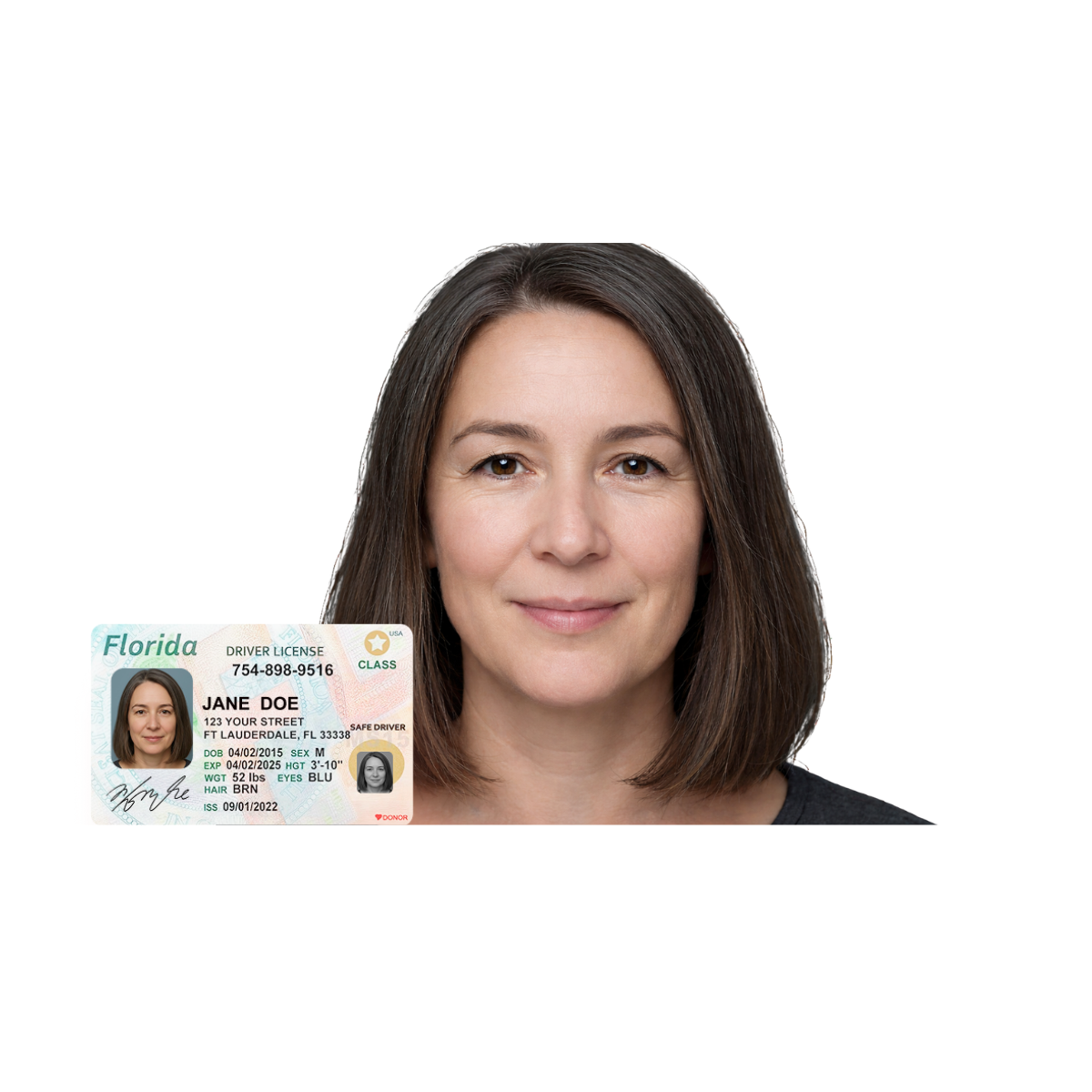
Florida 55+ Communities: Digital Shift and 2026 Age Verification Trends
Compliance pressure and rising workloads are reshaping Florida’s age-restricted community sector. Florida law aligns with the federal HOPA framework and addresses the 80% occupancy requirement, which creates strong demand for scalable solutions that support both state and federal rules.
Rising identity fraud and tighter audit scrutiny are pushing communities toward more advanced verification methods. AI-powered biometric age estimation and device-based verification are emerging as leading trends in 2026, offering lower friction and faster onboarding compared to traditional methods. High-volume communities gain the most from automated workflows that cut manual processing while still meeting HOPA compliance standards.
80/20 Rule Workflows for Florida 55+ Communities
Implementing the 80/20 rule requires systematic collection and verification of resident age documentation. CAMs typically gather government-issued IDs, birth certificates, and sworn affidavits during the application process. If a resident refuses to comply with age verification requests, communities can conduct thorough investigations to confirm whether residents meet the 55+ requirement.
Biennial surveys serve as ongoing compliance tools and support the 80/20 threshold by updating age and occupancy data. Boards review verification materials, approve applications, and maintain records for potential audits. Timing coordination between application intake, document review, and board approval often creates bottlenecks. Digital platforms reduce these delays through automated reminders, status tracking, and centralized documentation.
Uncooperative applicants create additional risk, so communities must balance HOPA compliance with fair housing obligations. Clear written policies and consistent procedures help protect communities while supporting defensible decisions if disputes arise.
Age-Restricted Condo Surveys: Compliance, Risk, and Governance
Biennial surveys act as key compliance checkpoints for preserving HOPA exemptions. HUD’s Office of Fair Housing and Equal Opportunity conducts reviews related to fair housing compliance that can include age-restricted communities. Survey processes must protect resident privacy, meet documentation standards, and remain defensible during any audit or investigation.
Risk management starts with clear procedures for data collection, storage, and access controls. FCRA considerations apply when surveys connect to broader resident screening, so communities must separate age verification activities from background check workflows. Fair housing compliance also requires consistent application of verification standards across all residents and applicants.
Verifying Age Without ID in Condos: Real-World Challenges
Manual verification processes create multiple operational pain points for Florida communities. Inconsistent documentation standards, email-based communication, and scattered PDFs cause processing delays and compliance gaps. CAMs often spend excessive time coordinating between applicants, boards, and verification requirements while also managing fraud risks from sophisticated identity theft attempts.
Administrative burdens increase when communities handle high application volumes through fragmented systems. Missing documents, incomplete submissions, and constant follow-up consume significant staff resources and create potential compliance exposure. These challenges push communities toward integrated platforms that standardize verification workflows while still allowing community-specific rules.
HOPA Age Verification Forms: Practical Standards and Methods
Effective age verification systems combine several methods to support compliance and smooth operations. HOPA requires communities to maintain reliable age verification procedures through systematic documentation review. The methods below work best when used together in a single, consistent process.
1. Biennial Resident Surveys: Use structured outreach to all occupied units for age confirmation and occupancy updates. This method keeps records current and supports HOPA’s ongoing verification expectations.
2. Government ID and Affidavit Collection: Rely on driver’s licenses, birth certificates, and sworn statements during application intake as the primary proof of age. This approach offers clear documentation for audits.
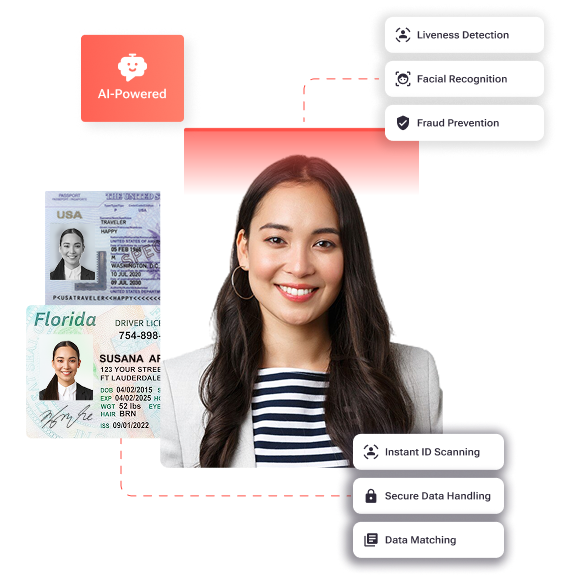
3. Third-Party Verification Services: Engage professional screening companies that validate age documentation as part of a broader background check. This option works well for communities already outsourcing screening.
4. Digital Platform Integration: Use automated systems that standardize document collection, route files for review, and track compliance across multiple communities. This method reduces manual tracking and email chains.
5. Biometric Identity Confirmation: Add facial recognition and liveness detection to confirm that the applicant matches the ID and to reduce identity fraud and document tampering.
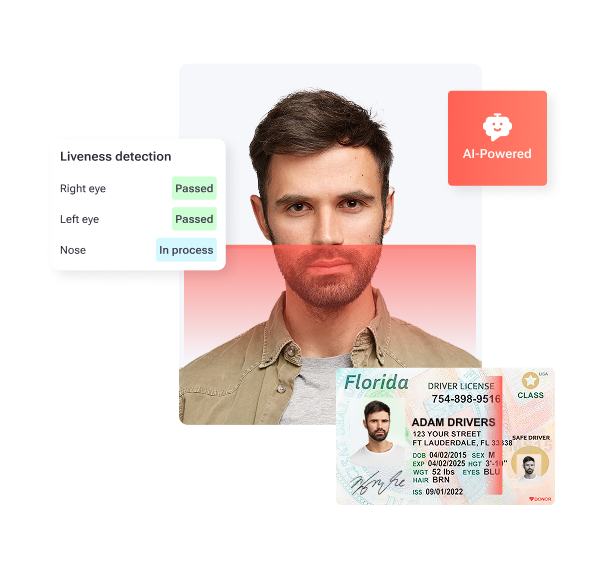
6. Centralized Records Management: Maintain audit-ready documentation systems that store verification history, support reporting, and simplify responses to any HUD or legal inquiries.
See how automated verification workflows can remove manual survey coordination and document tracking bottlenecks in your community.
Digital Age Checks for 55+ Condos: How to Compare Options
Community associations should compare age verification methods based on cost, reliability, ease of use, and ability to scale. The table below highlights practical differences for Florida 55+ communities.
| Method | Cost | Reliability/Ease | Scalability |
|---|---|---|---|
| Manual Survey | High (staff time) | Medium/Low | Low |
| ID/Affidavit | Low | Medium/Medium | Medium |
| Third-Party | Medium | High/Medium | Medium |
| Digital Platform | Low (revenue-share) | High/High | High |
Digital platforms like TenantEvaluation use revenue-sharing models that remove upfront costs while delivering comprehensive verification capabilities. Integrated platforms that serve thousands of communities already show that this model scales well across Florida’s diverse association landscape.
Biometric Age Verification for HOAs: Why TenantEvaluation Stands Out
TenantEvaluation offers an all-in-one resident screening and onboarding platform built for Florida community associations and management companies. The 55+ Communities Verification capability reduces manual work, standardizes application handling, supports documentation consistency, and improves operational efficiency for CAMs and boards that manage age-restricted requirements.
Designed specifically for Florida condos and HOAs, TenantEvaluation connects age verification with broader screening workflows, including IDVerify biometric identity confirmation and QuickApprove board dashboard tools. This integrated approach replaces the fragmented experience common with background-only competitors such as ApplyCheck and Verify Screening Solutions.

TenantEvaluation’s scale, serving 5,000+ communities with $150 million generated, 100,000+ applications processed annually, and a 4.8/5 Google rating, shows proven reliability for Florida associations. The platform’s FCRA-compliant foundation, direct credit bureau relationships, and revenue-sharing model create long-term value while reducing administrative burdens and compliance risk.
Request a walkthrough of TenantEvaluation’s 55+ verification workflows to see how biometric identity confirmation and centralized documentation solve the fragmentation issues many boards face today.
Frequently Asked Questions
What is the HOPA 80/20 rule for 55+ communities?
The HOPA 80/20 rule requires that at least 80% of occupied units in a qualifying 55+ community have at least one resident aged 55 or older. The remaining 20% of units may house residents under 55, including families with children, provided all primary residents in those units are 55 or older. This rule allows communities to maintain their age-restricted status while accommodating limited exceptions for spouses, partners, or disabled adult children under 55.
How can communities verify age without requiring government-issued ID?
Communities can use alternative verification methods such as sworn affidavits from residents, third-party verification services, biennial surveys, and witness statements from community officials. Government-issued identification still provides the most reliable verification method. Communities should publish clear policies for alternative verification and apply those standards consistently across all residents to support fair housing compliance.
What happens if someone younger than 55 lives in a 55+ community?
Under Florida law and HOPA guidelines, up to 20% of units may house residents under 55 as long as the community still meets the 80% threshold. Exceptions include spouses or partners under 55 living with qualifying residents and disabled adult children who require care. Communities must document these exceptions and confirm that they do not exceed the 20% allowance to maintain their age-restricted exemption status.
What digital tools are available for 55+ community age verification?
Modern digital platforms offer integrated age verification features such as automated document collection, biometric identity confirmation, centralized records management, and compliance tracking dashboards. These tools streamline verification workflows, cut manual processing time, and provide audit-ready documentation while supporting HOPA standards. The strongest solutions connect age verification with full resident screening processes.
How do Florida-specific regulations affect 55+ community age verification?
Florida follows federal HOPA requirements for age verification procedures while codifying the 80/20 rule in state statute. Florida communities must comply with both federal fair housing law and state condominium or HOA regulations. The Florida Commission on Human Relations required 55+ communities to register and file biennial certifications until the requirement was eliminated effective July 1, 2020, but the state does not mandate specific verification methods. Communities therefore have flexibility in designing HOPA-compliant procedures that fit their operations.
Conclusion: Moving Florida 55+ Communities to Digital HOPA Compliance
Florida’s 55+ communities are quickly adopting digital age verification solutions to handle compliance, improve operations, and reduce fraud risk. The move from manual, paper-based processes to integrated platforms marks a major shift in how CAMs and boards manage age-restricted requirements.
TenantEvaluation’s 55+ Communities Verification gives Florida associations a structured way to standardize age verification workflows while keeping strong control over operations and compliance. Take the next step toward streamlined HOPA compliance and see TenantEvaluation’s 55+ verification platform in action.
