Written by: Luis Teran, Co-founder, CEO, TenantEvaluation
Key Takeaways for Florida 55+ Age Verification
- Florida 55+ HOAs and condos must verify that at least 80% of units have one resident age 55 or older to maintain HOPA exemption.
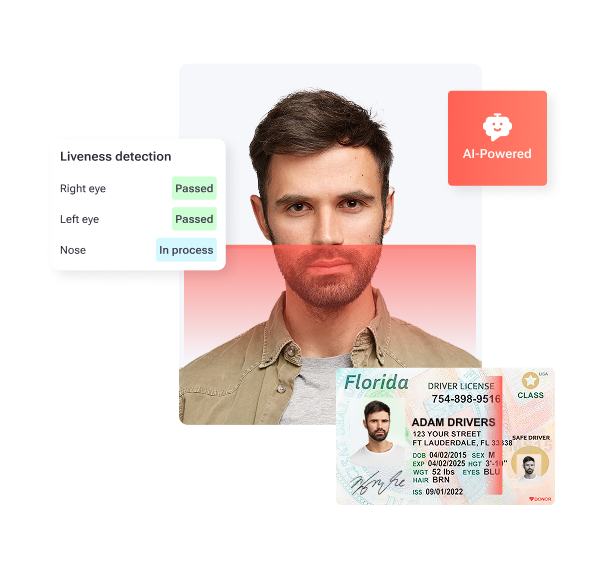
- Accepted documents include driver’s licenses, passports, birth certificates, and affidavits, combined with biometric liveness detection to reduce fraud.
- The Biennial Age Census requires age surveys every two years, along with verification for all new tenants and buyers.
- Layered verification with ID-to-selfie matching, automated workflows, and board dashboards reduces manual errors and supports FCRA compliance.
- Streamline your processes with TenantEvaluation’s 55+ verification tools to keep age records audit ready.
Core Concepts for Florida 55+ Age Verification
Age verification documentation best practices for Florida 55+ communities focus on systematic collection, validation, and maintenance of proof-of-age documents under the Housing for Older Persons Act (HOPA). To meet HOPA requirements, communities rely on government-issued driver’s licenses, passports, birth certificates, and signed affidavits from household members over 18. Modern best practices enhance these traditional documents with biometric liveness detection, which confirms identity in real time through ID-to-selfie matching with anti-spoofing technology. This combination of documentation and biometrics forms the foundation of the operational framework. The framework follows a clear path: application submission, document collection, layered verification, board review through centralized dashboards, and detailed audit trail maintenance. These steps connect directly with resident screening workflows so communities maintain both age compliance and thorough background checks.

Industry Trends Shaping 55+ Age Verification
The 2026 landscape shows major changes in how communities handle age verification. Industry leaders recommend layered age verification methods that combine automated biometric scans using facial recognition and liveness detection with document verification to balance speed, accuracy, and user experience. The FBI’s 2024 annual report documented that older Americans faced a 43 percent increase in fraud losses, which underscores the need for stronger verification systems. Florida’s regulatory environment also demands ongoing monitoring, with mandatory age verification surveys sent to all occupied units at least once every two years as part of the Biennial Age Census. The industry is moving away from manual PDF-based processes and toward integrated platforms that combine documentation requirements with biometric age verification HOAs can trust. These shifts directly affect how Community Association Managers design and manage daily verification workflows.
Daily Age Verification Workflows in Florida 55+ Communities
Daily operations in Florida 55+ communities require consistent handling of birth certificates, driver’s licenses, and passports for both tenants and purchasers. Modern best practices use hybrid approaches that combine traditional documentation with online age verification methods for stronger security and faster processing. This approach helps communities keep pace with regulatory expectations while reducing manual work for staff.
Required Documents for HOA Age Verification
| Document Type | Examples | Florida-Specific Considerations |
|---|---|---|
| Primary Government ID | Driver’s license, passport, passport card | REAL ID-compliant state driver’s licenses preferred |
| Birth Documentation | Certified birth certificate, Certificate of Naturalization | Must include official seal from issuing authority |
| Alternative Verification | Signed affidavit from household member over 18 | Acceptable when primary documents are unavailable |
Community Association Managers should set clear documentation standards that align with HOPA while still supporting efficient operations. The safest approach to age verification combines multiple document types with biometric confirmation to reduce fraud and support a defensible audit trail.
Compliance, Risk Management, and Board Oversight
Age verification documentation best practices must address FCRA compliance, privacy protection, and audit trail expectations. Data minimization principles call for limiting collection and retention of personal information to specific, defined purposes, while encryption and secure storage protect sensitive resident data. Florida-specific rules include maintaining the 80/20 occupancy ratio, conducting biennial surveys, and ensuring governing documents clearly state the community’s intent to operate under HOPA. Board oversight through centralized dashboards supports real-time compliance monitoring while keeping resident age rosters confidential. Layered verification that combines documentation with biometric age checks gives 55+ Florida communities the strongest position when facing disputes or regulatory reviews.

Common Age Verification Challenges in Florida 55+ Communities
Florida 55+ communities encounter recurring issues that weaken age verification programs:
- Inconsistent document acceptance criteria across applications
- Manual review processes that create bottlenecks and errors
- Fraudulent or tampered identification documents
- Email fragmentation that causes lost or misplaced documentation
- Incomplete records that expose communities to compliance disputes
- Lack of standardized workflows between Community Association Managers and boards
- Insufficient audit trails for regulatory reviews
These failure points increase liability, add administrative burden, and threaten HOPA exemption status, so communities need structured age verification practices to operate safely.
Seven Practical Steps for Stronger Age Verification
The following seven-step checklist helps communities build consistent, defensible processes:
- Standardize Documentation Requirements: Create clear criteria for acceptable age verification documents that align with HOPA guidelines.
- Implement Intelligent Application Forms: Use dynamic forms that adjust based on applicant type and community-specific rules.
- Layer Biometric Verification: Add biometric age verification that combines liveness detection with ID-to-selfie matching for stronger security.
- Automate Redaction and Storage: Use secure, encrypted storage with automatic redaction of sensitive personal information.
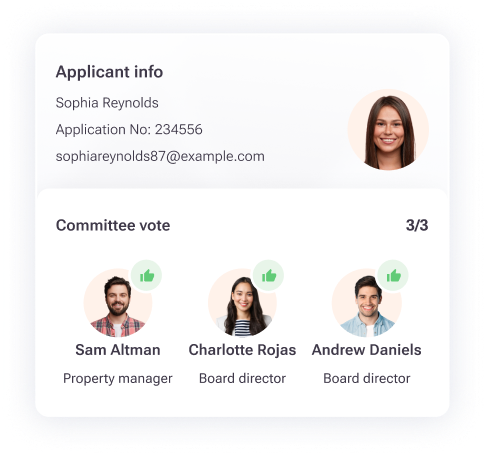
- Deploy Board Dashboards: Give board members real-time visibility and streamlined approval workflows.
- Maintain Comprehensive Audit Trails: Record every verification step with timestamps and decision notes.
- Integrate with Resident Screening: Connect age verification with background checks for a complete view of each applicant.
2026 FTC guidelines highlight layered systems that start with low-friction methods and escalate to more rigorous checks when needed. Privacy-preserving technologies now support online age verification that protects resident data while still meeting compliance expectations.
Why TenantEvaluation Fits Florida 55+ Communities
TenantEvaluation offers an all-in-one platform built specifically for Florida 55+ HOAs and condos, cutting manual work by up to 70% while standardizing how teams handle age documentation. The platform’s 55+ Communities Verification capability helps Community Association Managers improve documentation consistency and day-to-day efficiency through workflows tailored to Florida associations. IDVerify brings biometric liveness detection and facial matching directly into the screening process. QuickApprove dashboards give boards real-time visibility into applications and faster approval options.

| Feature | TenantEvaluation | ApplyCheck/Verify Screening | Manual Processes |
|---|---|---|---|
| Time Savings | 70% reduction | Limited automation | No time savings |
| 55+ Community Tools | Built-in verification | Generic screening only | Manual tracking |
| Biometric Integration | Native IDVerify | Third-party add-ons | Document review only |
| Board Dashboard | QuickApprove included | Limited board access | Email communication |
With FCRA compliance as a core requirement, TenantEvaluation processes more than 100,000 applications annually across 5,000+ communities while maintaining a 4.8/5 Google rating. See how specialized 55+ community tools reduce manual work by 70% in a personalized walkthrough.
How to Evaluate Age Verification Platforms
When selecting age verification solutions, Community Association Managers should focus on Florida-specific customization, integrated biometric tools, workflow automation, strong audit features, and scalability across multiple properties. The most effective platforms combine proven documentation practices with resident screening, provide clear board-level visibility, and maintain FCRA compliance at every step. Decision makers should also look for revenue-sharing options, no upfront costs, and 24/7 multilingual support for diverse applicant groups. Experience with 55+ communities, integration with existing property management systems, and flexibility to adjust to new regulations should all factor into the final choice.
Frequently Asked Questions
What documents are needed to verify age in Florida 55+ HOAs?
Florida 55+ communities typically accept government-issued driver’s licenses, passports, birth certificates with official seals, or signed affidavits from household members over 18. REAL ID-compliant state driver’s licenses are preferred, and all documents must clearly show the applicant’s date of birth to confirm they meet the 55+ requirement. The key is clear proof of age and, for birth certificates, an official seal from the issuing authority.
What is the safest way to do age verification for HOAs?
The safest approach combines layered documentation with biometric verification, including liveness detection and ID-to-selfie matching. This hybrid method reduces document fraud, maintains detailed audit trails, encrypts sensitive data, and gives boards centralized oversight for stronger risk management.
How can HOAs verify age without requiring physical ID submission?
Modern biometric age verification systems let applicants photograph their government ID and complete selfie verification with liveness detection through secure mobile applications. This process removes the need for physical document handling while providing stronger fraud protection than traditional paper-based workflows.
What is the best biometric age verification for 55+ Florida communities?
Integrated platforms like IDVerify that combine government ID validation, AI-powered liveness detection, and facial biometric comparison provide strong protection. These systems operate inside the resident screening workflow, remove the need for external portals, and maintain FCRA compliance and audit readiness.
How often must Florida 55+ communities verify resident ages?
Florida 55+ communities must conduct comprehensive age verification surveys at least once every two years as part of the Biennial Age Census requirement. Communities must also verify age during the standard application process for all new buyers and tenants before move-in to maintain HOPA compliance.
Conclusion and Next Steps for Florida 55+ Communities
Comprehensive age verification practices protect Florida 55+ communities from fraud, support HOPA compliance, and streamline administrative work. The seven-step checklist gives Community Association Managers a clear roadmap to standardize documentation, add biometric verification, and maintain audit-ready records. Communities that adopt layered verification, combining traditional documents with modern biometric tools, position their properties for long-term operational stability. Connect with our team to explore how TenantEvaluation’s 55+ Communities Verification can reduce compliance risk for your Florida HOA or condo association.
