Written by: Luis Teran, Co-founder, CEO, TenantEvaluation
Key Takeaways for Florida 55+ Age Verification
- Florida 55+ communities must keep at least 80% of units with one 55+ resident under HOPA and Florida Statute 760.29(4) to preserve age-restricted status.
- Manual age verification creates administrative bottlenecks, compliance risk, and delays for CAMs who manage emails, PDFs, and repeated follow-ups.
- Acceptable documents include driver’s licenses, birth certificates, government IDs, and affidavits, and communities must complete biennial age surveys.
- Automated platforms cut manual work, standardize review steps, maintain audit-ready records, and improve CAM efficiency with real-time board visibility.
- Simplify your 55+ verification workflow with TenantEvaluation’s Florida-focused verification platform for condos and HOAs.
Why Manual Age Verification Breaks Down for Florida 55+ Communities
Manual age verification condo association processes create multiple pain points for CAMs and boards. Fragmented communication through emails and PDFs often results in incomplete submissions and missing documents. Manual ID verification also consumes valuable staff time that could support resident service or board priorities. HOPA age verification forms require reliable procedures using government-issued birth certificates, driver’s licenses, or resident affidavits to maintain compliance with the 80/20 rule.
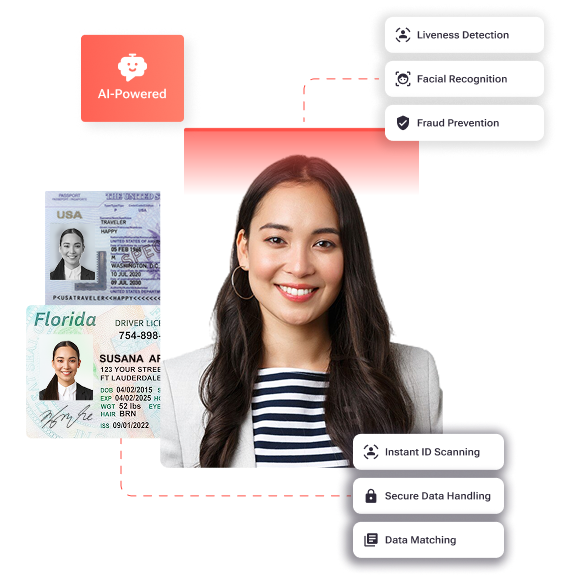
Key Benefits of Automated Age Verification for CAMs
Automated platforms deliver measurable improvements across connected operational areas that affect both compliance and resident experience.
- Reduced Manual Work: Automation removes many repetitive tasks, which frees CAMs to focus on strategic community management and resident issues.
- Standardized Handling: Every application follows the same document collection and review steps, which reduces errors and inconsistent decisions.
- Documentation Consistency: Automated record-keeping creates complete, audit-ready files that support HOPA and Florida fair housing reviews.
- CAM Efficiency: Faster processing times and fewer back-and-forth emails give CAMs more time for higher-value activities.
- Board Transparency: Real-time dashboards show application status and verification progress, which reduces board uncertainty and follow-up requests.
- HOPA Risk Reduction: Structured workflows close common compliance gaps and lower audit exposure for the association.
These HOPA-approved verification methods provide multiple options for confirming resident ages while keeping documentation consistent across the community. Two-year age survey condo association requirements mandate biennial compliance reviews to maintain the 80/20 threshold described above.
7-Step Age Verification Process for Florida 55+ Condos
Effective age verification follows a clear, repeatable process that supports HOPA compliance and keeps operations manageable for CAMs and boards. Whether your community uses manual workflows or an automated platform, these seven steps form the core of a compliant program.
- Define Community Rules: Establish age requirements based on governing documents and Florida Statute Section 760.29(4).
- Collect Required Documents: Gather the acceptable verification documents outlined above from all residents and applicants.
- Verify Ages: Review submitted documentation to confirm that resident ages meet your community’s stated standards.
- Conduct Biennial Surveys: Perform the mandatory two-year reviews described earlier to confirm ongoing age compliance.
- Review 80/20 Compliance: Monitor unit occupancy to ensure the community maintains the required age threshold across occupied units.
- Maintain Audit Records: Document all verification activities so the association can respond confidently during audits or legal reviews.
- Handle Refusals (When Necessary): Conduct thorough investigations when residents refuse age verification requests. This conditional step can occur at any point in the process and should follow a documented procedure.
The following table summarizes common age verification methods and their sources so CAMs can quickly confirm which documents satisfy HOPA standards.
| Method | Description | Source |
|---|---|---|
| Driver’s License | Government-issued ID with date of birth | myLifeSite |
| Birth Certificate | Official birth record documentation | myLifeSite |
| Sworn Affidavit | Resident affidavit used when standard documents are unavailable or refused | myLifeSite |
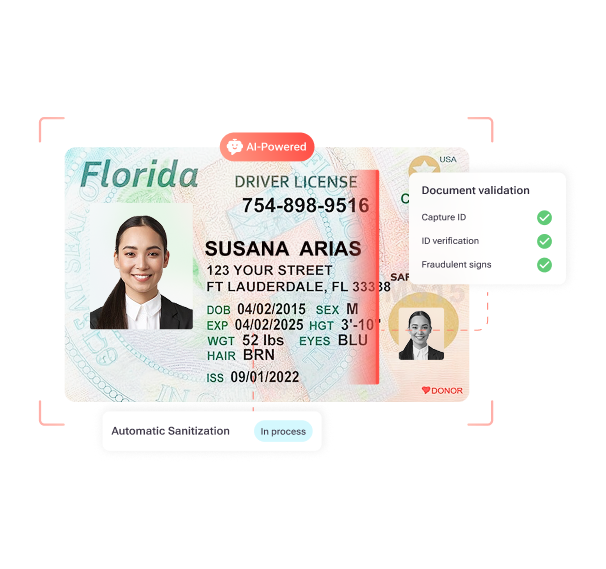
Automated platforms streamline these steps by digitizing document collection, standardizing review workflows, and maintaining comprehensive audit trails. See how TenantEvaluation handles these seven steps automatically in a live walkthrough.
Florida-Specific Rules for 55+ Age Verification
Florida Statute Section 760.29(4) outlines fair housing requirements for age-restricted communities, including policies, services, and verification procedures. The Fair Housing Act 55-and-older exemption applies when associations document their intent to serve older adults and follow consistent age verification standards.
Adult Children Occupancy Rules in Florida 55+ Condos
Adult children face significant restrictions in 55+ communities because of the 80/20 rule. HOPA permits exceptions for spouses under 55 living with qualifying residents, but long-term adult child occupancy usually conflicts with the limited flexibility available for younger residents. Some communities allow exceptions for disabled adult children who cannot live independently, although policies differ by association.
Understanding how HOPA’s 80/20 rule applies to different unit categories helps boards see exactly where they have flexibility and where they do not.
| Unit Category | Age Requirement | Compliance Standard |
|---|---|---|
| 80% of Units | At least one resident 55+ | HOPA Mandatory |
| 20% of Units | Flexible occupancy | HOPA Permitted |
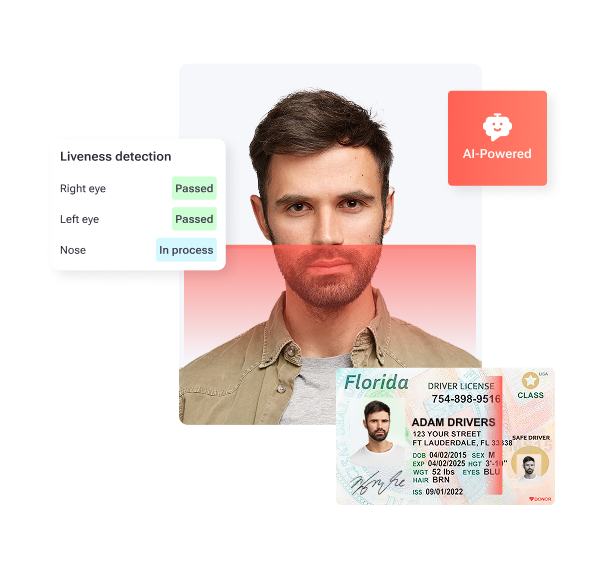
Given Florida’s unique regulatory environment and the complexity of adult child exceptions, associations evaluating automated platforms should prioritize features that address these specific challenges. Key evaluation criteria include Florida customization capabilities, comprehensive audit trails, multi-language support for diverse communities, revenue sharing models, biometric verification options, and dedicated board dashboards for oversight.
Manual vs. Automated Age Verification for Florida 55+ Communities
The efficiency gap between manual and automated age verification processes creates clear operational advantages across several critical metrics. The comparison below highlights how automation cuts processing time, improves accuracy, and strengthens compliance for Florida 55+ communities.
| Metric | Manual Process | Automated Platform |
|---|---|---|
| Processing Time | Days to weeks | Hours to days |
| Error Rate | High due to inconsistent documentation | Low through standardized workflows |
| Cost Impact | Revenue losses from approval delays | Annual savings potential |
| Compliance Risk | Documentation gaps and audit exposure | Comprehensive audit trails and records |
TenantEvaluation’s 55+ Communities Verification supports scalability for Florida associations that manage high application volumes. The platform’s FCRA-first design supports compliance while reducing manual work, standardizing application handling, and maintaining documentation consistency for Florida condos and HOAs.
Florida 55+ Adult Child Compliance Considerations
The 80/20 rule 55+ community standard creates specific limitations for adult children and other younger occupants. Communities must maintain at least 80% of occupied units with residents aged 55 or older, which leaves only 20% flexibility for younger households. Age verification refusal HOPA procedures require thorough investigations using alternative documentation methods when residents decline to provide standard verification.
Frequently Asked Questions
What is a HOPA age verification form?
A HOPA age verification form collects reliable documentation to confirm resident ages in 55+ communities. Forms typically request government-issued identification, birth certificates, or sworn affidavits as acceptable proof. The verification process helps communities maintain the required 80% threshold of units with at least one resident aged 55 or older, which supports exemption status under the Fair Housing Act.
How often must communities conduct two-year age surveys?
Communities must perform biennial age verification surveys to maintain HOPA compliance. These surveys confirm ongoing adherence to the 80/20 rule by documenting current resident ages across all occupied units. The recurring cycle allows communities to demonstrate continuous compliance during audits or regulatory reviews.
What happens when residents refuse age verification requests?
When residents refuse to provide age verification documentation, communities must conduct thorough investigations using alternative methods. These methods may include reviewing lease agreements, utility records, or obtaining resident affidavits. Communities cannot simply assume non-compliance and must make reasonable efforts to verify ages through available documentation.
How does Florida law address 55+ community requirements?
Florida Statute Section 760.29(4) sets fair housing requirements for 55+ communities in the state. Communities must maintain documentation that shows their intent to serve older adults and must align policies, services, and physical design features with that purpose.
Can adult children live permanently in 55+ communities?
Adult children face significant restrictions in 55+ communities because of the 80/20 rule requirements. While some exceptions exist for disabled adult children who cannot live independently, most communities limit long-term adult child occupancy to protect HOPA compliance. Temporary visits and short-term stays may be allowed under specific guest policies defined in the governing documents.
What is the 80/20 rule in 55+ communities?
The 80/20 rule requires that at least 80% of occupied residential units house at least one person aged 55 or older, while the remaining 20% may accommodate younger residents or families. Communities must maintain this threshold on an ongoing basis and conduct regular verification surveys to document continued compliance with HOPA standards.
Streamline Your 55+ Community Verification Today
Manual age verification processes drain CAM resources and expose Florida associations to compliance risks and audit vulnerabilities. HOPA and Florida Statute Section 760.29(4) require reliable verification procedures that protect community exemption status while supporting efficient operations. TenantEvaluation’s 55+ Communities Verification reduces manual work, standardizes application handling, supports documentation consistency, and strengthens internal processes for Community Association Managers.
The platform processes many applications annually with a 4.8/5 Google rating, generating $150 million for communities through streamlined workflows. This scale is possible because FCRA-first compliance supports regulatory adherence while specialized features address specific verification challenges. QuickApprove dashboards provide board transparency throughout the process, and IDVerify biometric verification prevents identity fraud before it becomes a compliance issue. Built for Florida condos and HOAs, TenantEvaluation improves operational efficiency while maintaining the documentation standards essential for 55+ community compliance. Schedule a demo to see the platform in action for your community.
