Written by: Luis Teran, Co-founder, CEO, TenantEvaluation
Key Takeaways
- HOPA requires 55+ communities to meet four standards: 80/20 occupancy, published policies, age verification, and compliance monitoring.
- The 80/20 rule states that at least 80% of units must have one resident aged 55 or older, with 20% flexibility for certain younger occupants.
- Florida 55+ communities often apply stricter rules than federal minimums, including spouse age minimums, visitor limits, and enhanced screening.
- Manual age verification creates heavy administrative work, fraud risk, and HUD compliance exposure for CAMs managing high-occupancy properties.
- Florida CAMs can streamline 55+ verification with TenantEvaluation’s specialized platform built for age-restricted communities.
Core HUD Requirements for 55+ Communities
The Housing for Older Persons Act sets four requirements that 55+ communities must follow to keep age-restricted status.
- 80/20 Occupancy Rule: At least 80% of occupied units must have at least one resident aged 55 or older.
- Published Policies: Communities must show a clear intent to house older persons.
- Age Verification: Communities must verify resident ages at move-in and at set intervals.
- Compliance Monitoring: 24 CFR 100.300-100.305 requires ongoing verification of occupancy compliance.
These federal rules create the baseline for age-restricted operations, and Florida HOAs and condominiums often add their own stricter layers on top.
How the 80/20 Rule Works in Age Restricted Communities
The 80/20 rule states that at least 80% of occupied units must include at least one resident aged 55 or older. Communities confirm this through periodic surveys and documentation that follow HUD HOPA guidelines.
HOPA counts a household toward the 80% requirement when at least one resident is 55 or older. Younger spouses, partners, or adult children can live in those qualifying units.
The remaining 20% allows limited flexibility for live-in caregivers, adult children over 18, and other family members with documented relationships. Many Florida communities still choose stricter internal policies that require 100% age compliance and do not fully use this 20% allowance.
The following table shows how Florida communities often exceed federal minimums in several policy areas.
| Requirement | HUD Minimum | Typical Florida Community |
|---|---|---|
| Age Compliance | 80% of units | Often 100% required |
| Visitor Limits | Flexible guidelines | 15-30 days per year |
| Spouse Age Minimum | No specific federal minimum | Often 40-45 years minimum |
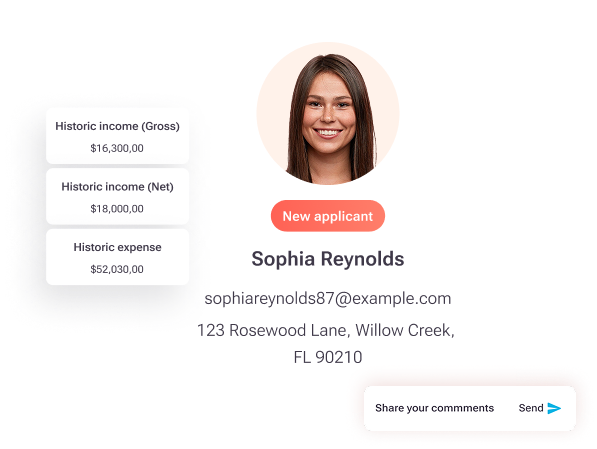
See how TenantEvaluation standardizes application handling for Florida CAMs in a live demo.
Step-by-Step Age Verification in 55+ Communities
Age verification works best when communities follow a consistent process and keep clear records. Core steps include the following.
- Initial Documentation: Collect government-issued identification, birth certificates, or passports during the application stage.
- Applicant Affidavits: Require signed statements that confirm age eligibility and household composition.
- Periodic Surveys: Run regular occupancy checks to confirm ongoing HOPA compliance.
- Audit Trail Maintenance: Store all verification documents in an organized way for future regulatory review.
Acceptable documentation usually includes driver’s licenses, state-issued ID cards, passports, birth certificates, and military identification. Florida 55+ communities also commonly require background checks, proof of financial qualification, and HOA approval as part of a full screening process.

Eligibility for Residents Under 55
Most 55+ communities do not accept a 52-year-old as a primary resident. Under HOPA, communities must keep the 80% occupancy threshold described earlier, which centers on at least one resident aged 55 or older in qualifying units.
Some communities allow younger individuals as temporary residents or as live-in caregivers for qualifying residents. These situations usually require specific documentation, clear caregiver roles, and formal approval from the community.
Policies differ widely across Florida HOAs and condominiums, so CAMs need accurate records and clear communication with boards and applicants.
Adult Children and Household Flexibility in 55+ Communities
Adult children aged 18 or older can often live with qualifying 55+ residents under HOPA’s flexibility provisions. Communities typically require proof of relationship, documentation of financial responsibility, and adherence to community rules.
HOPA’s 20% flexibility allows up to 20% of occupied units to be occupied by people under 55. Florida communities frequently add limits on length of stay, financial responsibility, and household composition for these units.
Detailed audit trails for these exceptions help communities defend decisions during compliance reviews and resolve disputes with clear evidence.
Florida-Specific Rules for Age Restricted Communities
Florida 55+ communities follow federal HOPA rules and often layer on stricter local policies. Common Florida-specific rules include the following.
- Minor Restrictions: Most Florida 55+ communities prohibit minors under age 18 or 19 as permanent residents.
- Spouse Age Requirements: Many communities allow younger spouses and set minimum ages around 40 or 45.
- Visitor Policies: Children and grandchildren can usually visit for a limited number of days each year.
- Enhanced Screening: Communities often require background checks, credit reviews, and financial qualification that go beyond federal minimums.
These stricter standards increase verification complexity for CAMs who manage multiple properties with different rules. Growing dispute volume and audit risk make standardized documentation and clear workflows essential.
Operational Challenges with HUD Rule Enforcement
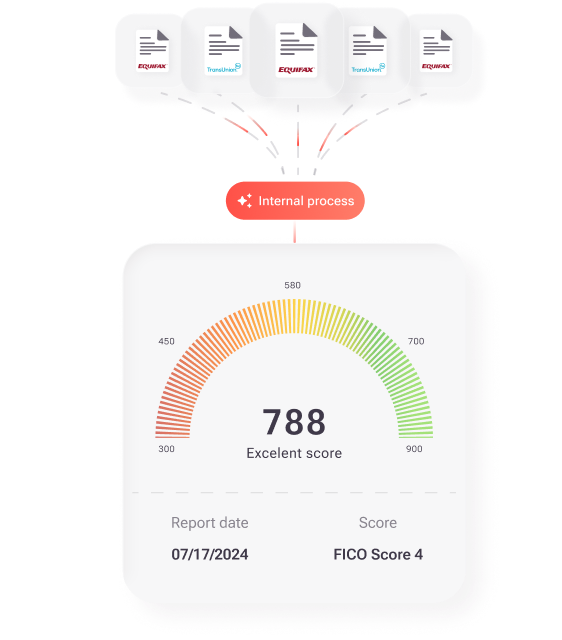
Manual verification creates a chain of operational problems for Florida CAMs. Fragmented email threads, scattered PDFs, and manual follow-ups cause documentation gaps and incomplete records.
These gaps push staff into administrative overload. Busy communities can spend more than 50 hours each week on manual verification tasks that do not scale.
Document-only checks without identity confirmation increase fraud risk, especially when applicants submit altered or outdated IDs. Inconsistent recordkeeping then creates audit vulnerabilities during HUD or legal reviews.
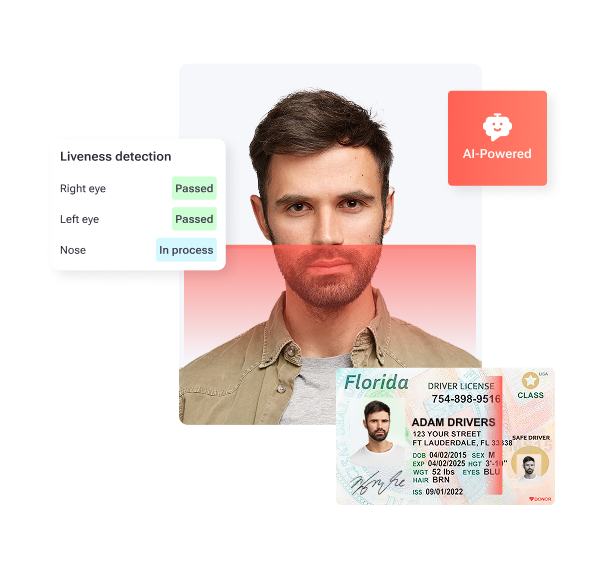
TenantEvaluation’s 55+ Communities Verification addresses these issues by standardizing application handling, cutting manual work, and improving documentation consistency. Built for Florida CAMs, the platform connects with QuickApprove for board oversight and IDVerify for stronger identity checks.
| Feature | TenantEvaluation | ApplyCheck | Verify Screening Solutions |
|---|---|---|---|
| Time Savings | 70% reduction | Manual processes | Manual processes |
| Florida Focus | Built for FL CAMs | Generic platform | Generic platform |
| 55+ Specialization | Dedicated feature | No specialization | No specialization |
Customer feedback shows strong efficiency gains. One team reported they “freed up 50 hours a day” by using automated verification workflows and standardized documentation.
Structured processes reduce manual work and protect compliance records for age-restricted communities. TenantEvaluation’s 55+ Communities Verification gives Florida CAMs the control and consistency they need to manage 55+ properties at scale.
Senior housing occupancy often approaches 90%, and demand from aging Baby Boomers continues to grow. Efficient verification now directly supports revenue growth and risk reduction.
TenantEvaluation has helped communities generate more than $150 million while serving over 5,000 properties with Florida-focused compliance features. Request a personalized demo to see how our 55+ verification platform can streamline your operations.
Frequently Asked Questions
What is the 80/20 rule in age restricted communities?
The 80/20 rule states that at least 80% of occupied units in a 55+ community must include at least one resident aged 55 or older. This federal standard under HOPA allows limited flexibility for younger spouses, adult children, or caregivers within the remaining 20%. Communities must confirm compliance on a regular schedule through surveys and supporting documentation.
How often must age verification be conducted in 55+ communities?
Federal HOPA guidelines require communities to verify occupancy compliance on an ongoing basis. Many Florida communities complete verification at move-in, then request periodic updates or full surveys at set intervals. CAMs must maintain proper documentation and audit trails throughout each verification cycle.
What are the key differences between federal HUD rules and Florida 55+ community policies?
Federal HOPA sets minimum standards such as the 80/20 rule and basic verification requirements. Florida communities often go further with 100% age compliance rules, minimum spouse ages around 40 to 45 years, bans on minors under 18 or 19 as permanent residents, and visitor limits that cap annual stays. Many also require deeper background checks and financial reviews than federal rules specify.
What tools can help streamline 55+ community verification processes?
TenantEvaluation’s 55+ Communities Verification gives Florida CAMs standardized application handling, automated document workflows, and consistent recordkeeping. The platform can reduce manual work by up to 70%, connect with board approval systems, and maintain complete audit trails. This focused tool supports the specific operational and compliance needs of Florida age-restricted communities.
Can a 52-year-old live in a 55+ community under any circumstances?
Most 55+ communities do not accept a 52-year-old as a qualifying primary resident because they must maintain the HOPA occupancy threshold described earlier. Some communities allow limited exceptions for live-in caregivers who support eligible residents, but these cases require clear documentation, community approval, and close compliance monitoring. Florida 55+ communities usually enforce strict age rules and keep exceptions rare.
