
Key Takeaways
- Florida HOAs face rising vendor, insurance, and compliance costs, so boards need a clear plan to control expenses without lowering community standards.
- Smarter vendor contracts, disciplined budgeting, and fully funded reserves help stabilize assessments and reduce surprise special assessments.
- Technology that automates applications, screening, payments, and communication cuts administrative workload and reduces compliance risk.
- Preventive maintenance and energy-efficiency upgrades lower long-term repair and utility costs while supporting property values.
- Tenant Evaluation offers HOA-focused tools that streamline screening and payments, improving cash flow and staff efficiency. Get started with Tenant Evaluation.
The Challenge: Balancing Quality and Cost in Florida HOAs
Florida associations manage rising vendor prices, insurance premiums, and complex state regulations, often with limited volunteer time. Manual, paper-heavy processes add to costs and increase the chance of errors or missed deadlines.
Poor financial management can lead to delayed services, frequent special assessments, and pressure on property values. HOAs that combine strategic planning, careful vendor oversight, and modern technology create affordable management models that support long-term financial health and resident satisfaction.
1. Lower Service Costs With Smarter Vendor Contracts
Stronger vendor contracts reduce service costs without sacrificing quality. Thorough preparation before vendor negotiations, including research on background, reputation, and market rates, gives boards clear leverage. Clear scopes of work and service expectations prevent gaps and future disputes.
Boards that enter discussions with specific goals, such as defined price targets or service upgrades, can negotiate on items like pricing, term length, payment timing, and service frequency. Tactics such as bundling services for volume discounts and building win-win terms support long-term vendor relationships.
Cost-effective contracts focus on overall value. Key elements include detailed scope, performance standards, renewal and termination language, limits on price increases, and clear insurance requirements. Legal review before signing helps avoid hidden fees or unfavorable clauses that increase costs later.
2. Use Strategic Budgeting and Reserves To Protect Cash Flow
Accurate, conservative budgets form the base of stable assessments. Effective HOA budgets account for operating costs, inflation, and contingency funds, while reserve schedules prepare for large projects such as roofing, paving, or mechanical replacements.
Well-funded reserves reduce the need for sudden special assessments and help maintain property conditions. Boards can prioritize essential services, trim lower-impact spending, and share clear financial reports so residents see how their fees support long-term community stability.
3. Use Technology To Cut Administrative Work
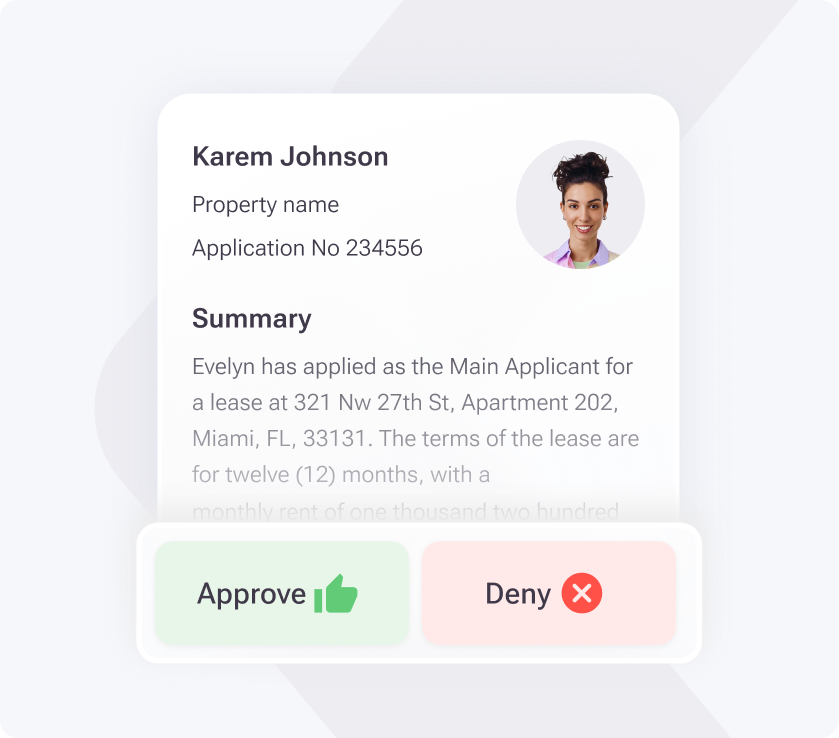
Modern software reduces manual work and improves accuracy across core HOA processes. Digital portals for communication, document storage, and applications lower printing, mailing, and staff time costs.
HOAs that adopt automated screening and application workflows often cut processing times by half and reduce follow-up calls and data entry errors. One Florida management company shifted from manual screening to an automated system and achieved a 50 percent time savings and $240,000 in annual cost reductions by removing repetitive tasks.
Secure platforms that handle background checks, document redaction, notifications, and audit trails support compliance while reducing staff workload. The result is fewer bottlenecks, faster decisions, and more time for managers to address resident needs.
4. Improve Communication and Transparency With Residents
Clear communication reduces confusion, complaints, and resistance to necessary financial decisions. Regular updates on budgets, projects, and policies help residents understand how the board manages their fees.
Consistent channels such as email newsletters, community websites, and portals give residents easy access to documents and announcements. When owners can see application status, meeting notes, and financial summaries, staff spend less time answering basic questions and more time managing higher-value tasks.
Transparent processes for applications and approvals also build trust. Real-time status updates and clear timelines reduce uncertainty, which often lowers disputes and escalations that consume board and manager time.
5. Reduce Long-Term Repairs With Preventive Maintenance
Planned maintenance usually costs less than emergency repairs. Regular inspections for roofs, pavement, mechanical systems, and common areas help boards correct minor issues before they grow into major projects that disrupt budgets.
Programs that include routine HVAC service, roof checks, and drainage reviews extend asset life and lower the frequency of large special assessments. Well-maintained common areas also support property values and resident satisfaction, which benefits the entire community.
6. Cut Utility Costs Through Energy Management
Energy and water use often represent a major operating expense for Florida HOAs. Energy audits highlight high-consumption areas and guide targeted improvements such as LED lighting, smart thermostats, and updated irrigation controls.
Many utilities provide rebates for efficiency upgrades and better rates for communities that meet conservation benchmarks. Boards that evaluate solar or other renewable options for common areas may unlock long-term savings and appeal to residents who value sustainability.
These projects can reduce monthly utility bills while supporting a cleaner, better-maintained community environment.
7. Streamline Resident Onboarding and Application Processes
Efficient onboarding improves first impressions and reduces staff time per application. Manual, paper-based files slow down approvals and increase the risk of missing documents or inconsistent screening.
Centralized screening platforms handle ID verification, background checks, income verification, and document collection in one workflow. Automated rules move each file through review and approval steps while maintaining a complete audit trail for compliance.
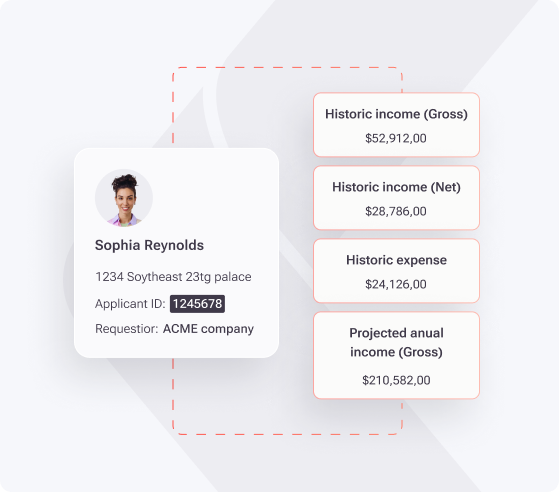
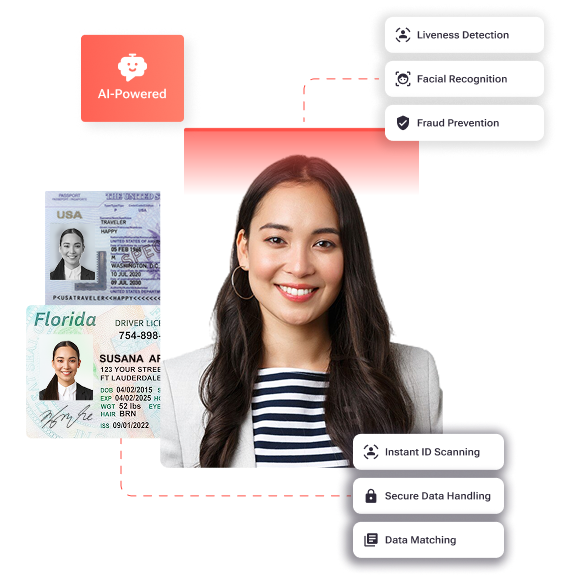
Tenant Evaluation has supported HOAs in processing more than 100,000 applications per year and generating over $150 million in related revenues, while reducing manual effort. Automation shortens approval times, improves consistency, and creates a clear experience for applicants and boards.
Frequently Asked Questions
How often should HOAs renegotiate vendor contracts for affordable HOA management?
Most HOAs benefit from reviewing key contracts annually while rebidding major agreements every three to five years. This rhythm balances competitive pricing with stable vendor relationships and reduces the risk of service disruption. Thorough preparation before each negotiation supports better pricing and clearer terms.
What are the key elements to include in an HOA vendor contract to ensure cost-effectiveness?
Cost-effective contracts define scope of work, performance standards, timelines, payment terms, and renewal or termination options. Clear limits on price increases, insurance requirements, and liability protections protect the association from unexpected expenses. Objective quality measures and issue-resolution steps help maintain service levels throughout the contract.
Can technology make a significant difference in reducing HOA management costs?
Technology can lower costs by reducing manual data entry, printing, postage, and repetitive follow-ups. Digital tools for applications, communications, documents, and fee collection free up staff hours and reduce errors. Many communities that adopted automated screening and payment systems reported substantial annual savings and faster turnaround times.
How can HOAs ensure vendor accountability without constant monitoring?
Clear contracts and measurable performance standards provide the foundation for vendor accountability. Regular performance reviews, documented feedback, and defined consequences for non-compliance support consistent service without daily oversight. Many boards delegate routine vendor contact to the community manager and reserve board time for review and decision-making.
What role does resident communication play in achieving affordable HOA management?
Effective communication reduces misunderstandings, disputes, and repeat inquiries, all of which consume staff and volunteer time. When residents understand financial choices, project timelines, and policy reasons, they are more likely to support board decisions and comply with rules. This cooperation lowers enforcement costs and helps the board focus on long-term planning.
Conclusion: Building a Financially Stable HOA in 2026
Affordable HOA management in Florida depends on a combination of disciplined budgeting, strong vendor agreements, preventive maintenance, energy management, and smart technology. Boards that follow these strategies often see lower operating costs, fewer crises, and higher resident confidence.
Structured processes for screening, payments, and communication give managers and volunteers more time to focus on long-term planning instead of daily firefighting. Over time, these improvements support stable assessments, protect property values, and create a more predictable financial future for the community.