Written by: Luis Teran, Co-founder, CEO, TenantEvaluation | Last updated: July 26, 2026
Key Takeaways
- Florida has more 55+ communities than any other state, which increases application volume and pressure on CAMs and boards to manage HOPA age verification correctly.
- The Housing for Older Persons Act (HOPA) requires 80% of occupied units to have at least one resident age 55+, published policies, and systematic age-verification records to keep the Fair Housing Act exemption.
- Primary government IDs, certified birth certificates, and signed affidavits form the core document set for verifying resident age under HUD guidelines.
- Manual, paper-based processes create inconsistency, audit exposure, and extra administrative work that standardized digital workflows can reduce.
- TenantEvaluation streamlines 55+ age verification for Florida condos and HOAs, learn more here.
The Problem: Why Consistent Age Verification Matters
New construction 55+ communities in Florida are expanding rapidly in 2026, with major builders launching developments from Jacksonville to Port St. Lucie to North Fort Myers. Established active-adult and independent-living communities in Florida maintain stabilized occupancy rates of just over 90% to 93%. Units turn over frequently, and new applications arrive on a constant basis.
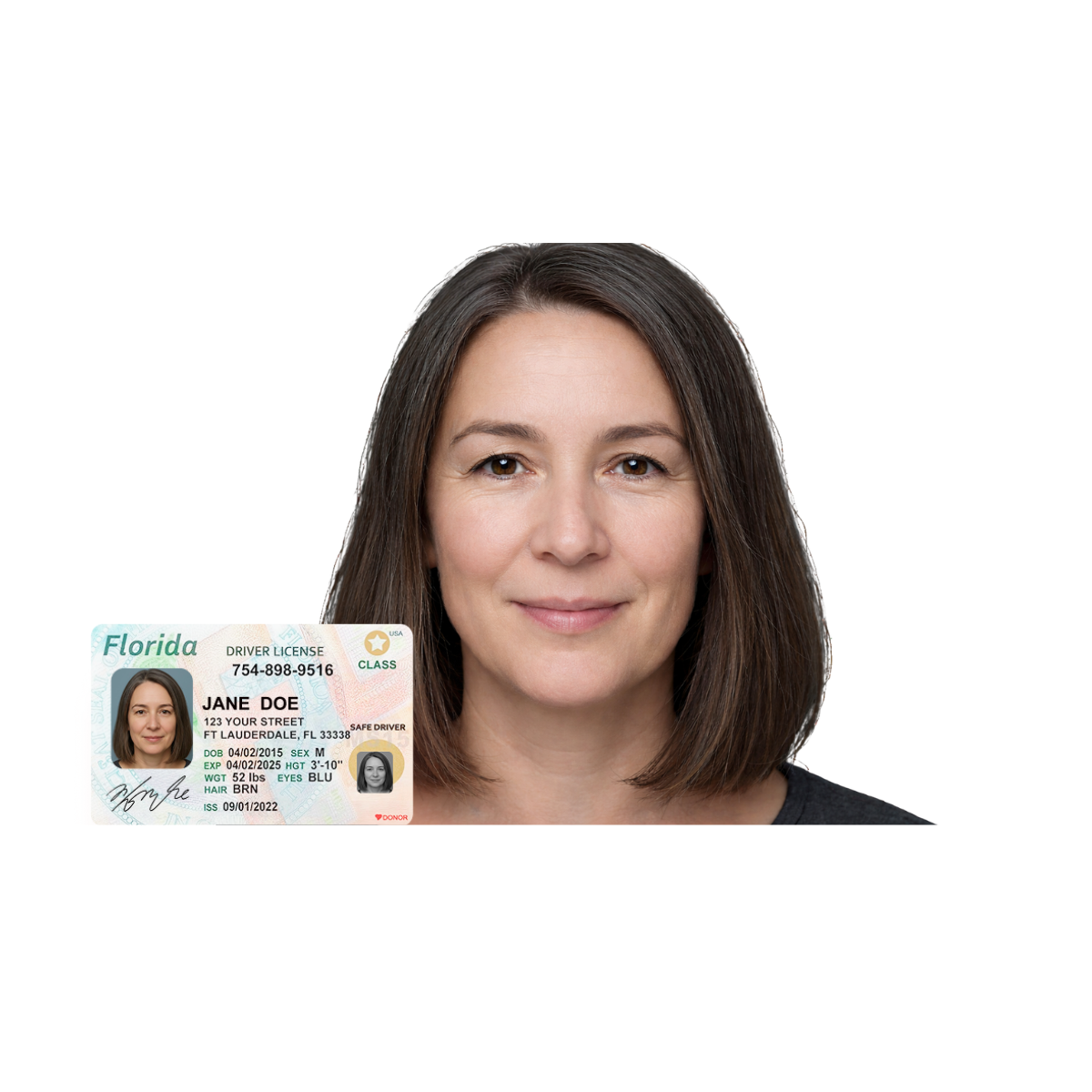
Age verification affects every stage of the application lifecycle. It touches intake, document review, board voting, and biennial survey cycles. Common operational challenges include:
- Inconsistent documentation submitted across applicants and units
- Missing or expired government IDs that require follow-up
- Manual email and PDF workflows with no centralized record
- Fragmented storage that makes audit responses slow and incomplete
- No standardized checklist communicated to applicants upfront
If a 55+ community’s age-qualified occupancy falls below 80%, it risks losing its HOPA exemption and exposing board members to personal liability. Inconsistent documentation and weak recordkeeping increase that risk significantly.
Compliance Priorities for Florida CAMs and Boards
Age verification records create ongoing obligations that extend beyond the initial application. Communities must retain age-verification records systematically so they can demonstrate HOPA compliance to HUD during an inquiry or in response to a fair housing complaint. Shredding records or relying on memory does not satisfy this standard.
Several practical considerations apply to Florida CAMs and boards managing these records:
- FCRA considerations: When background screening accompanies age verification, FCRA-aligned workflows and audit trails are required. TenantEvaluation is built with FCRA compliance as the foundation, not as an add-on.
- Record retention: Communities must maintain records of the verification process, including date, documentation type, and survey methodology. Clear retention rules reduce confusion.
- Audit defensibility: A records protocol should specify where documents are stored, who has access, how updates are logged, and how privacy-sensitive information is handled.
- Board oversight: Board members benefit from real-time visibility into application status and documentation completeness. Email summaries alone rarely provide that level of insight.
Nothing in this guide constitutes legal advice. CAMs and boards should consult qualified legal counsel on their specific obligations.
How HOPA Age Verification Documents Are Classified
24 CFR 100.307 requires housing providers to verify 55+ occupancy through reliable surveys and affidavits but does not prescribe a fixed list of acceptable documents. Communities instead rely on several document categories that, together, create a reliable record of age.
Primary Government IDs Used for Age Verification
Primary government IDs give communities a straightforward way to confirm date of birth. These IDs are familiar to residents and staff, and they fit easily into standard application workflows.

- Driver’s license or state-issued photo ID that clearly shows date of birth
- U.S. Passport or Passport Card with a visible date of birth
- Military ID that includes date of birth
- Immigration documents or Permanent Resident Card (Green Card) that list date of birth
Communities should adopt written policies on which IDs they accept, how they handle expired IDs, and whether they require more than one document when information is unclear.
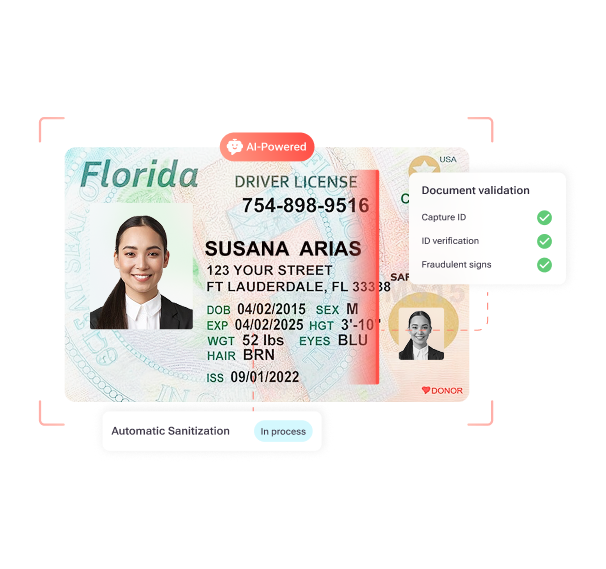
Official Vital Records and Acceptable Alternatives
HUD’s Appendix 3 lists acceptable forms of age verification that do not include Medicare cards. These records help when residents lack standard photo identification or when names and dates need additional confirmation.
- Birth certificate – Certified copies issued by a state vital records office provide direct proof of date of birth.
- Other government-issued documents showing a reliable birth date – Any official record issued by a government agency that includes a verifiable date of birth can support age verification.
- Signed certifications or affidavits – Signed certifications in leases, applications, affidavits, or similar documents that state at least one occupant in the unit is 55 or older are accepted under 24 CFR 100.307.
The following documents are all HUD-recognized for age verification under 24 CFR 100.307:
| Document Type | Category | Requirements & Notes |
|---|---|---|
| Driver’s license / State photo ID | Primary government ID | Must show date of birth; follow community policy on expired IDs |
| U.S. Passport / Passport Card | Primary government ID | Must show date of birth; confirm acceptance of foreign passports if applicable |
| Military ID | Primary government ID | Must display date of birth in a legible format |
| Permanent Resident Card (Green Card) | Primary government ID | USCIS-issued; must show date of birth clearly |
| Birth certificate | Vital record | Certified copy preferred; verify issuing authority |
| Signed affidavit / certification | Alternative | Use when primary documents are unavailable; collect and retain systematically with signatures and dates |
Biennial Survey Requirements and 2026 Updates
Under 24 CFR § 100.307, 55+ communities must develop procedures for regular updates to occupancy data through surveys or other means, although the regulation does not specify a minimum frequency such as every two years. Florida’s fair housing statute addresses requirements for age-restricted communities and guides local practice.
A structured biennial survey process follows a clear sequence so each step supports the next one:
- Inventory all occupied units – Generate a current unit roster with occupant names and move-in dates before the survey begins. This roster becomes the baseline list of units that must respond.
- Issue survey notices – Use the roster to notify all residents of the survey requirement, the documents accepted, and the submission deadline. Provide multilingual notices where appropriate for Florida’s diverse communities.
- Collect and log documentation – Accept primary government IDs, vital records, or signed certifications. Record the document type, date collected, and the staff member who reviewed it for each unit so you can trace decisions later.
- Handle non-responding units – If occupants refuse to comply, the community may rely on government records, prior forms, or a penalty-of-perjury statement from someone with personal knowledge of the occupants’ ages. Document each attempt to obtain cooperation.
- Calculate the 80% threshold – Confirm that at least 80% of occupied units have at least one resident age 55 or older based on collected documentation. Record the calculation method and date.
- Retain all records – Store survey results, documentation types, and methodology in a format that supports audit response. Digital, searchable records reduce retrieval time and support consistent reporting.
Since July 2020, Florida no longer requires 55+ communities to register with the state, although the substantive age-verification rules continue to apply. No federal regulatory changes to HOPA age-verification standards have been announced for 2026 as of the publication of this guide. CAMs should monitor HUD guidance and consult legal counsel for any updates affecting their specific community.
Common Rejection Reasons and How to Prevent Them
Age verification documents often get rejected for issues that communities can anticipate and prevent. The most frequent problems include:
- Expired identification – Residents submit a driver’s license or passport that has passed its expiration date, and the community has no written policy addressing this scenario.
- Missing date of birth – Documents that do not display a date of birth fail HOPA’s reliable-record standard.
- Illegible copies – Scanned or photographed documents where the date of birth or name cannot be clearly read cause delays and rework.
- Unsigned affidavits – Self-certification documents arrive without a signature or without language stating that at least one occupant is 55 or older.
- Wrong occupant documented – Documentation is provided for a non-occupant or a household member under 55 while the qualifying resident is not clearly identified.
- Incomplete unit coverage – Surveys return without documentation for all occupants listed on the application, leaving gaps in the record.
Communities reduce rejection rates by publishing a clear document checklist in the application package and setting a defined follow-up window for incomplete submissions. A standardized intake form that flags missing fields before review also prevents many avoidable issues.
Decision Framework: Evaluating Your Current Age-Verification Process
CAMs and boards can use the following criteria to decide whether their current process supports both operational needs and documentation standards:
| Criterion | Questions to Ask | Risk if Unaddressed |
|---|---|---|
| Compliance Readiness | Are all three HOPA requirements, the 80% threshold, published policies, and biennial verification, documented and current? | Loss of HOPA exemption, fair housing exposure |
| Operational Efficiency | How many staff hours per week go to manual follow-ups for missing age documents? | Administrative burden, delayed approvals |
| Transparency | Can board members see application status and document completeness in real time? | Delayed decisions, board liability exposure |
| Scalability | Can the current process handle peak application seasons without adding headcount? | Bottlenecks, inconsistent processing |
| Auditability | Are records stored in a searchable, date-stamped format that supports a HUD audit response? | Inability to demonstrate compliance, legal exposure |
Communities that find gaps in two or more criteria are strong candidates for a structured workflow review. Schedule a demo today to see how TenantEvaluation’s 55+ Communities Verification supports each of these criteria for Florida condos and HOAs.
Frequently Asked Questions
What documents can be used to verify age in a 55+ community?
Under the federal regulation discussed earlier, communities verify age through reliable surveys and signed certifications rather than a fixed document list. Acceptable options include primary government IDs that show date of birth, certified birth certificates, and signed affidavits stating that at least one occupant is 55 or older. All documents must be collected and retained in a systematic manner that supports future review.
What documents can I use to prove my age if I do not have a standard ID?
When a standard government-issued photo ID is not available, HOPA permits communities to accept alternative documentation such as a certified birth certificate. As noted in HUD’s guidance, Medicare cards are not acceptable for age verification. A signed affidavit or sworn certification from a household member age 18 or older that states at least one occupant is 55 or older is also acceptable. If an occupant refuses to provide documentation, the community may rely on government records, prior verification forms, or a penalty-of-perjury statement from someone with personal knowledge of the occupant’s age.
How can I prove my age without my ID?
Applicants who do not have a current government-issued photo ID can submit a certified birth certificate or a signed affidavit. The affidavit must state that at least one person in the unit is 55 or older and must be signed by a household member age 18 or older. Communities should explain these alternatives clearly in their application materials so residents understand their options and can avoid delays.
What is the new condo law in Florida 2026?
Florida has seen significant legislative activity affecting condominium associations in recent years, including structural safety requirements following the Surfside collapse and ongoing updates to Chapter 718 of the Florida Statutes. As of July 2026, no new Florida law has changed the core HOPA age-verification requirements for 55+ communities. The federal 80/20 threshold, survey obligation, and acceptable document standards under 24 CFR 100.307 remain in effect, and Florida’s fair housing statute, Section 760.29, continues to address senior housing. CAMs and boards should consult legal counsel and monitor the Florida Legislature and HUD for any updates that may affect their specific community obligations.
Conclusion: Strengthen Your Age-Verification Workflow Now
Maintaining HOPA status in a Florida 55+ community requires three elements working together: the 80% occupancy threshold, published policies that show intent, and systematic age-verification procedures with biennial updates. The document checklist in this guide, covering primary government IDs, vital records, and signed certifications, gives CAMs and boards a practical starting point for standardizing their intake process.
Operational risk extends beyond missing documents. Fragmented storage, manual follow-ups, and inconsistent checklists create audit exposure that grows with application volume. Florida’s 55+ market continues to expand, and communities that manage verification systematically are better positioned to handle that growth without adding unnecessary administrative burden.
TenantEvaluation’s 55+ Communities Verification reduces manual work, standardizes application handling, supports documentation consistency, and strengthens internal processes for Florida condos and HOAs. Schedule a demo today and confirm that your current workflow supports the documentation standards your community requires.
