Written by: Luis Teran, Co-founder, CEO, TenantEvaluation
Key Takeaways
- Manual HOA approval processes in Florida communities often stretch 30 to 60 days because of incomplete applications, email chains, and fragmented board review cycles.
- The four key phases of HOA approvals, application intake, document verification, board review, and final decision, each create specific opportunities for automation that shorten timelines.
- Using complete application packets, real-time tracking, automated communications, and board-ready dashboards can cut approval times from weeks to days.
- QuickApprove by TenantEvaluation replaces manual workflows with a connected platform that delivers real-time visibility, automated document generation, and streamlined board voting.
- Communities ready to accelerate their approval process can schedule a demo with TenantEvaluation to see how QuickApprove transforms resident approvals.
7-Step Checklist to Speed Up HOA Approvals
Florida CAMs and boards can use this checklist to improve approval timelines right away.
- Require complete application packets upfront with all supporting documents.
- Establish clear submission requirements and pre-approved material lists.
- Implement real-time application tracking for transparency.
- Automate communication between applicants, managers, and boards.
- Create board-ready review dashboards with summarized reports.
- Standardize approval letters and welcome packages.
- Connect the entire workflow in one platform to eliminate handoffs.
TenantEvaluation’s QuickApprove accelerated approval workflow supports each of these steps and helps communities move from submission to decision faster while maintaining control, compliance, and visibility. Schedule a demo to see these workflows in action and compare them to your current process.
Four Phases That Shape Every HOA Approval
The approval workflow follows four predictable phases, and understanding them helps you pinpoint delays and match automation to each step. This same four-phase structure appears in the timeline comparison table later in this article so you can see exactly where QuickApprove delivers time savings.
Phase 1: Application Intake – Prospective residents submit applications with required documents, fees, and supporting materials. Incomplete submissions create delays because managers must follow up for missing information before anything can move forward.
Phase 2: Document Verification – CAMs review submitted materials for completeness, accuracy, and compliance with governing documents. Manual verification of leases, IDs, and financial documents consumes significant time and increases the chance of errors.
Phase 3: Board Review – Applications move to the board for evaluation against community standards and approval criteria. Board meeting schedules and manual document distribution often create bottlenecks that stall otherwise straightforward approvals.
Phase 4: Final Decision – Approved applications require approval letters, welcome packages, and coordination with applicants. Manual generation of these materials adds days to the process and keeps staff tied up with repetitive tasks.
Each phase offers a clear opportunity for automation and workflow improvement that can reduce overall timelines from weeks to days.
The Problem: How Manual HOA Workflows Create Delays
Manual HOA approval workflows create multiple bottlenecks that extend timelines unnecessarily. Incomplete applications are a primary cause of HOA approval delays in Florida because the Architectural Review Committee must request missing details, drawings, or material specifications before rendering a decision.
Email chains and spreadsheet tracking create transparency gaps where applicants, managers, and boards lack real-time visibility into application status. Absence of a single internal owner for HOA tasks causes requests to bounce among closers, escrow officers, processors, and realtors with no consistent status tracking or follow-up.
Paper-based document handling increases security risks and compliance exposure while slowing verification processes. Manual generation of approval letters and welcome materials adds administrative burden that delays final decisions even after board approval.
Best Practices That Directly Address HOA Bottlenecks
Each of these bottlenecks has a proven solution. Florida communities can apply the following strategies to address missing information, transparency gaps, and manual document handling while maintaining quality control.
Submit Complete Packets – Require all supporting documents, executed leases, and required fees upfront to eliminate the delays caused by missing information discussed above. Incomplete applications trigger back-and-forth communication cycles that can add 5 to 10 days to the intake phase alone.
Pre-Review Governing Documents – Provide applicants with clear checklists and pre-approved options to reduce revision cycles. Communities with standardized requirements experience faster processing times because applicants know exactly what to submit.
Maintain Consistent Documentation – Establish uniform application forms, review criteria, and approval processes across all application types to reduce confusion and errors. Consistency helps staff process applications more quickly and reduces training time.
Use Real-Time Tracking – Implement systems that provide visibility into application status for all stakeholders, which reduces follow-up calls and improves communication. Shared status views keep applicants informed and free managers from constant status emails.
These best practices form the foundation that QuickApprove automates, delivering faster approvals through systematic workflow improvement rather than shortcuts that weaken quality.
Introducing QuickApprove: A Connected Workflow for Faster Decisions
QuickApprove is TenantEvaluation’s accelerated approval workflow that replaces email chains and spreadsheets with a connected platform built for Florida CAMs, boards, and property management teams. The system provides real-time application tracking, automated communication support, and a board-ready voting dashboard inside one integrated workflow.
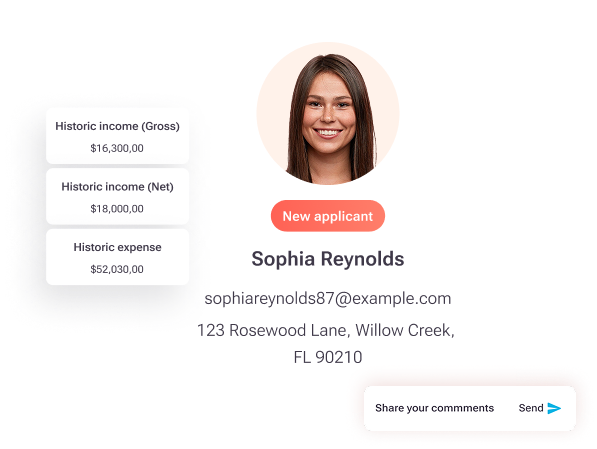
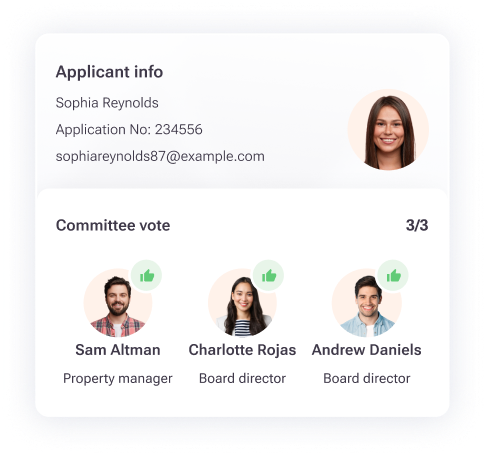
Unlike fragmented tools that require multiple logins and manual handoffs, QuickApprove connects every step from application submission through final approval. Boards access a dedicated review panel with summarized applicant reports and streamlined voting capabilities, which enables managers to track progress in real time and trigger automated communications based on board actions. This connected workflow means applicants receive clear status updates and faster decisions without managers manually coordinating between boards and residents.
The platform generates customized approval letters and personalized welcome packages automatically, which removes manual document creation that typically adds days to the process. Request a personalized QuickApprove walkthrough to see how the platform reshapes your approval workflows while preserving control, compliance, and visibility.
Before-and-After Timelines: Manual vs QuickApprove
The difference between manual and automated approval workflows becomes clear when you compare typical timelines side by side. The following table shows how QuickApprove shortens each phase of the approval process, with the Board Review phase delivering the most dramatic time savings of up to 23 days by removing dependence on monthly meeting cycles.
| Process Phase | Manual Timeline | QuickApprove Timeline | Time Savings |
|---|---|---|---|
| Application Intake | 5-10 days for complete packets | Same day with automated validation | 4-9 days |
| Document Review | 7-14 days for verification | 1-2 days with digital workflows | 5-12 days |
| Board Review | 2-4 weeks based on meeting cycles | 3-5 days with board dashboard | 11-23 days |
| Final Processing | 3-7 days for manual letters | Same day automated generation | 2-6 days |
HOA architectural review can take 2 to 12 weeks or more depending on complexity and HOA cycles, yet automated workflows consistently deliver results in days instead of weeks.
Florida-Specific Features That Support Faster Approvals
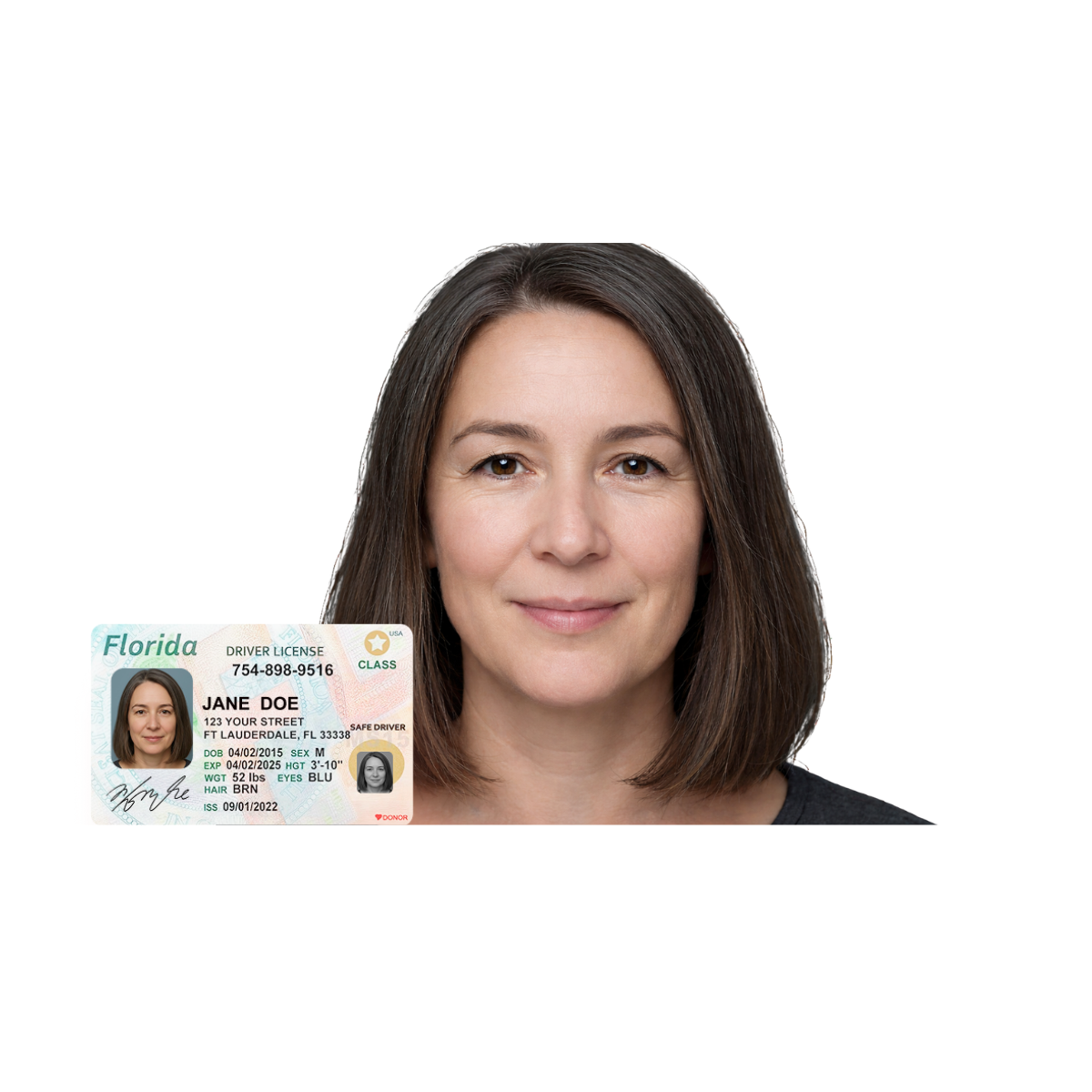
Florida communities face unique requirements that affect approval timelines, and TenantEvaluation includes tools tailored to those needs. TenantEvaluation’s 55+ Communities Verification helps Florida condos and HOAs standardize age-restricted application handling, which reduces manual work and improves documentation consistency. This built-in capability creates more structured processes for age-restricted communities without replacing legal guidance.
Lease Tracking integration provides real-time visibility into occupancy status and lease documentation, connecting resident onboarding with ongoing lease management. This centralized approach removes spreadsheets and scattered email chains while supporting audit-ready records that Florida associations increasingly need for compliance.
Florida community associations must maintain rigorous process control and documentation for regulatory compliance. Automated workflows help maintain the detailed records and standardized processes that regulators expect.
Book a consultation to explore TenantEvaluation’s Florida-specific tools and see how they support faster approvals while strengthening compliance readiness.
Frequently Asked Questions
How long does the typical HOA approval process timeline take in Florida?
Traditional HOA approval processes in Florida typically range from 30 to 60 days depending on project complexity, board meeting schedules, and application completeness. Architectural reviews vary based on project complexity, and straightforward projects often move more quickly than complex modifications. Seasonal application volume during peak remodeling periods can further extend these timelines. Manual workflows with email chains and spreadsheet tracking often add extra delays even for routine approvals.
What documents are required to get HOA approval faster?
Complete application packets should include detailed project descriptions, architectural drawings or plans, material specifications, contractor licensing information, and proof of insurance. For resident approvals, required documents typically include executed leases, government-issued identification, financial verification, and any community-specific forms. Submitting all required documents upfront prevents revision cycles that can add weeks to the approval process. Communities with clear checklists and pre-approved material lists experience significantly faster processing times.
How can boards maintain control while accelerating decisions?
Modern approval platforms provide boards with enhanced control through real-time visibility, standardized review criteria, and comprehensive audit trails. Board members can access summarized applicant reports, vote through dedicated dashboards, and maintain oversight of all approval decisions while benefiting from automated administrative tasks. The key is replacing manual paperwork with digital workflows that preserve board authority while removing time-consuming administrative bottlenecks. Automated communication and document generation speed the process without reducing board decision-making power.
Does QuickApprove support FCRA compliance and audit trails?
Yes, QuickApprove operates within TenantEvaluation’s FCRA-compliant platform, which maintains comprehensive audit trails for every application and decision. The system provides timestamped records of all actions, automated adverse action workflows when required, and clear separation between data provision and decision-making authority. Built-in compliance features include secure document handling, proper permissible purpose controls, and audit-ready records that support regulatory requirements. This compliance foundation allows communities to accelerate approvals while maintaining legal protections and documentation standards.
Can QuickApprove handle high-volume application seasons?
QuickApprove is designed to manage peak application periods without creating operational bottlenecks. The platform scales to handle increased volume while maintaining consistent processing times and quality standards. Automated workflows prevent applications from getting stuck in manual queues, and real-time tracking ensures nothing falls through the cracks during busy seasons. Communities using QuickApprove report maintaining fast approval times even during their highest-volume periods, when manual processes typically create the longest delays.
Conclusion: Turn Manual HOA Approvals into a Connected Workflow
Manual HOA approval processes cost Florida communities weeks of unnecessary delays and hours of administrative work. Residents of Florida community associations expect faster responses to requests, digital access to documents, and greater transparency in board decision-making.
QuickApprove delivers the connected workflow that modern communities need, with faster approvals that still protect control, compliance, and visibility. The platform replaces email chains and spreadsheets with real-time tracking, automated communication, and board-ready decision tools that operate together inside one integrated system.
Florida CAMs and boards can reduce approval timelines from weeks to days while improving transparency, reducing manual work, and strengthening compliance readiness. Schedule a demo to see how QuickApprove fits your community and transforms resident approvals inside one connected platform built for community associations.
