Written by: Luis Teran, Co-founder, CEO, TenantEvaluation
Key Takeaways
- Florida condo and HOA software must support Chapters 718 and 720, including SIRS deadlines and website rules, to avoid fines up to $1,000 per violation.
- Custom screening rules with automated background, ID, and income checks cut processing time by 70% while staying fully FCRA compliant.
- Intelligent document review, real-time alerts, and board dashboards like QuickApprove remove manual errors and support fast, trackable voting.
- PCI Level 1 security and detailed audit trails reduce the risk of lawsuits, data breaches, and discrimination claims in Florida’s high-risk legal climate.
- Revenue-sharing models turn approvals into profit centers; get started with Tenant Evaluation to streamline compliance and create new income for your community.
1. Florida-Ready Compliance for Chapters 718 and 720
Florida condo association software must handle state rules out of the box. Chapter 718 imposes stricter rules on condo boards for meeting notice, open access, term limits, and reserves than Chapter 720 for HOAs. Your platform should configure different workflows automatically for condos and HOAs.
Effective systems support reserve account tracking, proxy voting limits, and official records access timelines. When a Miami condo must meet the 10 working day records access rule under Chapter 718, the software should trigger the correct tasks and documents without manual setup. Manual processes leave over 80% of associations short of full compliance, which increases penalties and member disputes.
Generic tools like Buildium use one standard setup for all communities. Florida-focused platforms reflect the real differences between condo and HOA governance so your association stays protected from fines and legal exposure.
2. Custom Screening Rules That Match Your Governing Documents
Each Florida community follows its own screening rules based on governing documents, resident mix, and risk tolerance. Strong HOA software lets you set specific thresholds for credit scores, income, pets, renters, and investors instead of forcing a single template.
Advanced platforms support conditional rules that change by applicant type. A Tampa HOA may require a 700 credit score for buyers but accept 650 for tenants when they pay a higher deposit. The software should apply these rules automatically and flag or reject applications that fail to meet minimum standards.
Clear rules inside the platform prevent long email threads and stalled files. Managers no longer need to check each application against the documents by hand. Tools like Vantaca offer some customization but often lack the depth needed for complex Florida communities.
3. Automated Background, ID, and Income Screening
Automated screening speeds up onboarding and reduces mistakes. Leading platforms connect background checks, identity verification, and income validation in one workflow. TenantEvaluation processes more than 100,000 applications each year through its SafeCheck+, IDverify, and IncomeEv services.
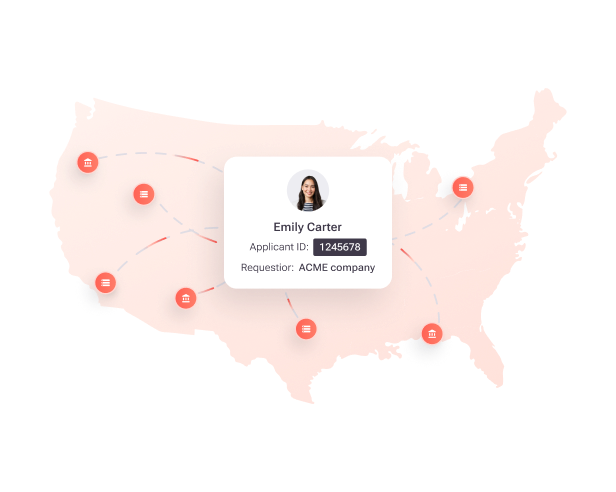
FCRA compliance must sit at the core of the system. Strong platforms maintain direct reseller relationships with TransUnion and Equifax, support automated adverse action notices, and keep a clear line between the association that decides and the provider that supplies data.
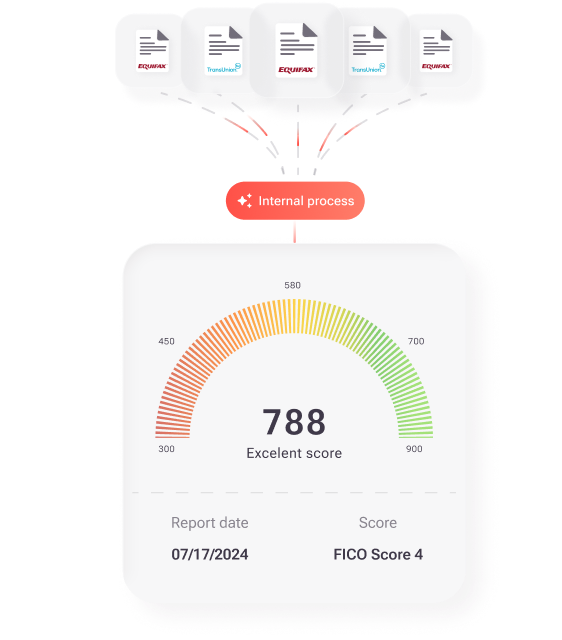
Free or low-cost tools such as PayHOA often offer limited screening that can expose boards to liability. Professional systems deliver complete criminal, credit, and eviction reports that meet federal and Florida standards.
Schedule a demo today to see how automated screening can cut processing time by up to 70% while maintaining full FCRA compliance.
4. Intelligent Document Collection and Review for Faster Approvals
Manual document review drains staff time and invites errors. Intelligent collection tools use rules to confirm that uploaded files meet your standards. Executed leases must show all signatures, IDs must be valid and current, and income documents must match what applicants report.
Advanced systems redact Social Security numbers and bank details automatically while maintaining PCI Level 1 compliance. This approach protects residents and can save managers dozens of hours each week that would otherwise go to checking paperwork line by line.
The platform should block incomplete submissions at the start. This prevents applications from moving through several review stages before someone notices missing documents. A Fort Lauderdale CAM reported removing nearly all manual ID checks after turning on intelligent review, which freed staff to focus on resident support.

|
Feature |
TenantEvaluation |
Buildium/AppFolio |
Vantaca/PayHOA |
|
Processing Time |
5 to 10 minutes |
Days |
Days, mostly manual |
|
Florida Compliance |
Florida-specific native setup |
Generic rules |
Limited coverage |
|
Board Dashboard |
QuickApprove voting |
Basic portals |
None |
|
Revenue Model |
Pay per application plus sharing |
Subscriptions |
Free or limited |
5. Real-Time Alerts and Step-by-Step Workflows
Clear communication keeps approvals moving. Strong platforms send real-time alerts to applicants, realtors, board members, and managers whenever status changes or new documents are needed.
Automated workflows trigger actions at each stage. When an applicant finishes document uploads, the system alerts the board that review can start. If something is missing, the platform sends a request with simple instructions and a due date. Communities often cut approval times by 70% when they replace manual follow-up with these workflows.
Multilingual support matters in many Florida communities. AI chat tools that answer questions in several languages around the clock help remove language barriers and reduce compliance mistakes.
6. QuickApprove and Board Dashboards Built for Directors
Board reviews often slow down applications when members rely on scattered emails and calls. Dedicated board dashboards give directors a single place to see summaries, vote, and review audit trails without learning a full property management system.
Effective dashboards show key details in a simple view while still allowing access to full documents. Board members can vote inside the platform, and the system timestamps every action for future reference. This record reduces informal promises and unclear communication that can create legal risk.
Generic portals in tools like AppFolio were not built for association decision-making. Specialized dashboards focus on how directors work so they can meet fiduciary duties while keeping the process efficient and transparent.

7. PCI Level 1 Security and Complete Audit Trails
Florida’s legal climate makes strong records and security nonnegotiable. The software must log every action from application start to final decision with timestamps and user details, then store those logs securely.
PCI Level 1 compliance protects payment and financial data with bank-grade encryption and strict controls. Discrimination and selective enforcement claims frequently target Florida HOA boards, so detailed records of each decision become a key part of any defense.
The platform should create compliance reports that show how your association follows FCRA rules, fair housing laws, and your own documents. These reports support you during audits, lawsuits, or regulatory reviews.
8. Revenue Sharing and Analytics for Florida Communities
Modern HOA software can turn application processing into a revenue stream. Revenue-sharing models let associations collect application fees while the provider handles technology, screening, and compliance. TenantEvaluation has generated more than $150 million for communities through this structure.
Analytics reveal trends in demographics, rentals, and resident behavior. Boards can use this data to shape policies for EV charging, pet limits, and amenity access based on real usage instead of guesswork.
Pay-per-application pricing ties costs to actual volume and adds income for the association. Traditional monthly subscriptions create fixed overhead even when application counts drop.
Schedule a demo today to see how revenue sharing can turn your approval pipeline into a profit center.
Staying Ahead of 2025 Florida Condo and HOA Law Changes
New 2025 legislation adds fresh compliance pressure for boards and managers. Extended SIRS deadlines through December 31, 2025, and updated milestone inspections for buildings with three or more habitable stories require accurate tracking and documentation.
All condominium and cooperative associations must open DBPR online accounts by October 1, 2025, and website rules will continue to roll out through 2026. Platforms with built-in compliance alerts and automated reporting help associations stay ahead of these shifting requirements.
Effective systems also maintain direct credit bureau reseller status. This structure gives associations reliable data sources and strict permissible purpose controls, which reduces the risk tied to gray-market or offshore data used by some competitors.
Frequently Asked Questions: Florida HOA and Condo Software Compliance
What is the Florida HOA 720 law?
Florida Statute Chapter 720 governs homeowner associations and sets rules for records access, meetings, financial reporting, and reserves. Chapter 720 gives HOAs more flexibility than condos in areas such as reserve funding and proxy voting. HOAs with 100 or more parcels must maintain official websites that provide access to governing documents, budgets, and meeting minutes.
Can HOA boards be sued for approvals?
HOA boards face real liability around resident approvals, including discrimination claims, selective enforcement, and fair housing violations. Board members must act in the association’s best interest and follow documented procedures. Strong audit trails, consistent screening rules, and clear records of each decision help protect boards from challenges. Automated platforms support this protection by reducing human error and applying policies the same way every time.
What is the best software for 2025 condo law compliance?
The most effective software for Florida condo compliance combines FCRA-first design with workflows tailored to Chapters 718 and 720. TenantEvaluation focuses on community associations and maintains direct credit bureau reseller relationships, automated adverse action tools, and dedicated board dashboards. A client base of more than 5,000 communities and over $150 million in community revenue shows proven performance in Florida.
What is the new law in Florida for condos in 2025?
Florida’s 2025 legislation extends SIRS completion deadlines to December 31, 2025, for existing associations and updates milestone inspections for buildings with three or more habitable stories. New rules also require DBPR online accounts by October 1, 2025, expand emergency powers, and adjust disclosure rules with longer cooling-off periods. These changes increase the need for software that can adapt quickly while keeping complete compliance records.
Conclusion: Why Florida Associations Choose TenantEvaluation
The eight features covered here show what separates professional Florida-ready platforms from generic property tools. TenantEvaluation delivers Florida-specific compliance, custom screening, automated workflows, intelligent document review, real-time alerts, board dashboards, strong security, and revenue sharing in one system.
The platform’s FCRA-first design, direct bureau connections, and full audit trails match Florida’s demanding legal environment. Communities cut processing times from days to minutes and reduce admin work by up to 70%, which turns resident onboarding from a risk into an advantage.
Schedule a demo today to see how TenantEvaluation’s Florida-focused condo and HOA software can protect your community while generating new revenue from compliant, streamlined approvals.
