Written by: Luis Teran, Co-founder, CEO, TenantEvaluation
Key Takeaways
- Twenty-eight percent of landlords make costly tenant screening mistakes. Florida HOAs risk FCRA violations and up to $240,000 in annual losses from wrong records or sealed data.
- Multi-source verification and strict FCRA compliance can cut screening errors by as much as 70%, including proper adverse action notices and consistent criteria.
- Customized screening for Florida Statute §718.116(4) and 2026 updates like HB 615, flood disclosures, and the Animal Abuser Registry helps HOAs avoid lawsuits.
- Board dashboards, automation, and analytics speed up approvals, surface red flags quickly, and support data-driven community decisions.
- TenantEvaluation’s SafeCheck+, IDverify, and HOA-specific platform improve accuracy and compliance. Get started with Tenant Evaluation today for more reliable results than generic tools.
1. Common Screening Errors That Hurt Florida HOAs
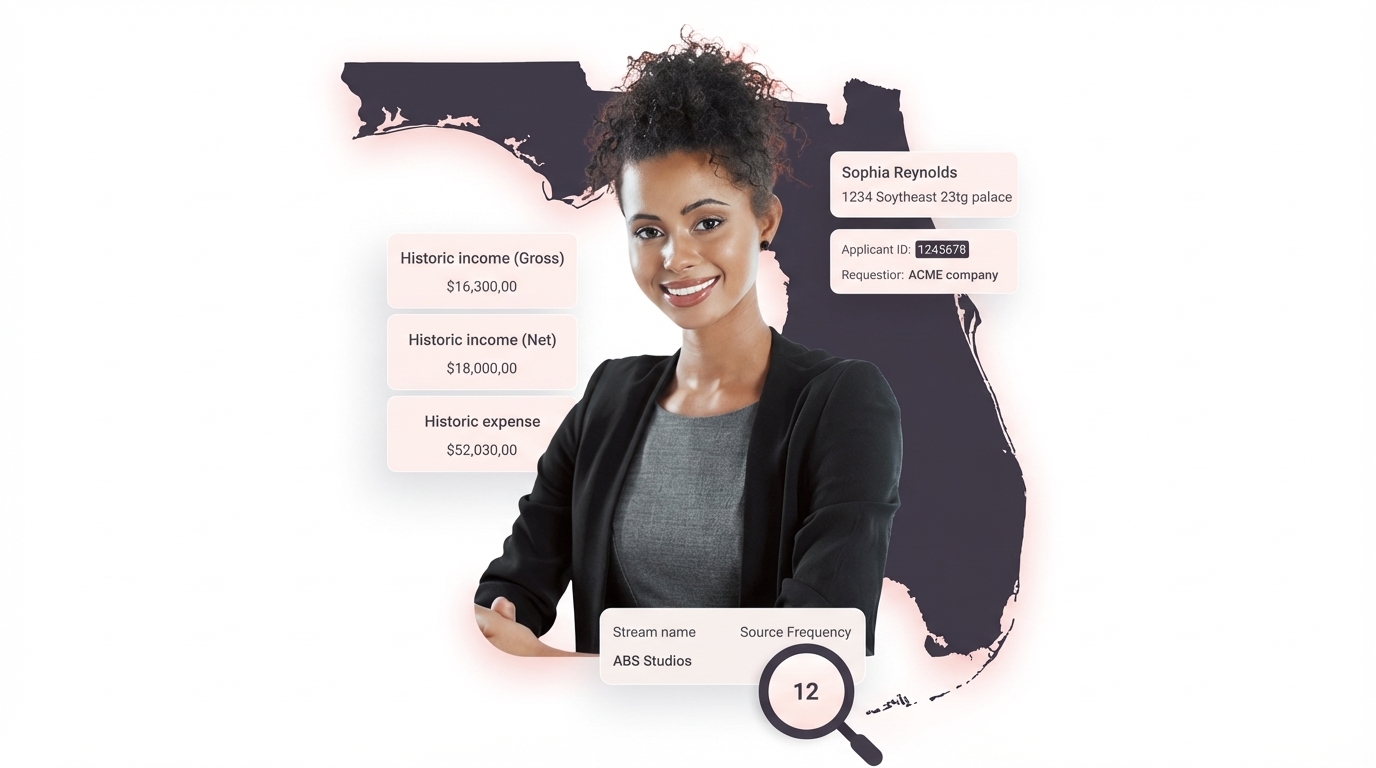
Accurate tenant evaluation starts with a clear view of where screening reports usually fail. Skipping comprehensive credit checks affects 32% of landlords, representing the most common screening error, while improper income verification affects another 25%. These errors grow worse when reports include outdated information, similar name confusion, or sealed records that should have been expunged.
For HOA applications, these mistakes can cause wrongful denials that expose associations to discrimination claims and FCRA violations. Typical red flags include inconsistent employment histories, reluctance to provide complete reference information, and gaps between reported income and visible lifestyle. TenantEvaluation’s multi-source verification approach addresses these issues by cross-referencing several databases, which sharply reduces the single-source errors that often appear in traditional screening methods.
2. FCRA-Compliant Screening That Protects Your Board
The Fair Credit Reporting Act (FCRA) sets strict rules for HOAs that use tenant screening reports, and violations can trigger heavy fines and legal exposure. Federal law requires an Adverse Action Letter if you deny an application based on information from a credit report or tenant screening report. That letter must state the specific reason for denial and list contact details for the reporting company.
HOAs must secure written consent before running any background checks and apply the same screening criteria to every applicant. Boards also need to send adverse action notices within required timeframes, document each decision with clear reasoning, and align screening criteria with governing documents. Ignoring FCRA protocols can lead to lawsuits similar to major cases against companies like TransUnion, where poor procedures produced large financial penalties.
TenantEvaluation’s platform automates key FCRA requirements. It generates compliant notices, tracks decisions in detailed audit trails, and helps protect HOAs from regulatory violations.
3. Multi-Source Verification for Reliable Decisions
Single-database screening reports create blind spots that multi-source verification can close through careful cross-checking. ResidentScore offers 15% better eviction risk prediction than traditional credit scores by combining multiple data sources instead of relying on credit alone.
Effective multi-source verification confirms identity with government-issued ID checks, verifies employment by contacting employers directly, and validates income through several financial documents and sources. It also runs criminal background checks across local, state, and federal databases. This process uncovers issues that single sources miss, such as fabricated employment history or inflated income claims.
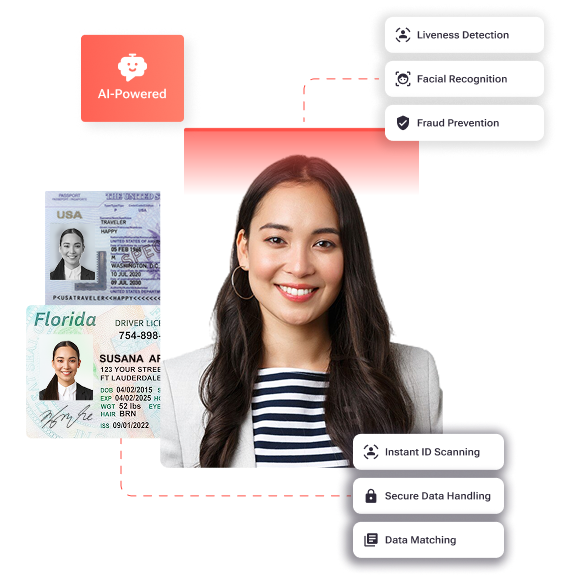
TenantEvaluation’s IDverify, IncomeEv, and SafeCheck+ solutions work together to deliver 360-degree applicant verification. HOAs receive accurate, complete information for confident decisions and fewer costly approval mistakes.
Eliminate screening errors and lock in Florida HOA compliance. Schedule a demo today to see how TenantEvaluation’s 360-degree verification delivers faster approvals with strong accuracy.
4. Florida HOA Screening Rules and 2026 Updates
Florida’s changing regulations require HOAs to tailor screening processes to state rules instead of relying on generic rental standards. Florida Statute § 718.116(4) governs condo association approval of leases, allowing denial for unit owner assessment delinquency and permitting rent payment directly to the association if delinquent.
New 2026 changes include HB 615, which allows email notices with tenant consent, flood disclosure requirements for leases of one year or longer, and Dexter’s Law, which creates a statewide Animal Abuser Registry that affects screening. HOAs must keep screening criteria aligned with governing documents and apply them consistently and without discrimination.
Effective customization weaves association bylaws into screening workflows, sets Florida-compliant adverse action steps, and preserves documentation for audits. TenantEvaluation’s platform is configured for Florida HOA needs, automatically applying state-specific rules and association criteria so each screening meets legal standards and community guidelines.
5. Red Flags in Reports and How Boards Should Respond
Clear protocols for red flags help HOAs avoid risky tenants and legal trouble. Incomplete or inaccurate applications, such as fabricated employment history, are major red flags warranting denial.
Key warning signs include inconsistent employment history, reluctance to share references or full address history, records of prior evictions or property damage, and income claims that do not match lifestyle indicators. Proper handling requires documenting each red flag with specific evidence, applying the same evaluation rules to every applicant, and giving a clear written reason for any denial.
Boards must take special care with criminal history, since some jurisdictions limit how older or unrelated convictions can be used. TenantEvaluation’s automated redaction and analysis tools highlight genuine red flags while shielding sensitive data, which helps HOAs make informed choices without triggering discrimination or privacy issues.
6. Board Dashboards and Automation for Faster Approvals
Modern HOA screening works best with dashboards that give boards real-time visibility and automate repetitive tasks. Manual review can consume dozens of staff hours each day, slow approvals, and frustrate applicants.
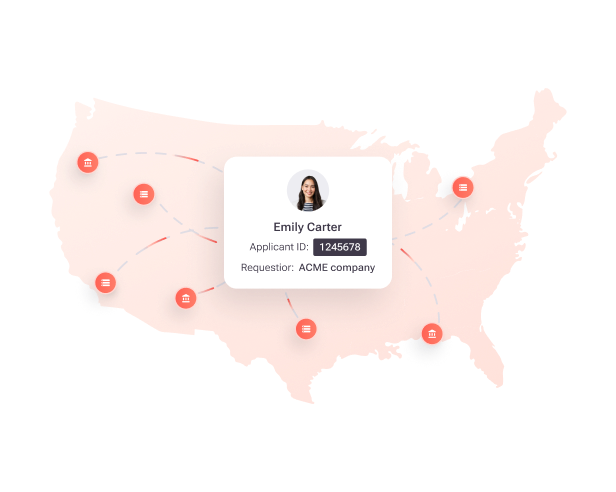
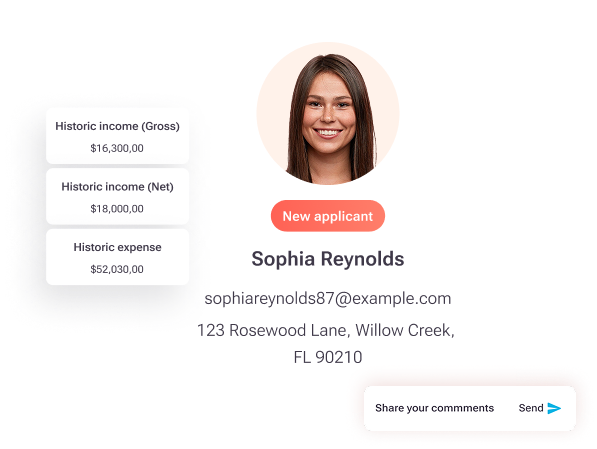
Effective board dashboards present summarized applicant details with key metrics, offer remote voting panels, maintain full audit trails, and send automatic status updates to applicants and managers. Automation then handles document collection, verification steps, FCRA compliance tasks, adverse action letters, and fee processing.
This combination shortens processing time and keeps screening criteria consistent. TenantEvaluation’s QuickApprove dashboard gives board members direct access to application reviews, AI-generated summaries, and streamlined voting, while automated workflows manage routine tasks and preserve detailed audit records.
7. Analytics That Reveal Community Trends
Analytics turn tenant screening data into practical guidance for community planning. Strong reporting tools track demographic shifts, rental and purchase price patterns, and resident profiles such as pet ownership and vehicle types.
These insights support data-based decisions about amenities like EV charging stations or pet-friendly spaces and help refine screening criteria for better resident fit. Analytics can also uncover patterns that suggest bias or inconsistent standards, which helps HOAs avoid fair housing violations.
Revenue analysis becomes easier when boards can see application fee performance, processing times, and approval rates. TenantEvaluation’s reporting delivers community-level analytics that go beyond single applications and support higher property values, better resident satisfaction, and efficient operations.
TenantEvaluation vs. Competitors for Florida HOAs
Specialized platforms built for Florida HOAs deliver stronger accuracy and compliance than generic screening tools. General property management software such as AppFolio and RentSpree offers basic screening but lacks HOA-focused compliance and board governance features. Single-purpose tools like Snappt emphasize fraud detection but do not provide full-spectrum verification.
|
Feature |
TenantEvaluation |
AppFolio/RentSpree |
Snappt |
|
Multi-Source Verification |
360° checks (IDverify, IncomeEv, SafeCheck+) |
Basic credit/background |
Fraud detection only |
|
Florida HOA Dashboard |
QuickApprove board portal |
Generic management interface |
No board features |
|
Revenue Model |
Revenue sharing ($150M generated) |
Monthly subscription fees |
Per-check pricing |
TenantEvaluation’s specialized design serves Florida HOAs with tailored compliance workflows, board-ready dashboards, and revenue-sharing that links platform success to community results. This HOA-specific focus, combined with comprehensive verification, delivers accuracy and protection that generic tools rarely match.
Upgrade your HOA’s tenant screening with proven accuracy and Florida-focused compliance. Schedule a demo today to see how TenantEvaluation’s specialized platform reduces errors and generates revenue for your community.
Frequently Asked Questions
What shows up on a tenant screening report for HOAs?
Comprehensive HOA screening reports typically include credit history with scores and payment patterns, criminal background checks across local, state, and federal databases, eviction history and rental payment records, employment verification and income documentation, identity checks using government-issued ID, and references from previous landlords and employers. TenantEvaluation’s platform enhances these elements with IDverify for document authentication, IncomeEv for direct employer verification, and SafeCheck+ for broad background analysis.
The reports also include fraud detection, address history verification, and customized scoring based on HOA criteria. All information appears in board-friendly formats with automatic redaction of sensitive data to support privacy compliance while still giving boards the detail they need.
What are the Florida HOA tenant screening laws for 2026?
Florida HOA tenant screening laws for 2026 rely mainly on Florida Statute §718.116(4). This statute allows condominium associations to deny lease applications when unit owners are delinquent on assessments and permits rent to be paid directly to the association in those cases. Associations must apply screening criteria consistently and without discrimination, in line with the Condominium Act and fair housing laws.
Recent updates include HB 615, which allows email notices with tenant consent, new flood disclosure rules for leases of one year or longer, and tighter security deposit procedures with 15-day objection periods. Dexter’s Law adds a statewide Animal Abuser Registry that affects screening steps. HOAs must document decisions, apply rules uniformly, and comply with federal FCRA requirements for background checks and adverse action notices.
What is the best background check for tenants in Florida HOAs?
The strongest background check for Florida HOAs combines multi-source verification with HOA-specific compliance tools. TenantEvaluation’s SafeCheck+ delivers nationwide and global criminal checks, including FBI databases, employment and income verification with direct employer contact, credit analysis with HOA-focused scoring, eviction and rental payment history, identity verification through advanced document checks, and reference verification.
The platform’s 360-degree approach cross-references several databases to avoid single-source errors, automates FCRA compliance, supports Florida’s 2026 regulatory updates, and presents board-ready reports with redacted sensitive data. Integration with HOA governing documents and criteria helps maintain both accuracy and full legal compliance.
How should HOAs handle inaccurate tenant screening reports?
HOAs should follow a clear protocol when they find inaccurate screening information. First, they should document the suspected inaccuracy and verify details through alternative sources. If the error is confirmed, the HOA should request a corrected report and give the applicant a chance to dispute the information.
Under FCRA rules, associations must send adverse action notices when denials rely on screening reports. These notices must include the reporting agency’s contact information and instructions for disputing errors. HOAs should then re-evaluate the application using corrected data, document each step taken, and apply the same correction process to every applicant.
TenantEvaluation’s multi-source verification reduces the odds of inaccuracies and supports automated dispute workflows that guide boards through proper handling of any confirmed errors.
Conclusion: Protect Your HOA with Accurate Screening
These seven strategies give Florida HOAs a clear framework for reducing tenant screening inaccuracies while staying compliant with state and federal rules. Multi-source verification, FCRA-safe workflows, Florida-specific customization, and analytics all contribute to better decisions and stronger communities.
TenantEvaluation’s platform covers every part of HOA tenant screening through SafeCheck+, IDverify, and IncomeEv. With a 4.8/5 Google rating and partnerships with management leaders like RealManage, TenantEvaluation has helped communities generate over $150 million while processing more than 100,000 applications each year.
Schedule a demo today to see how accurate, HOA-focused screening can streamline your approval process and protect your community.
