Written by: Luis Teran, Co-founder, CEO, TenantEvaluation
Key Takeaways
- Florida HOA and condo associations face rising administrative, compliance, and data security pressures around rental applications in 2026.
- Manual paperwork, email attachments, and scattered records increase delays, errors, and exposure to regulatory penalties.
- Digital rental documentation management tools centralize applications, automate workflows, and embed Florida-specific compliance checks.
- Secure platforms protect sensitive data, support consistent screening, and give boards clear, timely information for decisions.
- Tenant Evaluation provides a Florida-focused platform that streamlines applications, screening, and board review, helping associations upgrade their rental documentation process in 2026.
The Problem: Navigating Florida’s Rental Documentation and Tenant Evaluation Maze
Administrative Burden and Operational Inefficiencies
Many Florida Community Association Managers manage rental applications through paper forms, email attachments, and phone calls. This scattered approach slows approvals, increases follow-up, and often extends decisions for weeks. Staff can spend several hours each day tracking missing documents, correcting errors, and coordinating with owners, realtors, and applicants, which limits time for community operations and strategic projects.
Florida-Specific Compliance Challenges
Florida associations must align rental processes with Chapter 720 for HOAs and Chapter 718 for condos, along with community bylaws. 2025 legislative updates introduced new requirements, such as flood risk disclosures under SB 948/HB 1015 for prospective tenants and buyers and online accounts with the Division of Condominiums by October 1, 2025. Manual processes make it difficult to confirm every disclosure and deadline, which increases compliance risk.
Data Security Risks and Liability
Paper files and unencrypted email expose Social Security numbers, IDs, and financial records to loss, theft, or unauthorized viewing. Chapter 718 allows fines for record access failures, so poor documentation practices can create both financial penalties and reputational harm. Without secure storage and audit trails, associations face higher risk during disputes or audits.
Slow, Fragmented Board Decision-Making
Boards often receive incomplete or inconsistent application packets through long email chains. This setup delays reviews, frustrates applicants, and complicates compliance. Lack of a centralized system makes it difficult to see status, track votes, or confirm that every required step and document has been completed.
The Solution: Streamlining Operations with Specialized Rental Documentation Management Tools
Automated Workflows for Faster Processing
Digital rental documentation tools centralize applications, document uploads, and communication in one portal. Applicants complete guided forms, upload required documents, and receive automated reminders. Associations see fewer incomplete applications, shorter processing times, and less back-and-forth by phone or email.
Built-In Florida Regulatory Support
Effective platforms incorporate Florida-specific rules into the workflow. These systems can help associations apply statute-based requirements, including flood risk disclosures for long-term condo rentals under §718.503(1)(a)9 and community rental restrictions, while supporting consistent treatment that aligns with Fair Housing Act standards.
Robust Data Security and Risk Mitigation
Modern tools store data in secure cloud environments with encryption, access controls, and PCI Level 1 payment standards. PII redaction and audit logs reduce exposure if a dispute or request for records occurs, while still supporting HOA record-keeping requirements.

Transparent Board Review Tools
Board portals give directors a single location to view summaries, documents, and screening reports. Built-in voting, comments, and status tracking create a clear audit trail of each decision. This structure supports consistent approvals, reduces email threads, and helps boards respond within required timelines.
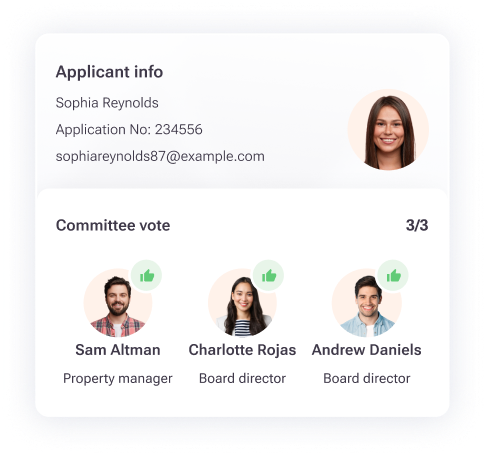
See how a digital board portal can streamline screening and approvals for your community.
Key Features to Prioritize for Florida HOA Tenant Evaluation Compliance
All-in-One Digital Application Experience
Effective platforms allow applicants to complete everything online, including forms, document uploads, and e-signatures. Real-time status updates reduce support calls and help applicants track progress without extra staff effort.
Custom Rules and Florida-Specific Compliance
Associations benefit from tools that reflect their unique bylaws and screening rules while adapting to state-level changes, including the legislative updates adopted in 2025. Configurable workflows keep requirements aligned with both governing documents and Florida statutes.
Intelligent Forms and Automated Checks
Guided logic can route different applicant types, such as tenants, purchasers, and additional residents, through the correct steps. Automated checks help confirm completeness and required disclosures for long-term condo rentals under §718.503(1)(a)9 and similar obligations.
Advanced Security and Controlled Access
Encryption, PII redaction, secure payment processing, and permission-based access protect sensitive information. Detailed logs support internal reviews and demonstrate consistent handling of applicant data.
Integrated Screening Services
Platforms that include background checks, credit reports, identity validation, and income verification give boards a more complete picture of each applicant. FCRA-compliant screening supports fair, consistent decisions.
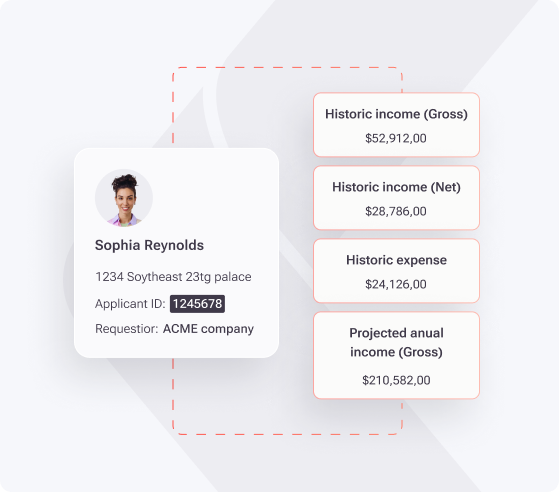
Reporting and Analytics for Better Planning
Analytics on application volume, approval timelines, and community rental activity help managers spot trends and adjust policies. These insights support data-informed responses to ongoing changes in Florida HOA rules.
Review these features in action with a guided Tenant Evaluation demo.
Implementing Rental Documentation Management Tools in Florida Associations
Clarify Needs and Current Gaps
Boards and managers benefit from documenting existing workflows, time spent, error points, and compliance concerns. This baseline helps evaluate whether a new platform reduces processing time, improves accuracy, and strengthens record-keeping.
Evaluate Florida-Focused Vendors
Vendors should show clear familiarity with Florida condo and HOA requirements, including obligations tied to Division of Condominiums online accounts. Security certifications, responsive support, and integration with existing property management software are important selection factors.
Roll Out in Phases and Train Users
Pilot rollouts with a subset of units or application types can limit disruption. Clear training for staff, boards, and support teams promotes consistent use, which increases the value of automation and reporting.
Track Results and Return on Investment
Key metrics often include average processing time, rate of incomplete applications, compliance exceptions, and staff hours saved. Regular reviews help refine workflows and confirm that the platform continues to meet association needs.
|
Feature |
Manual Process |
Automated Tools |
|
Application Submission |
Paper forms and scattered email attachments |
Single online portal, mobile-friendly access |
|
Document Verification |
Manual checklist review |
Automated completeness checks and ID verification |
|
Compliance Tracking |
Spreadsheets and manual reminders |
Built-in Florida-specific rules and alerts |
|
Data Security |
Unsecured files and inboxes |
Encrypted storage, PII redaction, audit logs |
Frequently Asked Questions
What are the most common compliance challenges for Florida HOAs in tenant evaluations?
Florida HOAs must coordinate Chapter 720 and Chapter 718 requirements with association documents, while also respecting Fair Housing protections. Flood risk disclosures adopted in 2025, privacy expectations, and record access rules add further complexity. Associations must prove that processes are consistent, documented, and secure.
How do rental documentation management tools reduce legal risk?
Digital platforms provide time-stamped audit trails, standardized workflows, and consistent screening criteria. Automated checks reduce omissions, while encryption and PII protection lower the chance of a harmful data incident. This structure supports associations during disputes, inquiries, or owner challenges.
Can these tools work with existing property management software?
Many modern platforms integrate through APIs or prebuilt connectors. This connectivity allows application data, approvals, and resident records to sync with core property management systems, which reduces duplicate entry and improves data accuracy.
Can each community customize screening rules?
Most specialized tools support community-level configuration. Associations can set credit, income, background, and documentation requirements that align with adopted bylaws and policies, while keeping processes compliant with state and federal law.
Conclusion: Improving Florida HOA Operations with Intelligent Documentation Management
Florida HOA and condo associations now operate in a 2026 environment shaped by earlier legislative changes, heightened data security expectations, and increased scrutiny of rental practices. Manual, email-based processes make it difficult to keep pace with these demands.
Digital rental documentation management tools give associations a structured way to handle applications, screening, disclosures, and board review. When designed for Florida regulations, these platforms help reduce risk, improve response times, and protect sensitive information.
Associations that adopt specialized tools now can manage growing rental activity with greater confidence, while communities that rely on paper and email will continue to face delays, errors, and higher exposure.
