Written by: Luis Teran, Co-founder, CEO, TenantEvaluation | Last updated: July 3, 2026
Key Takeaways
- Resident verification platforms bring applications, FCRA-compliant background checks, board approvals, and lease records into one digital, auditable workflow for Florida condo and HOA associations.
- Biometric identity verification through IDVerify adds liveness detection and facial matching, which reduces fraud risk beyond simple document uploads.
- QuickApprove gives boards a structured, timestamped voting panel that replaces email chains and improves visibility and audit compliance.
- Lease Tracking connects applications, approvals, and active leases in real time, which eliminates fragmented storage and manual expiration tracking.
- TenantEvaluation delivers the only Florida-built platform addressing all five requirements in one workflow. Explore the complete platform.
Resident Journey: From Application Intake to Lease Tracking
The resident verification workflow follows four clear stages from first contact to active lease. First, the applicant receives a property code and creates an account to start the digital application. Second, personal, financial, and supporting documents move through a structured online form with intelligent logic that rejects incomplete submissions. Third, identity is confirmed through biometric verification, including government ID validation, AI-powered liveness detection, and selfie-to-ID comparison through IDVerify. Fourth, the board reviews a summarized application report, casts votes through a dedicated panel, and the approved lease record is captured inside Lease Tracking for real-time lifecycle visibility from application to occupancy.
Each stage generates a timestamped, auditable record that supports compliance and internal controls. This end-to-end connectivity, from intake through occupancy, separates purpose-built resident verification platforms from generic property management tools that only cover pieces of the process.
Walk through the full resident journey in a live demo to see how TenantEvaluation handles each step.
Florida 2026 Rules: §718, §720, and Identity Fraud Pressure
Florida’s condominium governance statute §718 and HOA statute §720 now place heavier documentation, transparency, and record-retention obligations on associations and their managers. Boards operating under these statutes must maintain auditable approval records, apply screening criteria consistently across applicants, and show that sensitive personal data is handled securely.
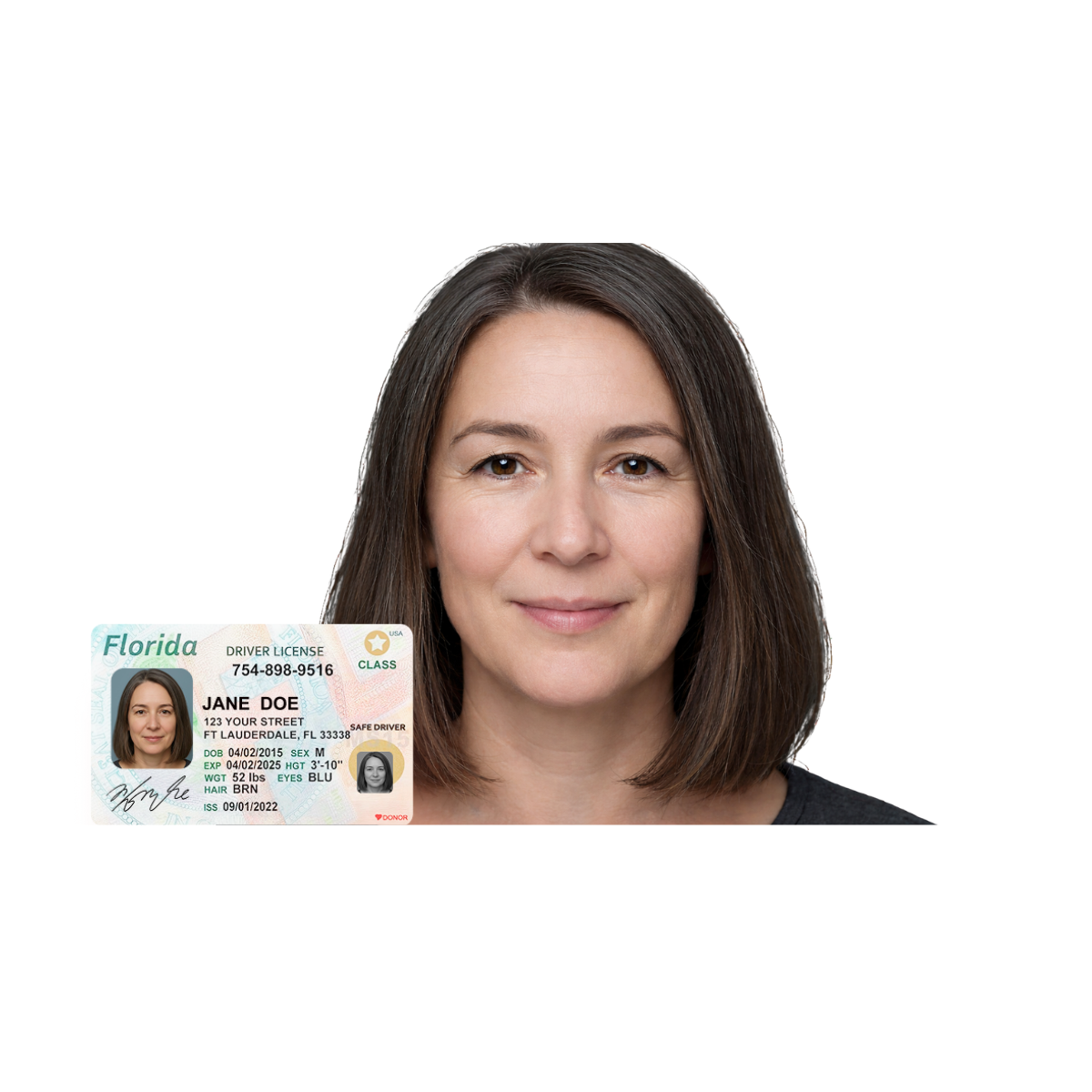
Identity fraud has also become a daily operational risk rather than a rare edge case. Synthetic identities, stolen government IDs, and impersonation attempts create a structural vulnerability in any community that relies on document uploads alone for applicant verification. Moving from document-based review to biometric-confirmed identity verification through IDVerify closes much of this exposure before approval decisions are made.

Age-restricted communities face even broader requirements. Florida condos and HOAs operating as 55+ communities must maintain consistent, documented eligibility records across every application. 55+ Communities Verification standardizes application handling, supports documentation consistency, and improves operational efficiency while still leaving room for legal guidance where needed.
How CAMs and Boards Work Under These New Demands
Community Association Managers across Florida now manage heavier administrative loads for every application cycle. A single applicant can require coordination with applicants, realtors, and owners across multiple channels, manual document verification, tracking board availability, and repeated follow-ups on missing information before a decision occurs.
Boards experience similar friction, often with limited visibility into application status and no structured voting mechanism. Many still rely on email chains that create gaps in the audit record and confusion about final decisions. QuickApprove replaces this with a board-ready approval process that includes real-time application tracking, automated communication support, customized approval letters, and a personalized welcome package inside one connected platform.

Compliance, Risk, and Governance for Florida Associations
FCRA compliance for Florida community associations requires background checks with permissible purpose, properly executed adverse action workflows, and strict security controls for applicant data. These requirements exist to limit misuse of consumer data and to protect applicants from unfair treatment.
Associations that rely on third-party scraping or gray-market data sources increase their liability exposure because those sources often lack clear permissible purpose and audit trails. TenantEvaluation is built specifically for community associations and management companies, with FCRA compliance as the foundation. As a direct reseller of TransUnion and Equifax data, the platform operates under strict bureau rules with regular compliance reviews.
Automated adverse action workflows, built-in audit trails, and clear separation between data provision and decision-making reduce legal exposure at every stage. IDVerify further strengthens permissible-purpose validation by confirming identity before screening authorization proceeds.
Where Manual Resident Verification Breaks Down
Manual resident verification creates predictable failure points that compound over time:
- Incomplete applications submitted via email or paper require repeated follow-up cycles.
- Document review relies on staff judgment, which creates inconsistency and fraud exposure.
- Board approvals stall in email threads with no structured voting record.
- Lease copies are stored across folders, inboxes, and spreadsheets with no centralized visibility.
- Lease expirations are tracked manually, which creates occupancy blind spots.
- No direct connection exists between the application record and the active lease.
Each failure point represents audit risk, revenue delay, and potential statutory exposure for the association. See how centralized lease management connects resident onboarding, unit data, approvals, and lease documentation into one real-time, audit-ready workflow.
Step-by-Step Best Practices for Resident Verification in 2026
Effective resident verification in 2026 starts with standardized intake. Intelligent form logic should reject incomplete submissions and adjust dynamically by applicant type so CAMs receive clean, complete data.
Once intake is standardized, the next step is layered identity verification. Communities can move beyond document uploads to biometric confirmation through IDVerify, which validates government IDs, detects liveness, and performs facial biometric matching inside the screening workflow.
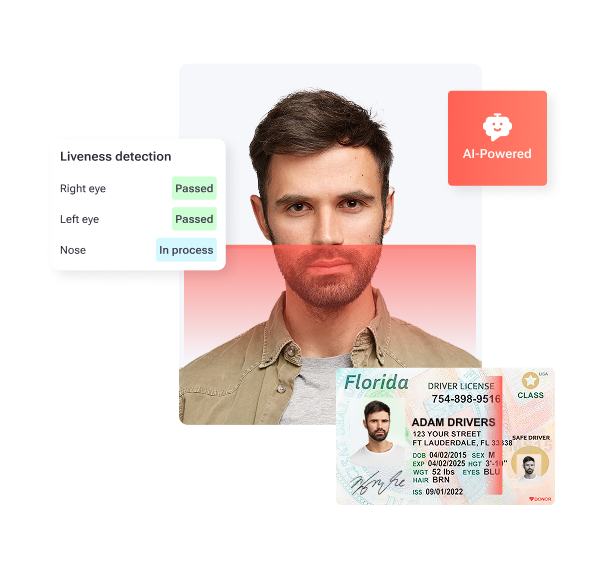
With verified identity and complete screening data, boards can then centralize voting. QuickApprove provides a structured, timestamped voting panel that board members access in real time instead of relying on scattered email approvals.
After approvals, lease document collection should run automatically. Capturing lease records during onboarding ensures every unit has a connected, searchable digital history from day one, which supports both operations and audits.
Age-restricted communities should also standardize 55+ documentation through 55+ Communities Verification to reduce manual work and keep records consistent. Throughout every step, each action, including application, verification, vote, approval, and lease status, should generate a timestamped, retrievable record.
How to Score Platforms on Six Florida-Specific Criteria
Florida condo and HOA associations can evaluate resident verification platforms against six concrete criteria:
- FCRA permissible purpose controls: Confirm that the platform is a direct credit bureau reseller with automated adverse action workflows.
- Biometric identity verification: Check whether the platform includes native liveness detection and facial biometric matching instead of redirecting applicants to external portals.
- Board voting infrastructure: Look for a dedicated, auditable voting panel for board members rather than approvals handled through email.
- 55+ standardization: Verify that the platform includes built-in age-restricted community documentation workflows.
- Lease lifecycle visibility: Ensure the platform connects applications, approvals, and lease records in real time instead of requiring separate systems.
- Florida-specific configuration: Confirm that the platform is built for §718 and §720 workflows instead of adapted from a generic rental tool.
Platform Comparison: How Five Solutions Meet Florida Requirements
The following comparison shows how common platform types perform against these six criteria and highlights that only TenantEvaluation addresses all requirements natively within a single workflow.
| Criteria | TenantEvaluation | ApplyCheck / Verify Screening | AppFolio / Buildium | Generic Screening Vendors |
|---|---|---|---|---|
| FCRA permissible purpose (direct bureau reseller) | Yes, TransUnion & Equifax direct | Via TazWorks platform | Third-party integrations | Varies, often third-party |
| Biometric verification (native, no external portal) | Yes, IDVerify native | Not available | Not available | Not available |
| Board voting dashboard | Yes, QuickApprove panel | Not available | Limited | Not available |
| 55+ community standardization | Yes, 55+ Communities Verification | Not available | Not available | Not available |
| Real-time lease lifecycle tracking | Yes, Lease Tracking built in | Not available | Partial | Not available |
| Florida §718/§720 configuration | Built for Florida associations | Generic | Generic | Generic |
Note: Competitor capabilities reflect publicly available product information. Associations should conduct independent verification before procurement decisions.
Regulatory FAQs That Shape Florida Verification Workflows
What is the 5 Year Rule for HOA in Florida?
Florida’s “5-year rule” for HOAs refers to the statute of limitations under §95.11 that limits how long an association has to sue for breaches of governing documents or to foreclose liens. In practice, it most often appears in discussions about dues, fines, and liens, which creates urgency around enforcement timelines. Resident verification platforms that support configurable screening criteria by applicant type help CAMs manage this complexity without manual workarounds.
Are HOA Documents Public Record in Florida?
Florida law requires HOAs to maintain certain records and make them available to members upon request, including meeting minutes, financial records, and governing documents. HOA records are not universally public in the same way government records are, so access rights belong primarily to association members, not the general public.
Application records, background check results, and screening documentation carry additional sensitivity under FCRA and state privacy frameworks. Platforms with built-in auto-redaction of personally identifiable information and role-based access controls reduce the risk of improper disclosure when records are requested.
What is the New Condo Law in Florida 2026?
Florida’s condominium regulatory environment has evolved steadily since the Surfside collapse in 2021, with successive legislative sessions adding structural inspection, reserve funding, and governance requirements under §718. Associations operating in 2026 face heightened obligations around financial transparency, board conduct, and record-keeping.
Specific 2026 amendments should always be reviewed with qualified legal counsel. The overall trend remains clear, since associations are expected to maintain more complete, auditable records across all operational functions, including resident onboarding, approval decisions, and lease documentation. Digital platforms that generate timestamped audit trails at every workflow stage support these expectations more reliably than manual processes.
Who Oversees Condo Associations in Florida?
The Florida Department of Business and Professional Regulation (DBPR), through its Division of Florida Condominiums, Timeshares, and Mobile Homes, holds primary regulatory authority over condominium associations operating under §718. The Division handles complaints, conducts arbitration, and enforces statutory requirements.
Community Association Managers are separately licensed through the DBPR under Chapter 468. HOAs under §720 have a different regulatory posture and are not subject to the same Division oversight as condominiums, though they remain subject to Florida statutes and their own governing documents. Both association types benefit from platforms that maintain complete, retrievable records in the event of a regulatory inquiry or dispute.
What is the 80 20 Rule in Florida?
The 80/20 rule in Florida’s context most commonly refers to the Housing for Older Persons Act (HOPA) requirement for 55+ communities. At least 80% of occupied units must have at least one resident who is 55 years of age or older.
The remaining 20% may be occupied by residents under 55 without the community losing its age-restricted status, provided the community also publishes and follows policies that show intent to be 55+ housing and maintains age verification records. Maintaining consistent, documented age verification across all applications is an operational requirement, not just a legal one. 55+ Communities Verification helps Florida condos and HOAs standardize this documentation process, reduce manual work, and improve documentation consistency across applications at scale.
These regulatory requirements, from FCRA permissible purpose to HOPA age verification, highlight why Florida associations need platforms built for compliance rather than generic tools adapted later.
Summary of Structural Takeaways
Florida condo and HOA associations in 2026 face a convergence of regulatory pressure, identity fraud risk, and operational complexity that manual processes cannot reliably absorb. The five structural requirements, including FCRA-compliant background checks, biometric identity verification, board voting infrastructure, 55+ documentation standardization, and real-time lease lifecycle visibility, now function as baseline expectations for associations managing resident verification at scale.
As demonstrated in the comparison table above, TenantEvaluation is the only platform that integrates all five capabilities natively, which becomes critical when audit season arrives. Every feature, including IDVerify, QuickApprove, 55+ Communities Verification, and Lease Tracking, is built for the specific workflows of Florida community associations, not adapted from generic rental tools.
See how TenantEvaluation aligns with your 2026 verification requirements and supports your board, CAMs, and residents.
Frequently Asked Questions
What makes a resident verification platform FCRA-compliant for Florida condo and HOA associations?
FCRA compliance for community associations requires that background checks start only with a permissible purpose, that applicants receive proper disclosures and authorization before screening begins, and that adverse action notices are issued correctly when a decision relies on screening results. Platforms that access credit data through direct bureau reseller relationships, rather than third-party aggregators or gray-market sources, provide a stronger compliance foundation.
TenantEvaluation is a direct reseller of TransUnion and Equifax data, operates under strict bureau rules, includes automated adverse action workflows, and maintains built-in audit trails for every application. FCRA compliance functions as the foundation of the platform rather than a feature added later.
How does biometric identity verification work inside a resident screening workflow?
Biometric identity verification adds a physical presence confirmation layer to the standard document-based screening process. Inside TenantEvaluation, IDVerify guides applicants through a government-issued ID upload, an AI-powered liveness detection step, and a facial biometric comparison between the selfie and the ID photo.
All three steps run natively within the TenantEvaluation platform with no external portals or separate logins. CAMs receive verification results embedded directly in the screening report, including ID authenticity status, liveness confirmation, and biometric match result. This approach moves communities from document review alone to verified physical identity confirmation before any approval decision occurs.
What operational problems does centralized lease tracking solve for Florida community associations?
Florida community associations often struggle with fragmented storage, manual expiration tracking, unreliable occupancy confirmation, and weak connections between application records and active leases. Leases spread across email inboxes, shared folders, and spreadsheets create audit risk and slow down administrative workflows.
Lease Tracking inside TenantEvaluation connects resident onboarding, unit data, approvals, and lease documentation into one centralized, real-time workflow. CAMs can confirm lease status, including active, pending, expired, or missing, at the unit level, access a searchable digital history, and produce audit-ready records without searching across disconnected systems.
How does TenantEvaluation support 55+ community associations specifically?
Age-restricted communities operating under HOPA’s 80/20 rule must maintain consistent, documented age verification records across every application. When this process runs manually through emails, PDFs, and individual follow-ups, documentation becomes inconsistent, records become incomplete, and the administrative burden on CAMs grows with portfolio size.
TenantEvaluation’s 55+ Communities Verification standardizes how age-restricted application requirements are handled across applications, reduces manual work, improves documentation consistency, and creates more structured records for internal operational control. The solution is designed specifically for Florida condos and HOAs and reflects the real workflows of community association managers and boards.
How does QuickApprove reduce approval delays without removing board oversight?
QuickApprove accelerates resident approvals by replacing the email chains, spreadsheets, and manual follow-ups that typically slow down the board review stage. It gives board members a dedicated review and voting panel inside TenantEvaluation with real-time application status, summarized applicant reports, and a structured voting workflow.
CAMs benefit from automated communication support, reduced manual follow-ups, customized approval letters, and a personalized welcome package inside one connected platform. Board oversight is preserved and strengthened because every vote is timestamped, every action is auditable, and boards have clearer visibility into what needs attention than they would through email. QuickApprove supports both high-volume seasons and communities with complex onboarding requirements while keeping control, compliance, and visibility intact.
