Written by: Luis Teran, Co-founder, CEO, TenantEvaluation | Last updated: July 22, 2026
Key Takeaways
- Proptech compliance tools automate Florida condo and HOA statutory obligations under Chapters 718 and 720, replacing manual workflows for records, SIRS, screening, and lease tracking.
- Associations must meet 2026 mandates including website posting for condos (25+ units) and HOAs (100+ parcels), SIRS reporting within 45 days, and FCRA-compliant adverse-action notices.
- TenantEvaluation provides direct TransUnion and Equifax screening, biometric IDVerify+, automated adverse-action workflows, and centralized lease tracking that records portals lack.
- Board liability exposure grows in 2026 from records violations, screening failures, and director removal risks. Automated audit trails significantly reduce personal exposure for both CAMs and board members.
- TenantEvaluation completes the compliance stack by handling FCRA screening, lease visibility, and board approvals that records platforms cannot address.
Florida Statutory Compliance Checklist for 2026 Tools
Florida CAMs and boards face specific statutory duties that map directly to software capabilities in 2026.
- Website posting (condos 25+ units): Section 718.111(12)(g), effective January 1, 2026, requires condominium associations managing 25 or more units (excluding timeshares) to maintain a password-protected website or mobile app for posting official records, so tools must automate posting, versioning, and access control.
- Website posting (HOAs 100+ parcels): Section 720.303(4)(b) mandates a compliant digital records portal that includes governing documents, budgets, contracts, and required notices.
- SIRS notification: Associations must submit the SIRS report to DBPR within 45 days of receiving it.
- Milestone inspection distribution: A summary of the milestone inspection report must be distributed to all unit owners under §553.899.
- FCRA adverse-action notices: When a screening report drives a denial, an adverse action notice is required under the Fair Credit Reporting Act, while a risk-based pricing notice is required when credit is granted on less favorable terms. Tools must automate this workflow with documented delivery.
- Lease records and occupancy tracking: Lease agreements are not among the official records enumerated under Florida Statutes Chapter 718. Centralized, searchable lease tracking with real-time status visibility reduces records-request exposure and occupancy blind spots.
- Redaction of personal data: Associations must redact personal identifying information before posting documents on the required portal. Automated redaction tools remove the most common manual failure point.
- Records request response: Associations must respond to written records requests in a timely manner. Failure can trigger civil damages and potential penalties for the association and reputational risk for CAMs.
- Director education tracking: Newly elected HOA directors must complete an approved educational curriculum within 90 days, so boards need a simple way to track completion dates and certificates.
Each of these nine obligations requires either manual tracking or dedicated software. Most Florida associations address them by combining a records portal for website posting and document storage with a separate screening and onboarding platform for FCRA compliance and lease tracking. CAMs and boards reduce risk fastest when they strengthen the screening and onboarding layer, where compliance gaps create the most direct liability.
Leading Proptech Platforms Compared for Onboarding Risk
Florida associations typically assemble a compliance stack from two categories of tools: records and governance platforms (HOA Cloud, Domexa Labs, Florida Condo Tracker) and resident screening and onboarding platforms. The screening and onboarding layer is where capability gaps create the most board liability exposure, especially around FCRA compliance, identity verification, and lease tracking. The table below shows how TenantEvaluation addresses these three high-risk areas while competitors leave critical gaps.
| Capability | TenantEvaluation | ApplyCheck / Verify Screening Solutions | Generic PM Software (AppFolio, Buildium) |
|---|---|---|---|
| FCRA foundation | Built-in, FCRA compliance is the platform foundation, not an add-on | FCRA-covered but workflow depends on TazWorks white-label, adverse action not automated | Screening available but FCRA workflow varies by integration |
| Credit bureau relationship | Direct TransUnion and Equifax reseller, no gray-market data sources | Third-party reseller via TazWorks, bureau relationship indirect | Third-party integrations, bureau relationship indirect |
| Biometric identity verification | IDVerify+: AI liveness detection, government ID validation, biometric selfie-to-ID match, native to platform | Not available | Not available |
| Lease tracking | Centralized, real-time lease visibility and lifecycle control from application to occupancy, audit-ready digital records | Not available | Basic lease storage, not connected to onboarding workflow |
| Board approval dashboard | QuickApprove: dedicated board voting panel with real-time tracking and automated communication support | Not available | Limited, no dedicated board voting workflow |
| 55+ community support | 55+ Communities Verification: standardized age-restricted application handling built for Florida HOAs and condos | Not available | Not available |
| Revenue model | Pay-per-application, revenue-sharing rebate to association, no upfront fees | Per-report fees, no revenue sharing | Monthly subscription, no revenue sharing |
Records and governance platforms such as HOA Cloud address website posting, SIRS tracking, and document storage, but they do not provide FCRA-compliant screening, biometric identity verification, or connected lease tracking. TenantEvaluation fills those gaps at the onboarding layer so CAMs and boards can meet both statutory and practical risk requirements.
Florida Condo HOA Screening Compliance Essentials
The FTC confirms that landlords, property managers, and housing providers who use consumer reports in leasing decisions must comply with the Fair Credit Reporting Act. For Florida associations, CAMs and boards share responsibility for three non-negotiable obligations.
- Written consent before screening: A tenant screening workflow must begin with the applicant’s written consent using a standalone disclosure document, not language embedded in the application form.
- Pre-adverse action process: Before any final adverse decision, associations must provide a copy of the background report, a written summary of rights, and a minimum consideration period.
- Final adverse action notice: The notice must specify the consumer reporting agency, explain the decision basis, and reiterate the applicant’s dispute rights, and documentation of all adverse action notices must be maintained for audit purposes.
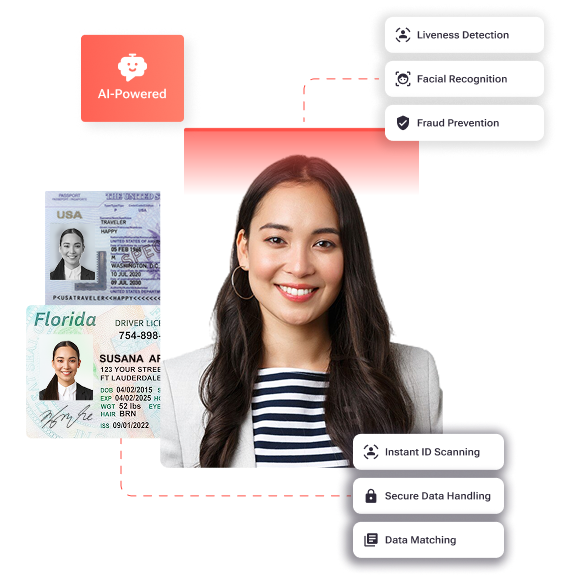
TenantEvaluation automates all three steps so CAMs and boards do not rely on manual checklists. As a direct reseller of TransUnion and Equifax data, the platform operates under strict bureau rules with regular compliance reviews. IDVerify+ strengthens permissible-purpose validation by confirming applicant identity before screening authorization, which reinforces FCRA-aligned audit defensibility. Florida HOAs commonly require criminal history, creditworthiness, rental history, and prior eviction screening, and TenantEvaluation’s SafeCheck+ covers all of these with nationwide and global criminal records, employment verification, income confirmation via IncomeEV, and reference checks.
SIRS Compliance Software and CAM Workload
Florida condominium associations governing buildings three or more stories tall must complete a Structural Integrity Reserve Study at least every 10 years, conducted by a licensed engineer or architect. The compliance obligations that follow are time-sensitive for both boards and CAMs.
- Associations must submit the SIRS report to DBPR within 45 days of receiving it.
- The DBPR maintains a searchable public database of associations that have completed SIRS.
- Recent legislation has refined certain milestone-inspection and SIRS requirements.
- For the 2026 fiscal year, Florida associations may not adopt a budget that waives or reduces structural reserves below the amounts specified in the current SIRS.
Records and governance platforms such as HOA Cloud and Florida Condo Tracker are designed to track SIRS deadlines, store engineer reports, and surface reserve line items. These platforms handle the SIRS workflow itself. However, CAMs managing SIRS compliance are often the same staff handling resident onboarding, lease approvals, and records requests, and manual onboarding processes consume hours that could otherwise go toward SIRS tracking. TenantEvaluation’s role in the SIRS compliance stack is indirect but critical, because automating screening, adverse-action workflows, and lease tracking frees CAM capacity for time-sensitive structural compliance tasks like SIRS notification.
2026 Florida Law Updates CAMs and Boards Must Track
The 2026 compliance environment reflects several years of accelerating legislative activity that affect both daily operations and personal exposure.
- Condo website mandate (25+ units): The condo website mandate described in the compliance checklist (Section 718.111(12)(g)) gained enforcement teeth in July 2025 when HB 913 gave DBPR explicit investigative authority, with fines up to $5,000 per violation.
- HOA website mandate (100+ parcels): HOAs with 100 or more parcels have faced a digital records mandate since January 1, 2025 under Section 720.303(4)(b).
- SIRS database: The DBPR maintains a searchable public SIRS database, making non-completion publicly visible to owners, buyers, and plaintiff attorneys.
- Milestone inspections: Residential condominium and cooperative buildings of three or more stories require a Phase 1 milestone inspection at 30 years of age (or 25 years if the local enforcement agency determines it necessary due to coastal proximity) and every 10 years thereafter under §553.899.
- New record categories: Official records in Florida include deeds, mortgages, liens, judgments, marriage licenses, and other instruments relating to property transactions or court matters as authorized by statute.
- HB 913 additions: HB 913 added new document categories to the posting mandate in 2025, which expanded what CAMs and boards must publish and maintain online.
Board Personal-Liability Risks in 2026
The liability exposure for Florida board members has expanded materially across three domains, and CAMs face parallel professional risk.
Records violations: Since HB 1203 took effect, records violations can result in criminal penalties in certain circumstances. In Pecchia v. Wayside Estates Homeowners Association (2024), the Florida Fifth DCA ruled that late and incomplete responses to records requests do not satisfy statutory obligations, exposing associations to damages and attorney fees regardless of eventual production.
Screening liability: The FCRA adverse-action notice requirement described in the compliance checklist creates direct board exposure when delivery fails or cannot be documented. Because the exposure stems from both non-delivery and inability to prove delivery, automated adverse-action workflows with built-in audit trails are the primary mitigation, since they ensure the notice is sent and create a timestamped record that the board can produce in an audit or lawsuit.
Director removal: Florida condominium association directors may be recalled and removed from office by a majority vote of the voting interests under Chapter 718, with or without cause. For CAMs, this liability translates to professional indemnity exposure and client retention risk, while volunteer board members face personal legal costs even when the association is ultimately vindicated.
TenantEvaluation’s audit trail covers every application action, including consent capture, screening authorization, report delivery, adverse-action notice, and board vote. This creates a defensible compliance record that reduces personal liability exposure for board members and CAMs alike.
Self-Managed Versus CAM-Managed Platform Priorities
Self-managed associations typically have volunteer boards with limited administrative bandwidth. Their priority is workflow automation that eliminates manual follow-up, a board dashboard that surfaces only what requires a decision, and lease tracking that replaces spreadsheets without requiring dedicated staff. The lease tracking priority is especially urgent, because communities relying on spreadsheet-based tracking can experience higher rates of missed follow-up deadlines than those using dedicated software, a risk that self-managed boards carry disproportionately.
CAM-managed associations and enterprise portfolios require multi-community scalability, configurable screening criteria per property, centralized lease visibility across units, and revenue-sharing models that offset operational costs. TenantEvaluation’s pay-per-application model with revenue-sharing rebates to the association aligns platform incentives with client success, a structure that monthly-subscription competitors do not offer.
See how TenantEvaluation configures to your management model and compare the revenue-sharing structure to your current screening costs.
HOA Cloud Versus TenantEvaluation in the Compliance Stack
HOA Cloud and similar records-portal platforms address the governance and document-storage layer of Florida compliance, including website posting, SIRS tracking, meeting notices, and board document repositories. These are legitimate tools for the records mandate. The remaining gap sits in the onboarding and screening layer that drives FCRA, identity, and lease visibility risk.
| Dimension | TenantEvaluation | HOA Cloud |
|---|---|---|
| Primary function | FCRA-first resident screening and onboarding platform built exclusively for community associations | Records portal, website compliance, and governance document storage |
| FCRA screening | Direct bureau reseller, automated adverse-action workflow, built-in audit trail | Not a screening platform, no FCRA workflow |
| Biometric identity verification | IDVerify+: liveness detection, government ID validation, biometric facial match, native to platform | Not available |
| Lease tracking | Centralized, real-time lease visibility and lifecycle control, connected to onboarding, approvals, and unit data, audit-ready | Document storage only, not connected to onboarding lifecycle |
| Board approval workflow | QuickApprove: dedicated board voting panel, real-time application tracking, automated communication support, customized approval letters | Board document access, no screening approval workflow |
| Florida-specific onboarding | Built for Florida CAMs and boards, 55+ community support, configurable per community governing documents | Florida records compliance focus, no onboarding customization |
The practical conclusion for CAMs and boards is clear. Associations need both layers, with HOA Cloud or equivalent platforms handling the records mandate and TenantEvaluation handling the screening, onboarding, and lease-tracking mandate. Using only a records portal leaves FCRA exposure, identity fraud risk, and lease visibility gaps unaddressed.
Decision Framework for Selecting Your Compliance Stack
Associations should select their compliance stack based on their highest-risk gap. The table below maps four common Florida association profiles to their primary compliance vulnerability and shows why TenantEvaluation addresses that specific risk better than generic property management software or records-only platforms.

| Association Profile | Primary Gap | Platform Priority | TenantEvaluation Fit |
|---|---|---|---|
| Self-managed condo, 25–149 units, high tenant turnover | FCRA screening, adverse-action workflow, lease tracking | Onboarding and screening platform | High, QuickApprove board dashboard eliminates email chains and Lease Tracking replaces spreadsheets |
| CAM-managed HOA, 100+ parcels, enterprise portfolio | Multi-community lease visibility, scalable screening, revenue offset | Integrated onboarding platform with revenue sharing | High, pay-per-application model with revenue-sharing rebate and configurable per community settings |
| 55+ age-restricted condo or HOA | Standardized age-restricted application handling, documentation consistency | Onboarding platform with 55+ capability | High, 55+ Communities Verification standardizes application handling and reduces manual work |
| High-rise or gated community with identity fraud exposure | Biometric identity verification, fraud prevention | Screening platform with biometric layer | High, IDVerify+ provides liveness detection and biometric facial match native to the workflow |
Map your compliance gaps to TenantEvaluation’s capabilities in a 15-minute demo tailored to your association profile.
Frequently Asked Questions
What personal liability do Florida board members face for screening and onboarding failures in 2026?
Board members in Florida condominium associations may be recalled and removed from office by a majority vote of the voting interests under Chapter 718, with or without cause. Beyond removal, associations that fail to deliver the required notices after a screening denial based on a consumer report expose the board to federal consumer protection claims. Records violations can carry criminal penalties depending on intent. Automated audit trails that cover consent capture, screening authorization, adverse-action notice delivery, and board vote timestamps are the primary mechanism for reducing personal liability exposure. TenantEvaluation generates a complete, timestamped audit record for every application action.
What does an FCRA-compliant adverse action notice require for Florida condo and HOA resident screening?
When a consumer report, including a background check, credit report, or eviction history, contributes to a denial, an adverse action notice is required under the Fair Credit Reporting Act, while a risk-based pricing notice is required when credit is granted on less favorable terms. First, before the final decision, the applicant must receive a copy of the report and a written summary of their rights under the FCRA, along with a reasonable consideration period. Second, after the final decision, a written adverse action notice must identify the consumer reporting agency that provided the report, explain that the agency did not make the decision, and inform the applicant of their right to dispute inaccuracies. Documentation of both steps must be retained for audit purposes. TenantEvaluation automates this entire workflow, including delivery confirmation and audit-trail retention, as a direct reseller of TransUnion and Equifax data operating under strict bureau compliance rules.
How does lease tracking reduce compliance risk for Florida associations?
As noted in the compliance checklist, leases are not official records under Chapter 718, but associations must still produce them promptly when requested. Manual lease management scattered across email inboxes, shared drives, and spreadsheets creates the conditions for missed deadlines, incomplete production, and the civil damages and attorney fees that follow. Centralized lease tracking connects resident onboarding, unit data, approvals, and lease documentation into one real-time workflow, with real-time lease status visibility, automated lease document collection during onboarding, and searchable digital history. This means that when a records request arrives, the association can respond completely and on time without staff spending hours locating documents across disconnected systems.
What are the 2026 website requirements for Florida condo and HOA associations, and what happens if an association is not compliant?
Condominium associations with 25 or more units must maintain a password-protected website or mobile app for posting official records, effective January 1, 2026, under Section 718.111(12)(g). HOAs with 100 or more parcels faced a similar mandate since January 1, 2025, under Section 720.303(4)(b). Non-compliance with the condo website requirement exposes associations to DBPR investigation and fines up to $5,000 per violation under authority granted by HB 913 in July 2025. Associations must also redact personal identifying information before posting documents on the portal. Failure to redact is one of the most common manual compliance failure points identified in Florida association audits.
Can a self-managed Florida association use TenantEvaluation without a CAM?
Yes. TenantEvaluation serves associations ranging from small self-managed communities to large enterprise portfolios managed by regional CAM firms. For self-managed boards, the platform’s QuickApprove workflow provides a dedicated board voting panel with real-time application tracking, automated communication support, and customized approval letters, which replaces the email chains and spreadsheets that create bottlenecks when volunteer board members are the primary decision-makers. The pay-per-application revenue-sharing model means there are no upfront subscription fees, and the association receives a rebate from collected application fees. The platform also provides 24/7 AI-powered support in 11 languages, which reduces the support burden on volunteer board members during high-volume application seasons.
Conclusion: Completing Your 2026 Compliance Stack
Florida’s 2026 compliance environment requires associations to address two distinct layers simultaneously, the records and governance layer for website posting, SIRS tracking, and milestone inspection distribution, and the onboarding and screening layer for FCRA-compliant screening, adverse-action workflows, biometric identity verification, and centralized lease tracking. Records portals address the first layer. TenantEvaluation addresses the second as the only platform built with FCRA compliance as the foundation, direct credit bureau reseller status, native biometric identity verification through IDVerify+, accelerated board approvals through QuickApprove, standardized age-restricted application handling through 55+ Communities Verification, and centralized, real-time lease visibility from application to occupancy.
Associations that rely on manual onboarding processes in 2026 carry compounding liability across FCRA, records, and identity fraud exposure. The compliance stack is not complete without the onboarding layer. Evaluate your onboarding process against Florida’s 2026 requirements and see where TenantEvaluation fills the gaps your records portal cannot address.
