Written by: Luis Teran, Co-founder, CEO, TenantEvaluation
Key Takeaways
- Florida HOAs in 2026 face higher regulatory, documentation, and reporting standards, which make manual onboarding risky, slow, and difficult to audit.
- Specialized tenant evaluation onboarding platforms centralize applications, screening, and board review, which improves consistency, transparency, and compliance for condominiums and HOAs.
- Automated identity, income, and background verification reduce errors and bias, tighten data security, and help boards defend decisions with clear audit trails.
- Streamlined workflows and online payments cut approval times, lower staff workload, and create new revenue opportunities through fee collection and revenue-sharing models.
- Florida associations can modernize onboarding and compliance by implementing a dedicated platform like Tenant Evaluation; schedule a demo to see how the system supports your community.
Why Advanced Tenant Evaluation is Essential for Florida HOAs
The Growing Complexity of HOA Management in Florida
Florida community associations manage more regulation than ever. House Bill 913 passed unanimously in 2025 and added milestone inspections, stricter reporting, and repair timelines for multi-story buildings. These requirements demand structured recordkeeping, not ad hoc spreadsheets or email threads.
Administrative expectations also increased. House Bill 983 set tight 10-business-day deadlines for providing official records to parcel owners, and new laws now require photo documentation of unit conditions at move-in and move-out for security deposits. Generic property management tools rarely match this level of precision for Florida HOAs.
Understanding the Holistic Resident Lifecycle Management Framework
Resident lifecycle management starts with application and screening and continues through move-in, renewals, and move-out. A focused onboarding platform gives applicants clear instructions, provides managers with organized files, and enables boards to review and vote in one place. This structure reduces turnover, supports consistent enforcement, and protects community finances.
Schedule a demo to see how Tenant Evaluation aligns onboarding with your bylaws and Florida statutes.
Understanding Tenant Evaluation Onboarding Platforms: Key Concepts and Industry Landscape
Defining a Specialized Tenant Evaluation Onboarding Platform
A specialized onboarding platform manages the full journey from application through board approval. It collects documents, performs identity checks, runs credit and background screening, and routes files for review in one system tailored to HOAs and condos.
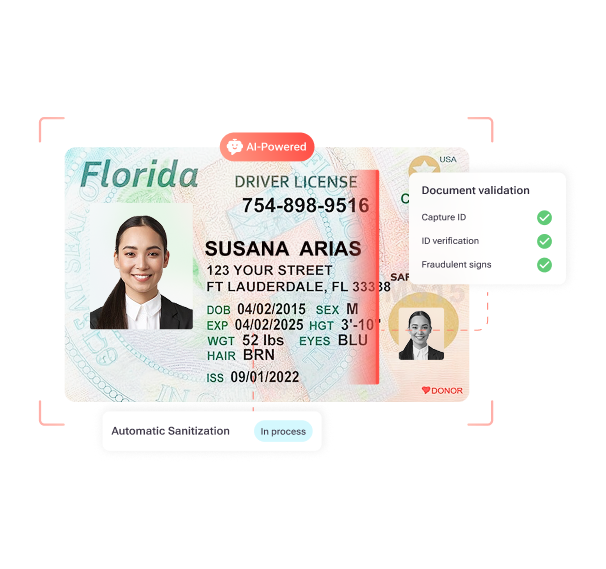
Community-specific rules, approval workflows, and Florida regulations can be built in so applicants, realtors, managers, and board members work from the same source of truth.
Navigating Florida’s Legislative Impact on Tenant Evaluation
State legislation now touches multiple points in the onboarding process. HB 43 introduced reusable screening reports that lower costs for renters but require associations to verify report validity and compliance language. Platforms can standardize that verification step instead of leaving it to individual staff.
HB 913 milestone inspection rules with strict deadlines and repair expectations and HB 983 disclosure requirements for financial statements and board minutes highlight the need for systems that track documents and dates automatically. Rising expectations for screening vendors and service personnel further reinforce the value of a centralized vetting process.
Digital Transformation and Data Security Trends in HOA Management
Digital-first onboarding now pairs convenience with security. PCI Level 1 payment processing, encryption, and redaction of IDs and account numbers limit exposure if a device is lost or an email is misdirected. Florida associations in 2026 increasingly adopt dedicated screening platforms to match these expectations.
Unlocking the Core Benefits: Practical Applications for Florida HOAs and Condos
Streamlined Operations and Maximized Efficiency
Automation replaces much of the back-and-forth that slows approvals. Smart forms show only relevant questions, required-field checks prevent incomplete files, and automated reminders keep applicants on track. Managers spend less time chasing documents and more time on resident service and planning.
Enhanced Compliance and Robust Risk Mitigation
Workflows that embed Florida rules help ensure consistent treatment and complete files. Platforms track who reviewed what and when, which supports fair housing compliance and provides evidence in disputes. Secure storage and controlled access reduce the risks of paper files, shared inboxes, and uncontrolled downloads.
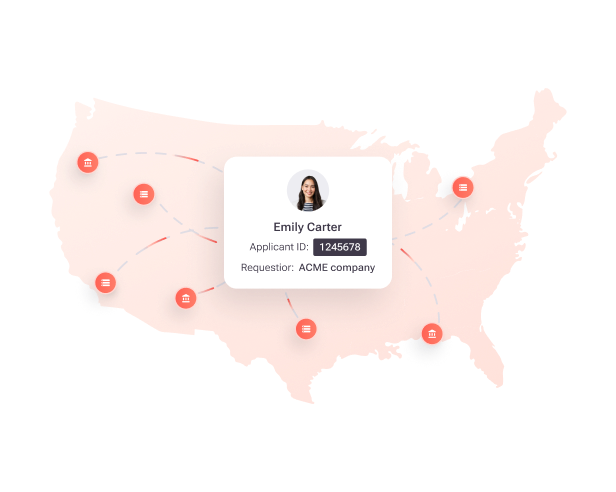
Increased Revenue and Improved Financial Health
Online payments capture application and screening fees consistently and reduce manual reconciliation. Revenue-share models can add a new income line for the association, and faster approvals shorten vacancy periods and support steadier cash flow.
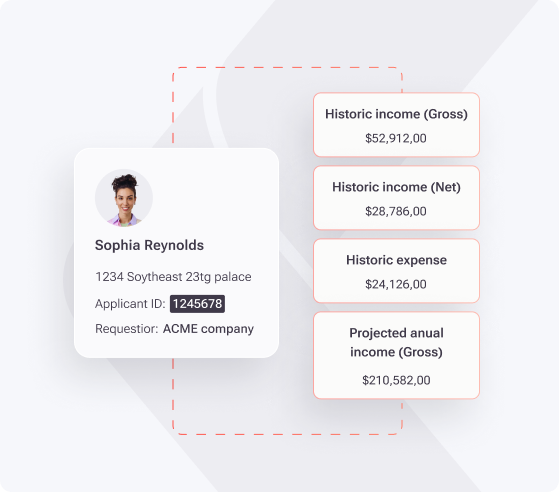
Elevated Community Well-being and Transparency
Board dashboards consolidate key application data and vote tracking, which reduces email chains and delays. Applicants and realtors see real-time status updates, and multilingual support improves clarity for diverse households.
Overcoming Common Challenges with Manual and Generic Onboarding
Administrative Overload and Operational Inefficiencies
Spreadsheets, email, and paper packages create bottlenecks during busy seasons. Generic tools might collect applications but rarely manage rule-specific workflows, board votes, and Florida documentation demands in the same place.
Navigating Compliance Risks and Avoiding Penalties
Regulatory changes such as 2025 updates to Florida’s Residential Landlord and Tenant Act that extended month-to-month notice periods show how quickly rules can shift. Manual tracking makes it easy to miss a step, while platforms update workflows and logs automatically.
Data Security Vulnerabilities and Privacy Breaches
Printed IDs, emailed bank statements, and unencrypted drives raise the risk of data loss and privacy complaints. Centralized, encrypted storage and redaction help keep sensitive information limited to those who need it.
Inconsistent Decisions and Lack of Transparency
Unstructured reviews invite inconsistency and confusion. Standard criteria, side-by-side board views, and time-stamped decisions build predictability for applicants and protection for associations.
Best Practices and Future Standards in Tenant Evaluation Onboarding
Adopting a Digital-First, Mobile-Friendly Approach
Residents now expect to apply, upload documents, and sign from their phones. Mobile-optimized portals, e-signatures, and real-time notifications shorten timelines and reduce front-desk traffic.
Customization for Florida-Specific Regulations and Bylaws
Effective platforms reflect your bylaws, screening criteria, and community types. Florida-specific rules, such as disclosure and record access obligations, can be embedded so the process stays aligned as statutes evolve.
Leveraging Intelligent Automation for Efficiency and Accuracy
Conditional questions, automated document checks, and auto-redaction raise data quality while limiting manual work. Stakeholders see accurate, current information without rekeying or hunting through emails.
Centralizing Board Review and Decision-Making
Board portals with structured summaries, voting tools, and clear status indicators keep decisions moving. Built-in audit trails document who voted, when, and what information they reviewed.
Comprehensive Screening for All Community Stakeholders
Security planning now includes residents, vendors, contractors, and other service providers. Platforms that manage screening across these groups create a fuller picture of property access and risk.
Schedule a demo to see how Tenant Evaluation supports end-to-end screening for residents and vendors.
Tenant Evaluation vs. Traditional Methods: The Power of Specialization
Direct Comparison Table: Specialized Platform vs. Generic or Manual
|
Feature |
Tenant Evaluation (Specialized Platform) |
Manual Processes |
Generic Software |
|
Compliance |
Florida-focused, automated workflows |
Manual tracking, higher error risk |
General features, limited HOA focus |
|
Efficiency |
Faster approvals, major time savings |
Labor-intensive, delays common |
Partial automation |
|
Data Security |
PCI Level 1, encryption, redaction |
Paper and email exposure |
Basic protections |
|
Board Access |
Real-time dashboards and voting |
Email summaries and meetings only |
Limited board tools |
Specialized onboarding gives Florida HOAs a structured, compliant, and traceable process that manual methods and generic software rarely match.
Conclusion: Modernizing Florida HOAs with Advanced Tenant Evaluation Onboarding
The Imperative for Modern Community Management
Rising regulatory complexity, higher resident expectations, and ongoing security concerns make specialized onboarding platforms a practical requirement for Florida associations. These tools support compliance, reduce risk, and keep records organized for audits and disputes.
Empowering Your Community’s Future
Boards and managers that shift from scattered manual workflows to centralized, secure platforms gain clearer insight and more control over their communities’ future. Consistent criteria, better data, and faster approvals help communities stay compliant and attractive to residents.
Frequently Asked Questions About Tenant Evaluation Onboarding Platforms
How do specialized tenant evaluation onboarding platforms address new Florida legislation such as HB 43, HB 913, and HB 983?
Modern platforms align workflows to Florida statutes by design. HB 43 reusable reports can be uploaded and validated through standardized steps. HB 913 inspection schedules and documents can be tracked alongside other records. HB 983 disclosure items, such as financials and minutes, stay stored and searchable so managers can respond within statutory timeframes.
What is the impact of a tenant evaluation onboarding platform on risk mitigation for HOAs?
Risk drops when sensitive files live in encrypted, access-controlled systems instead of inboxes and file cabinets. Detailed logs show who accessed which file and when, which helps defend against discrimination and process complaints. Consistent criteria further reduce exposure to fair housing claims.
Can a tenant evaluation onboarding platform generate revenue for an HOA?
Online fee collection ensures that application and screening fees are billed and received. Some platforms share screening revenue with associations, which turns compliance work into an income source. Time savings free staff and managers to focus on projects that support retention and property value.
How do these platforms enhance transparency and communication for boards and applicants?
Boards see applications, notes, and votes in real time, not only at meetings or through forwarded emails. Applicants and realtors receive automatic status updates and clear requests when something is missing, which reduces calls and guesswork for everyone involved.
How do specialized platforms support screening for vendors and service personnel?
Vendor and contractor profiles can be screened, documented, and renewed in the same system as residents. Approved-service lists stay current, and integration with access control systems can link entry permissions to screening status, which strengthens overall community security.
