Written by: Luis Teran, Co-founder, CEO, TenantEvaluation
Key Takeaways
- Resident screening choices in Florida directly affect risk, compliance, revenue, and resident satisfaction.
- Manual screening increases administrative workload, delays approvals, and raises data security and legal concerns.
- Automated screening centralizes data, standardizes decisions, and strengthens fraud detection for Boards and CAMs.
- Communities that process even a modest number of applications each year often find automation more cost-effective over time.
- TenantEvaluation gives Florida HOAs and condos a purpose-built automated screening platform; get started with a guided demo to see it in action.
How Resident Screening Shapes Florida Communities
Impact on Operations, Risk, and Resident Experience
Resident screening functions as the entry gate to your community. The process influences operational workload, financial stability, and the experience of applicants, residents, Boards, and realtors.
Florida communities navigate federal fair housing requirements along with state-specific HOA and condo regulations. Screening must stay thorough enough to protect the association while moving quickly enough to avoid extended vacancies and frustrated applicants.
Key Factors in Any Screening Process
Effective screening for Florida associations depends on several core elements:
- Operational efficiency and CAM workload
- Regulatory compliance and consistency with governing documents
- Data security and protection of personal information
- Transparency for Boards and owners
- Applicant and realtor experience
- Total cost of ownership, including hidden time and risk costs
Each factor either supports a professional, predictable process or contributes to delays, exposure, and complaints.
Manual Resident Screening: Ongoing Hurdles
What Manual Screening Looks Like in Practice
Manual screening usually relies on paper or PDF applications, email attachments, phone calls for verification, and long email chains for Board review. Information often lives in multiple inboxes, folders, and spreadsheets.
CAMs spend many hours chasing missing documents, keying information into systems, and organizing packages for Board review. Every handoff introduces the possibility of errors, lost documents, or missed deadlines.
Hidden Costs for CAMs and Boards
Administrative burden remains one of the largest drawbacks. Time spent on follow-ups, manual data entry, and physical or ad hoc digital filing reduces the time available for community projects and owner communication. These delays contribute to extended rental vacancies that directly impact revenue generation.
Compliance oversight becomes harder to manage with manual workflows. Inconsistent application of criteria and limited audit trails increase the risk of discrimination claims and regulatory violations. Changing Florida rules and evolving community policies add further complexity.
Data security risk stays high when communities store or circulate physical files and unencrypted attachments. Common gaps in HOA and condo screening practices include unsecured storage, uncontrolled email forwarding, and limited access controls for sensitive Personal Identifiable Information.
Fraud detection also suffers. A 2025 analysis of AI tenant screening trends found that nearly 15% of rental applications contain falsified information, including altered pay stubs and edited bank statements that manual review often misses.
Communication friction further slows decisions. Boards frequently rely on email threads and scattered attachments, which reduces visibility and impacts efficient board oversight and community well-being.
Automated Resident Screening with TenantEvaluation
Core Capabilities of Automated Screening
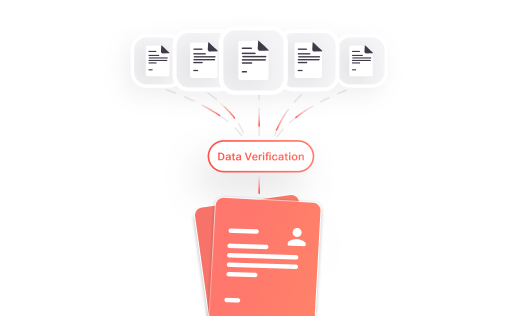
Automated resident screening uses a centralized digital platform to manage applications, background checks, Board review, and communication. A 2025 overview of property management technology trends highlighted this full-journey approach from initial application through renewal.
TenantEvaluation provides:
- An all-in-one online application for applicants, co-applicants, and occupants
- Configurable workflows tailored to each community’s rules and Florida-specific requirements
- Integrated SafeCheck+ background checks that align with FCRA standards
- Automated status updates for CAMs, Boards, and applicants
How TenantEvaluation Improves Security and Fraud Detection
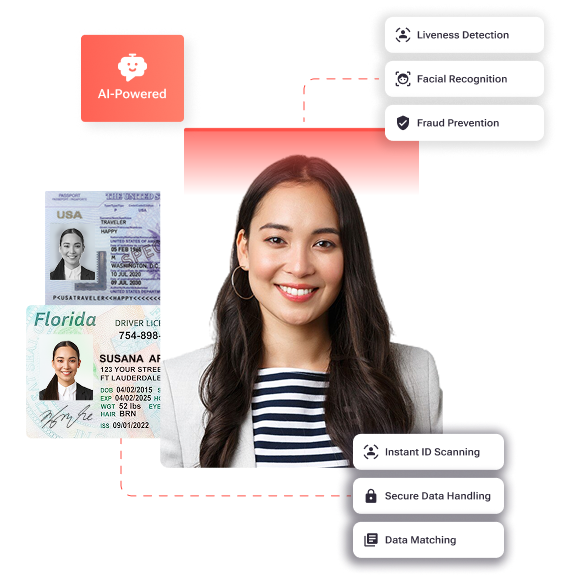
Stronger data protection is built into the platform. TenantEvaluation uses PCI Level 1 compliance, end-to-end encryption, and automatic redaction of sensitive fields to reduce exposure for HOAs and condos.
AI-driven tools raise fraud detection to a level that manual review cannot match. IncomeEV and IDverify scan documents, validate data, and flag potential alterations in real time. Advanced algorithms spot inconsistencies and falsified information that manual methods frequently overlook, which helps Boards avoid costly approval errors.
Board Oversight and Applicant Experience
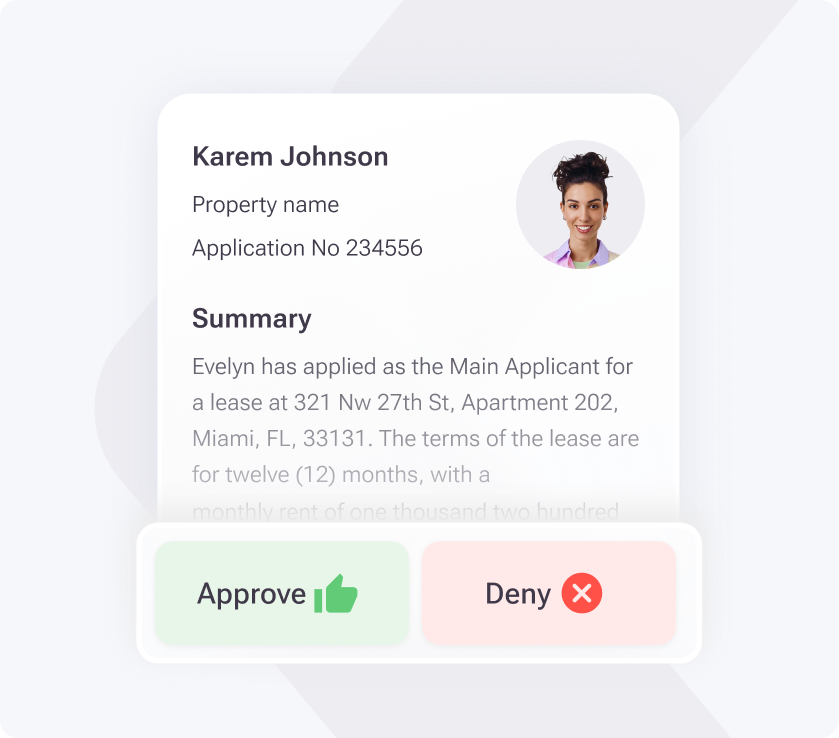
TenantEvaluation’s QuickApprove feature gives Board members an online dashboard with clear application summaries, voting tools, and real-time status views. Decisions become faster and more consistent, and CAMs spend less time pulling reports or chasing signatures.
Applicants benefit from 24/7 online access, clear instructions, and multi-lingual AI assistance in 11 languages. Shorter processing times support better relationships with realtors and incoming residents. Schedule a demo today to see the full workflow from both the CAM and applicant perspective.
Manual vs. Automated Resident Screening at a Glance
|
Feature/Aspect |
Manual Screening |
Automated Screening |
|
Efficiency |
High administrative burden; processing often takes days or weeks |
Automated workflows reduce turnaround from days to minutes |
|
Compliance |
Inconsistent criteria, limited documentation, harder rule updates |
Built-in Florida-specific rules, FCRA-aligned checks, full audit history |
|
Data Security |
Paper files and email attachments increase breach and loss risk |
PCI Level 1 controls, encrypted storage, automated redaction of PII |
|
Fraud Detection |
Relies on manual review and individual vigilance |
AI-based OCR, document verification, and pattern analysis for fraud |
Strategic Benefits of Automation for Florida HOAs
Operational Efficiency and Staffing
Automated screening reduces repetitive administrative work so CAMs can focus on property maintenance, communication, and long-term planning. Shifting effort toward higher-value HOA management activities tends to improve resident satisfaction and staff retention.
Improved efficiency also supports portfolio growth. Management firms and self-managed communities can handle more units and applications without adding equivalent headcount.
Financial Health and Risk Management
Faster approvals shorten vacancy periods and protect assessment income. Each day saved between move-outs and move-ins contributes to the community’s financial stability. Prescreening co-owners for financial qualification also helps prevent chronic delinquency that can drive special assessments.
Consistent decision rules, strong documentation, and higher data security reduce the likelihood and impact of disputes, fines, or lawsuits. Automated audit trails give Boards clear records of how and why decisions were made.
Stakeholder Experience and Data Insights
A predictable, transparent screening process serves everyone involved. Applicants receive faster answers, realtors move deals forward more quickly, CAMs manage fewer complaints, and Boards see clear information instead of scattered email threads.
Aggregated application data supports better planning. Data-driven insight into resident and buyer trends can inform policy updates, capital planning, and communication strategies.
Decision Guide for Florida HOAs and Condos
Choosing between manual and automated screening starts with an honest review of your current process. Important areas include application volume, approval timelines, staff workload, recent compliance issues, and data security practices.
Communities that process more than a handful of applications each year often find automation cost-effective once staff time, vacancy loss, and risk are factored in. Manual methods may look cheaper at first but usually carry hidden costs in labor, lost revenue, and potential legal exposure.
Key assessment points include current staff hours devoted to screening, average days from application to decision, history of disputes or regulatory concerns, and the Board’s need for clearer visibility into approvals. Schedule a demo today to map those realities against an automated TenantEvaluation workflow.
Frequently Asked Questions (FAQ) about Automated Resident Screening
How does automated screening ensure compliance with Florida-specific HOA regulations?
TenantEvaluation configures each community’s governing documents, bylaws, and Florida-specific rules directly into the workflow. The system applies those rules the same way every time and logs each action, creating detailed audit trails that support fair housing obligations and state requirements.
What cost savings can an HOA expect when moving from manual to automated screening?
Communities typically save on paper, storage, and mailing, along with reduced staff time for data entry, follow-ups, and Board coordination. Additional savings often come from shorter vacancies, fewer compliance penalties, and lower legal and administrative risk. One Florida management company documented six-figure annual savings after adopting automation, driven mainly by efficiency gains and risk reduction.
How does an automated system improve security for applicant data?
TenantEvaluation uses bank-level security controls. PCI Level 1 compliance, encryption of data in transit and at rest, and automatic masking of sensitive fields reduce exposure from both external threats and internal mishandling. Automated storage also removes the need for unsecured email attachments and physical files.
Can a Board of Directors maintain control and transparency with an automated platform?
Boards gain more visibility with automation than with manual email-based processes. QuickApprove dashboards show pending applications, key information, and voting history in one place. Board members can review and vote on applications at their convenience while the system records every decision for future reference.
Conclusion: Modernize Screening for Your Community in 2026
The shift from manual to automated resident screening has become a central decision for Florida HOAs and condos that want to strengthen compliance, reduce risk, and support residents and staff. Manual processes tend to create ongoing administrative strain, inconsistent outcomes, and higher exposure around data security and fair housing.
TenantEvaluation offers an automated, Florida-aware platform that addresses those challenges and supports long-term community goals. Recent work on AI-driven tenant screening and proptech adoption shows how these tools scale to communities of many sizes while maintaining consistent decisions.
Communities that adopt automated screening position themselves for stronger financial performance, better protection of sensitive information, and a smoother experience for everyone involved. Schedule a demo today to see how TenantEvaluation can support your Florida HOA or condo in 2026 and beyond.
