Written by: Luis Teran, Co-founder, CEO, TenantEvaluation
Key Takeaways
- Automated tenant evaluation reduces manual work for Florida community associations and shortens approval timelines for applicants.
- Florida laws in recent years increased documentation, safety, and transparency requirements, which align better with digital, trackable screening workflows.
- Well-configured automated systems support Fair Housing Act compliance through consistent criteria, clear records, and controlled access to sensitive data.
- Stronger data security, clearer screening policies, and regular legal review help boards avoid common screening pitfalls and liability.
- Florida associations can modernize screening and compliance by partnering with a platform like Tenant Evaluation; schedule a demo to see how the system fits your community.
Why Automated Tenant Evaluation is Crucial for Florida HOAs and Condos
The Burden of Manual Processes
Manual, paper-based screening slows every step of the approval process. Staff often spend hours coordinating between applicants, owners, and realtors, tracking down missing documents, and managing status updates. Larger communities can see staff workloads climb toward dozens of hours per day, which delays move-ins and strains budgets.
Navigating Florida’s Unique Regulatory Landscape
Florida community associations now operate under tighter reporting and documentation rules. The Corporate Transparency Act requires associations to disclose beneficial ownership information for entities and board members to FinCEN. Recent legislative sessions also added structural safety and financial transparency requirements, including milestone inspections and Structural Integrity Reserve Studies for many buildings. Automated systems help track these obligations and maintain complete records.
Mitigating Risks and Enhancing Community Security
Handling sensitive data on paper or across email creates unnecessary exposure. Inconsistent screening criteria can also increase Fair Housing Act risk and invite disputes. Automated platforms standardize how information is collected, reviewed, and stored, which supports both security and fairness.
What is Automated Tenant Evaluation?
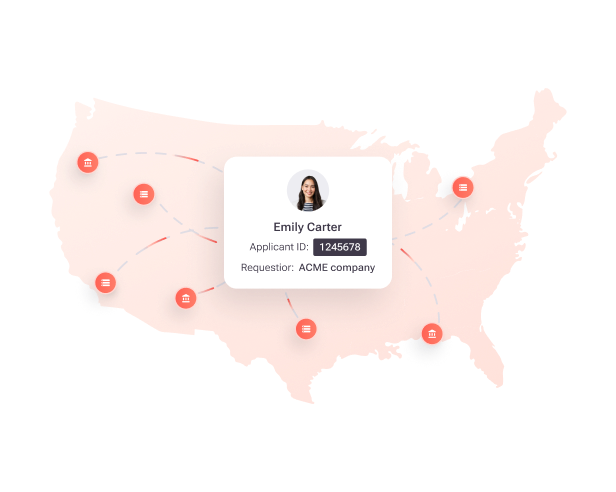
Automated tenant evaluation refers to digital platforms that manage applications, document collection, background and credit checks, income verification, and board approvals in one place. These systems use online forms, checklists, and workflows to guide applicants and boards, while encryption and redaction tools help protect personal information.
Key Trends Shaping Resident Screening in Florida (2026 Outlook)
Stricter Compliance Standards
Regulators continue to emphasize documentation and accountability. Many older condominium and cooperative buildings must now complete milestone inspections and Structural Integrity Reserve Studies. That same expectation for structured records increasingly applies to resident screening and approvals.
Evolving Fair Housing Act Guidance
Federal guidance from 2024 reshaped how credit data should be used in screening. HUD explained that credit scores should relate to actual risk and be considered alongside reasonable accommodations and alternative factors. Automated systems make it easier to configure multi-factor criteria that reflect these expectations.
Demand for Transparency and Digital Convenience
Applicants, owners, and realtors expect online access, clear instructions, and status visibility. Automated portals provide 24/7 access from any device and send real-time updates, which reduces calls and emails to on-site staff.
Photo Documentation and Disclosure Requirements
Recent Florida rules expanded documentation duties for managers. Managers must provide flood disclosures and photo documentation that supports any security deposit claims. Digital tools help organize these records alongside applications and lease files.
Practical Benefits of Automated Tenant Evaluation for Community Associations
Streamlined Application and Onboarding Workflows
Automated platforms guide applicants through tailored forms, request only relevant documents, and send reminders when items are missing. These workflows shorten approval times, reduce manual data entry, and help staff focus on higher-value work.

Enhanced Compliance and Risk Mitigation
Modern systems embed key rules into the workflow. Florida HOAs must obtain signed consent and provide a clear, standalone disclosure before running background or credit checks under FCRA and state law. Platforms can require these steps before any report is ordered and store a record for audits.
Empowering Board Members with Data-Driven Decisions
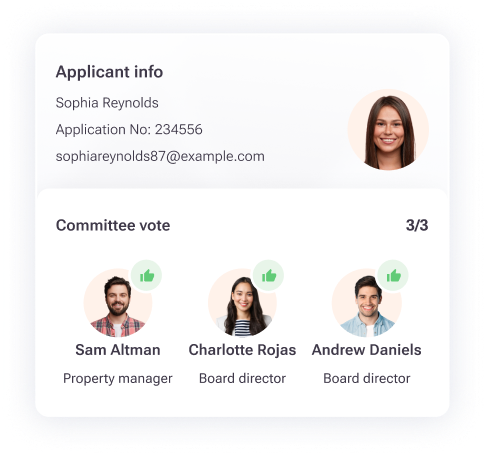
Board portals summarize key details while limiting exposure to raw personal data. Volunteer boards benefit from dashboards that support structured voting, real-time status tracking, and consistent application of policies.
Improved Applicant Experience
Applicants receive clear instructions, digital payment options, and predictable timelines. Online access in multiple languages and mobile-friendly forms help reduce incomplete submissions and repeated questions to the management office.
Revenue Generation and Cost Savings
Automated payment tools capture approved application fees consistently and log them for accounting. Faster processing reduces vacancy time, while lower administrative overhead helps stabilize association budgets.
Avoiding Common Pitfalls in Automated Resident Screening
Legal Landmines: Fair Housing Act Violations
Screening criteria that rely too heavily on a single metric can create Fair Housing Act risk. Guidance emphasizes that credit scores should not be the sole basis for approval or denial. Associations should work with counsel when designing screening programs and rental restrictions.
Data Security and Privacy Risks
Insufficient security controls can expose associations to breach notifications, fines, and reputational damage. Platforms should offer PCI Level 1 compliance, strong encryption, automatic redaction of Social Security numbers, and access controls that restrict who sees sensitive details.
Inconsistent Screening Policies
Clear written policies are essential for fairness. Governing documents should define objective criteria and fees so boards can show decisions rest on written standards rather than personal preferences. Automated tools then enforce these rules across all files.
Outdated or Inaccurate Information
Florida House Bill 43 permits reusable tenant screening reports, but HOAs must confirm that reports are recent and from trusted providers. Systems should flag report age and document verification steps inside the file.
Best Practices for Successful Automated Tenant Evaluation in Florida
Develop Comprehensive and Objective Screening Policies
Boards should define disqualifying factors, acceptable score ranges, and income-to-rent ratios before configuring software. Policies can, for example, specify felony lookback periods, minimum scores, and fee limits that comply with governing documents.
Prioritize Florida-Specific Compliance
Platforms tailored for Florida can better address local requirements, such as corporate transparency rules, flood-related disclosures, and common leasing provisions in condominium and HOA documents.
Secure Clear Consent and Disclosures
Florida HOAs must obtain signed consent and present a separate disclosure before ordering consumer reports. Automated workflows should require these steps and store timestamped records for every file.
Implement Robust Data Security Measures
Associations should confirm that vendors provide encryption in transit and at rest, secure hosting, role-based access, and regular security reviews. Strong controls protect applicants, staff, and board members.
Empower Boards with Transparent Review Tools
Effective systems give directors clear summaries, voting modules, and audit trails without displaying unnecessary personal identifiers. This setup supports informed decisions and helps limit liability.
Continuous Training and Legal Review
Boards and managers benefit from periodic policy reviews, updated training, and legal input as laws evolve. Regular checkpoints keep automated workflows aligned with both regulations and community expectations.
Frequently Asked Questions about Automated Tenant Evaluation for Florida HOAs
How does automated tenant evaluation help Florida HOAs comply with the Fair Housing Act?
Automated systems apply the same criteria to every applicant, document each decision, and support multi-factor evaluations instead of single-score cutoffs. This structure reduces the chance of inconsistent treatment and helps boards show that decisions follow written, objective standards.
Can Florida HOAs charge application fees for automated tenant evaluation?
Most Florida associations can charge reasonable application fees if governing documents allow them and state limits are observed. Automated platforms support transparent fee schedules, online payments, and records that show charges relate to actual screening and processing costs.
What specific Florida laws impact automated tenant evaluation for community associations?
Florida House Bill 43, the Fair Credit Reporting Act, flood disclosure rules, security deposit documentation requirements, and the Corporate Transparency Act all influence how associations collect information and document approvals. Automated systems help keep these obligations organized in a single, auditable record.
How can automated systems ensure data security for sensitive applicant information?
Modern platforms secure files through encryption, secure hosting, access controls, and automatic redaction of sensitive identifiers. Audit logs and permissions let boards see what they need for decisions without exposing complete personal data to every user.
What is a “reusable tenant screening report” in Florida, and how does it affect HOAs?
Reusable reports under Florida House Bill 43 allow applicants to share one screening package with multiple properties. HOAs still must verify that each report is recent, accurate, and produced by a reliable provider, which automated tools can track inside the application record.
Conclusion: Secure Your Florida Community’s Future with Automated Tenant Evaluation
Florida community associations now operate in an environment where documentation, security, and consistent treatment of applicants carry real legal and financial consequences. Automated tenant evaluation systems help meet these expectations by standardizing criteria, centralizing records, and protecting sensitive data.
Associations that adopt modern screening tools can shorten approval times, reduce manual workload, and support Fair Housing and state-law compliance. For communities that want clearer processes and stronger safeguards, automated tenant evaluation has shifted from a convenience to a practical requirement.
