Written by: Luis Teran, Co-founder, CEO, TenantEvaluation | Last updated: July 3, 2026
Key Takeaways for Florida CAMs
- Florida CAMs face workflow friction in application processing, lease tracking, and board reporting that integrated automation tools can directly resolve.
- TenantEvaluation leads the market for community associations with up to 70% faster approval cycles and up to 50 hours of daily staff time recovered across its 5,000+ community portfolio.
- Biometric identity verification through IDVerify reduces fraud exposure by replacing document-only screening with government ID validation and liveness detection.
- Centralized lease tracking provides real-time occupancy visibility and audit-ready digital records that eliminate manual spreadsheets and disconnected email workflows.
- Community associations seeking to streamline onboarding and lease management should explore TenantEvaluation’s Lease Tracking solution.
The 2026 Florida Compliance and Risk Landscape
Florida CAMs operate under a layered compliance environment that includes FCRA obligations, age-restricted community documentation requirements under HOPA, and association-specific governing documents. Manual processes create audit exposure at every step. Unsigned leases, missing adverse-action notices, and undocumented board votes appear frequently in association disputes.
Identity fraud is an accelerating concern for boards and managers. Synthetic identities, stolen government IDs, and impersonation attempts enter communities through traditional document-upload screening workflows that lack biometric confirmation. Boards now expect clear assurance that approved occupants are verified individuals before keys change hands.
Board expectations have also shifted toward real-time visibility. Directors want live application dashboards instead of weekly email summaries. They want occupancy data that reflects current lease status, not a spreadsheet last updated two weeks ago. Automation tools that cannot surface this information in a structured, audit-ready format are losing ground to platforms that can.
How This Guide Evaluates Automation Platforms
These board expectations for real-time visibility, audit readiness, and structured data directly shape the evaluation criteria in this guide. Every platform is assessed against six criteria. Compliance readiness covers FCRA alignment, adverse-action workflows, and data handling. Operational efficiency focuses on hours saved and cycle-time reduction.
Transparency looks at real-time dashboards for managers and boards. Scalability measures volume handling without added headcount. Auditability includes timestamped records and searchable document history. Risk controls cover identity verification, fraud prevention, and data encryption.
Application and Approval Automation for Florida Associations
Application and approval workflows are where these criteria converge most visibly. Compliance exposure, operational efficiency, and board transparency all depend on how quickly and accurately applications move from submission to decision. TenantEvaluation is the category leader for Florida community associations in this space.
Its QuickApprove accelerated approval workflow moves resident applications from submission to decision inside one connected platform. This shift eliminates email chains and spreadsheet handoffs that create approval delays. Real-time application tracking becomes visible to both managers and boards.
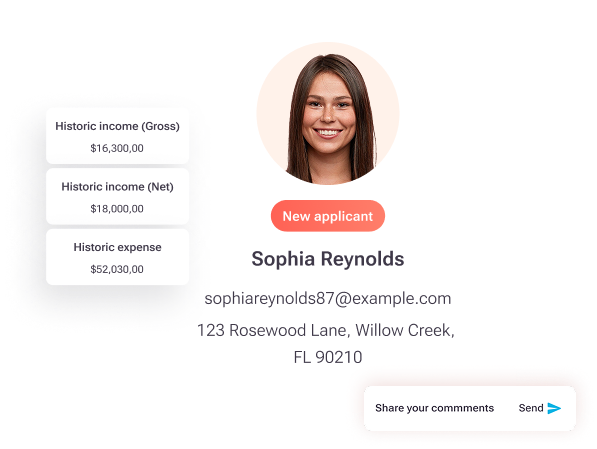
Automated communication support handles routine applicant questions, which frees staff to focus on exceptions and complex files. Customized approval letters and a personalized welcome package keep messaging consistent across communities. The board-ready approval process gives directors a dedicated voting panel with summarized applicant reports, which removes the back-and-forth that stalls decisions during peak seasons.
TenantEvaluation processes 100,000+ applications annually, achieving the approval-cycle reductions noted earlier across a portfolio of more than 5,000 communities. This volume provides a tested workflow pattern that Florida CAMs can adopt without building custom processes.
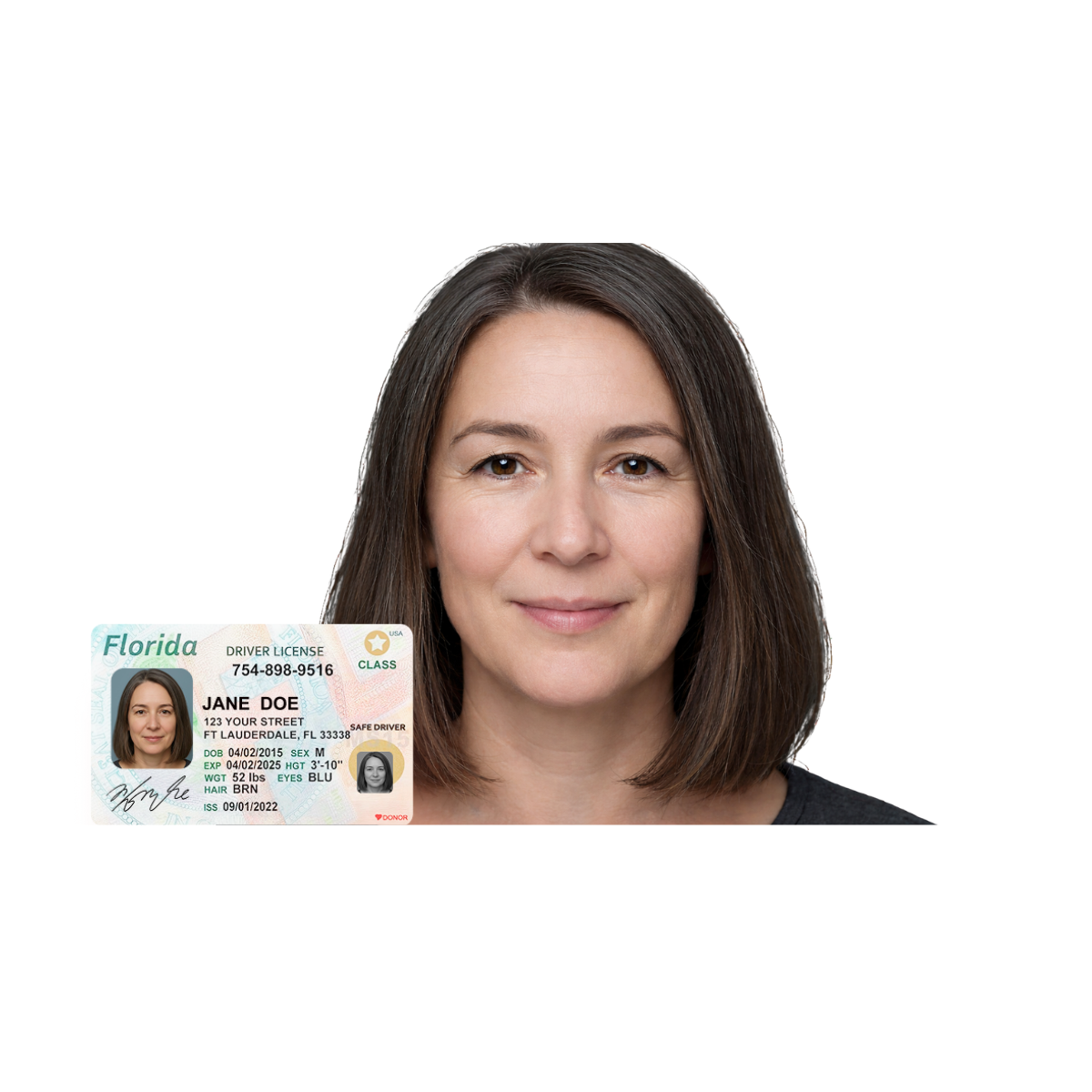
IDVerify adds a biometric identity verification layer directly inside the screening workflow. Government ID validation, AI-powered liveness detection, and biometric selfie-to-ID comparison run natively within TenantEvaluation, with no external portal and no workflow disruption. This moves communities from document-based review to biometric-confirmed identity verification and reduces exposure to synthetic identities and impersonation attempts before approval decisions are made.

For age-restricted communities, 55+ Communities Verification standardizes how age-restricted requirements are handled across applications. This standardization reduces manual work, improves documentation consistency, and strengthens internal operational control. The workflow is built for Florida condos and HOAs and designed for Community Association Managers, not a generic eligibility checkbox.
Competing platforms perform unevenly against these criteria. AppFolio offers application intake and screening within its broader PMS suite, which meets basic compliance needs but lacks a biometric risk layer and Florida-specific governing-document workflows. Buildium covers online applications and background checks, yet it does not address community association compliance patterns that Florida boards expect.
Vantaca excels at association accounting and board governance but does not include a specialized resident-screening layer, where most approval delays occur. RentSpree handles screening and applications for rental communities but is not configured for HOA or condo governing-document requirements. ApplyCheck and Verify Screening Solutions both use the TazWorks platform for background checks but lack automated document review, redaction, and applicant-facing interaction at the depth TenantEvaluation provides.
Accounting and Payments Automation for CAM Workflows
Auto-draft assessment collection, late-fee calculation, and invoice routing are well-served by Vantaca and AppFolio. Both platforms support ACH auto-draft, delinquency workflows, and vendor invoice approval queues. Buildium offers similar functionality with a lower entry price point that suits smaller self-managed communities.
Florida-specific fit is strong across all three for standard assessment billing. None of these platforms, however, replaces a specialized onboarding layer for application-fee collection and revenue sharing. TenantEvaluation operates this model natively and turns application processing into a compliant income stream for associations.
Maintenance and Work-Order Routing Automation Options
Mobile ticketing and vendor-routing platforms, including AppFolio Maintenance, Buildium’s work-order module, and standalone tools such as UpKeep, reduce phone-based dispatch. They also provide photo documentation trails that help with vendor accountability. For Florida high-rises and gated communities with large vendor rosters, automated priority routing and SLA tracking reduce deferred-maintenance liability.
These tools integrate with most PMS platforms through APIs. They complement, rather than conflict with, a specialized onboarding layer such as TenantEvaluation.
Violation and Compliance Workflow Automation
Violation-tracking modules within Vantaca and AppFolio generate warning letters, log architectural review requests, and maintain timestamped audit trails. For Florida associations subject to mandatory fine schedules and hearing requirements, automated letter generation with configurable escalation timelines reduces the risk of procedural errors.
Standalone tools such as Enumerate (formerly TOPS) offer violation workflows purpose-built for community associations. These tools help CAMs maintain consistent enforcement records that support board decisions during disputes.
Resident Communication and AI Drafting Tools
AI-assisted drafting tools embedded in platforms like AppFolio and Buildium generate maintenance updates, delinquency notices, and community announcements. These features shorten response times and keep messaging consistent. TenantEvaluation provides 24/7 AI chat support in 11 languages, which reduces inbound call volume from applicants.
For ongoing resident communication after move-in, dedicated platforms such as Zego (formerly PayLease) and Pilera offer broadcast messaging, survey tools, and document portals. These tools complement screening and onboarding platforms by handling day-to-day resident engagement.
Lease Tracking and Occupancy Visibility Automation
TenantEvaluation Lease Tracking delivers centralized, real-time lease visibility and lifecycle control from application to occupancy. It connects resident onboarding, unit data, approvals, and lease documentation into one streamlined workflow inside TenantEvaluation. This integration enables real-time lease status visibility, including active, pending, expired, or missing leases at the unit level.
Automated lease document collection during onboarding ensures that records are captured as part of the approval process, not as a separate follow-up task. Unit-level tracking ties each lease to its occupancy record, and the searchable digital history of lease records and document trails makes audit preparation faster. Boards gain a clearer operational picture of occupancy across communities without requesting manual reports. Spreadsheets and scattered email chains give way to audit-ready digital lease records.
Broader PMS platforms such as AppFolio and Buildium store lease documents but do not connect lease status directly to the resident onboarding lifecycle. They also do not provide the unit-level occupancy visibility that community association operations require. The gap between application approval and confirmed active-lease status remains a manual step in most PMS environments. TenantEvaluation Lease Tracking closes this gap.
Schedule a demo today to see Lease Tracking in action for your community portfolio.
Board Reporting and Packet Automation for CAMs
Vantaca’s board packet automation assembles financials, delinquency reports, and meeting minutes into structured packets with voting dashboards. AppFolio offers owner and board reporting with customizable report templates. For associations that hold monthly board meetings with formal approval votes, automated packet assembly reduces the four to six hours of manual compilation that many CAMs report spending before each meeting.
TenantEvaluation’s board-ready dashboard within QuickApprove focuses on the application-approval segment of board reporting. Directors receive real-time access to applicant summaries and a structured voting workflow. This visibility removes the need for a separate meeting agenda item dedicated to status updates.
2026 Comparison Table for Key Platforms
| Tool | Approval Time | Compliance Features | Florida HOA Fit |
|---|---|---|---|
| TenantEvaluation | Up to 70% faster vs. manual workflows, 5–10 min application processing | FCRA-first design, direct TransUnion/Equifax reseller, biometric IDVerify+, automated adverse action, built-in audit trails, 55+ documentation standardization | Purpose-built for Florida CAMs and community associations, Florida-specific governing-document configuration |
| AppFolio | Varies by community setup, no published cycle-time reduction figure | FCRA-aligned screening, standard adverse action, no biometric verification layer | Broad PMS with Florida clients, not community-association-specific |
| Vantaca | Board packet and voting tools reduce meeting prep, no application cycle-time figure published | Strong on association governance and audit trails, screening not a core module | Strong Florida HOA/condo fit for accounting and governance, limited onboarding automation |
| Buildium | Online applications reduce intake time, no cycle-time reduction figure published | Standard background checks, no dedicated community-association compliance layer | Suitable for smaller self-managed communities, not purpose-built for Florida CAM workflows |
Approval time figures for TenantEvaluation reflect internal platform data reported by TenantEvaluation. Figures for AppFolio, Vantaca, and Buildium are not publicly disclosed by those vendors and are therefore not cited. Comparisons are qualitative.
Frequently Asked Questions
What is the best HOA management software for Florida condos in 2026?
The right answer depends on which workflow layer creates the most friction. For accounting, assessment collection, and board governance, Vantaca and AppFolio are widely used by Florida management companies. For resident screening, onboarding, and lease tracking, TenantEvaluation is the only platform built exclusively for Florida community associations, with FCRA compliance as the foundation, biometric identity verification, and centralized lease lifecycle control in one connected platform. Most Florida management companies use a PMS for accounting and a specialized onboarding layer like TenantEvaluation for application-to-occupancy workflows.
How do automated resident approval workflows reduce risk for Florida CAMs?
Automated approval workflows reduce risk in three main ways. First, they standardize document collection so incomplete applications are rejected before they reach manual review, which removes the inconsistency that creates audit exposure. Second, platforms with built-in adverse-action workflows ensure that required notices are generated and timestamped automatically, which reduces FCRA liability.
Third, biometric identity verification, such as TenantEvaluation’s IDVerify+, confirms that the applicant is a real, present individual matched to their government-issued ID. This control reduces exposure to synthetic identity fraud and impersonation attempts that document-only screening cannot catch.
How does AI improve property management efficiency for condo and HOA operations?
AI contributes to property management efficiency across several workflow categories. In resident screening, AI-powered liveness detection and biometric facial matching automate identity confirmation steps that previously required manual document review. In communication, AI chat tools handle routine applicant inquiries in multiple languages around the clock and reduce inbound call volume.
In reporting, AI-generated applicant summaries give board members structured decision inputs without requiring managers to manually compile information. In lease management, AI-assisted document collection and status tracking replace manual follow-up cycles. Staff time then shifts from administrative processing to higher-value community management tasks.
What does 55+ community documentation standardization involve, and why does it matter?
Age-restricted communities operating under HOPA requirements must maintain consistent documentation across all applications to show that the community qualifies for and maintains its age-restricted status. When this process is handled manually through emails, PDFs, and individual follow-ups, documentation becomes inconsistent across applicants and communities. These gaps often surface during audits or disputes.
As described earlier, 55+ Communities Verification addresses this documentation-consistency problem by replacing ad hoc collection with a structured workflow. The standardization extends beyond a simple eligibility checkbox and covers the full documentation process. Every application in an age-restricted community follows the same steps and creates the same audit trail. TenantEvaluation’s tool supports workflow standardization for Florida condos and HOAs but does not replace legal guidance.
How does centralized lease tracking improve occupancy visibility for community associations?
Most community associations manage lease records across email inboxes, shared folders, and spreadsheets that are not connected to the resident onboarding process. This fragmentation creates operational blind spots. Managers cannot confirm occupancy status in real time, lease expirations go untracked, and boards lack a reliable picture of who is currently in residence.
TenantEvaluation Lease Tracking connects resident onboarding, unit data, approvals, and lease documentation into one centralized workflow. The platform provides real-time lease status at the unit level, including active, pending, expired, or missing leases. Automated lease document collection during onboarding removes the manual follow-up step, and searchable digital records make audit preparation faster and more reliable.
Conclusion: Where Florida CAMs Gain the Most from Automation
The highest-impact automation investments for Florida community association managers in 2026 address three structural problems. Fragmented application and approval workflows, disconnected lease and occupancy records, and manual board reporting cycles create the most friction. Broad PMS platforms handle accounting and maintenance well but leave the onboarding-to-occupancy layer underserved.
A specialized platform like TenantEvaluation fills that gap by integrating the onboarding-to-occupancy layer described throughout this guide into one audit-ready workflow. Screening, biometric identity verification, accelerated approvals, 55+ documentation standardization, and real-time lease tracking all connect while integrating with existing systems rather than replacing them.
CAMs evaluating their current stack should map where manual steps create the most delay, compliance exposure, and board-reporting friction. For most Florida community associations, that map points directly to the application, approval, and lease-management layer, which TenantEvaluation was built to automate.
Schedule a demo today and see how TenantEvaluation standardizes onboarding, approvals, and lease tracking for your community portfolio.
