Written by: Luis Teran, Co-founder, CEO, TenantEvaluation
Key Takeaways
- Manual screening slows approvals, increases errors, and raises compliance risk for Florida HOAs and condos.
- PropTech tools digitize applications, automate background checks, and improve data security for resident screening.
- Centralized dashboards help boards review files, vote remotely, and keep clear audit trails for every decision.
- Automated fee collection turns application processing into a predictable, trackable revenue source for associations.
- Florida communities can modernize screening and compliance by adopting TenantEvaluation, and can get started with a quick TenantEvaluation walkthrough.
The Problem: Manual Screening Is Holding Florida Communities Back
Florida condominium and homeowner associations depend on accurate, timely screening, yet many still rely on paper forms, email chains, and in-person document handling. This approach creates heavy administrative work as staff track down missing information, verify IDs and leases by hand, and coordinate with multiple board members.
These manual steps slow down move-ins, frustrate realtors and applicants, and increase the chance of inconsistent decisions. They also create compliance exposure under Florida Statutes Chapter 718 and 720 when sensitive data sits in filing cabinets or unsecured email. Data breaches cost organizations an average of $4.45 million, so every unprotected application file represents real financial and reputational risk.
PropTech platforms address these issues with online applications, automated checks, and secure data handling. The key decision for boards is which solution aligns best with Florida-specific rules, existing workflows, and resident expectations.
TenantEvaluation: A PropTech Alternative Built for Florida Associations
TenantEvaluation is a resident screening platform created for Florida HOAs and condos. The system processes more than 100,000 applications per year and has generated over $150 million for communities through fee collection and ancillary services.
Core capabilities that matter for boards and managers include:
- All-in-one online applications that replace paper packets with web and mobile workflows.
- Configuration for Florida Statutes Chapter 718 and 720, plus custom rules for each association.
- Automatic redaction of sensitive data, PCI Level 1 compliance, and encrypted document storage.
- Board dashboards for reviewing applications and recording electronic votes in one place.
- Automated fee collection that routes standard application fees and association revenue shares.

Boards and managers can see these tools in action through a short demo. Schedule a TenantEvaluation demo for your community.
Top 5 PropTech Alternatives to Manual Resident Screening for Florida Communities
1. Automated Online Application Portals With Smart Logic
Online portals let applicants submit forms, IDs, and supporting documents from any device. Smart logic adjusts questions based on the applicant type, so buyers, renters, and lease renewals each see only fields that apply to them.
Florida associations can present different workflows for purchasers versus tenants, attach pet policies automatically for pet owners, and require all association-specific disclosures before submission. This improves data quality, lowers staff follow-up, and shortens the time from application to board review.
Industry data shows that well-designed online portals can cut pre-screening processing time by roughly 40 percent, which frees staff to focus on resident communication and compliance oversight instead of chasing paperwork.
2. Integrated Background and Compliance Verification Systems
Modern PropTech platforms embed FCRA-compliant background checks, credit reports, and eviction searches directly in the application process. For Florida communities, this integration supports consistent enforcement of association rules and state requirements.
Systems can compare credit scores, criminal records, or eviction history against pre-set rules and then flag applications that do not meet those criteria. Each file carries a clear record of what was checked, what triggered concern, and how the board decided, which helps reduce legal risk and supports fair, repeatable decisions.
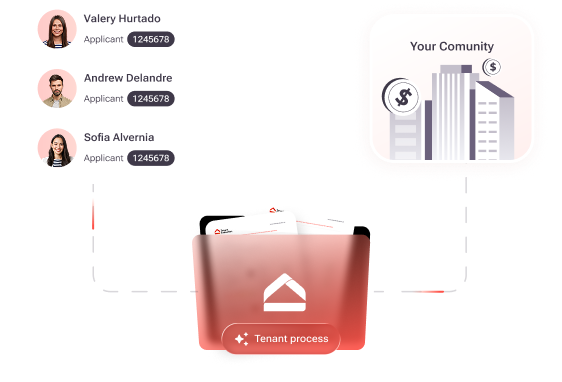
3. Secure Document Collection With AI-Powered Redaction
Screening requires sensitive documents, including government IDs, bank statements, and pay stubs. Manual handling of these documents exposes associations to loss, theft, and unauthorized access.
PropTech tools solve this with encrypted upload links, controlled access, and AI-powered redaction. The system can detect Social Security numbers, bank account details, and other personally identifiable information and obscure it automatically before board review. Only authorized users see full details, and every access is logged.
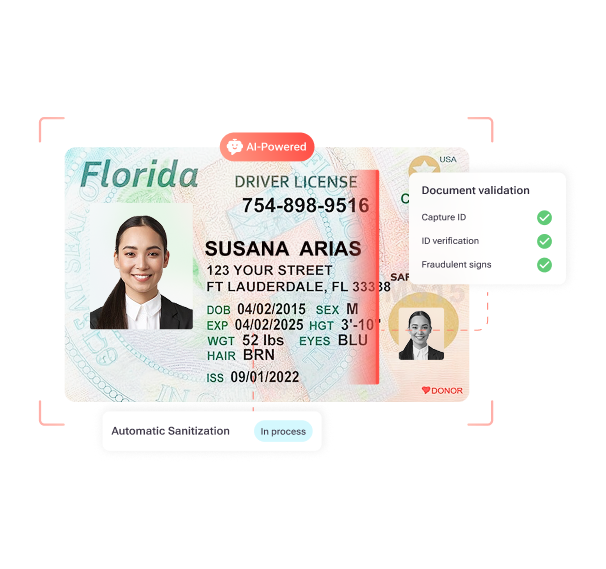
For Florida boards that receive many applications each month, this approach reduces the chance of a security incident and simplifies responses to any data privacy inquiries.
Associations that want to upgrade this part of their process can explore it in detail during a live session. Request a TenantEvaluation security and workflow demo.
4. Centralized Board Review and Voting Dashboards
Board dashboards give directors one place to review applications, see key highlights, and cast votes. Members no longer need to scan long email threads or locate scattered PDF files.
The portal presents each applicant with a summary, supporting documents, and a clear status. Boards can vote from any location with internet access, and the system records timestamps, comments, and outcomes. This shortens approval cycles while keeping a complete audit trail that supports transparent governance.
5. Revenue-Generating Automated Application Fee Management
Application fees can support community operations, but manual collection through checks and office drop-offs drains staff time and slows approvals. Automation improves both revenue tracking and applicant experience.
Online systems collect fees during application submission, route funds based on association settings, and log every transaction. Many Florida communities see higher collection rates, fewer payment disputes, and clearer reporting once fees move into a structured online process.
PropTech vs. Manual Screening: What Florida HOAs Gain
|
Feature |
PropTech Solutions (for example, TenantEvaluation) |
Traditional Manual Screening |
|
Application Speed |
Digital intake with 24/7 access and faster routing to boards |
Delays from paper forms, office hours, and manual coordination |
|
Data Security |
Encrypted storage, access controls, and automatic redaction |
Higher risk from email attachments and physical file storage |
|
Florida Compliance |
Rules and workflows aligned with state statutes and bylaws |
Manual tracking that is easier to overlook or apply inconsistently |
|
Board Review |
Centralized dashboards with electronic voting and audit trails |
Email chains, printed packets, and slower in-person meetings |
|
Administrative Workload |
Automated reminders, status updates, and fee collection |
Staff time spent on follow-ups, data entry, and payment tracking |
Conclusion: Why Florida HOAs and Condos Are Moving to PropTech
Manual screening exposes Florida communities to slow approvals, inconsistent decisions, and growing compliance and security risks. PropTech alternatives address these pain points with online applications, integrated background checks, secure document handling, board dashboards, and automated fee collection.
Associations that adopt these tools improve resident experience, support board members with clearer information, and reduce staff workload. Over time, these gains add up to faster move-ins, stronger records, and more predictable revenue from application activity.
Florida boards and managers that want to see how this works in practice can review a tailored demo for their association. Schedule a TenantEvaluation demo for your HOA or condo.
Frequently Asked Questions About PropTech Alternatives
How do PropTech platforms support Florida-specific HOA and condo regulations?
Configurable screening platforms can embed governing documents, community rules, and Florida Statutes Chapters 718 and 720 into their workflows. Associations define criteria, required documents, and approval steps, and the system applies them consistently for every applicant. When rules change, administrators update settings once and those changes apply to all new files, creating an audit-ready record of how each decision was made.
Can PropTech resident screening tools work with existing property management software?
Many platforms provide APIs or direct integrations with common property management systems. These connections allow approved applicant data, contact details, and key documents to flow into the primary management platform without duplicate entry. As a result, staff work from a single source of truth for residents, payments, and compliance records.
Is applicant data secure when screening moves online?
Well-designed systems use encryption in transit and at rest, strict role-based access, and automatic redaction of sensitive fields. Audit logs record who accessed each file and when, which simplifies internal reviews and responses to any security questions. Compared with paper files and email attachments, this approach offers stronger protection and clearer visibility.
What return on investment can Florida associations expect from PropTech screening?
Communities typically see savings in staff hours, fewer application delays, and higher fee collection rates. Many report faster approval cycles and reduced time spent on document chasing and payment reconciliation. Beyond direct cost and time savings, associations gain a more organized process that supports compliance, risk management, and resident satisfaction.
