Written by: Luis Teran, Co-founder, CEO, TenantEvaluation
Key Takeaways
- Clear, consistent communication reduces complaints about rules, maintenance, and fees, and helps Florida HOAs and condos avoid unnecessary conflict.
- Digital tools for applications, payments, and maintenance requests cut manual work for boards and managers while giving residents faster, more transparent service.
- Thoughtful community programming, fair dispute resolution, and responsive amenity planning strengthen resident trust and long-term retention.
- Modern screening, security, and documentation practices support compliance with Florida regulations and protect sensitive resident information.
- HOAs and condos can put these strategies into action quickly by using Tenant Evaluation to streamline applications, approvals, and communication.
The Critical Importance of Enhancing Tenant Experience in HOAs and Condos
Resident experience now affects property values, board workload, and community reputation. Common issues include noise, parking, amenity disputes, and rule enforcement disputes that are magnified by close living conditions. Poor communication and slow responses turn small problems into ongoing friction.
Unclear updates and inconsistent follow-through weaken resident confidence and board engagement. Communities that prioritize clear policies, resident well-being, and reliable technology handle issues faster and build more stable, cooperative environments.
Schedule a demo to see how Tenant Evaluation supports these goals for your HOA or condo.
Strategy 1: Use Proactive Communication and Transparency
Build a Simple Multi-Channel Communication Plan
Residents respond best when they know where to find information and what to expect. Effective plans use consistent channels such as email, newsletters, online portals, and feedback tools.
A practical setup might include:
- Text or app alerts for emergencies and urgent issues
- Email or portal posts for monthly updates and meeting summaries
- A searchable online hub for rules, forms, and policies
- Clear response timelines for questions and requests
Create Feedback Loops Residents Can Trust
Residents feel more invested when they see their input matter. Boards can use short online surveys, digital suggestion boxes, town halls, and defined office hours to gather feedback in a structured way.
Closing the loop is essential. Acknowledge feedback, share what will or will not change, and explain why. Visible follow-through builds confidence in leadership and reduces frustration.
Share How and Why Decisions Are Made
Transparent decision-making reduces suspicion and pushback. Boards can publish brief summaries that explain key votes, budgets, vendor choices, and policy changes in plain language.
Useful practices include sharing financial highlights, posting timelines for major projects, and giving residents a heads-up before new rules take effect.
See how Tenant Evaluation keeps applicants, managers, and boards aligned with real-time updates.
Strategy 2: Streamline Processes With Digital Solutions
Digital Resident Onboarding and Screening
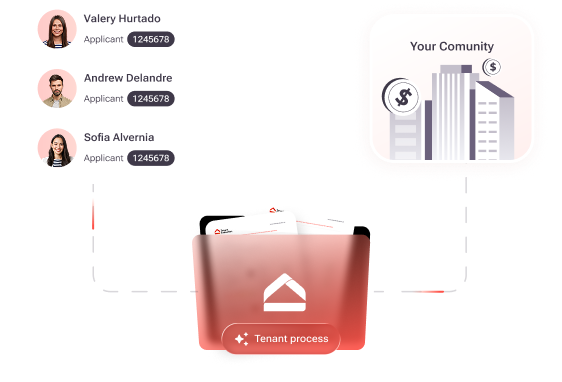
Application experiences shape first impressions. Manual, paper-heavy processes slow approvals and create confusion for applicants, realtors, and boards. Digital onboarding lets applicants submit forms, upload documents, and check status online at any time.
Smart forms reduce incomplete applications, while automated reminders limit back-and-forth emails. Boards receive standardized, organized files that support faster and more consistent decisions.
Online Maintenance Requests and Status Updates
Maintenance is one of the most frequent touchpoints with residents. Online request systems allow residents to upload photos, set access preferences, and track progress without repeated calls or emails.
Management teams gain a clear record of issue types, response times, and vendor performance. This data supports better staffing, budgeting, and preventive maintenance planning.
Secure Online Payments and Document Access
Convenient online payments reduce late fees and office visits. Residents can pay assessments, fines, and deposits from a secure portal and view payment history on demand.
Digital libraries give 24/7 access to bylaws, rules, minutes, and forms. Security tools such as encryption, redaction, and compliance with payment standards protect sensitive information and reduce the risk of paper-based breaches.
Explore how Tenant Evaluation combines digital applications, screening, and secure data handling.
Strategy 3: Strengthen Community Engagement and Harmony
Plan Events That Match Resident Needs
Community events can ease tension and build neighbor relationships. Seasonal gatherings, fitness classes, workshops on hurricane preparedness, or volunteer days help residents connect outside of formal complaints and meetings.
Combining family activities, interest-based clubs, and adult-only events allows different groups to feel included without forcing a one-size-fits-all approach.
Address Disputes Before They Escalate
Predictable dispute processes reduce the emotion around conflicts. Many disputes start when residents feel left out of decisions or confused by rules and communication. Clear escalation steps, written timelines, and access to mediation help resolve issues early.
Fair, consistent rule enforcement is essential. Residents may not agree with every decision, but they are more likely to accept outcomes when the process feels even-handed.
Use Amenities and Shared Spaces Intentionally
Amenities should match how residents actually live. Boards can review reservation data, feedback, and waitlists to decide when to upgrade fitness areas, add co-working space, improve Wi-Fi, or support electric vehicle charging.
Data-driven choices avoid unnecessary spending and show residents that their input shapes how common spaces evolve over time.
Use Tenant Evaluation to free up staff time for higher-value community initiatives.
How TenantEvaluation Improves the Resident Experience
TenantEvaluation focuses on the points where applicants, residents, and boards often struggle: manual workflows, unclear communication, and fragmented records. Streamlined digital tools reduce errors, speed up decisions, and create a clearer experience for everyone involved.
Online Applications, Screening, and ID Verification
The 100% online application platform supports web and mobile use and guides applicants to submit complete information. Residents can access instructions in 11 languages, which serves Florida’s diverse communities.
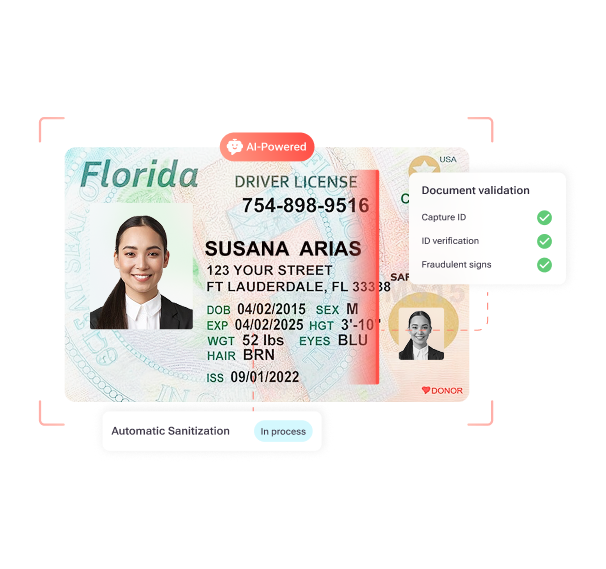
Automated document review, ID verification with IDverify, and comprehensive background screening with SafeCheck+ provide boards with organized, consistent reports for each applicant.
Clear Approvals and Board Collaboration
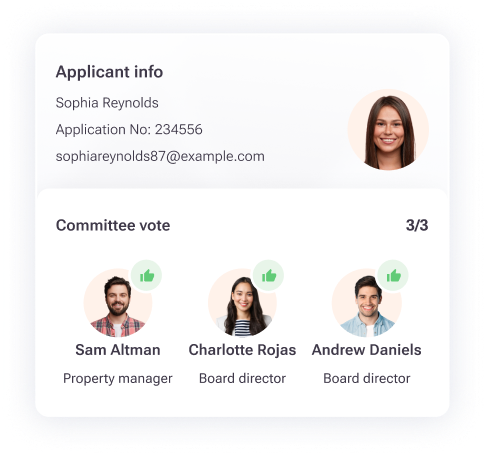
Real-time notifications keep applicants, managers, and board members informed without long email chains. The QuickApprove dashboard summarizes key details so boards can review, comment, and vote efficiently.
Analytics highlight approval times, screening outcomes, and applicant trends, which helps boards refine policies and timelines.
|
Feature |
Traditional Process |
TenantEvaluation |
|
Application Method |
Paper forms, in-person visits |
Online, mobile-friendly portal |
|
Document Security |
Paper files and manual storage |
Encrypted storage and auto-redaction |
|
Board Approvals |
Email threads and inconsistent voting |
Centralized QuickApprove dashboard |
|
Processing Time |
Manual review and data entry |
Significant time reduction through automation |
Request a Tenant Evaluation demo to see these tools in action for your community.
Frequently Asked Questions
Common tenant complaints in HOAs and ways to address them
Residents often report parking conflicts, noise issues, unclear rules, and slow maintenance. Clear written policies, visible parking maps, quiet hours, and prompt digital maintenance systems reduce many of these problems. Regular communication about expectations and timelines helps prevent misunderstandings.
How digital communication improves engagement
Digital communication tools support two-way interaction instead of one-way announcements. Residents can respond to surveys, submit questions, and access information when they need it, which increases participation and reduces confusion. Tailored alerts and self-service portals make it easier for residents to stay informed without feeling overwhelmed.
Risks of not modernizing tenant experience
Communities that rely on outdated processes often face higher administrative costs, more disputes, and longer approval times. Manual handling of sensitive data also increases security and compliance risks. Over time, these issues can weaken property values and damage the community’s reputation.
How better tenant experience supports property values
Efficient operations, clear communication, and satisfied residents make a property more attractive to buyers and renters. Well-run communities often see fewer vacancies, more referrals, and stronger resale prices, since prospects value predictability and good management.
Florida-specific factors for tenant experience planning
Florida HOAs should plan for multilingual communication, sunshine law transparency requirements, and detailed hurricane preparedness. Seasonal residents and snowbirds may need different communication schedules or digital access options. These considerations help boards design processes that fit the state’s unique mix of full-time and part-time residents.
Conclusion: Building Stronger Florida Communities in 2026
Improving tenant experience in 2026 supports smoother operations, better compliance, and more stable property values. Clear communication, digital workflows, and thoughtful community engagement help boards and managers respond to resident needs without burning out staff or volunteers.
Communities that invest in these areas now will be better prepared for growth, regulatory changes, and shifting resident expectations in the years ahead. Start with a Tenant Evaluation demo to streamline applications, support compliance, and improve resident experience across your Florida HOA or condo.
