Written by: Luis Teran, Co-founder, CEO, TenantEvaluation | Last updated: July 4, 2026
Key Takeaways for Florida CAMs and Boards
- Florida community associations face growing compliance, fraud, and operational challenges that call for a structured seven-step resident verification process.
- FCRA-compliant screening, biometric identity verification, and board voting workflows reduce liability and support 2026 regulatory requirements.
- Fragmented systems create bottlenecks, missing lease records, and higher exposure to identity fraud that centralized platforms can remove.
- TenantEvaluation connects application intake, biometric checks, screening, board approvals, and lease tracking inside one Florida-focused platform.
- Associations that want streamlined onboarding and audit-ready records can schedule a demo with TenantEvaluation to see the all-in-one solution in action.
The 2026 Florida Community Association Landscape
Florida has approximately 48,000 community associations serving over 9.5 million residents, which creates an administrative volume that manual onboarding processes cannot handle without significant risk. Identity fraud has increased across condo and HOA communities. Stolen IDs, synthetic identities, and impersonation attempts now represent a growing threat that traditional document-based screening cannot reliably stop.
Regulatory scrutiny has also intensified. Effective January 1, 2026, Florida law requires condominium associations managing 25 or more units to post specified official records digitally on an association website or make them available through a mobile application, which accelerates the shift away from paper-based record-keeping. Transitioning to a digital document management system is no longer optional for associations seeking to meet modern compliance standards, according to David W. Badie, Partner at Frier Levitt, and Christopher S. Mayer, General Counsel at Frier Levitt.
In daily CAM and board operations, these pressures appear as manual follow-ups with applicants and realtors, incomplete documentation, email-chain bottlenecks, and disconnected lease records. Automated workflows in centralized management systems can improve leasing efficiency and reduce reliance on paper-based workflows, outcomes that multi-vendor or spreadsheet-dependent operations cannot match. These operational improvements must sit on a strong foundation of legal and regulatory compliance.
Compliance, Risk, and Governance for Florida Associations
FCRA permissible-purpose rules state that background and credit data must be accessed only for a defined, lawful reason, and that applicants must receive adverse-action notices when a negative decision follows from that data. Associations that rely on informal or third-party-scraped data sources carry liability exposure that direct bureau relationships avoid. An HOA’s authority to approve occupants and require screening would very likely need to be found in the declaration of covenants to be enforceable, according to Florida Board Certified specialist Ryan Poliakoff. Documented, auditable screening workflows therefore become a governance requirement, not just an operational preference.
Florida has enacted the Florida Digital Bill of Rights (FDBR) via SB 262, one of more than twenty comprehensive state privacy laws now in effect across the U.S. Any technology solution used by community associations must comply with applicable data privacy and security requirements, a consideration that takes on added importance when the system stores residents’ personal and financial information. Digital systems must also provide searchable indexing and audit trail functionality to satisfy state inspection requirements.
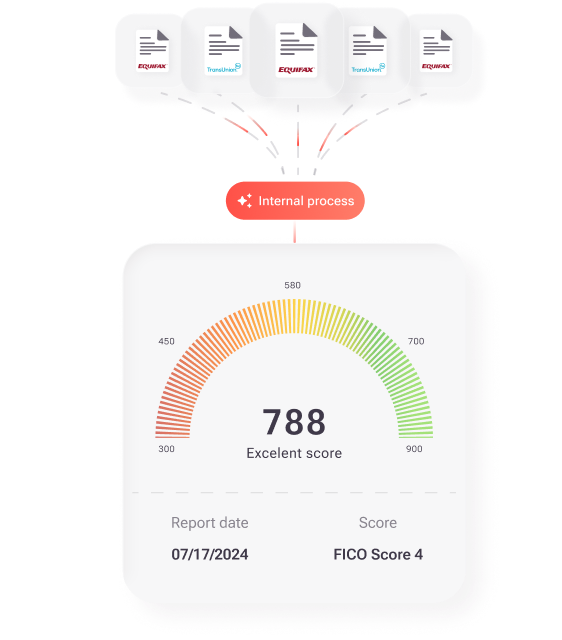
TenantEvaluation is a direct reseller of TransUnion and Equifax data, not a third-party scraper, and operates under strict bureau rules with regular compliance reviews. Permissible-purpose controls, automated adverse-action workflows, and built-in audit trails for every application are structural features of the platform, not add-ons. FCRA compliance functions as the foundation of the system, not an afterthought.
Common Pain Points in Fragmented Resident Verification
Associations that operate across multiple vendors or manual processes encounter consistent failure points. Application handling becomes inconsistent when each community uses different forms, email threads, and document checklists. Lease copies go missing or become outdated when stored across folders and inboxes with no centralized visibility. Volunteer boards often lack the professional expertise, time, or institutional knowledge to manage complex financial and legal compliance requirements, and turnover compounds the problem by erasing institutional memory.
During peak application seasons, fragmented systems cannot scale. Manual expiration tracking creates occupancy blind spots. Growing exposure to stolen IDs and synthetic identities means that document-only review no longer provides a sufficient fraud-prevention layer. Each of these gaps increases liability and slows revenue collection. Application fees are delayed, approval cycles stretch from hours into days, and compliance records remain incomplete.
Best Practices for Modern Resident Onboarding in Florida
Modern resident onboarding relies on workflow standardization, stronger identity confirmation, centralized digital records, and structured approval processes. Boards should transition to a digital document management system that prioritizes secure access controls, searchable document indexing, audit trail functionality, and the ability to produce records in formats that satisfy applicable state inspection requirements.
The seven-step resident onboarding workflow begins with application intake via a 100% online platform, which triggers automated document collection using smart form logic. Once applicants submit documents, biometric identity verification through IDVerify confirms identity before FCRA-compliant background and credit screening proceeds. Screening results then flow into a dedicated board dashboard for review and voting. After board approval, QuickApprove generates customized approval letters and a personalized welcome package. The approved resident then enters real-time lease tracking that maintains visibility from approval through occupancy. Each step feeds the next inside one connected platform and removes the handoff failures that fragmented systems create.
How to Compare Resident Verification Platforms
Florida CAMs and board presidents evaluating resident verification platforms can apply a consistent framework across six criteria: Florida-specific customization, board dashboard access, biometric verification capabilities, revenue-sharing model, audit readiness, and scalability for high-volume seasons.
| Criteria | TenantEvaluation | ApplyCheck / Verify Screening Solutions | AppFolio / RealPage / RentSpree |
|---|---|---|---|
| Florida-specific customization | Built exclusively for Florida community associations, with community-level rules configured per governing documents | Generic screening tools using the TazWorks platform, not designed for HOA or condo workflows | Broad property management software with limited Florida-specific HOA customization |
| Board dashboard access | Dedicated board voting panel with real-time application status and AI-generated summaries | No dedicated board dashboard | Limited or no board-specific approval workflow |
| Biometric identity verification | IDVerify with government ID validation, AI liveness detection, and biometric facial matching, all native to the platform | Not available | Not available as a native, integrated feature |
| Revenue model | Pay-per-application with revenue sharing back to the association, with no upfront fees | Fee-based screening with no revenue-sharing model | Monthly subscription fees with no revenue-sharing model |
| Audit readiness | Built-in audit trails, automated adverse-action workflows, and direct bureau reseller status | Audit trails dependent on the TazWorks platform, with no adverse-action automation | Audit features vary and are not designed around FCRA-first community association workflows |
| Lease tracking | Centralized, real-time lease visibility and lifecycle control from application to occupancy | Not available | Lease management available but not connected to community association onboarding workflows |
Why TenantEvaluation Functions as a True All-in-One Platform
TenantEvaluation serves 5,000+ communities and processes approximately 100,000 applications annually, a scale that reflects both platform reliability and deep operational experience in Florida community association management. Founded in 2007 by property managers, board members, and software engineers, the platform was built for this specific use case from the ground up.
This direct bureau relationship, established earlier, protects associations from the liability exposure that third-party scraping creates by eliminating gray-market or offshore data sources. FCRA compliance, including permissible-purpose controls, automated adverse-action workflows, and complete audit trails, remains structural rather than optional.
QuickApprove accelerates resident approvals inside one connected platform and replaces email chains and spreadsheets with real-time application tracking. Automated communication support, customized approval letters, and a personalized welcome package help CAMs, boards, and property management teams manage high-volume seasons and complex onboarding requirements without losing control, compliance, or visibility.
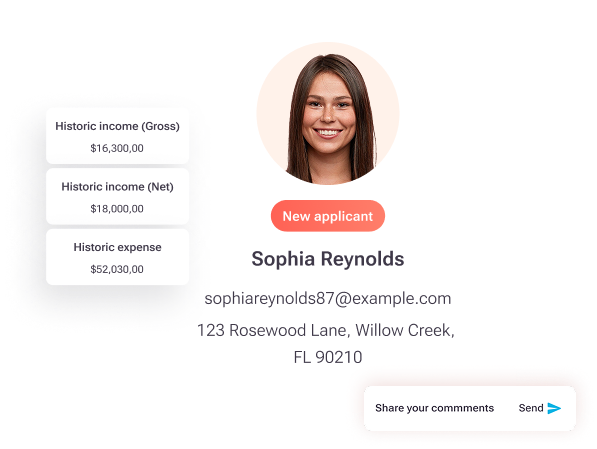
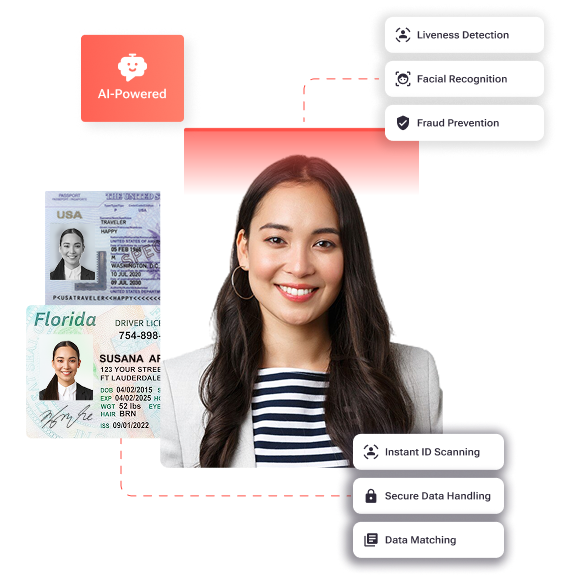
IDVerify moves communities from document-based validation to biometric-confirmed identity verification. Government ID authentication, AI-powered liveness detection, and biometric selfie-to-ID comparison run natively inside TenantEvaluation, with no external portals and no workflow disruption. Verification results appear directly within the screening report and include ID authenticity confirmation, liveness status, and biometric match result.
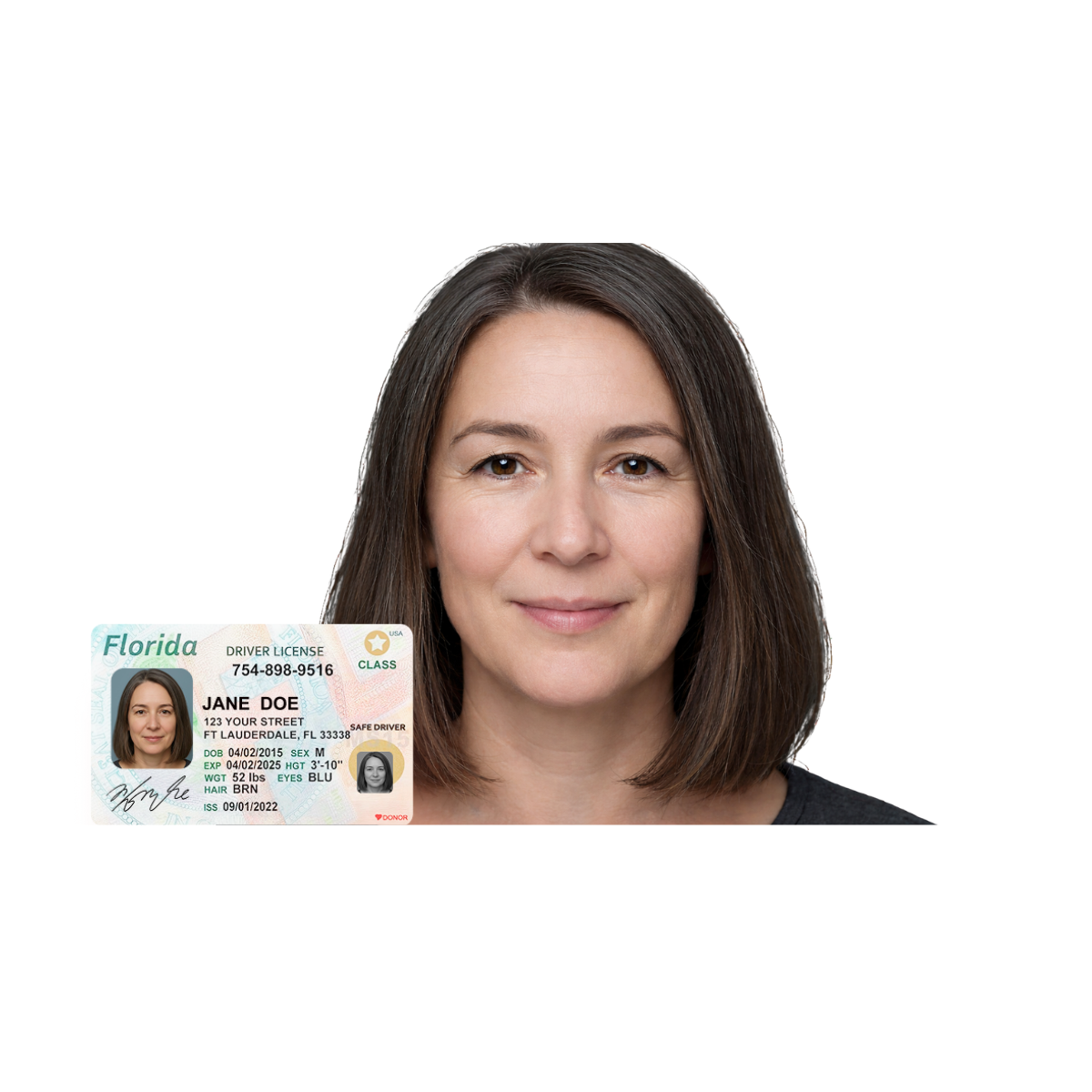
55+ Communities Verification standardizes how age-restricted application requirements are handled across Florida condos and HOAs. It reduces manual work, supports documentation consistency, improves operational efficiency, and strengthens internal processes for CAMs and boards managing age-restricted communities. For 55+ communities enforcing age restrictions under HOPA, associations must maintain records demonstrating that at least 80 percent of occupied units have at least one resident aged 55 or older, a documentation requirement that fragmented manual processes cannot reliably satisfy at scale.
Lease Tracking delivers centralized, real-time lease visibility and lifecycle control from application to occupancy. It connects resident onboarding, unit data, approvals, and lease documentation into one streamlined workflow with real-time lease status, automated lease document collection, unit-level tracking, and searchable, audit-ready digital records. Spreadsheets, scattered email chains, and operational blind spots give way to one connected operational experience. TenantEvaluation has generated $150M for communities and holds a 4.8/5 Google rating, results that reflect the platform’s revenue-sharing model and operational reliability.
Frequently Asked Questions
Can an HOA require a background check in Florida?
Florida HOAs can require background checks, but the authority to do so must generally appear in the association’s declaration of covenants rather than rules or policies alone. Screening requirements applied to new applicants are more straightforward to enforce than those imposed retroactively on long-term residents. HOAs should work with legal counsel to confirm that their screening criteria are properly documented in governing documents before they implement or expand background check requirements. Associations using a platform like TenantEvaluation benefit from FCRA-compliant workflows, built-in adverse-action automation, and complete audit trails that support defensible, consistent screening practices across all applicants.
How do Florida community associations get HOA documents online?
The 2026 digital records requirement described earlier applies to condominium associations managing 25 or more units. For HOAs and condominiums, this requirement means a shift away from paper-based or email-based document storage toward digital systems with searchable indexing, secure access controls, and audit trail functionality. TenantEvaluation’s Lease Tracking capability centralizes lease records, resident activity, and document trails in one searchable, audit-ready platform. CAMs, boards, and community operations teams gain instant access to the records they need without searching across folders or inboxes.
What is the 55+ community verification process for Florida condos and HOAs?
Under HOPA, age-restricted communities must maintain the 80 percent occupancy threshold described above and must also publish and follow policies that show intent to operate as housing for older persons. The documentation and verification process for each applicant must remain consistent and complete. TenantEvaluation’s 55+ Communities Verification capability is built specifically for Florida condos and HOAs to standardize how age-restricted application requirements are handled across applications. It reduces manual work, supports documentation consistency, improves operational efficiency, and strengthens internal processes without replacing legal guidance from qualified association counsel.
What are lease-tracking best practices for community associations?
Effective lease tracking for community associations requires centralized storage of all lease agreements, real-time visibility into lease status, automated collection of lease documents during the onboarding process, and unit-level tracking tied to occupancy records. Associations should maintain searchable digital histories of lease activity and document trails to support audit readiness and reduce the risk of disputes tied to incomplete records. Manual spreadsheets and email-based tracking create operational blind spots and compliance exposure. TenantEvaluation’s Lease Tracking connects resident onboarding, unit data, approvals, and lease documentation into one streamlined, real-time workflow and gives CAMs, boards, and property management teams full lifecycle control from application submission through occupancy inside one connected platform.
Conclusion: Selecting a Resident Verification Platform for 2026 and Beyond
Fragmented resident verification processes cost Florida community associations time, revenue, and compliance exposure. Manual follow-ups, disconnected lease records, document-only identity checks, and email-chain approval workflows now function as operational liabilities in a regulatory environment that demands digital records, audit trails, and standardized processes at scale. AI-driven agentic systems for property operations will likely see growing adoption in real estate, and associations that have not consolidated onto a single integrated platform face increasing competitive and compliance disadvantages.
TenantEvaluation is the only true all-in-one resident verification platform built specifically for Florida community associations. It combines FCRA-first screening, direct credit bureau reseller status, IDVerify biometric identity verification, QuickApprove accelerated board-ready approvals, 55+ Communities Verification, and centralized Lease Tracking into one connected, audit-ready workflow. The platform’s scale and specialization, detailed above, remain unmatched in the Florida market.
