Written by: Luis Teran, Co-founder, CEO, TenantEvaluation | Last updated: September 10, 2026
Key Takeaways
- Florida HOA and condo management software must support statutory obligations under Chapter 718, including official records retention, estoppel certificates, SIRS reserve reporting, and 55+ age verification.
- Most general property management platforms lack native FCRA-compliant screening, biometric identity verification, and structured 55+ documentation workflows that Florida associations need for audits and fair-housing compliance.
- TenantEvaluation focuses on community associations with direct TransUnion and Equifax relationships, built-in adverse action automation, and pay-per-application pricing that can reduce or offset association costs.
- Self-managed communities and professional CAM firms have different software needs; TenantEvaluation serves both through a screening and onboarding layer that connects to existing accounting and communication tools.
- Before selecting any platform, associations should verify Florida-specific workflows in a live demo and consider TenantEvaluation for FCRA-compliant screening and onboarding, and see how lease tracking works.
What Florida HOAs And Condos Actually Need: A Statutory Workflow Map
Florida boards face specific statutory obligations that software must handle directly for audits and regulatory reviews.
Official Records Retention (§718.111(12)). Florida condo associations must retain official records, including governing documents, minutes, financial records, contracts, ballots, insurance policies, and inspection reports, for 7 years, with milestone inspection and SIRS reports retained for 15 years. Since January 1, 2026, associations with 25 or more units must post digital copies of key records on a website or mobile app. A document management and records portal with audit-trail logging supports this requirement and forms the foundation for other compliance workflows.
Official Records Requests. Florida condo associations must make official records available within 10 working days of a written request under §718.111(12). A records-request workflow with timestamped response tracking builds on the records portal and proves that the association met the statutory response clock.
Estoppel Certificates (§718.116). Estoppel certificates are due within 10 business days of request, with capped fees. An estoppel generation and delivery module integrated with the association’s accounting ledger pulls balances directly from the same financial data that supports records and request handling, which keeps numbers consistent across all three workflows.
Board Meeting And Election Notice (§718.112). Board meetings require notice posted at least 48 hours in advance, and meetings involving assessments require 14 days’ mailed and posted notice. Condo elections require a first notice at least 60 days before the election, a second notice with the ballot 14–34 days before, and at least 20% of eligible voters must cast ballots for the election to be valid. An e-voting and notice-distribution module with statutory deadline tracking connects to the same owner database used for estoppels and records, so boards manage communication and compliance from one source of truth.
SIRS And Reserve Reporting (§718.112(2)(g) And §553.899). As of January 1, 2026, Florida condo associations are prohibited from waiving or underfunding reserves for the eight SIRS-mandated structural components. Associations must electronically submit a completed SIRS Reporting Form to the Division of Condominiums, Timeshares and Mobile Homes within 45 days of the study being completed. A reserve accounting module with SIRS component tracking and DBPR submission support ties financial planning to the same records and notice systems, which reduces manual reconciliation work for boards and CAMs.
55+ Age Verification (HOPA / FS §760.29(4)). Under the federal Housing for Older Persons Act and Florida’s mirror provision FS §760.29(4), a Florida 55+ community must satisfy a three-prong test continuously: at least 80% of occupied units must have a resident 55 or older, the community must publish and adhere to policies demonstrating its 55+ intent, and it must verify ages by survey at least every two years under HUD rules at 24 CFR Part 100, Subpart E. A structured age-verification and documentation workflow embedded in the application process connects resident data to ongoing surveys, which supports both day-one approvals and long-term compliance.

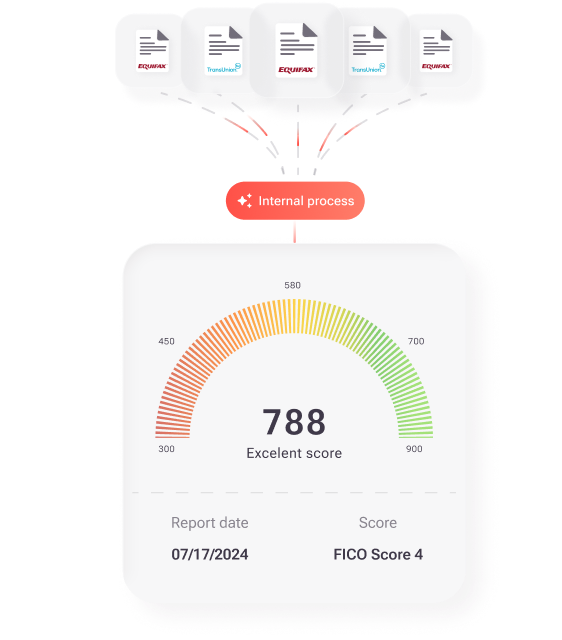
FCRA-Compliant Screening. Under FCRA §1681b(f), associations must obtain written consent before ordering a consumer report, and under §1681m, an adverse action notice must be sent whenever an adverse decision is based in whole or in part on screening data. A resident screening platform with built-in adverse action workflows and a direct credit bureau relationship closes the loop by tying approvals and denials back to documented consent, notices, and audit trails.
With those statutory categories in mind, the next step is comparing how leading platforms support each workflow.
The Shortlist: Best Condo Management Software For Florida HOA Communities
The table below compares seven platforms on audience fit, Florida statutory workflows, and pricing structure so boards can see where each one excels.
| Platform | Best For | Florida Workflows Covered | Pricing Model |
|---|---|---|---|
| TenantEvaluation | FCRA-compliant screening and onboarding for Florida condos and HOAs | FCRA adverse action, 55+ age verification, biometric identity verification, lease tracking, board approval dashboard, audit trails, application fee collection | Pay-per-application; revenue-sharing model available |
| Vantaca | Enterprise CAM firms managing large portfolios | Accounting, owner communications, work orders; Florida-specific compliance workflows require configuration | Per-unit, custom quote |
| CINC Systems | Mid-to-large management companies prioritizing accounting | General ledger, reserve accounting, owner portal; estimated at roughly $2–$4 per unit per month with enterprise minimums; Florida-specific SIRS and screening workflows require add-ons or manual processes | Per-unit, custom quote |
| AppFolio | Broad property management portfolios including HOAs | Basic reserve tracking, owner portal, screening module; Core for Community Associations published at $0.80/unit/month with a minimum spend and 50-unit minimum; Florida Chapter 718 workflow depth is limited | Per-unit with monthly minimum |
| Buildium | General property management with association accounting | Accounting, owner communications, basic screening; Essential plan starts at approximately $1.50 per unit per month with a minimum monthly fee of about $55; Florida-specific SIRS and 55+ workflows are not natively supported | Per-unit with monthly minimum |
| Condo Control | Self-managed communities needing a communication and document portal | Document storage, amenity booking, owner portal; self-managed pricing published at $67.50/month for up to 99 units; Florida statutory screening and SIRS workflows are outside its core scope | Per-unit, tiered bands |
| PayHOA | Small self-managed communities under 25 units on a tight budget | Basic payments, communications, violations; free for communities under 20 units, paid tier at $1.17 per unit per month with no minimum fee; lacks full general ledger accounting and Florida compliance workflows | Freemium / per-unit tiered |
See how TenantEvaluation maps to your Florida community’s compliance workflows.
Screening And Onboarding: The Florida Compliance Layer Most Platforms Miss
Accounting and management platforms rarely cover the full screening and onboarding layer that Florida communities need for audits. These functions sit in a separate software category, and gaps here often drive fair-housing complaints and regulatory risk.
TenantEvaluation is built specifically for community associations and management companies, with FCRA compliance built into the foundation. TenantEvaluation has served community associations since 2007 and now works with more than 5,000 communities, processing roughly 100,000 applications a year. The platform is PCI Level 1 certified with end-to-end encryption and automatic redaction of sensitive personal information, and it sources data directly from TransUnion and Equifax under strict bureau rules.
Core capabilities that address Florida-specific compliance workflows include:

- FCRA-compliant background checks with built-in adverse action workflows, permissible purpose controls, and audit trails for every application, sourced directly from TransUnion and Equifax.
- IDVerify, a biometric identity verification tool embedded in the screening workflow that uses government ID validation, AI-powered liveness detection, and biometric facial matching to confirm physical identity.
- 55+ Communities Verification, a built-in capability that standardizes how Florida condos and HOAs handle age-restricted requirements across applications. It reduces manual work and keeps documentation consistent.
- QuickApprove, an accelerated approval workflow for CAMs, boards, and property management teams. It tracks applications in real time, automates communication, and generates customized approval letters and welcome packages so boards can follow a clear, audit-ready process inside one platform.
- Lease Tracking, which provides centralized, real-time lease visibility and lifecycle control by connecting resident onboarding, unit data, approvals, and lease documentation into one workflow.
- TEpayments by Zinc, a connected payment workflow inside TenantEvaluation that collects application fees, deposits, and other required resident payments during onboarding. Payments go directly from the applicant to the association’s designated account, and TenantEvaluation never holds the funds.
TenantEvaluation charges per application rather than per unit, a model explained in the pricing section below.

Because that screening layer is where most platforms fall short, the next step is knowing what to ask each vendor directly.
How To Vet A Vendor’s Florida Compliance Claims
Every major HOA software vendor claims Florida compliance, so boards need specific questions that reveal real workflow support. Ask each of these in a demo before signing a contract:
- “Show me how your platform handles an official-records request under Chapter 718, including the 10-working-day response clock.”
- “How does your system support SIRS and reserve reporting under §718.112(2)(g), and can it generate the DBPR submission format?”
- “How do you handle 55+ age verification documentation, and how does that connect to the biennial survey requirement under 24 CFR Part 100, Subpart E?”
- “Where does your data live, and who is your credit bureau reseller? Are you a direct reseller of TransUnion or Equifax, or do you use a third-party aggregator?”
- “Can you show me an audit trail for a single application, from consent through adverse action notice?”
- “How does your platform handle estoppel certificate generation and the 10-business-day deadline under §718.116?”
- “What happens to our association’s data if we terminate the contract?”
Three red flags often indicate that a vendor’s “Florida compliant” claim rests on marketing language rather than workflows:
- Compliance claims with no documentation, no statute citations, and no live demonstration of the specific workflow
- No direct credit bureau relationship, which means screening data flows through third-party aggregators and can increase liability exposure for the association
- No board-level approval visibility, which forces application status, voting, and audit trails into email chains and spreadsheets that do not stand up well in audits
Pricing Models Explained
Florida HOA and condo management software uses four primary pricing structures, and clear comparisons prevent budget surprises after contract signing.
Per-Unit, Per-Month pricing is the dominant model among enterprise platforms. Most platforms price between $1 and $5 per home per month, and nearly all carry a monthly minimum that can double or triple the effective rate for communities under a few hundred homes. A community with 50 units on a platform with a $280 monthly minimum pays an effective rate far above the advertised per-unit price.
Flat-Rate Subscription models charge a fixed monthly or annual fee regardless of unit count. This structure rewards larger communities and raises the per-unit cost for smaller ones.
Freemium models offer a free tier for very small communities with paid upgrades for accounting, violations, and compliance features. Free HOA software tiers universally lack general ledger accounting, financial reporting, budget management, and audit trails.
Pay-Per-Application models, used by TenantEvaluation, charge only when an application is processed. Because the association pays only when activity occurs, the model scales with actual application volume, which matters for communities that process a limited number of applications each year.
Hidden costs such as setup fees, per-user fees, payment processing markups, module add-ons, annual price increases, and data export fees can significantly increase a platform’s real cost. Request an all-in annual quote covering subscription, minimums, implementation, processing, and add-ons before comparing vendors.
Which pricing model makes sense also depends heavily on who is running the community.
Self-Managed vs. Professional CAM: Which Platform Fits?
A 40-unit volunteer board and a regional management company overseeing 30 communities face different operational realities, so they rarely thrive on the same software stack.
Self-Managed Communities with volunteer boards typically need a communication portal, basic accounting, document storage, and a simple payment collection tool. Platforms like Condo Control and PayHOA serve this audience at accessible price points, though neither provides the Florida-specific compliance workflows such as SIRS reserve reporting, FCRA-compliant screening, or 55+ verification that many Florida associations now require by statute. For self-managed communities that need compliant screening without a full management platform, TenantEvaluation’s pay-per-application model works as a practical standalone layer that connects to existing accounting or communication tools.
Professional CAM Firms managing 10–40 associations need enterprise accounting, portfolio-level reporting, and compliance workflows that hold up under DBPR audit. Vantaca and CINC Systems serve this audience at the management layer. The screening and onboarding layer, including FCRA-compliant background checks, biometric identity verification, board approval dashboards, and lease tracking, is where TenantEvaluation integrates as the compliance-first onboarding layer alongside whichever management platform the firm already uses.
Find out how TenantEvaluation fits your firm’s existing stack.
Florida Demo Checklist
Boards can use this checklist during trials or demos to confirm that a platform supports Florida statutory obligations and key operational risks:
- SIRS reserve component tracking and DBPR submission support (§718.112(2)(g))
- Official-records request handling with 10-working-day response tracking (§718.111(12))
- E-voting with statutory notice timing and 20% quorum validation (§718.112(2)(d))
- 55+ age verification documentation workflow tied to biennial survey requirements (24 CFR Part 100, Subpart E)
- FCRA-compliant screening with written consent capture and adverse action notice automation
- Biometric identity verification with liveness detection and government ID validation
- Board approval dashboard with timestamped voting and audit trail
- Lease tracking with real-time status visibility (active, pending, expired, or missing)
- Application fee and deposit collection within the onboarding workflow
- Full audit trail for a single application from submission through decision
- Document redaction for sensitive personal information such as SSNs and banking details
- Multilingual applicant support for Florida’s diverse resident population
Frequently Asked Questions
How Much Does HOA Management Software Cost in Florida?
Pricing varies significantly by platform type and community size. Per-unit, per-month platforms typically run between $1 and $5 per home per month, but monthly minimums mean small communities often pay two to three times the advertised per-unit rate. Freemium platforms are free for very small communities but lack accounting and compliance features. Pay-per-application platforms like TenantEvaluation charge only when an application is processed, which can align costs with actual activity. The most accurate comparison comes from an all-in annual quote that includes setup fees, processing fees, and any module add-ons, not just the advertised subscription rate.
Is Condo Control Legit?
Condo Control is a legitimate, established platform used by self-managed communities and some management companies for communication, document storage, amenity booking, and owner portals. It publishes transparent pricing for self-managed communities and has a track record in the market. Its focus centers on community communication rather than Florida-specific statutory compliance workflows. It does not natively handle FCRA-compliant screening, SIRS reserve reporting, or 55+ age verification documentation, so Florida communities with those obligations must decide whether to add a separate platform or rely on manual processes.
What Is The Best Software For Self-Managed Florida HOAs?
For day-to-day operations, self-managed Florida HOAs with limited budgets often start with PayHOA or Condo Control for communications, payments, and basic document storage. For Florida-specific compliance obligations, particularly FCRA-compliant screening, 55+ age verification, and board approval documentation, TenantEvaluation operates as a standalone screening and onboarding layer that connects to existing tools. Its pay-per-application model avoids subscription overhead, which helps small self-managed communities that process applications infrequently but still need audit-ready records.
Does HOA Software Handle SIRS And Reserve Reporting?
Most general HOA management platforms include basic reserve tracking modules, but Florida’s SIRS requirement under §718.112(2)(g) is more specific than a standard reserve study. The SIRS must be performed by a licensed engineer or architect, cover eight enumerated structural components, and the results must be submitted electronically to the DBPR within 45 days of completion. Software can support the reserve accounting, component tracking, and DBPR submission workflow, while the underlying study itself must come from a qualified licensed professional. Boards should confirm that any platform’s reserve module explicitly supports Florida’s SIRS component categories and DBPR submission format.
What Makes TenantEvaluation Different From General Property Management Software?
TenantEvaluation is built exclusively for community associations and management companies. The platform operates as a direct reseller of TransUnion and Equifax data under strict bureau rules, which reduces the liability exposure that comes with third-party data aggregators. FCRA compliance, including written consent capture, permissible purpose controls, adverse action automation, and audit trails, appears in every application workflow. Features such as biometric identity verification through IDVerify, structured 55+ age verification documentation, board-level voting dashboards, and centralized lease tracking are designed for the workflows Florida CAMs and boards face in audits and regulatory reviews.
Conclusion: Matching Platform To Obligation
Florida’s statutory landscape under Chapter 718, including SIRS and reserve reporting, official-records retention, estoppel, e-voting, and 55+ age verification, creates compliance obligations that many general property management platforms do not cover in depth. The right condo management software for a Florida HOA community supports both daily operations and these Florida-specific workflows, with each statutory obligation mapped to a clear software capability.
The screening and onboarding layer often represents the largest gap. FCRA adverse action automation, direct credit bureau relationships, biometric identity verification, structured 55+ documentation, and board-level audit trails require purpose-built tools rather than improvised spreadsheets and email chains.
The compliance-first platform described above, with its direct bureau relationships and audit-ready workflows, gives Florida CAMs and boards a screening and onboarding layer they can present confidently in an audit.
Put your Florida compliance workflows on a platform built for Chapter 718 obligations.
