Written by: Luis Teran, Co-founder, CEO, TenantEvaluation | Last updated: September 10, 2026
Key Takeaways
- Florida HOAs must screen tenants against their own governing documents, so configurability becomes the deciding factor when selecting screening software.
- FCRA compliance, biometric identity verification, and board approval workflows are essential requirements that generic platforms often lack.
- Associations can either add a specialized screening layer to existing accounting systems or consolidate into a single connected platform based on their operational pain points.
- 55+ communities face specific age-verification obligations under federal and Florida law that require standardized documentation and consistent processes.
- TenantEvaluation is purpose-built for Florida community associations and answers all twelve evaluation questions with governing-document-driven criteria, FCRA-first design, and end-to-end lease tracking.
What Florida HOA Tenant Screening Actually Requires
Your association’s screening and approval authority comes from its governing documents: the declaration, bylaws, and rules. Florida community associations maintain a five-part governing document structure: the Declaration (CC&Rs), Articles of Incorporation, Bylaws, Rules and Regulations, and Amendments. Screening criteria differ from association to association.
A condominium association’s power to approve or reject a lease is not automatic under Chapter 718. The authority must appear in the declaration, articles of incorporation, or bylaws. If the governing documents are silent on approval, the association has no approval right.
The HOA approves or denies occupancy under its own criteria, and the landlord screens a tenant for the lease decision. An association’s lease approval is not a tenant screening report and cannot substitute for the owner’s qualification decision. Treating these as one process creates workflow and liability problems.
FCRA obligations apply when a consumer report is used. These obligations include permissible purpose requirements and adverse action workflows when applications are denied based on screening data. FCRA violations can result in actual damages, statutory damages between $100 and $1,000 per willful violation, and attorney fees. No software guarantees compliance, so the platform must support your compliance obligations.
12 Questions To Ask Before Choosing Property Management Software With Tenant Screening For Your Florida HOA
Those obligations around governing-document criteria, identity verification, and FCRA workflows translate into concrete evaluation criteria. Use the twelve questions below in every vendor demo to see whether a platform can handle real Florida HOA requirements.
- Does the platform implement your association’s specific screening criteria from your governing documents, or does it apply a generic standard?
- Can applicants complete the entire application online, including document upload from a phone?
- How are leases collected and verified during onboarding?
- How are application fees and deposits collected, and do funds go directly to the association’s designated account?
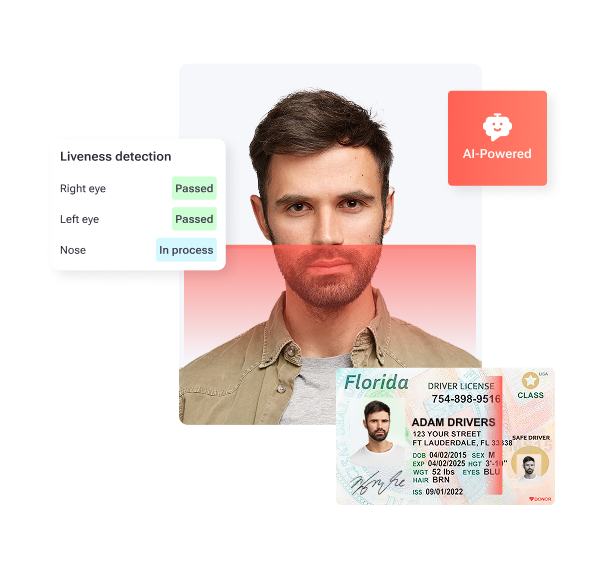
- Is identity verification built into the workflow, and does it include government ID validation, liveness detection, and biometric selfie-to-ID matching?
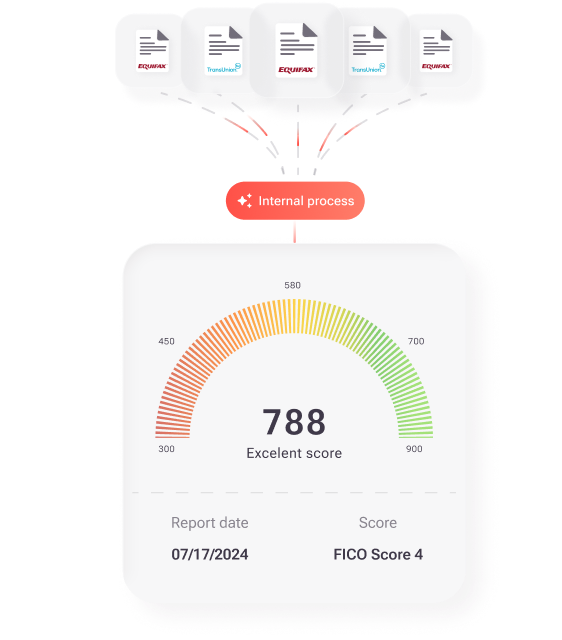
- What credit, eviction, and criminal background data is pulled, and is the provider a direct credit bureau reseller?
- How is income verified: self-reported only, or through employer contact and documentation?
- Can you add custom screening questions and community-specific requirements?
- Does the platform support electronic rules acknowledgment and e-signatures?
- How are applications routed to the manager and then to the board for review and voting?
- Is there a timestamped audit trail for every application and decision?
- How does the platform support FCRA adverse action workflows and permissible purpose controls?
Why Questions 1, 5, And 12 Matter Most:
- Question 1 separates association-specific platforms from generic rental tools, because only configurable platforms can implement your actual criteria.
- Question 5 focuses on the shift from document-based review to biometric identity confirmation, which generic tools often lack.
- Question 12 confirms that FCRA compliance sits inside the workflow instead of as a separate manual process.
TenantEvaluation answers all twelve affirmatively. The platform configures each community’s governing documents, screening criteria, and workflows directly into the system. IDVerify embeds biometric identity verification natively in the workflow with government ID validation, AI-powered liveness detection, and biometric selfie-to-ID matching inside one platform. FCRA-first design with direct TransUnion and Equifax reseller relationships, permissible purpose controls, and automated adverse action sits at the core of the product.

Founded in 2007, TenantEvaluation serves 5,000+ communities and processes roughly 100,000 applications annually. The platform maintains PCI Level 1 compliance, end-to-end encryption, automatic redaction of sensitive information, and a 4.8/5 Google rating.
Walk through all 12 questions with a TenantEvaluation specialist and see how your current process compares.
Choosing Between Full Association Software And A Screening Layer
Associations can either keep their existing accounting or management platform and add a specialized screening layer, or they can consolidate screening, approvals, documentation, and payments into one system. The right choice depends on where your current process breaks down.
Keep Your Current System And Add A Screening Layer If:
- Accounting, maintenance, and financials are already well served.
- Your pain points are application intake, document review, identity verification, and board approvals.
- You want to avoid migration disruption.
Consolidate If:
- You manage approvals across email chains, spreadsheets, and manual follow-ups.
- Onboarding lifecycle management is fragmented across multiple systems.
- You need one connected workflow from application to occupancy.
What General Platforms Offer: AppFolio, Buildium, and DoorLoop are built for rental portfolios, with subscription pricing models ranging from approximately $62/month for Buildium’s entry tier to custom pricing for AppFolio. These tools typically lack governing-document-driven configurability, a dedicated board voting dashboard, and Florida-specific 55+ documentation workflows.
How TenantEvaluation Fits Your Choice: TenantEvaluation fits either path. If you keep your current accounting system, it works as a specialized screening and onboarding layer. If you consolidate, it covers the full workflow from application through approvals, payments, and lease tracking. In both cases, applicants stay inside one ecosystem for identity verification, which prevents the control gaps that appear when tools redirect to external portals.
How 55+ Communities Handle Age-Restricted Applications In Florida
The federal Housing for Older Persons Act (HOPA) and Florida’s mirror provision at FS § 760.29(4) grant the 55+ exemption only while a community satisfies a three-prong test. At least 80% of occupied units must have a resident 55 or older, the community must publish and follow policies that show 55+ intent, and it must verify ages by survey at least every two years under HUD’s rules at 24 CFR Part 100, Subpart E.
Tenants count as occupants in the 80% occupancy calculation, so lease approvals in a Florida 55+ community require the same age verification as sales. Many age-restricted condos and HOAs handle these requirements with emails, PDFs, and manual follow-ups, which creates inconsistent documentation and extra administrative work.
55+ Communities Verification is a built-in capability that reduces manual work, standardizes application handling, and supports documentation consistency. It is built for Florida condos and HOAs and designed for Community Association Managers. The workflow focuses on documentation-first onboarding and creates more structured records for internal operational control while still leaving legal guidance to your association attorney.

Lease Tracking And Occupancy Visibility Across The Resident Lifecycle
Lease management across associations often feels fragmented. Teams deal with missing or outdated lease copies, manual expiration tracking, disconnected spreadsheets, limited centralized visibility, and no clear connection between applications and active leases. HOA management platforms serving Florida associations should alert management 30, 60, and 90 days before lease expirations and trigger the tenant re-approval process automatically instead of relying on manual logging.
TenantEvaluation Lease Tracking provides centralized, real-time lease visibility and lifecycle control. It connects resident onboarding, unit data, approvals, and lease documentation in one platform, so the full journey from application to occupancy stays in a single system.
The capability delivers:
- Real-time lease status (active, pending, expired, or missing)
- Automated lease document collection during onboarding
- Unit-level tracking
- Searchable digital history
- Audit-ready digital lease records
Lease Tracking is built for CAMs, Boards, Property Management Companies, and community operations teams. It replaces spreadsheets and scattered email chains so every lease stays connected, searchable, trackable, and ready for audits.
Connected Fee And Deposit Collection Inside Onboarding
Payment collection often sits apart from onboarding. Managers chase confirmations by email and phone, and applicants stay unsure about what to pay, when to pay, and where to send funds. Under Fla. Stat. § 718.112(2)(k), a condominium association may only charge an approval fee where the association is required to approve the transfer and a fee for such approval is provided for in the declaration, articles, or bylaws. That requirement makes a configurable, association-specific payment workflow essential.
TEpayments by Zinc is a connected payment workflow inside TenantEvaluation that collects application fees and deposits during resident onboarding. Each association configures what is collected and at which stage, and payments go directly to the association’s designated account. TenantEvaluation never holds the funds. TEpayments functions as a configurable capability within the onboarding process you already use, which reduces manual tracking and improves visibility.
See how TenantEvaluation connects payments, approvals, and lease tracking in one workflow and compare it to your current process.
QuickApprove: Accelerated Approvals Without Losing Control
Approval workflows often get stuck in email chains, spreadsheets, and manual follow-ups. The average HOA board member in Miami spends 12–18 hours per month on administrative tasks, including manual approvals and resident phone calls. These bottlenecks slow managers, delay board decisions, and leave applicants uncertain, especially during high-volume seasons.
QuickApprove is TenantEvaluation’s accelerated approval workflow that moves applications from submission to decision faster inside one connected platform. It provides:

- Real-time application tracking
- Automated communication support
- Reduced manual follow-ups
- Customized approval letters
- A personalized welcome package
- A board-ready approval process
QuickApprove is built for CAMs, Boards, and property management teams. It makes approvals faster and more consistent while keeping control, compliance, and visibility intact.
Frequently Asked Questions
What Does Florida Law Actually Require For HOA Tenant Screening?
Florida HOA authority over leases and occupants comes from recorded governing documents, not a standalone statewide screening statute. Chapter 720 provides the framework for HOAs, and Chapter 718 governs condominiums. These statutes shape documentation and process requirements. Screening criteria such as credit thresholds, income requirements, and background check standards come from your declaration, bylaws, and rules. Every association’s criteria differ, so no universal Florida screening standard applies across all communities. This is context, not legal advice; consult your association attorney for guidance specific to your community.
What Is The Difference Between HOA Approval And Landlord Screening?
The HOA approves or denies occupancy under its own criteria from governing documents, and the landlord screens a tenant for the lease decision. These are separate processes with different legal frameworks. The association’s approval applies the community’s criteria and does not address the applicant’s income stability or creditworthiness for the owner. It cannot replace the owner’s qualification decision. FCRA obligations such as permissible purpose, written consent, and adverse action notices attach to the landlord’s screening process separately from the association’s approval workflow, which creates liability if the two processes are blended.
Can We Keep Our Current Accounting Software And Add Screening?
Yes. TenantEvaluation works as a specialized screening and onboarding layer alongside existing systems. If your accounting and financials are well served by your current platform, you can add screening, biometric identity verification, board approval workflows, lease tracking, and connected payment collection without migrating your entire operation. The decision to consolidate versus layer depends on where your operational pain points are concentrated. If the bottlenecks sit in application intake, document review, identity verification, and board approvals, a specialized screening layer resolves those without disrupting your existing financial infrastructure.
How Do 55+ Communities Document Age-Restricted Applications In Florida?
Federal HUD rules at 24 CFR § 100.307 require 55+ communities to verify occupancy through reliable surveys and affidavits updated at least once every two years. Acceptable proof of age includes a driver’s license, birth certificate, passport, immigration card, military identification, or a signed certification by a household member 18 or older. TenantEvaluation’s 55+ Communities Verification standardizes how Florida condos and HOAs handle these requirements, which reduces manual work, supports documentation consistency, and improves operational efficiency. The workflow supports documentation and consistency while leaving legal guidance to your attorney.
Is TenantEvaluation A Direct Credit Bureau Reseller?
Yes. TenantEvaluation is a legitimate reseller of TransUnion and Equifax data, accessed under strict bureau rules with regular compliance reviews and audits. This status differs from platforms that rely on third-party data aggregators or gray-market sources. Direct reseller relationships keep data integrity tied to the original source, enforce permissible purpose controls at the bureau level, and help community associations avoid liability exposure tied to data sourcing. FCRA-first design, including automated adverse action workflows and built-in audit trails, is built into the platform from the start.
Conclusion: Your Governing Documents Drive The Software Decision
The right property management software with tenant screening for Florida HOAs implements your governing documents, verifies identity biometrically, supports board approval workflows, and keeps lease and payment records audit-ready.
TenantEvaluation is built specifically for community associations and management companies, with FCRA compliance designed into the core workflow. With the track record described above, TenantEvaluation is the specialized platform that answers all twelve evaluation questions affirmatively, from governing-document-driven screening criteria and IDVerify biometric identity confirmation to QuickApprove board workflows, 55+ Communities Verification, centralized Lease Tracking, and TEpayments by Zinc connected payment collection.
Bring the 12-question checklist to a personalized walkthrough and see how TenantEvaluation handles each requirement in practice.
