Written by: Luis Teran, Co-founder, CEO, TenantEvaluation
Key Takeaways for Florida CAMs
- Buildium ePay requires six sequential manual setup steps plus processor underwriting delays before residents can pay online.
- Buildium ledgers separate onboarding-stage payments from ongoing assessments, which creates visibility gaps and manual reconciliation work for Florida CAMs.
- Buildium’s dual-login structure forces managers to chase portal registrations and leaves boards without real-time payment dashboards.
- TEpayments by Zinc embeds payment collection inside TenantEvaluation’s onboarding workflow and sends funds directly to the Association’s account without holding them.
- TenantEvaluation replaces Buildium’s fragmented payment setup with a connected workflow that includes FCRA audit trails, board dashboards, and streamlined onboarding; learn more at TenantEvaluation.
Buildium Resident Portal Payment Setup Steps
Enabling ePay inside Buildium requires completing six sequential manual setup steps before residents can pay online:
- Navigate to Settings and open the ePay section to begin merchant enrollment.
- Submit banking and business details to Buildium’s payment processor for underwriting review.
- Wait for processor approval, which can take several business days.
- Map each property to the approved merchant account inside Buildium.
- Configure payment types (ACH, credit card) and set any applicable convenience fees per property.
- Activate the resident portal for each unit so residents can access the payment screen and register their own accounts.
Each step requires manager action inside a separate settings area, and resident access does not go live until all setup steps are complete. This sequential dependency creates a critical vulnerability. HOA portal adoption research confirms that onboarding stalls most often at the account-creation stage, which means any friction in steps four through six directly suppresses the payment enrollment rates associations need.
How Buildium Posts Payments to Association Ledgers
Once ePay is active, Buildium posts resident payments to the unit ledger. Best practice requires that each credit entry capture the date received, amount, payment method, and the period it applies to, and Buildium records these fields. The structural problem appears between payment posting and board visibility.
Buildium’s ledger functions as a property-management ledger, not a resident-onboarding ledger. Application fees, move-in deposits, and other onboarding-stage payments collected outside the resident portal by check, wire, or a separate processor do not automatically appear in the same ledger view. Florida CAMs managing portfolios across Miami, Fort Lauderdale, Tampa, and Orlando routinely report chasing payment confirmations through email and phone calls because the onboarding payment record and the ongoing assessment ledger live in different workflows. This fragmentation directly impacts payment enrollment success.
Owners enrolled in autopay show roughly 6% delinquency rates versus 17% for those paying manually, which means the gap between a connected onboarding payment flow and a disconnected one has a measurable financial consequence for associations. Manual payment entry causes 23% of revenue discrepancies and extends reconciliation from minutes to hours, which creates a direct cost in CAM staff time.
Board members face an additional visibility gap. Buildium surfaces payment information through reports assembled manually or exported on a schedule, not through a dedicated real-time board dashboard for payment status across all units during the onboarding lifecycle.
Buildium Resident Onboarding Payments and Dual Logins
Buildium operates two separate login environments for resident onboarding payments: a manager-facing back end and a resident-facing portal. Managers log in to the Buildium platform to configure payment settings, review ledger entries, and generate reports. Residents log in to the Buildium Resident Center, a separate URL, to register, link a bank account or card, and submit payments.
The dual-login structure creates administrative burden in three specific ways:
- Managers must manually invite each resident to the portal and follow up when activation emails land in spam or expire. Expired activation links and spam filtering are among the most common HOA portal failure points.
- Residents who do not complete portal registration cannot pay online, which pushes them back to checks or manual transfers that require separate reconciliation.
- Board members have no dedicated login environment. They access payment data only through manager-generated exports or shared Buildium reports, not a real-time board dashboard.
A well-run 100-unit community that fully transitions to digital payments can save 15–20 hours of administrative time every month and improve payment collection rates by around 25%. Those gains depend on residents completing portal registration, and Buildium’s separate login flow makes that harder to achieve during onboarding.
Why Florida Associations Choose TEpayments by Zinc
TEpayments by Zinc is a configurable payment workflow integrated directly into the TenantEvaluation resident onboarding platform. Payments go directly from the applicant to the Association’s designated account, and TenantEvaluation organizes the workflow but never holds the funds. The table below compares the two workflows across the dimensions that matter most to Florida CAMs and boards.
| Dimension | Buildium ePay | TEpayments by Zinc | Why It Matters for Florida CAMs |
|---|---|---|---|
| Setup steps to activate payments | Six sequential manual steps including processor underwriting wait | Configured inside the existing TenantEvaluation onboarding workflow; each Association defines what is collected and at which stage | Fewer setup steps mean faster activation and less manager time before the first payment is collected |
| Fund custody | Funds route through Buildium’s payment processor before reaching the association account | Payments go directly from the applicant to the Association’s designated account, and TenantEvaluation never holds the funds | Direct-to-account flow gives boards traceable records and confidence around where funds go |
| Board visibility | No dedicated board dashboard; boards access payment data through manager-exported reports | Board-ready dashboards inside TenantEvaluation provide real-time payment status and onboarding visibility | Activating resident portal access in parallel with ledger creation allows owners to view balances in real time without calling the management office, and boards need the same live access |
| FCRA audit trail | Payment records exist in Buildium, but FCRA compliance is not a design foundation of the platform | FCRA-first design with built-in audit trails connecting payment records to the full onboarding file | Florida CAMs face regulatory exposure when payment and screening records are stored in disconnected systems |
The delinquency impact noted earlier translates directly to enrollment rates. HOA communities that make autopay enrollment part of the initial onboarding flow routinely achieve 80% to 95% autopay enrollment, compared to 40–60% when it is treated as a separate step. TEpayments by Zinc embeds payment collection inside the application the resident is already completing and applies the same principle to application fees and deposits.
When Florida CAMs Should Switch to TenantEvaluation
Florida Licensed Community Association Managers operate under a regulatory environment that makes the Buildium ePay limitations more consequential than in a generic rental context. Three conditions signal that a switch to TenantEvaluation is warranted.
The association manages age-restricted units. Florida condos and HOAs operating under 55+ requirements must maintain consistent, auditable documentation across every application. TenantEvaluation’s 55+ Communities Verification standardizes how age-restricted requirements are handled across applications, reduces manual work, and improves documentation consistency. Buildium ePay does not address these needs. Payment records that are disconnected from the age-verification workflow create documentation gaps that surface during audits or disputes.
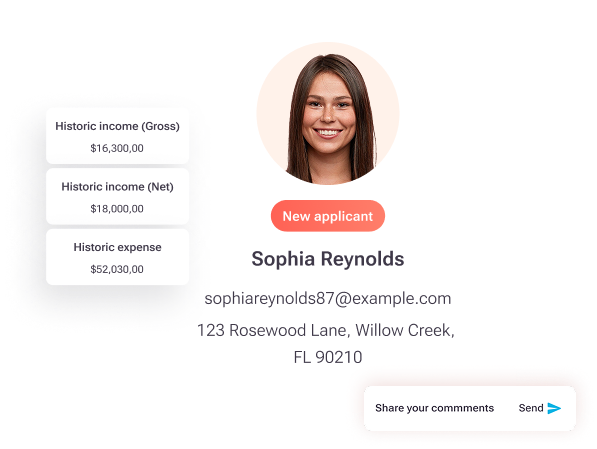
The board needs a real-time approval and payment dashboard. TenantEvaluation’s QuickApprove accelerated approval workflow gives boards a dedicated review and voting dashboard with real-time application tracking, automated communication support, and reduced manual follow-ups. Boards keep control, compliance, and visibility. Payment status from TEpayments by Zinc appears inside the same workflow, so boards see whether an applicant has paid before casting a vote.
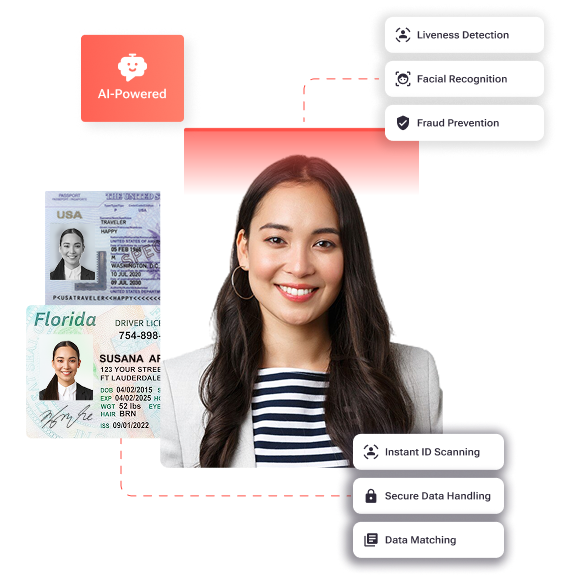
Identity fraud risk is a board concern. TenantEvaluation’s IDVerify embeds biometric identity verification, including government ID validation, AI-powered liveness detection, and selfie-to-ID biometric comparison, directly inside the onboarding workflow. Buildium ePay has no equivalent fraud-prevention layer connected to the payment step. For Florida communities in Miami, Fort Lauderdale, Palm Beach, and Tampa where identity fraud exposure is rising, connecting payment collection to a verified identity provides a meaningful reduction in risk.
Frequently Asked Questions
Does TenantEvaluation hold resident payments the way a payment processor does?
No. TEpayments by Zinc functions as a connected payment workflow inside TenantEvaluation, not as a payment processor or banking software. Payments go directly from the applicant to the Association’s designated account. TenantEvaluation organizes the workflow and provides visibility but never holds the funds. This structure gives boards traceable records and confidence around where money goes from the moment a payment is submitted.
How does TEpayments by Zinc handle different fee types across multiple properties?
TEpayments by Zinc is configurable per Association. Each Association defines what is collected, such as application fees, deposits, move-in charges, or other required resident payments, and at which stage of the onboarding process collection occurs. The capability adapts to the property’s existing process rather than forcing a universal sequence. This flexibility is particularly useful for Florida management companies overseeing portfolios with different governing documents and fee structures across communities in cities like Orlando, Sarasota, and Jacksonville.
What happens to payment records in TenantEvaluation after an application is approved?
Payment records collected through TEpayments by Zinc remain connected to the full onboarding file inside TenantEvaluation, which is built on an FCRA-first design with built-in audit trails. The payment record, the screening report, the identity verification result from IDVerify, and the board approval from QuickApprove all live inside one auditable onboarding record. Records are not scattered across a payment processor, a property management platform, and an email thread.
Can Florida boards access payment status without asking the CAM for a report?
Yes. TenantEvaluation provides board-ready dashboards that give Board Members direct, real-time access to application and payment status inside the platform. This access replaces the manual report-export cycle that Buildium requires and gives boards the visibility they need to make informed approval decisions without creating additional work for the CAM.
Is TenantEvaluation suitable for 55+ age-restricted communities in Florida?
Yes. TenantEvaluation includes 55+ Communities Verification, a built-in capability that helps Florida Condos and HOAs standardize how age-restricted requirements are handled across applications. It reduces manual work, supports documentation consistency, and improves operational efficiency for CAMs and boards managing age-restricted communities. These capabilities are not available in Buildium’s ePay workflow. TEpayments by Zinc operates inside the same platform, so payment collection and age-verification documentation are part of one connected onboarding record.
Conclusion for Florida CAMs and Boards
Buildium resident onboarding payments require six manual setup steps, produce a ledger that is disconnected from the onboarding workflow, and offer no board-specific payment dashboard or FCRA audit trail. For Florida CAMs and community-association boards managing condos, HOAs, and age-restricted communities across Miami, Tampa, Orlando, and beyond, those gaps translate directly into manual follow-up, compliance exposure, and limited board visibility.
TEpayments by Zinc delivers a connected payment workflow inside TenantEvaluation where application fees and deposits are collected within the onboarding process the association already uses, funds go directly to the Association’s designated account, and board-ready dashboards provide real-time visibility. The platform is built on FCRA compliance as the foundation, not as an afterthought. TenantEvaluation has already processed 100,000+ applications annually across 5,000+ communities and generated $150M for those communities.
