Written by: Luis Teran, Co-founder, CEO, TenantEvaluation | Last updated: December 29, 2025
Key Takeaways
- Florida HOAs and condominium associations face expanding 2026 compliance requirements, including digital record-keeping, online accounts with the Division, and stricter board governance rules.
- Financial compliance now centers on reserve funding tied to Structural Integrity Reserve Studies, budget limits, and detailed reporting that software must track accurately.
- Secure data handling, resident screening, and vendor and insurance tracking reduce legal exposure for boards and Community Association Managers (CAMs).
- Purpose-built Florida property management software helps CAMs manage CAM liability, board term limits, meeting rules, and documentation from a single, auditable system.
- TenantEvaluation offers Florida-focused tools for screening, documentation, and governance workflows that help communities stay compliant in 2026; schedule a demo to see how it works for your association.
Why Florida Property Management Compliance Matters in 2026
Florida’s legislative sessions have created an active regulatory environment for HOAs and condominium associations. New rules affect financial reporting, reserve funding, digital access to records, and how boards operate. CAMs and board members must follow updated requirements for online accounts with the Division, expanded reserve rules, and board member education and certification, or they risk fines and legal disputes.
Manual workflows and generic software make it difficult to keep up with these changes. CAMs also cannot knowingly violate laws, even when directed by a board, which increases personal liability for managers who rely on incomplete or outdated systems.
How Property Management Software Ensures Florida Compliance
Compliance-focused property management software supports Florida communities by automating statutory requirements, enforcing consistent workflows, and keeping detailed audit trails. A Florida-aware platform reduces guesswork, centralizes documentation, and supports CAMs and boards when regulations change.
Key compliance features include:
- Automated Florida-specific regulatory updates and workflows
- Secure document management with audit trails and role-based access
- Structured financial reporting aligned with state statutes
- Customizable resident screening rules that match bylaws and policies
Schedule a demo today to see how TenantEvaluation supports compliance while streamlining applications and board reviews.
1. Digital Record-Keeping and Online Presence Mandates
Florida is shifting community records and communication online. As of October 1, 2025, every condominium association must maintain an online account with the Division of Florida Condominiums, Timeshares, and Mobile Homes to submit contact, construction, and financial information.
Associations with 100 or more units also face online access requirements. By January 1, 2025, these communities must provide a website or mobile app for budgets, minutes, insurance policies, and other key documents. Modern software should offer a secure owner portal, structured folders for required documents, and easy publishing tools.
Digital notices play a growing role in compliance. New law permits broader online access and electronic delivery of documents. Effective platforms log delivery confirmations, store copies of notices, and simplify audits or owner challenges related to access.
2. Enhanced Financial Reporting and Reserve Funding
Reserve funding rules now demand more structure and automation. Beginning January 1, 2025, buildings with three or more stories must fully fund reserves based on a Structural Integrity Reserve Study (SIRS), with no waivers allowed, and the deadline to complete SIRS was extended to December 31, 2025.
Software should track inspection cycles, link SIRS findings to reserve accounts, and support options to pool reserves or fund through loans or special assessments with majority approval. It must also respect state limits on reporting formats, since associations cannot produce some financial report types in consecutive years.
Budgets had to include fully funded reserves by December 31, 2024, based on the applicable reserve study, and this information now shapes ongoing planning. Strong accounting tools allow differentiated reserve line items, track investments in approved instruments, and generate substitute budgets when proposed budgets exceed 115% of the prior year.

3. Governance and Board Member Compliance
Governance rules require more precise tracking of board qualifications and meeting practices. Directors of residential condominium associations elected before July 1, 2024, had to complete certification and education by June 30, 2025, and new eight-year consecutive term limits began in 2025. Software should record terms, education dates, and eligibility before ballots go out.
Rules that took effect July 1, 2025, govern virtual and hybrid meetings, including annual unit owner meetings within 15 miles of the community and physical quorum requirements. Technology should support video conferencing, controlled access, accurate attendance logs, and verifiable digital voting, while helping associations follow developer voting limits tied to ownership percentages.
4. Data Privacy and Security Standards
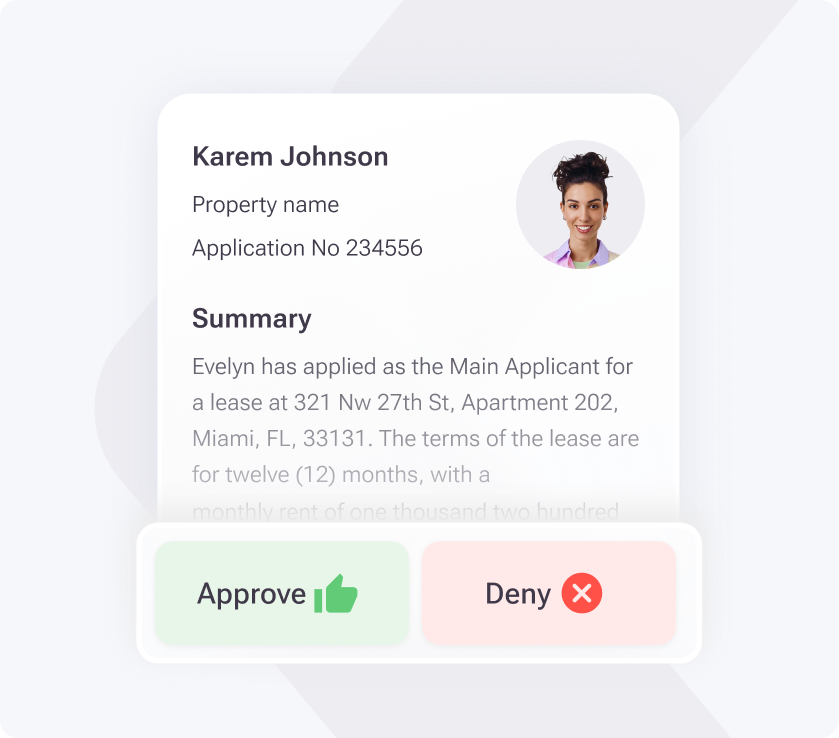
Data security now serves as both an IT and compliance requirement. Platforms that handle assessments, applications, and payments should use PCI Level 1–equivalent controls for payment processing, strong encryption for data in transit and at rest, and automatic redaction of sensitive fields such as Social Security numbers and bank accounts.
Comprehensive audit logs show who accessed or changed records, when they did it, and from where. These logs support investigations, owner complaints, and regulatory reviews. The heightened liability for CAMs means that secure systems help prevent accidental exposure of protected information that could be interpreted as a compliance failure.
5. Comprehensive Resident Screening and Onboarding Compliance
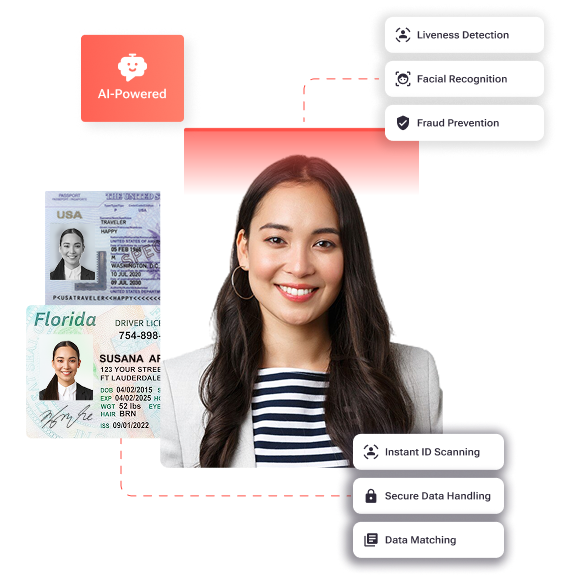
Resident screening must protect the community while respecting federal, state, and local rules. Modern platforms support FCRA-compliant background checks, identity verification, and income evaluation, while allowing communities to configure criteria that align with their governing documents and fair housing guidance.
Structured workflows confirm that leases, IDs, and supporting documents are complete before review. Detailed audit trails document each decision and show that the same standards applied to every applicant, which reduces the risk of discrimination claims and helps CAMs demonstrate compliance if decisions are challenged.
6. Insurance Tracking and Vendor Compliance
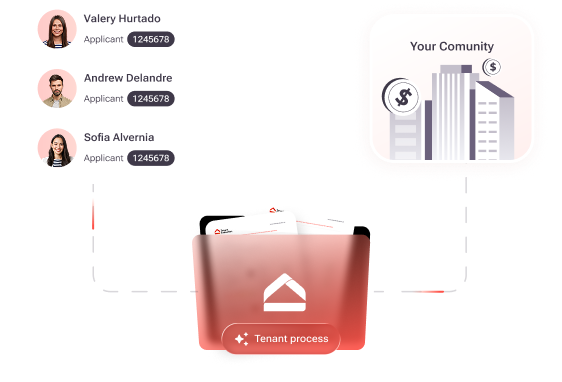
Adequate property insurance for all condominiums now stands as a clear requirement, so software should store master policy details, renewal dates, deductibles, and coverage limits, along with reminders before expiration.
Vendor oversight also matters. HB 913 and HB 393 call for full conflict-of-interest disclosure and competitive bidding for repairs, which means systems should log bids, disclosures, board decisions, and performance history. License and insurance tracking features confirm that vendors and property managers hold active, valid credentials and alert boards when something lapses.
7. Manager and Board Liability Compliance Checks
Personal liability for CAMs and board members makes proactive compliance checks essential. CAMs may not knowingly violate applicable laws, even when directed by a board, so software should offer dashboards, alerts, and policy-based workflows that highlight potential issues before decisions finalize.
Boards benefit from structured review paths for applications, violations, and contracts. Clear approval logs, timestamps, and role-based sign-offs show how and why decisions were made. Platforms that distinguish residential versus non-residential condominium requirements help associations apply the right standards for each community type.
Schedule a demo today to see how TenantEvaluation structures these checks for Florida HOAs and condos.
Comparing Compliance Benefits of TenantEvaluation
|
Feature/Solution |
TenantEvaluation (Specialized) |
Generic Property Management Software |
Manual Processes |
|
Florida-Specific Compliance |
✅ Built-in & Customizable |
❌ General, requires manual adaptation |
❌ High risk of errors |
|
Automated Reserve Tracking |
✅ Yes, SIRS & building height |
❌ Basic, often requires manual input |
❌ Time-consuming, error-prone |
|
Data Security & Redaction |
✅ PCI Level 1, Auto-Redaction |
❌ Varies, often less robust |
❌ Extremely vulnerable |
|
Resident Screening Audit |
✅ FCRA-compliant, full audit |
❌ Basic, lacks full compliance trail |
❌ Vulnerable to bias |
Frequently Asked Questions (FAQ) on Florida Compliance
How do the 2025 Florida condo law changes, specifically HB 913, impact my association’s finances and ability to fund reserves?
HB 913 extended the SIRS deadline to December 31, 2025, and mandated fully funded reserves for buildings with three or more stories by January 1, 2025, with no waivers. Boards can pool reserves and may fund them through loans or special assessments with majority approval. These rules require software that tracks SIRS details, applies the proper funding method by building type, and supports accurate financial reporting.
What are the key digital requirements for Florida HOAs and condos coming into effect in 2025, and how can software help?
By October 1, 2025, all condominium associations must maintain an online Division account for required data, and communities with 100 or more units must provide a website or app for core documents. Software platforms help by hosting owner portals, automating electronic delivery, and structuring records so that communities meet digital access and transparency standards.
What are the insurance and vendor compliance requirements for Florida condos in 2026?
Condominiums must maintain adequate property insurance and follow stricter disclosure and bidding rules for repairs. Systems should track policies, renewal dates, vendor licenses, insurance certificates, contracts, and conflict-of-interest disclosures so boards can demonstrate that all vendors and managers meet regulatory standards.
How do the new meeting and governance requirements affect board operations in 2026?
New virtual and hybrid meeting rules require annual meetings near the community with physical board quorum, while earlier laws set deadlines for director certification and term limits. Property management software that supports meeting logistics, secure voting, and director compliance tracking helps boards run meetings that follow these rules.
Conclusion: Why Florida Communities Need Compliance-Focused Software in 2026
Florida communities now manage more complex rules on digital records, reserves, governance, data security, and vendor oversight. CAMs and board members face higher expectations and greater personal liability, which makes reliance on email chains and spreadsheets increasingly risky.
Compliance-focused property management software gives Florida associations a structured way to meet these obligations and to document every decision. TenantEvaluation’s platform was built with Florida’s requirements in mind, helping communities manage applications, screenings, board workflows, and documentation in one place. Schedule a demo today to see how TenantEvaluation can support your association’s compliance strategy for 2026 and beyond.
