Written by: Luis Teran, Co-founder, CEO, TenantEvaluation | Last updated: July 3, 2026
Key Takeaways
- Self-managed Florida HOAs under 250 units often rely on manual lease tracking, fragmented approvals, and ad hoc compliance processes that full-suite platforms like AppFolio were not designed to solve.
- Volunteer boards face rising documentation demands without staff support or budget for expensive monthly subscriptions, so they benefit from lighter, pay-per-use tools.
- FCRA compliance, biometric identity verification, and centralized lease lifecycle visibility reduce risk and streamline resident screening and onboarding.
- Specialized platforms usually outperform general property management suites on pricing transparency, board accessibility, Florida-specific features, and compliance readiness for smaller communities.
- TenantEvaluation delivers an FCRA-first, pay-per-application solution purpose-built for self-managed HOAs. See how it simplifies lease tracking and resident onboarding.
The Reality for Small Florida HOAs: More Work, Limited Capacity
Volunteer board members at small-to-mid Florida HOAs face a structural mismatch. Compliance and documentation demands keep growing, while available time and resources stay flat. Common operational pain points include:
- Manual document handling, such as collecting, reviewing, and storing leases and IDs across folders and inboxes
- Fragmented lease tracking, with no centralized view of which units have active, pending, expired, or missing leases
- Lengthy approval cycles, where applications stall waiting for board review without real-time status visibility
- Inconsistent age-restricted documentation, as 55+ communities manage eligibility requirements through PDFs and email follow-ups
- Identity fraud exposure, because traditional document uploads cannot confirm physical presence or prevent impersonation
Full-suite platforms charge monthly subscription fees regardless of application volume, which misaligns with the pay-per-use reality of smaller communities. The shift toward digital, audit-ready records keeps accelerating, but the tool must match the community’s capacity and budget.
FCRA, Risk, and Board Protection for Florida HOAs
The Fair Credit Reporting Act (FCRA) governs how background check data is collected and used in resident screening. For HOAs, this requires permissible-purpose controls, proper adverse action notices when applications are declined, and audit trails for every decision.
Common failure points in self-managed communities include:
- Incomplete applications advancing to board review without required documents
- Missing or outdated lease records that create occupancy blind spots
- Spreadsheet-based processes with no timestamped audit trail
- Sensitive applicant data, such as Social Security numbers and financial records, handled without encryption or auto-redaction
TenantEvaluation is built specifically for community associations and management companies, with FCRA compliance as the foundation, not an afterthought. As a direct reseller of TransUnion and Equifax data, it operates under strict bureau rules with built-in adverse action workflows, clear separation between data provision and board decision-making, and a complete audit trail for every application.
See how TenantEvaluation’s built-in FCRA workflows protect your board from compliance exposure
Four Pillars of Efficient Resident Screening and Onboarding
Efficient resident onboarding in a self-managed HOA rests on four operational pillars that reduce manual work and board risk:
- Workflow standardization: Every applicant follows the same documented sequence, which reduces inconsistency and board liability.
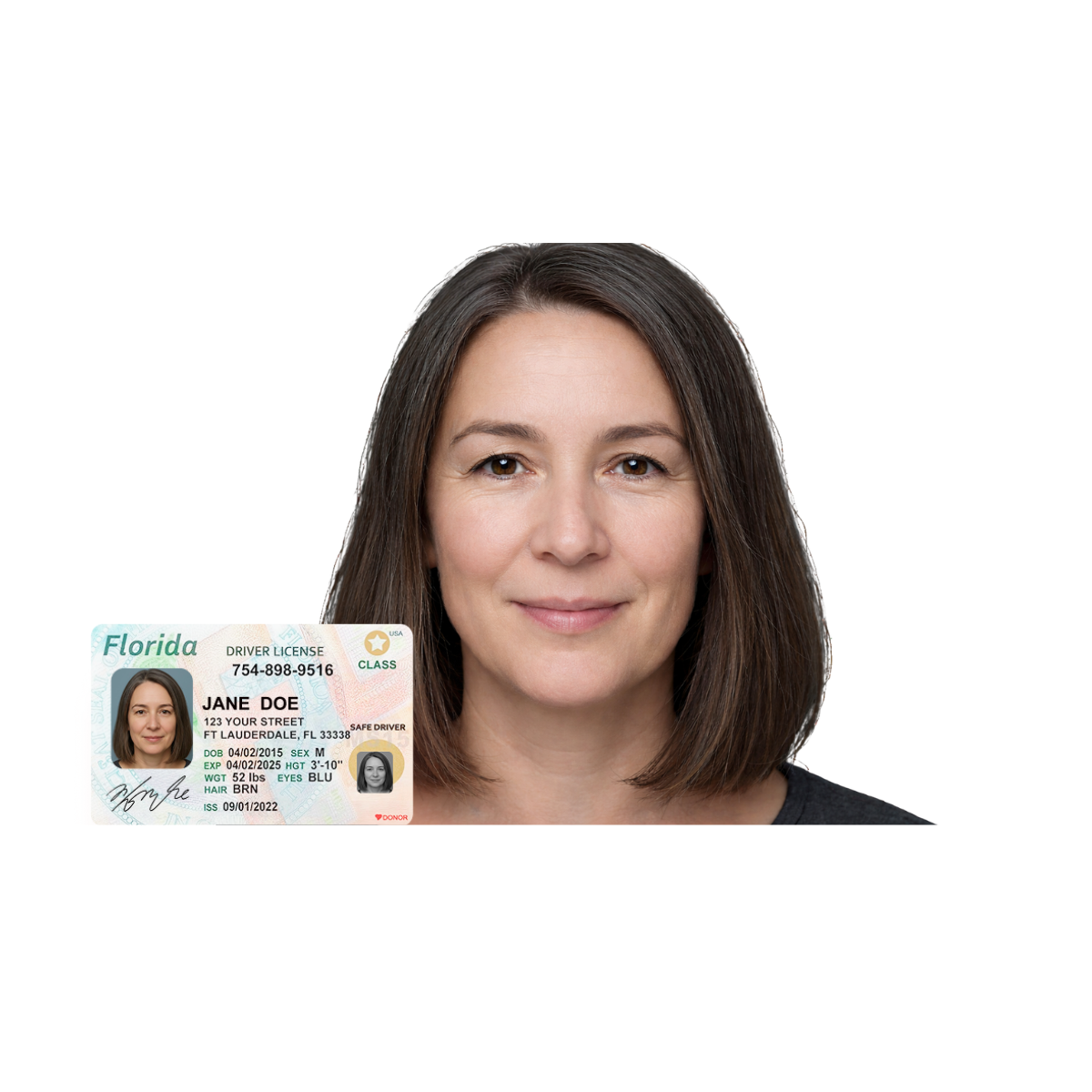
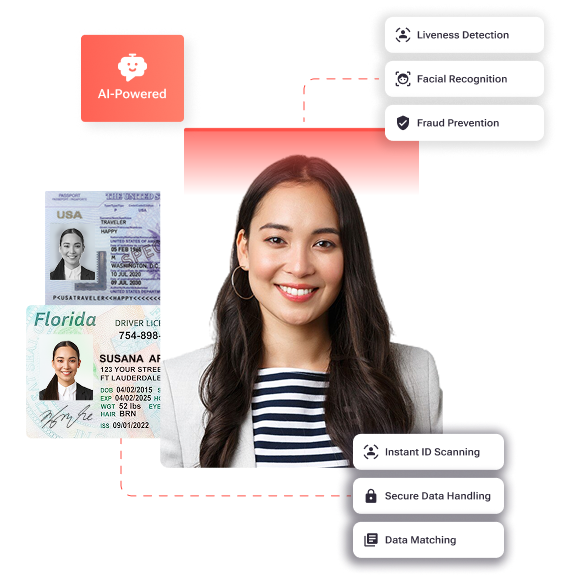
- Biometric identity verification: IDVerify confirms applicant identity using AI-powered liveness detection, government ID authentication, and biometric selfie-to-ID comparison. This shifts communities from document-based review to verified physical identity confirmation.
- Automated document collection: Smart form logic rejects incomplete submissions before they reach the board, which eliminates most back-and-forth follow-ups.
- Centralized lease status tracking: Lease Tracking connects resident onboarding, unit data, approvals, and lease documentation into one streamlined, real-time workflow with audit-ready digital records. This reduces manual follow-ups, spreadsheets, and scattered email chains.
How to Choose Bookkeeping and Operations Software for Your HOA
The right software depends on what the community actually needs. A practical evaluation framework uses six criteria:
- Pricing transparency: Is the cost per application or a flat monthly subscription?
- Time-savings potential: Does the platform automate document collection, approvals, and communications?
- Board accessibility: Can board members review and vote on applications without a separate login or manual report?
- Florida-specific features: Does the platform support 55+ age-restricted documentation and Florida HOA workflows?
- Migration effort: How complex is data export and onboarding setup?
- Compliance readiness: Is FCRA compliance built in, or does it require external configuration?
For communities whose primary need is resident screening and onboarding rather than full accounting, a specialized platform usually scores higher on criteria 2, 3, 4, and 6 than a general property management suite.
Self-Managed HOA Software Reviews and Comparison
The following comparison shows how five platforms differ in pricing structure, feature focus, and time-savings potential. It highlights why specialized screening tools often deliver better ROI than general property management suites for self-managed HOAs under 250 units.
| Platform | Pricing Model | Key Efficiency Features | Time-Savings Impact |
|---|---|---|---|
| TenantEvaluation | Pay-per-application, no upfront fees, revenue-sharing model returns a portion of application fees to the association | QuickApprove accelerated approval workflow, IDVerify biometric verification, 55+ Communities Verification, Lease Tracking, board voting dashboard, FCRA-first design | Up to 70% reduction in approval cycle time, up to 50 hours of staff time freed per day |
| AppFolio | Monthly subscription, minimum unit thresholds apply | Full property management suite, online payments, maintenance tracking | Designed for professional management companies, overhead may exceed small HOA needs |
| PayHOA | Tiered pricing based on community size, with fixed monthly fees for unit bands (e.g., $49/mo for up to 25 units) and per-unit pricing only for 500+ units | Dues collection, violation tracking, owner portal | Reduces manual dues follow-up, limited resident screening depth |
| ManageCasa | Tiered monthly subscription | Accounting, tenant portal, maintenance requests | Moderate automation for general property tasks, not HOA-screening-specific |
| HOA Express | Tiered monthly subscription plans (starting at $15/month) with an optional annual billing discount, scaled by community size | Community website, document library, announcements | Primarily a communication and engagement tool, minimal onboarding automation |
Free and Low-Cost Options for Smaller HOAs
Under 50 units: Communities at this scale often start with free tiers of communication platforms or basic document-sharing tools. The primary risk is FCRA exposure, because free tools rarely include compliant background check workflows or audit trails. TenantEvaluation’s pay-per-application model has no monthly fee, so it can be effectively cost-neutral for low-volume communities while still delivering full compliance infrastructure.
50–250 units: At this size, application volume justifies a structured onboarding platform. Manual processes create measurable bottlenecks during peak rental seasons. A platform with QuickApprove accelerated approval workflow, real-time lease status visibility, and a board-ready voting dashboard delivers compounding time savings as volume grows without adding headcount.
Planning a Move from PayHOA or AppFolio
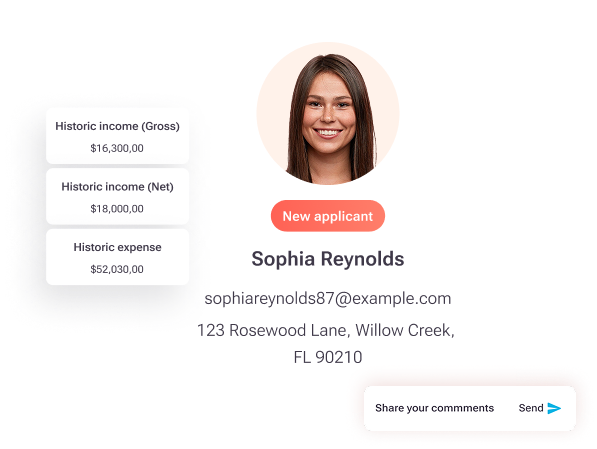
Boards evaluating a migration from AppFolio or PayHOA to a specialized screening platform can reduce disruption by following a structured checklist:
- Data export: Export all active lease records, resident contact data, and historical application files from the current platform.
- Document audit: Identify missing lease copies, expired records, and incomplete application files before migration.
- Platform configuration: Work with TenantEvaluation to configure community-specific screening criteria, governing document requirements, and Florida-specific workflows.
- Board training: Introduce board members to the QuickApprove voting dashboard and real-time application tracking before go-live.
- Parallel run: Process one application cycle on both platforms before full cutover to validate data integrity.
- Record transfer: Upload historical lease records into Lease Tracking for centralized, searchable digital history from day one.
Walk through your migration plan with a TenantEvaluation specialist
ManageCasa Pricing Compared to Pay-Per-Application Tools
ManageCasa operates on a tiered monthly subscription model. For self-managed Florida HOAs under 250 units, the real comparison is not just price, but what the subscription includes relative to the community’s workflow needs. ManageCasa covers general property management tasks such as accounting, maintenance requests, and tenant portals, but it does not offer FCRA-first resident screening, biometric identity verification, or a board-specific approval dashboard.
TenantEvaluation’s pay-per-application model means the association pays only when processing a new resident. The revenue-sharing structure returns a portion of application fees back to the community, which can make it a cost-neutral or revenue-generating alternative for communities that process applications regularly.
Using HOA Express with a Dedicated Screening Platform
HOA Express functions primarily as a community engagement and communication platform with website hosting, document libraries, and resident announcements. It does not provide resident screening, identity verification, or lease lifecycle management. Boards that use HOA Express for communication and need a separate, specialized layer for onboarding and compliance can run TenantEvaluation alongside existing communication tools without a full platform replacement.
TenantEvaluation’s 55+ Communities Verification capability is particularly relevant for Florida HOAs managing age-restricted requirements. It reduces manual work, standardizes application handling, supports documentation consistency, and improves operational efficiency, with workflows designed for Florida Condos and HOAs and Community Association Managers who need a scalable, structured process across all applicants.
Frequently Asked Questions
What is the most cost-effective HOA management software for a self-managed community under 250 units?
Cost-effectiveness depends on the community’s primary operational need. For communities whose largest administrative burden is resident screening, onboarding, and lease tracking, a pay-per-application platform eliminates monthly subscription overhead. TenantEvaluation charges per application and returns a portion of application fees to the association through a revenue-sharing model, which can make it cost-neutral or revenue-generating for communities with regular application volume. Full-suite platforms like AppFolio carry monthly minimums designed for professional management companies, which often create disproportionate overhead for a volunteer-run HOA.
How does FCRA compliance apply to HOA resident screening in Florida?
The Fair Credit Reporting Act applies whenever a community association uses a consumer report, including background checks and credit reports, to make a housing decision. Florida HOAs must obtain written consent from applicants, use data only for permissible purposes, and provide adverse action notices when declining an application based on consumer report data. Maintaining a timestamped audit trail for every application is essential for demonstrating compliance in the event of a dispute. Platforms built with FCRA as a foundation, rather than a configuration option, reduce the board’s liability exposure by automating adverse action workflows and enforcing permissible-purpose controls at the system level.
What is the difference between a property management platform and a resident screening platform for HOAs?
A property management platform covers the full operational lifecycle of a community, including accounting, maintenance requests, dues collection, vendor management, and communications. A resident screening and onboarding platform focuses specifically on evaluating, approving, and onboarding new residents, including application intake, document collection, background checks, identity verification, board approval workflows, and lease tracking. Self-managed HOAs under 250 units often do not need the full overhead of a property management suite. They need a compliant, efficient onboarding workflow. TenantEvaluation covers the entire resident onboarding lifecycle without the cost and complexity of a full property management system.
How does biometric identity verification reduce risk for Florida HOA boards?
Traditional screening relies on document uploads, which cannot confirm that the person submitting the application is the same person named on the ID. Biometric identity verification adds a layer of physical presence confirmation by validating the government-issued ID, running AI-powered liveness detection, and comparing a live selfie to the ID photo using facial biometric matching. For HOA boards, this reduces exposure to impersonation attempts, synthetic identities, and fraudulent occupants before a decision is made. IDVerify runs natively inside TenantEvaluation, so verification results are embedded directly in the screening report visible to the CAM and board, with no external portals or additional logins required.
Conclusion: A Clear Framework for Self-Managed HOAs
Self-managed Florida HOAs under 250 units face a clear operational challenge. The administrative complexity of resident screening, onboarding, and lease management has grown, but available tools have not always kept pace with the specific needs of volunteer boards and CAMs. Full-suite platforms carry cost and complexity designed for professional management companies. Generic free tools lack the FCRA compliance infrastructure that Florida associations require.
The decision framework stays straightforward. Evaluate current processes against the six criteria of pricing transparency, time-savings potential, board accessibility, Florida-specific features, migration effort, and compliance readiness. Then identify where the largest gaps exist. For most self-managed communities, those gaps concentrate in resident screening, identity verification, board approval workflows, and lease lifecycle visibility.
TenantEvaluation addresses each of those gaps through its integrated onboarding platform, which combines accelerated approvals, biometric verification, age-restricted documentation, and centralized lease tracking in one FCRA-first system built for community associations. The platform currently serves more than 5,000 communities and processes approximately 100,000 applications per year across Florida.
See how TenantEvaluation’s complete onboarding platform fits your community’s workflow
