Written by: Luis Teran, Co-founder, CEO, TenantEvaluation
Key Takeaways for Florida Associations
- Florida community associations must follow strict Chapters 718 and 720 rules for collecting, holding, and returning security deposits, or risk statutory damages, attorney fees, and DBPR scrutiny.
- Security deposits must be held in separate escrow accounts at Florida banks, with written notice to residents within 30 days and returns completed within 15 or 30 days, depending on whether deductions are claimed.
- 2026 SIRS mandatory funding requirements add significant financial governance obligations for condominium associations, with full reserve funding required regardless of membership votes for buildings three or more stories tall.
- Fragmented deposit tracking across spreadsheets and email creates compliance gaps, missing lease documentation, and audit exposure that can result in forfeited deposit retention rights.
- TenantEvaluation centralizes deposit workflows, lease tracking, and resident onboarding into one FCRA-compliant platform designed for Florida community associations. Schedule a demo today to streamline your operations.
Core Deposit and Account Terms Under Florida Law
Clear definitions help boards, CAMs, and managers apply Florida statutes correctly in daily operations.
- Security deposit: A sum collected from a prospective tenant or resident before occupancy, held as financial protection against unpaid rent, damages, or lease violations. Under Florida Statute §83.49, landlords and associations holding deposits must follow specific escrow and notice requirements.
- Common-element deposit: A payment collected to secure use of shared amenities or facilities within a condominium or HOA community, governed by the association’s governing documents and applicable statute.
- Operating account: The account that funds day-to-day expenses such as maintenance, insurance, and management fees. Security deposits must not be commingled with operating funds unless specific statutory conditions are met.
- Reserve account: A segregated account designated for long-term capital expenditures. Under Chapter 718, reserve funds for SIRS-covered structural components must be fully funded and cannot be redirected to operating purposes.
- Escrow requirement: Florida law requires that security deposits be held in a separate Florida banking institution, either in an interest-bearing or non-interest-bearing account, with the tenant notified in writing of the account’s location and terms within 30 days of receipt.
Regulatory Landscape: Deposit Rules, SIRS Funding, and 2026 Deadlines
Florida’s regulatory environment for community associations intensified significantly after the 2021 Surfside collapse. The legislative response, anchored by SB 4-D (2022) and later amendments, reshaped reserve funding obligations for condominiums statewide.
Deposit return timelines: Florida law requires security deposits to be returned within 15 days if no deductions are claimed or within 30 days, with an itemized list of claims, if deductions are intended. Associations that miss these timelines forfeit the right to retain any portion of the deposit.
SIRS mandatory funding: For budgets adopted on or after December 31, 2024, Florida condominium associations required to obtain a SIRS may not waive or reduce funding for the structural reserve components identified in the study. Full SIRS funding is mandatory for all Florida condominium buildings three or more habitable stories tall, regardless of any membership vote, for budgets adopted on or after that date.
SIRS deadlines and extensions: Most associations must complete a SIRS by December 31, 2025. When a milestone inspection is due by December 31, 2026, the SIRS may be completed by that same deadline. HB 913 (2025) allows associations to use loans, lines of credit, and special assessments as SIRS reserve funding mechanisms with a majority membership vote. It also allows condominium associations to pause or reduce reserve contributions for no more than two consecutive annual budgets adopted on or before December 31, 2028, to fund repairs recommended by a milestone inspection.
Non-compliance consequences: As of March 2025, 696 condominium buildings in Miami-Dade, Broward, and Palm Beach counties have been blacklisted from conventional mortgages by Fannie Mae due to SIRS non-compliance, which has reduced property values. These compliance risks are amplified when deposit handling is disconnected from the broader resident onboarding workflow, a common operational gap that the next section addresses.
Deposit Handling Within Screening, Leases, and Board Approvals
Deposit collection works best as part of a single, connected onboarding workflow. In a compliant Florida community association, the deposit workflow ties directly to the screening decision, the executed lease, and board approval.
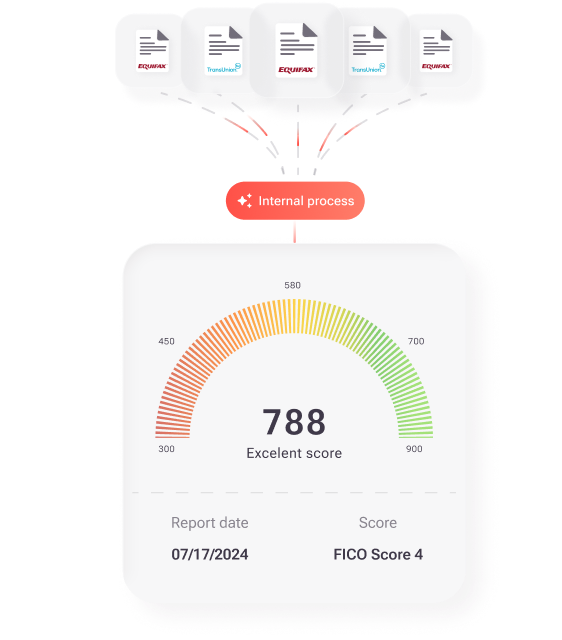
A deposit collected before a lease is executed and board-approved creates documentation gaps that complicate returns and dispute resolution. A deposit collected after occupancy begins creates financial exposure for the association.

The operational sequence for a compliant onboarding workflow typically follows this structure:
- Applicant submits a complete application, including identity verification and required documents.
- Background screening is completed under FCRA-compliant permissible-purpose controls.
- Board reviews and votes on the application through a documented approval process.
- Deposit and application fees are collected within the onboarding workflow, with funds directed to the association’s designated account.
- Executed lease is collected and stored in a centralized, searchable record system.
- Occupancy is confirmed and lease status is tracked in real time.
TEpayments by Zinc integrates deposit and fee collection directly into this onboarding sequence. Payments go directly from the applicant to the association’s designated account, and TenantEvaluation organizes the workflow but never holds the funds. QuickApprove connects board review and voting to the same workflow, giving boards a dedicated panel with real-time application tracking and a board-ready approval process without losing control, compliance, or visibility.
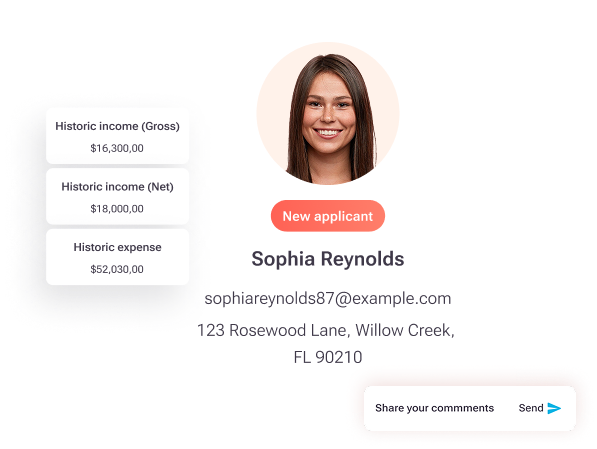
Governance, Risk, and Recordkeeping for CAMs and Boards
Florida CAMs operating under Florida Statute 468.431 carry fiduciary obligations that cover deposit handling, record retention, and board reporting. The DBPR expects CAMs to maintain complete and accurate records of all financial transactions, including deposit receipts, escrow account statements, and return documentation.
Board members share fiduciary responsibility for ensuring that association funds, including reserve accounts, are managed in line with statutory requirements. Strong governance reduces the risk of DBPR complaints, owner disputes, and lender concerns.
Key governance considerations include:
- Audit trails: Every deposit transaction, notice, and return should be documented with timestamps and remain accessible for DBPR review or owner inspection under Florida’s official records statutes.
- Permissible-purpose controls: Background screening data used in deposit decisions must be obtained and used in compliance with the FCRA, with clear separation between data provision and the association’s decision-making authority.
- Record retention: Florida condominium and cooperative associations must maintain official records for at least 7 years, with access available to unit owners upon written request.
- SIRS documentation: SIRS requirements are mandated by Florida Statute §718.112(2)(g), and boards are expected to post them on association websites or portals and communicate findings to owners.
Operational Pain Points in Deposit and Reserve Management
Many Florida community associations still rely on email threads, spreadsheets, and paper files to track deposits. This fragmented approach creates predictable failure points that increase risk.
- Missing lease copies: Without a centralized lease repository, associations cannot easily confirm whether a deposit matches an executed, board-approved lease, which fuels disputes when residents request returns.
- Disputed deposit returns: When notice timelines are missed or claim documentation is incomplete, associations lose their right to retain deposits under Florida law, even when damage or unpaid balances exist.
- Payment visibility gaps: Boards often lack real-time visibility into which deposits have been collected, which are pending, and which have been returned, creating governance blind spots and audit exposure.
- SIRS reserve confusion: Real-world SIRS compliance costs in South Florida include a $134,000 per-unit special assessment at Cricket Club Condominiums in North Miami and assessments reaching up to $400,000 per unit at Mediterranean Village in Aventura. These examples highlight the cost of weak reserve documentation and planning.
Schedule a demo today to see how TenantEvaluation replaces fragmented spreadsheets with one centralized, audit-ready platform.
Best Practices Checklist for Florida Deposit Workflows
This checklist combines statutory requirements with practical steps for Florida community associations managing deposits in 2026.
- Collect deposits within the onboarding workflow. Use a connected payment workflow such as TEpayments by Zinc to collect application fees and deposits during resident onboarding, with funds directed to the association’s designated account. This immediate collection creates the documentation trail needed for later steps.
- Provide written escrow notice within 30 days. After the deposit is collected and placed in the designated account, notify the resident in writing of the banking institution, account type, and deposit amount within 30 days of receipt, as required by Florida Statute §83.49.
- Maintain separate escrow accounts. Do not commingle security deposits with operating funds. Keep documentation of the account’s interest-bearing status and any interest earned, so you can respond quickly to owner questions or audits.
- Link deposits to executed leases. Store executed lease documents in a centralized system connected to the deposit record. Lease Tracking inside TenantEvaluation provides real-time lease status, including active, pending, expired, or missing, with automated lease document collection during onboarding.
- Document board approval before occupancy. Use a board-ready approval workflow to timestamp and record the approval decision before the resident takes possession, which strengthens your position in any later dispute.
- Return deposits within required timelines. Follow the 15-day and 30-day return timelines described earlier, and include itemized claims when you intend to withhold any portion of the deposit.
- Maintain SIRS reserve documentation separately. Keep reserve accounts for SIRS-covered structural components fully funded and documented independently from operating and deposit accounts, with records ready for DBPR review.
- Retain all records for the required period. Follow the 7-year record retention requirement under Florida law, and store deposit receipts, escrow statements, return documentation, and lease records in a searchable, audit-ready digital system.
Five-Dimension Framework to Review Your Deposit Process
Florida CAMs and board members can use this framework to evaluate the strength of current deposit management processes across five dimensions.
- Compliance readiness: Confirm that deposit escrow accounts are properly established, documented, and separated from operating funds, and that 15- and 30-day return timelines are tracked systematically.
- Operational efficiency: Check whether deposit collection is integrated into the resident onboarding workflow or handled through separate manual steps and follow-up.
- Transparency: Ensure boards have real-time visibility into deposit status, payment confirmations, and return records without relying on ad hoc manual reports.
- Scalability: Evaluate whether the current process can handle increased onboarding volume during peak rental seasons without adding administrative headcount.
- Auditability: Confirm that all deposit transactions, notices, and returns are documented with timestamps in a searchable system that supports DBPR review and owner inspection rights.
Associations that find gaps in any of these dimensions face elevated compliance risk under Chapters 718 and 720, especially as SIRS mandatory funding requirements increase financial scrutiny across all association accounts in 2026.
FAQ: Florida Deposit and SIRS Rules for 2026
What is the new law on security deposits in Florida?
Florida’s core security deposit framework under Statute §83.49 requires that deposits be held in a separate Florida banking institution, with written notice to the resident within 30 days of receipt identifying the account’s location and terms. Florida law requires security deposits to be returned within 15 days if no deductions are claimed or within 30 days, with an itemized list of claims, if deductions are intended. Missing these timelines forfeits the association’s right to retain any portion of the deposit. These provisions are longstanding, but post-Surfside legislative reforms and heightened DBPR oversight make documentation and timeline compliance more critical.
Does an HOA have to have a management company?
Florida law does not require a homeowners association to retain a professional management company. Self-managed communities where volunteer board members handle operations without compensation are exempt from the CAM licensing requirement under Florida Statute 468.431.
When a community association retains a paid manager or management firm to manage more than 10 units or an annual budget exceeding $100,000, that individual must hold a Florida CAM license issued by the DBPR, and the firm must also be licensed at that threshold. Whether self-managed or professionally managed, all associations must still follow the deposit handling, escrow, and reserve funding requirements of Chapters 718 and 720.
What are the new HOA laws in Florida for 2026?
The most significant 2026 changes for Florida community associations relate to SIRS reserve funding. For budgets adopted on or after December 31, 2024, Florida condominium associations required to obtain a SIRS may not waive or reduce funding for the structural reserve components identified in the study. Full SIRS funding is mandatory for all condominium buildings three or more habitable stories tall, regardless of any membership vote, for budgets adopted on or after that date.
HB 913 (2025) allows associations to use loans, lines of credit, and special assessments as reserve funding mechanisms with a majority membership vote, raises the catch-all structural item threshold from $10,000 to $25,000, permits the pooling method without a separate vote, and allows condominium associations to pause or reduce reserve contributions for no more than two consecutive annual budgets adopted on or before December 31, 2028, to fund repairs recommended by a milestone inspection. HB 1203 does not change continuing education requirements for Florida CAMs, which remain capped at 10 hours under existing statute 468.4337. These changes collectively increase documentation, governance, and financial management obligations for Florida community associations and their managers.
What is the new law for condo associations in Florida?
For Florida condominium associations, the defining legal development is the mandatory full funding of SIRS reserves with no waiver option. Associations with buildings three or more habitable stories tall must complete an initial SIRS by December 31, 2025, with a limited extension to December 31, 2026 available only when paired with a milestone inspection.
These associations must also budget at 100% of the SIRS-required reserve amounts for all covered structural components in fiscal year budgets adopted on or after December 31, 2024. SIRS requirements are mandated by Florida Statute §718.112(2)(g) and must be distributed to unit owners and maintained for DBPR review. Non-compliant associations risk DBPR regulatory action, special assessments, and placement on the Fannie Mae non-warrantable mortgage list, which has already affected hundreds of South Florida buildings. Deposit and reserve account management both fall under these heightened documentation and governance standards.
Next Steps: Strengthening Your Deposit and SIRS Processes
Florida’s Chapters 718 and 720 set precise requirements for deposit escrow, return timelines, and reserve account management, and non-compliance carries direct financial and regulatory consequences. The 2026 SIRS mandatory funding rules add a parallel layer of financial governance that raises the stakes for associations that still rely on fragmented, manual processes.
The intersection of deposit collection, lease documentation, board approvals, and reserve accounting creates an environment where disconnected systems compound risk. TenantEvaluation addresses this environment with an all-in-one platform that connects resident screening through IDVerify, accelerated board approvals through QuickApprove, centralized lease lifecycle management through Lease Tracking, and integrated deposit and fee collection through TEpayments by Zinc, all inside one auditable, FCRA-compliant system built for Florida community associations and management companies.
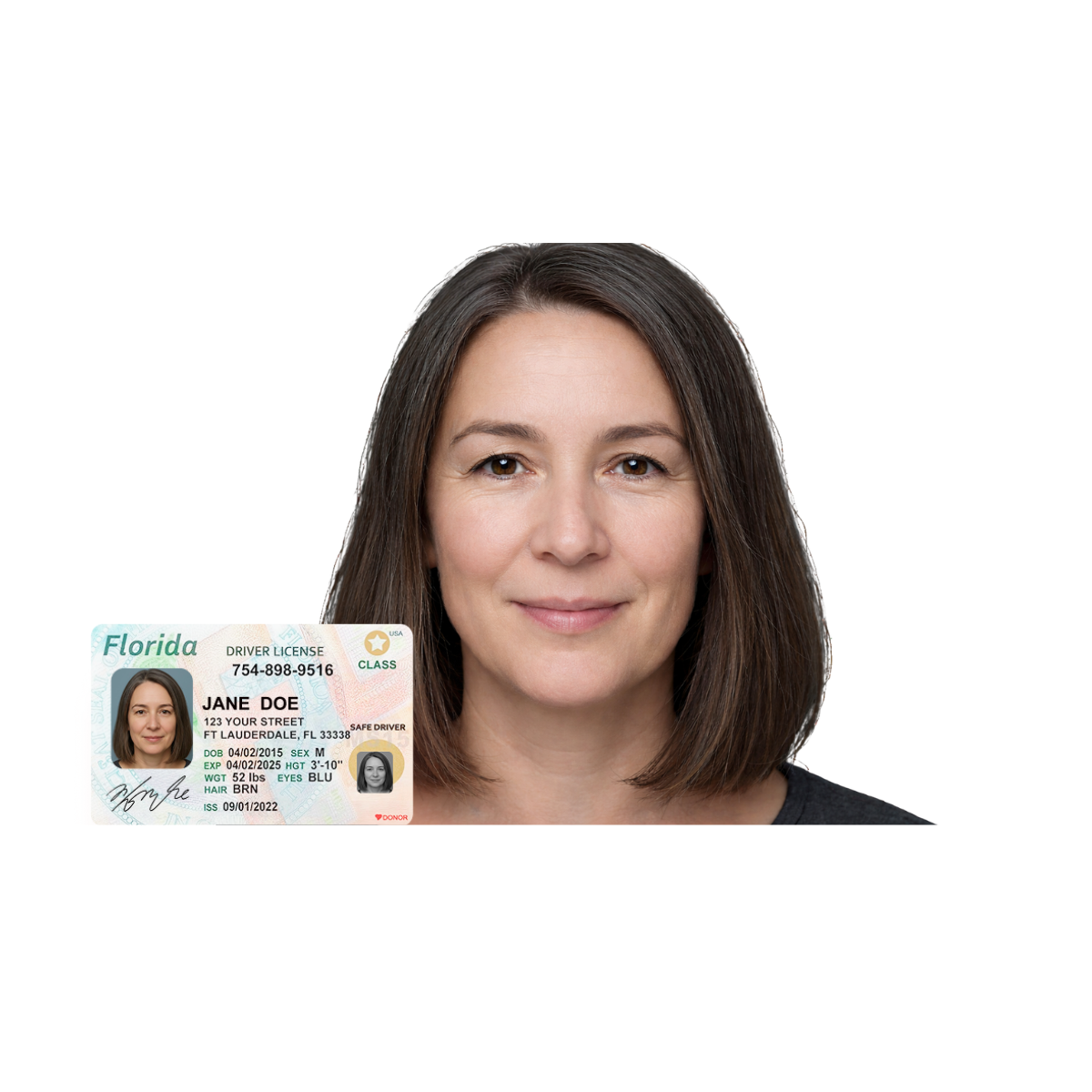
For associations managing age-restricted communities, 55+ Communities Verification standardizes application handling and supports documentation consistency across portfolios. Florida CAMs, property managers, and board members should review their current deposit processes against the compliance, efficiency, transparency, scalability, and auditability standards in this guide and identify where manual workflows create exposure that a connected platform can reduce.
Schedule a demo today to evaluate how TenantEvaluation’s integrated deposit, lease, and onboarding platform supports compliant, auditable community association operations across Florida.
