Written by: Luis Teran, Co-founder, CEO, TenantEvaluation
Key Takeaways
- HOA lease records management works best as a clear, repeatable workflow that replaces scattered files with centralized collection, organization, and real-time status tracking for Florida communities.
- Florida legislation (HB 1021 and HB 1203) now mandates stricter retention, portal access, and record-production timelines, so lease documentation functions as a compliance requirement rather than a convenience.
- Core data fields, including lease terms, occupant identity, vehicles, pets, and rule acknowledgments, must be captured and retained for at least seven years to satisfy statutory requirements and support enforcement actions.
- Common failure points such as fragmented storage, missing expiration alerts, and incomplete occupant data create measurable audit exposure and potential civil or criminal liability for associations.
- Associations preparing for 2026 audits are adopting centralized digital platforms. Evaluate how TenantEvaluation’s Lease Tracking capability supports your community’s compliance needs at TenantEvaluation.
Why Florida Lease Records Act Like Living Assets
Lease records behave like living files that change over time. Occupants change, terms renew, pets are added, and vehicles rotate, and each event generates a record that must be captured, stored, and retrievable on demand. Florida’s 2024–2025 legislative cycle significantly raised the stakes for associations that treat lease files as passive archives.
Florida House Bill 1021 requires condominium associations to maintain additional official records, including invoices, receipts, deposit slips, and building permits, and to make a good-faith effort to recover any lost or destroyed records. Failure to provide access to Florida HOA official records within 10 business days of a written request can result in statutory damages of $50 per day up to a maximum of $500. Destroying official records carries criminal penalties that can range from a first-degree misdemeanor to a third-degree felony in severe cases.
Separately, Florida’s House Bill 1203 requires HOAs with 100 or more parcels to maintain a website or mobile application (with some owner-only sections) where owners can access official records by January 1, 2025. These obligations make a centralized, real-time lease records system a compliance necessity, not an operational preference.
See how centralized lease tracking supports audit readiness from day one
Core Terms and Data Needed for Lease Tracking
Several terms define the operational scope of HOA lease records management.
- Lease lifecycle: The full span of a tenancy from application submission through occupancy, renewal, and termination.
- Lease status: A real-time classification of each unit’s rental record as active, pending, expired, or missing.
- Official records: Documents an association is legally required to maintain and make available under Florida Statutes Chapters 718 (condominiums) and 720 (HOAs).
- Audit-ready records: Documentation organized, indexed, and stored so that any record can be retrieved and verified within a defined timeframe.
The following table lists the core data fields that Florida association rental approval packets require communities to capture and track.

| Data Category | Required Fields | Purpose |
|---|---|---|
| Lease Terms | Start date, end date, rent amount, property address | Expiration tracking, status classification |
| Tenant & Occupant Identity | Full legal names of all occupants 18+, government-issued photo ID | Screening, identity verification, occupancy records |
| Vehicle & Parking | Vehicle registration, insurance, parking decal requests | Access credential management |
| Pet Acknowledgments | Pet type/breed, vaccination records, rule acknowledgment signatures | Policy enforcement, liability documentation |
| Rule Acknowledgments | Signed rules-and-regulations riders, Crime-Free/Peace-and-Quiet addenda | Covenant enforcement, audit trail |
How Market Adoption Reflects Compliance Pressure
Many associations managing 50 or more units now use dedicated software for at least some functions. The gap between communities using integrated platforms and those still running on spreadsheets and email threads has grown wide enough to create measurable operational differences. Rising compliance obligations and the administrative cost of fragmented tools drive this shift.
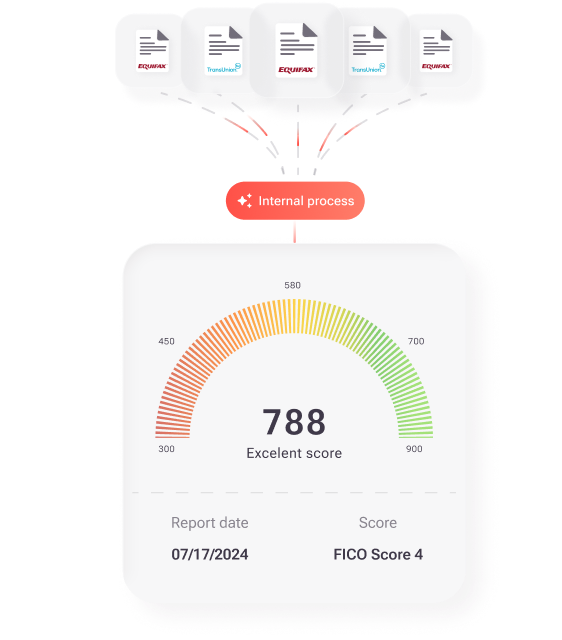
Associations adopting integrated HOA platforms such as Vantaca or CINC have reported metrics including 90% reduction in manual data entry, 50% more efficient invoice processing, 20–50% fewer homeowner contacts, and hundreds to over 1,000 hours saved over periods ranging from 6 weeks to 90 days. Communities that continue routing all requests through email create friction that surfaces as inbound call volume, meeting complaints, and reduced satisfaction.
New legislation in Florida has added compliance obligations that boards were not carrying two years ago. This change has accelerated platform adoption across the state’s community association sector.
Retention Rules for Florida HOA Lease Records
Florida statutes establish minimum retention periods for official records. The table below summarizes the applicable schedules for lease-related documentation.
| Document Type | Minimum Retention Period | Statutory Reference |
|---|---|---|
| Executed lease agreements | at least 7 years | Florida Statutes § 720.303 |
| Tenant applications & screening records | at least 7 years | Florida Statutes § 720.303 |
| Board meeting minutes (approvals) | permanently (not merely 7 years) | Florida Statutes §§ 718.111 and 720.303 |
| Financial records (fees, deposits) | 7 years | Florida Statutes §§ 718.111, 720.303 |
A clear digital naming convention keeps these records easy to find. A recommended format follows this structure: UNIT-[Number]_TENANT-[LastName]_LEASE-[YYYY-MM-DD-Start]_[YYYY-MM-DD-End]. This format enables sorting by unit, tenant, and expiration date without opening individual files.
The operational workflow connects onboarding to real-time status visibility in four stages. First, staff collect lease documentation during the application process. Next, each unit receives a status classification as active, pending, expired, or missing, which highlights gaps at a glance. Then, unit-level occupancy tracking ties each unit to approved applications, creating a complete picture of who occupies each unit. Finally, automated alerts trigger at 60 and 90 days before expiration, as recommended by property management best practices, so leases do not roll into untracked month-to-month status.
Compliance, Risk, and Governance Requirements
Access to lease records should follow role-based controls. Not every staff member needs access to full lease agreements that contain Social Security numbers, income data, or ID copies. Encryption of stored documents and automatic redaction of sensitive personally identifiable information (PII) form the baseline for any digital system that handles tenant data.
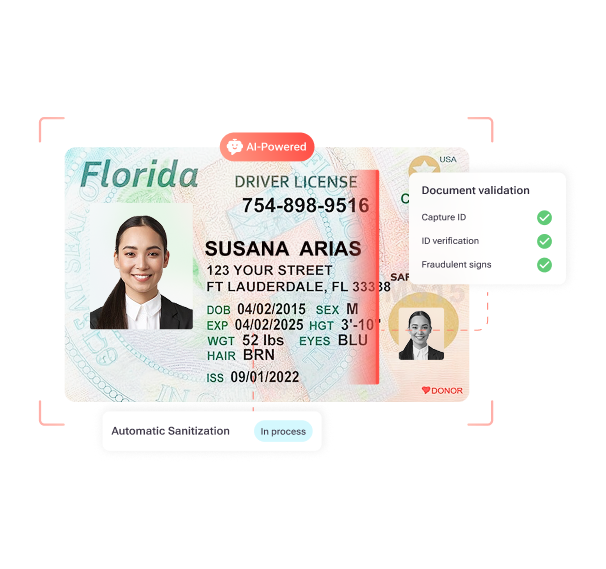
Under Florida Statutes §§ 718.111(12)(g) and 720.303(4), condominium associations with 25 or more units must operate an official website or secure member portal effective January 1, 2026. HOAs with 100 or more parcels must do so effective January 1, 2025, and must provide owner access to governing documents, budgets, financial reports, meeting minutes, contracts, and other official records.
Effective October 1, 2025, Florida law also requires residential landlords, including condominium unit owners acting as landlords, to provide specific flood disclosures to tenants before or at lease execution. This requirement adds another document type that must be collected, stored, and retrievable on demand.
HB 1021 and HB 1203 together create a compliance environment where incomplete or disorganized lease records move beyond operational inconvenience. They become a direct source of civil and criminal liability exposure for associations and their managers.
Common HOA Lease-Tracking Gaps in Florida
Four failure patterns account for most audit exposure in Florida community associations.
- Fragmented storage: Lease documents stored across file folders, email inboxes, and spreadsheets create version-control failures and gaps during staff transitions.
- Missing expiration tracking: Without automated alerts, leases roll into month-to-month status undetected, leaving associations without current executed agreements on file.
- Incomplete occupant data: Many HOAs require each adult occupant over age 18 to submit an application or be included on one. Missing records for secondary occupants create gaps in screening documentation and occupancy records.
- Audit exposure from manual processes: Manual ledgers and physical binders lead to unrecorded violations, missed notices, and financial discrepancies as communities grow or board members change.
Best Practices for a Repeatable Lease Records Workflow
A repeatable lease records workflow builds one step on the next. It begins with collecting lease documentation during the resident onboarding process, which establishes the foundation for all later tracking. Once collected, each unit receives a real-time status classification as active, pending, expired, or missing, so managers can spot compliance gaps quickly. These status assignments gain value when linked to unit-level occupancy data, which shows who occupies each unit and under what terms. Finally, maintaining a searchable digital history of all lease versions, amendments, and addenda allows staff to answer questions with a single query instead of manual file searches.
Encryption should protect sensitive tenant data including ID copies and agreements, with storage in one secure digital file for easy audit access. Automated alerts set at 60 and 90 days before expiration give associations time to negotiate renewals or prepare for vacancy without manual calendar management.
A lease tracking dashboard that displays move-in dates, expiring documents, and contracts approaching renewal within 60 days replaces error-prone manual spreadsheets. This view gives managers and boards a single operational snapshot of community occupancy at any point in time.
See how real-time lease status visibility replaces spreadsheets across your entire portfolio
How to Evaluate a Lease Records System
When evaluating a lease records system, community associations and CAMs can assess against six criteria.
- Compliance readiness: The system should support Florida’s seven-year retention schedules, HB 1021 record-return obligations, and the portal access requirements under HB 1203.
- Operational efficiency: The system should eliminate manual expiration tracking, reduce follow-up volume, and connect lease collection to the onboarding workflow.
- Transparency: Managers and board members should access real-time lease status and occupancy data without requesting reports from staff.
- Scalability: The system should handle higher onboarding volume during peak seasons without adding administrative headcount.
- Auditability: The system should maintain a searchable, timestamped digital history of all lease records, document versions, and status changes.
- Risk controls: The system should apply role-based access, encryption, and automatic PII redaction to protect sensitive tenant data.
A system that satisfies all six criteria converts lease records from a compliance liability into a managed, visible operational asset.
Frequently Asked Questions
How long should HOA lease records be kept in Florida?
The retention schedule table in the “Retention Rules for Florida HOA Lease Records” section details the specific requirements. Most lease-related records must be kept for seven years, while board meeting minutes require permanent retention under Florida Statutes §§ 718.111 and 720.303. HB 1021 additionally requires associations to make a good-faith effort to recover any lost or destroyed records. As noted earlier, failure to provide access within the required 10-day window can result in statutory damages of up to $500.
How should HOA lease documents be organized?
Lease documents work best in a centralized digital system that uses a consistent naming convention including the unit number, tenant last name, and lease start and end dates. Each unit’s folder should contain the executed lease, all addenda and amendments, the tenant application, identity verification records, pet and vehicle acknowledgments, and any rule-acknowledgment riders. A digital system with searchable indexing and version control removes the retrieval delays and version-control failures common in email-based or paper-based storage. Automated expiration alerts set at 60 and 90 days before lease end dates prevent leases from rolling into untracked month-to-month status.
What lease data fields are required for Florida HOA compliance?
The Core Terms and Data section’s table details all required elements, including lease terms, occupant identity verification, vehicle and pet documentation, and signed rule acknowledgments. Effective October 1, 2025, flood disclosure documentation must also be collected and retained as part of the lease record for residential landlords in Florida, including condominium unit owners acting as landlords.
What are the risks of incomplete lease records in a Florida HOA?
Incomplete lease records create several categories of risk for Florida community associations. Under HB 1021, failure to maintain or produce official records can result in civil penalties and criminal charges in cases of intentional destruction or refusal to release records. Operationally, missing occupant data prevents associations from confirming who is authorized to occupy a unit, which complicates enforcement of community rules and covenant compliance. In enforcement disputes, courts have awarded prevailing-party attorney’s fees to HOAs, which makes documentation gaps a financial liability for associations that cannot produce complete records to support their enforcement actions.
Conclusion and Practical Next Steps
HOA lease records management in Florida operates within a statutory framework that requires seven-year retention, timely record production, portal accessibility, and flood disclosure documentation. At the same time, managers must track active, pending, expired, and missing leases across dozens or hundreds of units. Communities best positioned for audit readiness in 2026 have already replaced fragmented email and spreadsheet workflows with centralized digital systems that connect lease collection to onboarding, enforce retention schedules automatically, and deliver real-time status visibility to managers and boards.
The frameworks outlined here, including the core data field table, the retention schedule, the six-point evaluation criteria, and the repeatable onboarding-to-occupancy workflow, provide a structured baseline for assessing any community’s current lease records posture. The next step is to measure your existing process against each framework and identify where gaps in data capture, storage, or expiration tracking create the greatest compliance and operational exposure.
