Written by: Luis Teran, Co-founder, CEO, TenantEvaluation
Key Takeaways for Florida Peak-Season Closings
- Florida condo approval timelines can stretch beyond 30 days during peak season, so early submission and complete applications keep 45-day closings realistic.
- Buyer and lender approval tracks run in parallel, and delays in either track, such as board voting or warrantability checks, can stall closings.
- Common peak-season challenges include incomplete submissions, missing lease copies, identity fraud risk, and documentation gaps in 55+ communities, which restart review clocks or increase liability.
- Best practices like pre-checking FHA and VA lists, ordering estoppels promptly, and using biometric ID verification help buyers, realtors, and CAMs avoid red flags that kill deals.
- TenantEvaluation streamlines the entire process with QuickApprove, IDVerify, and 55+ Communities Verification. Schedule a demo today to keep your closings on schedule.
Buyer vs. Lender Approval in Peak Season
Florida condo closings follow two parallel approval tracks at the same time. Delays on either track can stall the closing date, even when the other track finishes on time.
| Phase | Buyer Track (Association) | Lender Track (FHA/VA/Conventional) |
|---|---|---|
| Submission | Application, government ID, executed contract, references, screening consent submitted to association after contract effective date | Loan application, condo questionnaire (Fannie Mae Form 1076 or equivalent), HOA budget, and meeting minutes submitted to lender |
| Review | Background and credit check, possible in-person interview, board vote if required by bylaws | Warrantability check: owner-occupancy, HOA delinquency, master insurance, SIRS, milestone inspection |
| Decision | Approve, reject, or exercise right of first refusal under the declaration of condominium | Warrantable (conventional/FHA/VA) or non-warrantable (non-QM or portfolio loan with higher rates) |
| Peak-Season Stretch | Timelines vary based on whether the association is administratively managed or requires a board vote | Underwriting timelines vary and often extend during peak season |
FHA single-unit approval requires the building to meet owner-occupancy and HOA delinquency criteria. VA single-unit approval may require additional time when the project is not already on the VA-approved list, and an FHA-approved project does not automatically qualify for VA financing. A separate VA review is required.
Week-by-Week Timeline: How Each Phase Stretches
This week-by-week view shows how the two approval tracks play out in real time. It highlights where peak-season pressure slows progress and where digital tools help keep files moving.
| Week | Standard Period | Peak Season Reality | Digital Intervention Point |
|---|---|---|---|
| Week 1 | Application submitted, background check ordered | Incomplete submissions restart the clock, portal credential issues delay intake | IDVerify biometric check confirms identity before submission reaches review queue |
| Week 2 | Association review complete, written approval issued | Board members traveling, meeting quorum not reached, email chains stall decisions | QuickApprove board dashboard enables remote voting with real-time application tracking |
| Week 3 | Estoppel certificate ordered and received | Estoppel certificate processing can take the full statutory 10-business-day period | Centralized lease and document records reduce back-and-forth with management offices |
| Week 4 | Lender underwriting clears, clear to close issued | Condo warrantability conditions such as SIRS, milestone inspection, and master insurance add additional underwriting rounds | Pre-verified document packages reduce lender condition cycles |
| Week 5–6+ | Closing | Right-of-first-refusal window unresolved, estoppel expired, VA RLC review pending | Automated status notifications keep all parties aligned without manual follow-up |
Common Peak-Season Roadblocks for Florida Condos
Incomplete submissions. Missing parcel numbers, seller name mismatches, or absent requestor contact information force processors to pause files and request clarification, which effectively restarts the review clock. Smart application form logic that rejects incomplete submissions before they enter the queue removes this delay at the source.
Missing lease copies. Surprise special assessments and outstanding violations disclosed on estoppel certificates frequently catch buyers off guard and require resolution before closing proceeds. Centralized, real-time lease tracking that connects onboarding, unit data, approvals, and lease documentation into one audit-ready workflow prevents these gaps from surfacing at the closing table.
Identity fraud risk. Traditional screening methods that rely on document uploads cannot reliably prevent impersonation or synthetic identity fraud. Biometric verification, which confirms physical presence and identity authenticity before approval, moves communities from document-based review to verified identity confirmation.

55+ documentation gaps. Age-restricted communities face additional documentation requirements that, when handled through fragmented manual processes, create inconsistent records and growing risk exposure. Standardizing how age-restricted requirements are handled across applications reduces manual work and improves documentation consistency.
Best Practices to Keep Closings on Track
This checklist gives buyers, realtors, and CAMs a practical playbook for managing a 45-day closing window during peak season.
- Request the master HOA questionnaire and governing documents at least 30 days before submitting an offer to identify warrantability issues early.
- Pre-check the HUD FHA-approved condo list and the VA-approved condo list before contract execution. If the project is unapproved, allow additional time for single-unit approval.
- Submit the association application soon after the contract effective date and in parallel with the loan application to avoid extending the closing timeline.
- Require biometric ID verification before screening begins to prevent fraudulent applications from entering the review queue.
- Order the estoppel certificate immediately after contract execution to maximize your timing window. Estoppel certificates remain valid for only 30 days electronically, so ordering too early means the certificate may expire before closing. Ordering too late leaves no buffer if the association takes the full statutory 10-business-day period to respond.
- Confirm the right-of-first-refusal window is resolved in writing before scheduling the closing date.
- Verify that the association’s master insurance policy meets 100% insurable replacement cost to satisfy VA and conventional lender requirements.
QuickApprove: Real-Time Board Decisions Without Email Chains
Approval workflows that live across email chains, spreadsheets, and manual follow-ups create the primary operational cause of peak-season delays. QuickApprove is TenantEvaluation’s accelerated approval workflow for CAMs, Boards, and property management teams inside one connected platform. It delivers real-time application tracking, automated communication support, customized approval letters, and a personalized welcome package, while preserving control, compliance, and visibility.

The board-ready approval process gives Board Members direct access to summarized applicant reports and a voting panel. This structure replaces the email back-and-forth that stalls decisions when board members travel during summer months. For CAMs managing high-volume seasons and communities with complex onboarding requirements, QuickApprove reduces manual follow-ups and keeps applications moving from submission to decision faster, with clearer status visibility for applicants and realtors at every stage.
TenantEvaluation has processed 100,000+ applications annually across 5,000+ communities, cutting approval times by up to 70%. Schedule a demo today to see QuickApprove in action.
55+ Communities Verification: Consistent Age-Restricted Workflows
55+ Communities Verification is a built-in capability within TenantEvaluation that helps Florida condos and HOAs standardize how age-restricted requirements are handled across applications. It reduces manual work, improves documentation consistency, and strengthens internal processes for Community Association Managers who manage age-restricted communities at scale.
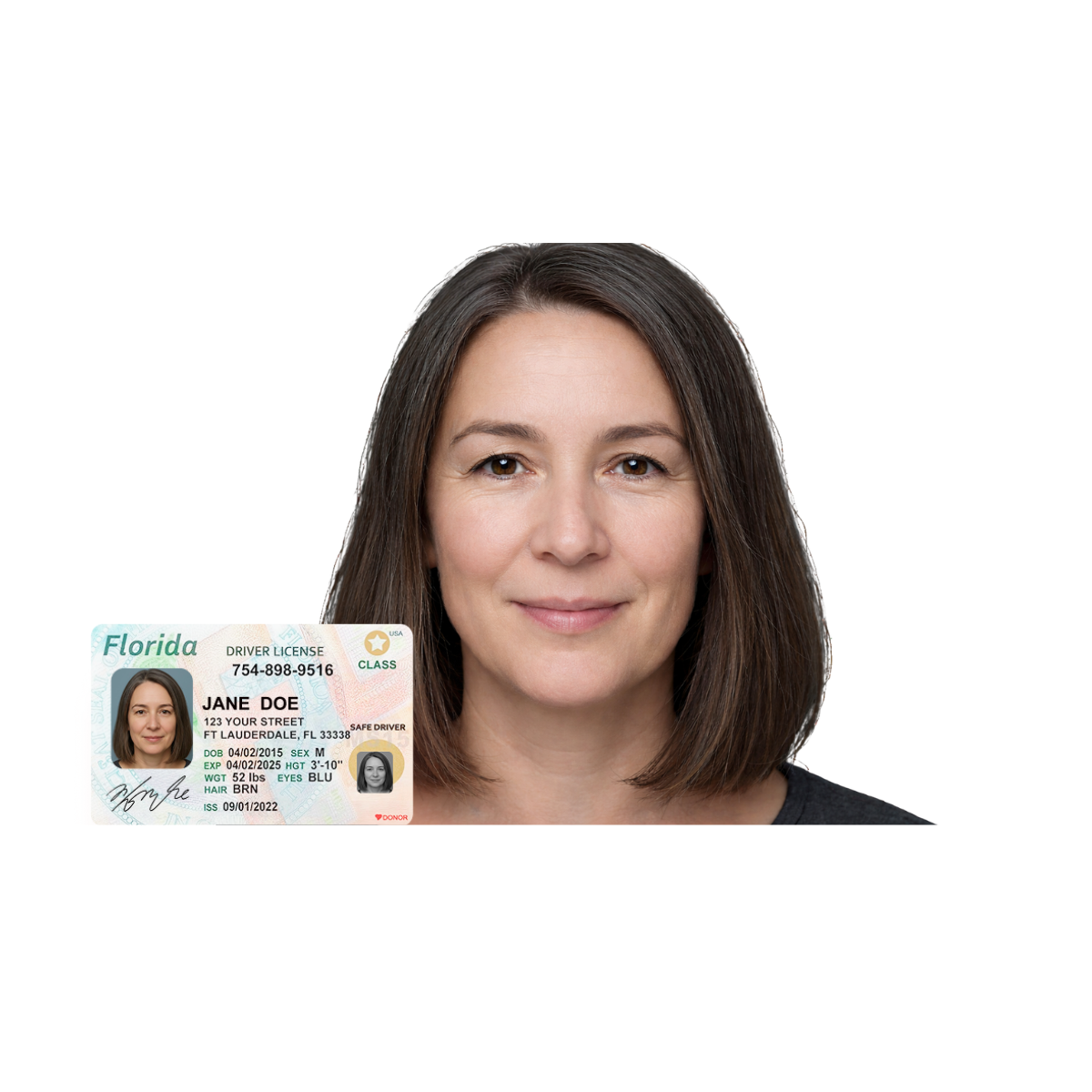
Age-restricted communities that rely on fragmented manual processes, such as heavy use of emails, PDFs, and follow-ups, accumulate inconsistent records that create risk exposure in audits or disputes. 55+ Communities Verification replaces that fragmentation with a more structured workflow. It improves operational efficiency and creates scalable processes for CAMs and Boards without replacing legal guidance.
Schedule a demo today to see how TenantEvaluation standardizes 55+ community onboarding.
Red-Flag Table: Deal-Killers That Stop Closings
| Red Flag | Why It Stalls the Closing | Prevention |
|---|---|---|
| Credit score below community threshold | Association rejects application, and the buyer must find alternative financing or a different community | Pre-screen credit before submitting the application and confirm the community’s minimum score requirement |
| Unverifiable income | Lender cannot clear underwriting conditions, and the association may also reject the application | Use income verification tools that contact employers directly rather than relying on self-reported data |
| Incomplete or missing executed lease or contract copy | Incomplete packages restart the review clock and may miss board meeting cutoffs | Automated document collection with smart form logic that rejects incomplete submissions before intake |
| HOA delinquency above 15% | FHA and VA financing blocked, and the buyer shifts to a non-QM loan with higher rates | Pre-check the delinquency rate via the HOA questionnaire before contract execution |
| Owner-occupancy below 35% (VA) or 50% (FHA) | VA approval of condo projects can be challenging, and beach or tourist condos frequently fail | Verify the owner-occupancy ratio before selecting the financing type |
| Identity mismatch or unverifiable applicant | Association cannot confirm occupant identity, and fraud exposure increases board liability | Require biometric ID verification via IDVerify before the application enters review |
Frequently Asked Questions
How long does the Florida condo buyer approval process take during peak season?
Approval timelines often range from a few weeks depending on the association and whether a board vote is required. During peak season, timelines can extend significantly. Submitting a complete application promptly after contract execution and using a digital platform with real-time tracking reduces this exposure.
Can a Florida condo board reject a buyer application, and what is the right of first refusal?
Florida condo associations may approve or reject buyer applications consistent with fair housing laws, and some declarations of condominium grant the association a right of first refusal. This right gives the association the ability to purchase the unit on the same terms as the buyer’s executed contract. If the association exercises this right, the buyer’s transaction does not proceed. Buyers should confirm whether a right of first refusal exists in the governing documents and ensure a written waiver is obtained before scheduling the closing date.
What are the most common FHA and VA single-unit approval pitfalls for Florida condos?
FHA single-unit approval requires the building to meet owner-occupancy and HOA delinquency criteria. VA single-unit approval involves owner-occupancy, reserve funding, insurance coverage, and other requirements such as no active litigation or unresolved special assessments. Florida beach and tourist condos with high investor ownership frequently fail the owner-occupancy test. An FHA-approved project does not qualify automatically for VA financing, and a separate VA review is required, which can add time to the closing timeline when the project is not already on the VA-approved list.
What documents does a Florida condo association typically require from a buyer applicant?
Most Florida condo associations require a completed application form for each adult occupant, government-issued identification, screening consent, references, the executed purchase contract, income and employment information, and a credit report authorization. Some associations also require an in-person interview. Application fees are capped at $150 per applicant under Florida Statute 718.112, with spouses or a parent and dependent child counting as one applicant.
How does TenantEvaluation reduce approval times for Florida condo and HOA communities?
TenantEvaluation’s all-in-one platform automates the entire application workflow, from document collection and biometric identity verification through board review and approval. It replaces manual email chains and spreadsheets with real-time tracking and a board-ready dashboard. QuickApprove accelerates resident approvals while preserving board oversight, compliance, and visibility. IDVerify+ confirms applicant identity biometrically before the application enters the review queue. Together, these capabilities reduce approval times by up to 70%, with 100,000+ applications processed annually across 5,000+ Florida communities.
Conclusion: Keep Your 45-Day Closing on Schedule
Peak-season condo approval delays in Florida follow predictable patterns that communities can manage. Factors such as board availability, incomplete submissions, and manual processes can add days or weeks to a timeline that buyers, realtors, and CAMs cannot afford to lose. Communities that close on schedule submit complete applications early, pre-verify applicant identity, and give boards a connected digital workflow that enables decisions without requiring everyone to be in the same room.
TenantEvaluation is built specifically for Florida community associations and management companies, with FCRA compliance as the foundation, not an afterthought. From QuickApprove‘s board-ready approval workflow to IDVerify+‘s biometric identity confirmation and 55+ Communities Verification‘s standardized age-restricted documentation, every capability relies on the platform’s proven track record to move applications from submission to decision faster, without losing control, compliance, or visibility.
Schedule a demo today and see how TenantEvaluation helps Florida communities close on time, every time.
