Written by: Luis Teran, Co-founder, CEO, TenantEvaluation
Key Takeaways for Florida Condo Approvals in 2026
- Florida condo and HOA boards follow community-specific workflows, which creates unpredictable delays, incomplete submissions, and communication gaps that disrupt closings and move-ins.
- Typical approval timelines range from 2–6 weeks, with rental applications often finishing faster than purchase applications when packages are complete and aligned with board schedules.
- Incomplete applications remain the leading cause of delays and often push reviews to the next board meeting cycle, adding weeks to the process.
- Complete first-time submissions, standardized checklists, aligned board meeting schedules, and real-time digital tracking systems consistently shorten approval times.
- TenantEvaluation streamlines the entire condo board approval process for Florida associations, from application to lease tracking, while supporting FCRA compliance and board control. Learn more.
Day 0–45 Condo Board Approval Timeline in Florida
This timeline reflects a standard Florida condo board approval process for both rental and purchase applications in 2026. It is based on typical procedures in governing documents and common practices across Miami, Palm Beach, Orlando, and other Florida markets.
| Phase | Day Range | Key Activities | Common Delay Risks |
|---|---|---|---|
| Application Submission | Day 0–3 | Applicant submits forms, documents, ID, and fee | Missing documents, unsigned forms, incorrect IDs |
| Administrative Review | Day 3–7 | CAM verifies completeness, requests missing items | Incomplete packages restart the review clock |
| Background & Credit Screening | Day 7–14 | Credit check, criminal background, income verification | Applicant disputes, unresponsive references |
| Board Review & Interview | Day 14–30 | Board votes, in-person or video interview conducted | Monthly meeting schedules, quorum issues |
| Decision & Closing Coordination | Day 30–45 | Approval letter issued, lease or deed recorded | Rental cap limits, financing delays, missing lease docs |
Statewide Rules vs Real 2026 Approval Timelines
Florida has no single statewide statute that sets a fixed number of days for condo board approval of buyers or tenants. Each association follows its own written procedures and review timeframes as established in its Declaration of Condominium and Bylaws. In practice, Florida condo and HOA board approvals typically range from 2–6 weeks (14–42 days), depending on governing documents, application completeness, and the board meeting calendar.
This timeline usually includes submitting an application, paying a non-refundable fee, completing credit and background checks, and attending a final in-person or video interview with a board member. In Miami condos, board approval often takes several weeks because of monthly meeting schedules and higher application volume.
For resale contracts, Florida law provides a 15-day voidability period when required disclosures apply. This creates an additional compliance layer that CAMs and boards must track closely in 2026.
How Timelines Differ for Renters and Purchasers
Rental applications generally move faster than purchase applications in Florida, although the difference is smaller than many applicants expect. South Florida HOA and condo rental approval timelines can reach 30 days. Orlando-area associations typically process complete rental approval packets in 7 business days to 6 weeks once submitted, and investors often budget 3–4 weeks because of board meeting schedules, rental caps, and waiting lists.
Purchase approvals involve more complexity. Contracts for Miami condos that require board approval should include a buffer that covers the full approval window so closings do not collapse under rushed demands. Financing adds another layer. Rental caps in Miami condo buildings affect conventional financing eligibility, which can delay buyers who plan to rent out the unit.
Rental-specific restrictions also affect timing independently of the board review. Some Florida condo associations require owners to occupy a unit for 6 to 12 months before leasing is allowed, which creates a mandatory waiting period before rental income begins. Many Orlando-area associations require minimum lease terms of 6 months or 90 days, which leads to denials for investors seeking shorter-term rentals.
Top Factors That Delay Florida Condo Board Approval
Incomplete applications are the primary driver of delays across Florida markets. In Palm Beach, the most common cause of delay is an incomplete application file with missing, unsigned, expired, or inconsistent items, which prevents the association from starting or finishing its review. In Boca Raton HOA communities, even small missing documents can restart the entire rental approval process or push it to the next board meeting.
Beyond incomplete submissions, several recurring issues extend timelines across Florida communities:
- Manual follow-ups between CAMs, applicants, realtors, and board members with no centralized tracking
- Board meeting schedules that create hard cutoff dates, where missing a submission deadline adds weeks
- Rental caps that limit the percentage of units that can be rented, often 20–30% in Miami buildings, which can block approvals when a building is at capacity
- Identity verification issues caused by document-only review processes that cannot confirm physical presence or detect synthetic identities
- Fragmented lease tracking with no direct link between applications and active lease records, which creates operational blind spots for CAMs and boards
- Peak seasonal volume in markets like Boca Raton during snowbird season (October–January), which stretches typical 2–4 week timelines because of higher application volume
While delays frustrate applicants and disrupt timelines, outright rejections create a separate risk category that can end a transaction entirely. Understanding rejection triggers helps applicants avoid both delays and denials.
Common Rejection Triggers and How to Prevent Them
Florida law permits condo associations with a right of approval in their governing documents to reject buyers, as long as the rejection does not violate the Fair Housing Act. Each community defines its own criteria in its Declaration, Bylaws, and Rules rather than following a statewide standard.
Frequent rejection triggers include:
- Credit score below the association’s published minimum threshold
- Criminal history that conflicts with community screening criteria
- Unverified or insufficient income relative to rent or carrying costs
- Failure to complete or pass the board interview
- Fraudulent, expired, or mismatched identity documents
- Outstanding dues, violations, or liens on the seller’s account
- Rental cap limits reached at the time of application
A focused pre-submission checklist reduces rejection risk:
- Review the community’s Declaration, Bylaws, and Rules before applying.
- Confirm the unit is eligible for rental or purchase under current rental cap rules.
- Check credit reports early and resolve disputes before submitting.
- Gather two years of tax returns, 3–6 months of bank statements, and employment verification.
- Verify that all IDs are current, valid, and match application details exactly.
- Submit a complete package on the first attempt with no missing signatures or expired documents.
- Prepare for the board interview by reviewing community rules in advance.
How to Tell an Application Is Moving Forward
Without centralized tracking, applicants and realtors often guess where an application stands. Clear signs of progress include confirmation that the application file is complete, scheduling of a board interview, and delivery of a conditional or final approval letter. When CAMs share these milestones in real time, CAMs, board members, applicants, and realtors can plan with confidence.
Real-time dashboards replace the guesswork of email chains and phone calls. When boards see application status directly and managers track every document and screening result in one place, the approval process becomes predictable instead of reactive. This visibility matters most during peak seasons, when volume magnifies every bottleneck.
Required Documents and 2026 Florida Compliance Details
Most Florida condo and HOA applications require a similar core document set:
- Completed association application form with all signatures
- Government-issued photo ID for all adult occupants
- Executed lease agreement for rentals or purchase contract for buyers
- Credit authorization and background check consent
- Proof of income such as pay stubs, tax returns, or bank statements
- Vehicle registration and pet documentation when required
- Application fee payment, which is capped at $150 per applicant under Florida Statute 718.112, with spouses or a parent and dependent child counted as one applicant
- Reference letters from prior landlords or personal references
For resale condominium purchases in Florida, the seller must provide, on the buyer’s written request, the declaration of condominium, articles of incorporation, bylaws and rules, the latest annual financial statement and budget, and the FAQ document. Florida residential condominiums and cooperative buildings, including mixed-ownership properties, that are three or more habitable stories and at least 30 years old must also provide milestone inspection summaries and structural integrity reserve study materials. This 2026 requirement adds new documents that CAMs must collect, store, and share during resale transactions.
Best Practices That Consistently Shorten Timelines
Submitting a complete, clean, organized application package on the first attempt remains the single most effective way to speed up condo board approval. As noted earlier, incomplete packages are the primary delay driver. A complete first submission prevents the cycle restart that pushes applications to the next monthly board meeting.
Additional practices that reduce timelines across Florida communities fall into three categories: timing, standardization, and accountability.
Timing practices include requesting HOA requirements immediately after contract signing and tracking board meeting schedules so submissions meet cutoff dates. These steps prevent avoidable calendar-based delays.
Standardization practices focus on application checklists that ensure every submission meets the same completeness threshold before review begins. This approach removes the incomplete-package bottleneck identified earlier.
Accountability practices assign clear responsibilities. CAMs own document collection and communication, boards own the voting decision, and applicants respond quickly to information requests. Communities also benefit from consistent, searchable digital records for every application, approval, and lease document, which supports audits and reduces follow-up time. Finally, confirming that the building is approved for the buyer’s specific loan type before going under contract prevents financing issues from compounding slow board approvals.
How TenantEvaluation Solves Florida Approval Bottlenecks
TenantEvaluation is an all-in-one resident screening and onboarding platform built for Florida community associations and management companies, with FCRA compliance at its core. Across more than 5,000 communities and about 100,000 applications each year, TenantEvaluation reduces approval times by up to 70 percent through four connected capabilities that address the main bottlenecks: incomplete submissions, identity verification gaps, age-restriction complexity, and fragmented lease tracking.
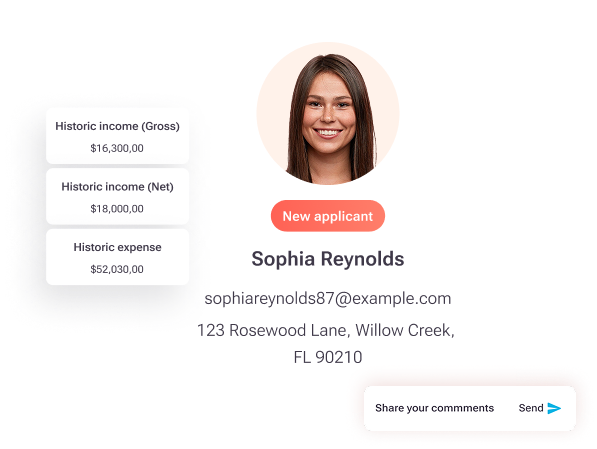
QuickApprove addresses incomplete submissions and manual follow-ups. It gives CAMs, boards, and property management teams a shared platform with real-time application tracking, automated communication support, customized approval letters, and a personalized welcome package. QuickApprove also includes a board-ready review and voting dashboard that shows board members exactly what needs attention while preserving control, compliance, and visibility. It supports high-volume seasons and communities with complex onboarding rules.
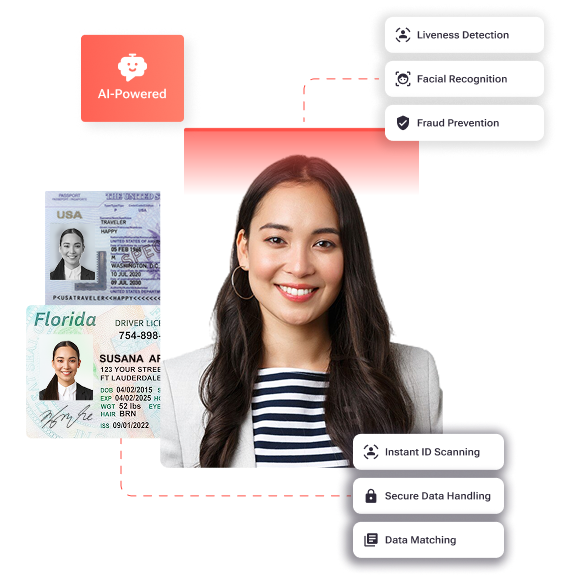
IDVerify closes identity verification gaps by adding biometric checks to the screening workflow. It uses government ID validation, AI-powered liveness detection, and biometric facial matching. This moves communities from document-only review to verified physical identity confirmation and reduces fraud exposure before boards make approval decisions.
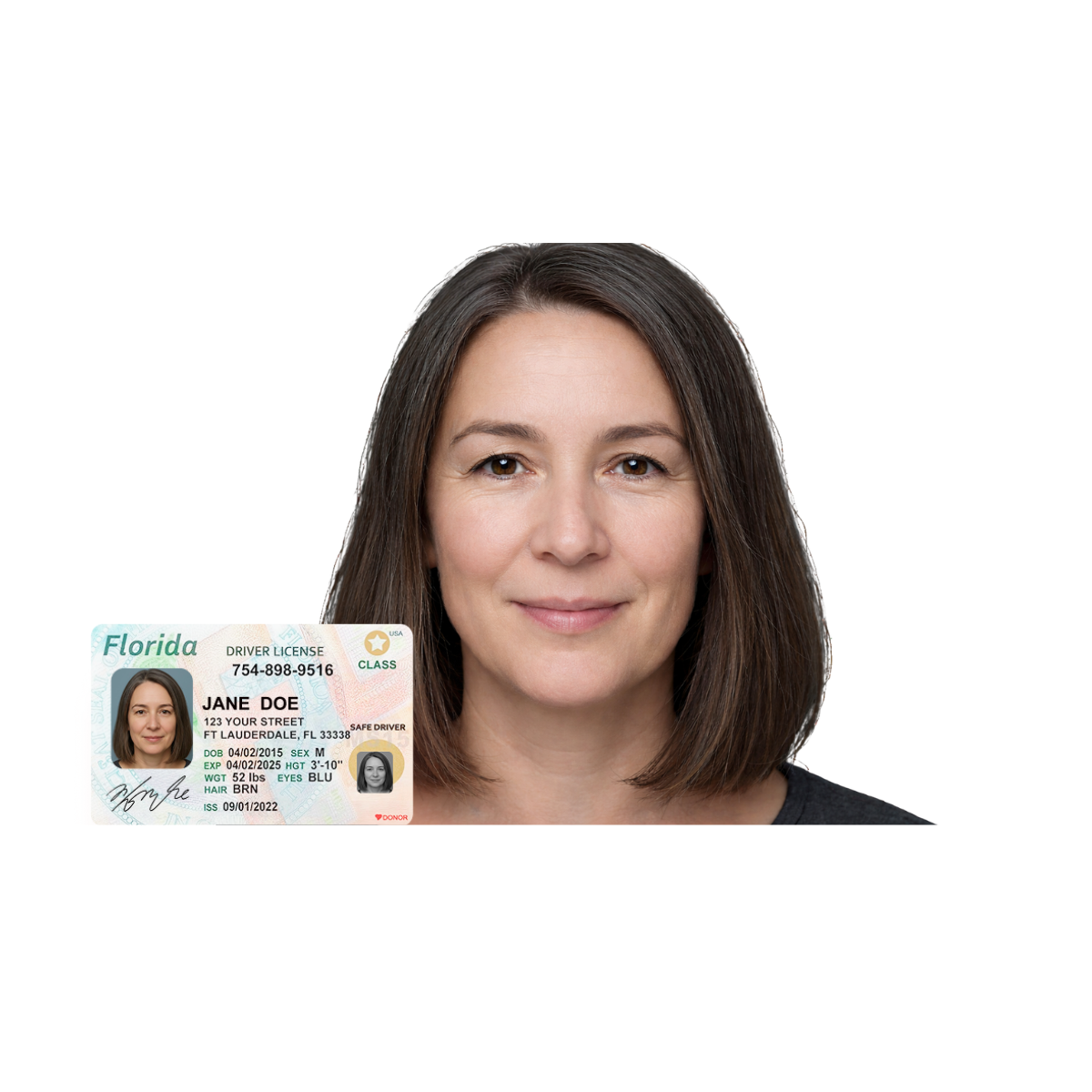
55+ Communities Verification simplifies age-restricted compliance. It standardizes how 55+ requirements are handled across applications, reduces manual work, and supports consistent documentation. This capability improves operational efficiency and strengthens internal processes for Community Association Managers who oversee age-restricted communities at scale.
Lease Tracking solves fragmented lease visibility. It connects resident onboarding, unit data, approvals, and lease documentation in one workflow. CAMs and boards see real-time lease status, including active, pending, expired, or missing leases. The system automates lease document collection during onboarding, supports unit-level tracking, and maintains a searchable digital history with audit-ready lease records. This reduces spreadsheets, scattered email chains, and manual follow-ups while improving scalability and compliance readiness.
Schedule a demo today to see how QuickApprove, IDVerify, 55+ Communities Verification, and Lease Tracking work together as a single system to shorten your condo board approval timeline while maintaining full compliance and visibility.
Frequently Asked Questions
How long does condo board approval take in Florida for renters versus buyers?
Rental applications in Florida typically complete in 10–30 days when applicants submit a full package on the first attempt. Purchase applications usually require 21–45 days, and luxury markets such as Miami and Palm Beach often run 45–60 days because of monthly board meetings. The largest variable in both cases is application completeness, since missing items can add weeks by pushing the file to the next meeting cycle. Communities that use a digital platform like TenantEvaluation, with automated document collection and real-time tracking, consistently see shorter timelines for both rentals and purchases.
What are the most common reasons a condo board rejects an application in Florida?
Florida condo boards may reject applicants based on criteria written into the community’s Declaration, Bylaws, and Rules, as long as they comply with the Fair Housing Act. Common reasons include credit scores below the association’s minimum, criminal history that conflicts with community standards, unverified or insufficient income, failure to pass the board interview, fraudulent or expired identity documents, and rental caps that block new leases regardless of applicant strength. Applicants reduce rejection risk by reviewing governing documents early, submitting a complete and accurate package on the first attempt, and confirming that all identity documents are current and match application details.
How does TenantEvaluation handle 55+ community applications differently from standard applications?
TenantEvaluation’s 55+ Communities Verification capability helps Florida condos and HOAs standardize age-restricted workflows. Instead of relying on scattered emails, PDFs, and individual follow-ups, CAMs and boards use a structured process that keeps documentation consistent. This reduces manual work, improves operational efficiency, and strengthens internal controls. The capability supports workflow standardization and documentation-first onboarding for Florida associations but does not replace legal advice or serve as a legal verification system.
What happens after a condo board approves an application in Florida?
After board approval, the association issues a formal approval letter. For purchases, the approval appears in county records with the deed, and closing coordination begins. For rentals, the association collects the executed lease and confirms move-in logistics such as elevator reservations, deposits, and key handoff. In communities using TenantEvaluation, Lease Tracking links the approved application directly to the active lease record, which gives CAMs and boards real-time occupancy visibility from approval through the full lease lifecycle. This connection removes the gap between the approval decision and ongoing lease management that often exists in manual workflows.
Can a condo board approval timeline be shortened without reducing compliance or board oversight?
Condo board approval timelines can be shortened while preserving compliance and board oversight. The most effective approach combines complete first-time submissions, standardized checklists, aligned board meeting schedules, and a connected digital platform that gives all stakeholders real-time visibility. TenantEvaluation’s QuickApprove workflow moves applications from submission to decision faster with real-time tracking, automated communication support, and a board-ready review and voting dashboard. Communities using TenantEvaluation have achieved the 70 percent time reduction mentioned earlier while maintaining full audit trails and board control over every decision.
Conclusion: Standardize Your 2026 Condo Board Approval Workflow
Florida condo board approval timelines in 2026 remain highly variable, often ranging from 10 days to 45 days or more, because no statewide statute fixes the review period. Every extra day in a manual, fragmented process creates real cost through disrupted closings, frustrated applicants, strained realtor relationships, and heavier administrative workloads during peak seasons. Communities that achieve shorter, more predictable timelines share one trait. They use a standardized, connected workflow that removes incomplete submissions, manual follow-ups, and communication gaps before those issues become bottlenecks.
TenantEvaluation gives Florida associations a compliant, board-ready, end-to-end approval workflow that replaces manual processes. With QuickApprove, IDVerify, 55+ Communities Verification, and Lease Tracking working together in one platform, CAMs, boards, applicants, and realtors gain the visibility, speed, and control that email chains and spreadsheets cannot match.
Schedule a demo today and take control of your condo board approval timeline in 2026.
