Written by: Luis Teran, Co-founder, CEO, TenantEvaluation
Key Takeaways for Florida 55+ HOAs
- HOPA requires 55+ communities to keep at least 80% of occupied units with one resident aged 55 or older, publish intent policies, and verify ages on an ongoing basis.
- Florida HOAs must collect reliable age documentation at move-in and conduct biennial re-verification surveys at least every two years to stay compliant.
- Accepted verification documents include government-issued IDs, birth certificates, and signed certifications in leases or applications asserting 55+ occupancy.
- Manual processes using email and spreadsheets create inconsistent records and audit risk, while standardized digital workflows create consistent, auditable records.
- TenantEvaluation helps Florida HOAs streamline 55+ age verification with structured, auditable workflows, see how it works for 55+ communities.
Accepted Documents and Record Retention for 55+ Verification
24 CFR 100.307 requires verification of 55+ occupancy through reliable surveys and affidavits. This includes a signed certification in a lease, application, affidavit, or other document stating that at least one occupant is 55 or older.

Self-certification via a sworn affidavit is an acceptable method for verifying 55+ occupancy when primary documentation is not available.
Once communities know which documents are acceptable, the next challenge is maintaining them properly. Communities should keep clear records of their age verification processes to demonstrate compliance. Relying on memory or shredding records is insufficient for a HUD audit. Each association should maintain a written record retention policy and store documentation in a format that can be produced quickly on demand.
The operational challenge for most Florida HOAs is not knowing which documents to collect. The real challenge is collecting them consistently, storing them systematically, and retrieving them quickly when needed. Fragmented email and PDF workflows create the most risk at this stage.
Required Frequency for Age Re-Verification in Florida 55+ HOAs
HOPA requires 55+ communities to conduct biennial age verification surveys at least once every two years using reliable documentation to confirm that the 80% occupancy threshold is maintained. This requirement continues throughout the life of the community, not just at move-in.
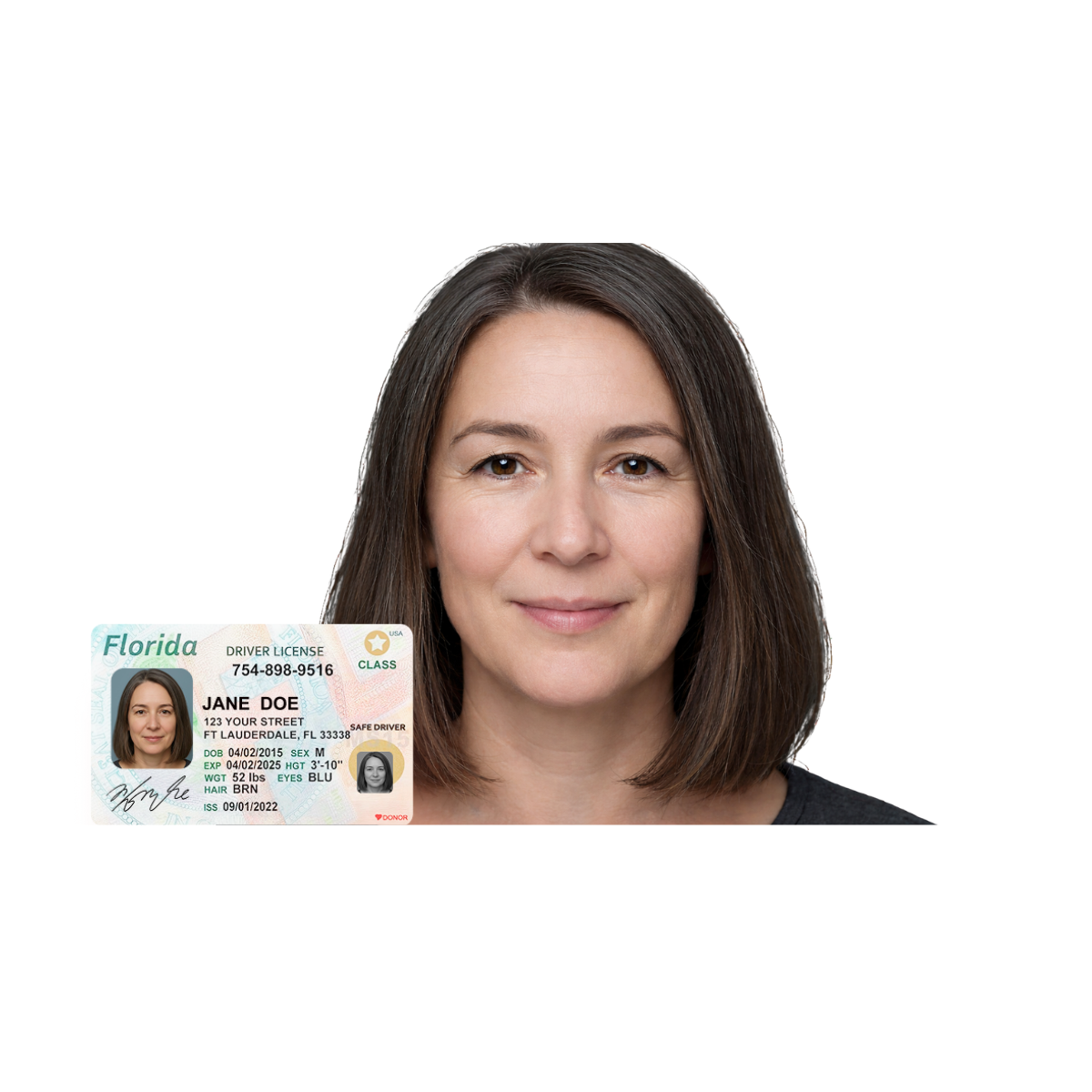
Communities must verify residents’ ages on an ongoing basis to maintain the 80% occupancy threshold.
For Florida communities managing large portfolios, the biennial survey cycle creates a predictable but labor-intensive workload. Without a standardized process, CAMs typically resort to manual outreach using emails, phone calls, and PDF forms, which often produce inconsistent response rates and incomplete records.
A recommended internal cadence for Florida associations should address the full verification lifecycle. Start with initial verification at application submission, before move-in approval. Then establish a structured biennial re-survey with defined document requirements and deadlines to maintain ongoing compliance. Support both steps with a centralized record of each unit’s verification status, document type, and survey date. Document the approach with a written policy that describes the survey methodology used.
Adult Children, Caregivers, and Other Under-55 Residents
Live-in caregivers may be permitted when a resident requires assistance, subject to the community’s policies. HOPA allows communities to approve such caregivers, but it does not require them to do so.
Each of these scenarios requires its own documentation trail. Without a standardized intake process, CAMs often handle these edge cases inconsistently, which creates gaps that become liabilities during audits or disputes.
Building a Standardized 55+ Verification System for Florida HOAs
The 80/20 rule creates a measurable threshold, and maintaining it requires an operational system, not just awareness of the rule. Florida 55+ communities must proactively administer 80% occupancy verification, age certification procedures, resident surveys, and published policies and procedures to maintain their legal exemption under federal fair housing law.
Common pain points for Florida CAMs managing this process manually include:
- Inconsistent document collection across applicants and unit types
- No centralized record of which units have been verified and when
- Biennial survey outreach managed through individual emails with no tracking
- Caregiver and adult-child exceptions handled case by case without documented policy
- Difficulty producing a complete audit trail when challenged
Standardizing the process means defining which documents are accepted, building a consistent intake workflow for every application, scheduling biennial re-surveys with documented outreach, and maintaining records in a format that supports retrieval and audit readiness. For communities managing dozens or hundreds of units, manual methods cannot support this consistently at scale.
Manual Processes Compared to Standardized Digital Workflows
| Process Area | Manual Workflow | Standardized Digital Workflow |
|---|---|---|
| Document Collection | Email requests, PDF attachments, inconsistent follow-up | Structured intake with defined document requirements per application type |
| Record-Keeping | Folders, inboxes, spreadsheets, insufficient for HUD audit | Centralized, searchable records with verification date, document type, and methodology logged |
| Biennial Re-Survey | Manual outreach with no tracking, inconsistent response rates | Scheduled survey workflow with documented outreach and status tracking per unit |
| Exception Handling | Case-by-case decisions with no documented policy trail | Standardized exception intake with supporting documentation requirements defined upfront |
How TenantEvaluation Supports 55+ Communities Verification
TenantEvaluation’s 55+ Communities Verification is a built-in capability that helps Florida condos and HOAs standardize how age-restricted requirements are handled across applications. It reduces manual work, improves documentation consistency, and strengthens internal processes for Community Association Managers who manage 55+ communities at scale.
CAMs and boards move away from email chains, PDF attachments, and manual follow-up. They gain a structured process for handling age-restricted application requirements from initial intake through biennial re-survey cycles. This structure produces standardized application handling, more consistent documentation, and better operational efficiency across the portfolio.
This capability is part of TenantEvaluation’s all-in-one resident screening and onboarding platform, built exclusively for Florida community associations and management companies. It does not replace legal guidance. It creates the operational infrastructure that supports consistent, auditable internal processes.
TenantEvaluation processes more than 100,000 applications annually across 5,000+ communities, with a 4.8/5 Google rating and $150M generated for communities. The platform is built with FCRA compliance as the foundation, and TenantEvaluation is a direct reseller of TransUnion and Equifax data.
See how 55+ Communities Verification works in practice to understand how it standardizes age-restricted application handling for Florida CAMs and boards.
Frequently Asked Questions
What is the 80/20 rule in a 55+ HOA, and how does it affect age verification?
The 80/20 rule, established by the Housing for Older Persons Act of 1995 (HOPA), requires that at least 80% of occupied units in a 55+ community have at least one resident aged 55 or older. The remaining 20% of occupied units may house younger residents, including younger spouses, live-in caregivers, or in some cases adult children, depending on the community’s governing documents. Vacant units do not count toward the threshold. To maintain this exemption, communities must verify resident ages at move-in and resurvey at least every two years using HUD-accepted documentation. Falling below 80% age-qualified occupancy exposes the community to fair housing complaints and potential loss of its age-restricted legal status.
What is a HOPA age verification form, and what must it include?
A HOPA age verification form is the documentation used to confirm that at least one occupant per unit meets the 55-or-older requirement under the Housing for Older Persons Act. Acceptable documents include driver’s licenses, passports, birth certificates, immigration cards, military identification, Medicare cards, and other official government documents showing a reliable birth date. Signed certifications in leases or applications stating that at least one occupant is 55 or older are also accepted. While self-certification is acceptable, it should be used only when primary documentation is unavailable. Each record must log the verification date, document type reviewed, and survey methodology to support audit readiness.
How often must Florida 55+ HOAs conduct age re-verification surveys?
As noted earlier, biennial surveys must occur at minimum once every two years. This applies to all occupied units, not just new applicants. Initial verification must occur at move-in, and communities must resurvey the entire resident population on a regular cycle to confirm the 80% threshold is maintained. Florida communities that cannot produce documentation of a completed biennial survey, including the methodology used and records for each unit, cannot demonstrate HOPA compliance if challenged. Many Florida CAMs build an internal survey calendar with defined outreach deadlines and document collection requirements to avoid gaps between survey cycles.
Can someone under 55 live in a 55+ community in Florida?
Yes, within limits. Because the law focuses on households rather than individuals, a younger spouse or partner may reside in a unit as long as at least one occupant is 55 or older. Live-in caregivers under 55 may also be permitted if they provide documented medical or personal care, reside in the same unit, and the community has a formal caregiver exception policy. Adult children who are not caregivers may only reside permanently if the community allocates part of its 20% flexibility to under-55 residents, and only if the community’s governing documents permit it. Each exception requires its own documentation trail, and communities should have a written policy defining how these cases are handled to ensure consistent application across all units.
What happens if a 55+ HOA fails to maintain proper age verification records?
A 55+ community that cannot produce age verification records, including documentation of biennial surveys, document types collected, and verification dates, risks losing its HOPA exemption. Without that exemption, the community loses its legal ability to enforce age restrictions and becomes subject to the Fair Housing Act’s familial status protections, meaning it must accept residents of any age. This exposure can arise from a HUD audit, a fair housing complaint, or a real estate transaction where a title agent or lender requests a HOPA compliance letter. Maintaining organized, auditable records for every unit is the only way to demonstrate ongoing compliance on demand.
Conclusion: Moving from Manual Tasks to a Repeatable 55+ Compliance Process
55+ HOA age verification in Florida is a continuous operational obligation, not a one-time checkbox. HOPA requires initial verification at move-in, biennial re-surveys across all occupied units, and systematic record-keeping that can withstand a HUD audit or fair housing challenge. For Florida CAMs and boards managing this across dozens or hundreds of units, manual processes built on email, PDFs, and spreadsheets create documentation gaps, inconsistent handling, and unnecessary administrative burden.
TenantEvaluation’s 55+ Communities Verification replaces that fragmented workflow with a structured, scalable process that reduces manual work, standardizes application handling, supports documentation consistency, and improves operational efficiency for Florida condos and HOAs.
Request a demo of 55+ age verification workflows and see how Florida’s leading community association platform standardizes verification from application to audit-ready record.
