Written by: Luis Teran, Co-founder, CEO, TenantEvaluation
Key Takeaways
- Condo lease tracking software centralizes lease records, status monitoring, and board approval workflows for Florida associations.
- Spreadsheets create blind spots that prevent rental-cap enforcement and increase compliance risk under Florida law.
- Essential features include real-time lease visibility, automated document collection, unit-level tracking, and audit-ready reporting.
- TenantEvaluation Lease Tracking connects screening, approvals, and lease documentation in one FCRA-compliant platform built for associations.
- Associations ready to replace fragmented systems can explore TenantEvaluation Lease Tracking for streamlined compliance and operations.
How Condo Lease Tracking Software Works
Condo lease tracking software replaces disconnected spreadsheets and email chains with a single source of truth for every lease in a community. It tracks status (active, pending, expired, or missing), automates document collection, and connects occupancy records to the original application and approval workflow. The right solution depends on your portfolio size and operational complexity, and the table below shows which features matter most at each scale.
| Portfolio Size | Recommended Solution Type | Primary Need | Best Fit |
|---|---|---|---|
| Under 50 units | Association-native lease tracking | Centralized records, expiration alerts | TenantEvaluation Lease Tracking |
| 50–250 units | Connected onboarding + lease platform | Rental-cap enforcement, board approval workflow, audit-ready records | TenantEvaluation Lease Tracking |
| 250+ units | Enterprise-grade, FCRA-compliant platform | Real-time visibility, unit-level tracking, scalable compliance readiness | TenantEvaluation Lease Tracking |
See how TenantEvaluation Lease Tracking scales to your portfolio size.
Why Spreadsheets Fail Condo Boards
Florida’s rental restriction landscape has grown significantly more complex. Under Florida law, condominium declaration amendments that prohibit rentals, alter rental term duration, or limit rental frequency apply only to owners who consent and those who acquire title after the amendment’s effective date. This structure creates a two-tier ownership environment that manual records cannot reliably track. Detecting rental violations is operationally difficult for Florida associations because they often lack a mandatory registration or approval system to confirm lease terms and tenant identities.
The lack of a unified owner-tenant registry makes it hard for associations to verify if an owner is renting more frequently than allowed or violating minimum lease term requirements. Spreadsheets cannot flag a lease that was never submitted, alert a CAM to an expiring term, or connect an active occupant back to the original board-approved application. These gaps create operational blind spots, and in Florida’s regulatory environment, blind spots carry real risk.
An Orlando-area HOA amendment states that leasing without written association approval renders the lease void and bars occupancy. This example shows how enforcement gaps tied to incomplete records can escalate quickly. Short-term rental restrictions have also intensified. Short-term rental restrictions, including Airbnb and VRBO bans or registration requirements, have been a growing area of HOA regulation since 2020. These operational challenges, from two-tier ownership tracking to short-term rental enforcement, define the feature requirements that effective lease tracking software must meet.
Florida-Specific Lease Tracking Requirements
HOA lease management software built for Florida must address the state’s specific statutory framework, including the 7-year recordkeeping requirement and online portal obligations for larger associations mentioned earlier. Condo association lease tracking platforms must therefore deliver rental-cap tracking tied to individual unit ownership dates, a searchable owner-tenant registry, automated lease-expiration alerts, and board-ready reporting that produces audit-ready records on demand.
These capabilities must work together as an integrated system. Rental-cap enforcement requires knowing both the ownership date and the current lease status, which depends on having a complete registry and timely expiration alerts. Generic property management tools are not configured for this level of integration. They lack Florida-specific approval workflows, the connection between onboarding and active lease status, and the FCRA-compliant screening infrastructure that community associations require.
7 Features Every Condo Association Needs
- Real-time lease status visibility. Every unit should display a current status, such as active, pending, expired, or missing, without manual updates. TenantEvaluation Lease Tracking delivers this natively and connects it to the onboarding workflow.
- Automated lease document collection during onboarding. Lease copies should be collected as part of the application process, not chased afterward. TenantEvaluation connects document collection directly to the resident application.
- Unit-level tracking tied to occupancy records. Each unit’s lease history, current occupant, and approval status should be accessible in one place, not scattered across folders and inboxes.
- Searchable digital history. CAMs and boards need instant access to historical lease records, resident activity, and document trails, especially during audits or disputes.
- Audit-ready records. Organized digital lease documentation supports compliance readiness and reduces risk exposure tied to incomplete or disconnected records.
- Centralized visibility replacing spreadsheets and email chains. A single platform removes the operational guesswork created when lease data lives in multiple disconnected systems.
- Board reporting. Boards need a clear operational picture of occupancy and resident activity across communities, accessible without manual report compilation from managers.
Lease Tracking vs. Full Property-Management Software
TenantEvaluation Lease Tracking is purpose-built for community associations, not adapted from a generic landlord tool. Broad property management platforms such as AppFolio, RealPage, and Buildium offer lease storage as one feature among many, but they do not connect lease documentation directly to FCRA-compliant resident screening, board approval workflows, and unit-level occupancy records inside a single ecosystem designed for Florida condos and HOAs.
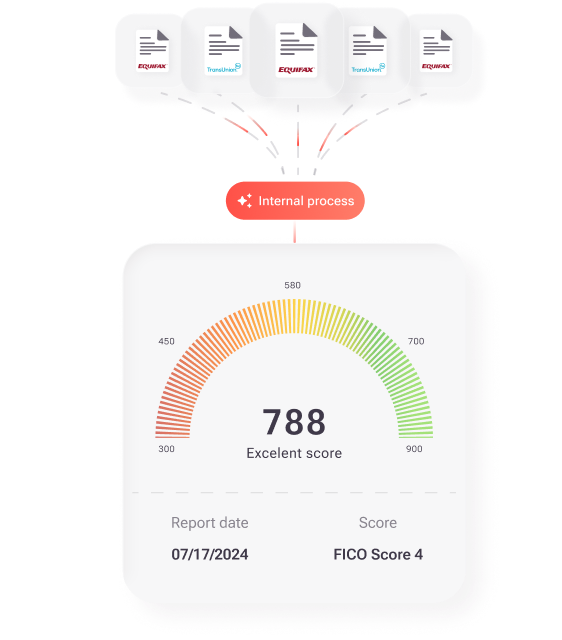
TenantEvaluation is a direct reseller of TransUnion and Equifax data, operating under strict bureau rules with regular compliance reviews, not a third-party scraper. This structure matters for condo association lease tracking because the same platform that collects the lease also ran the background check, processed the board approval via QuickApprove, and verified the applicant’s identity through IDVerify. No generic tool offers that connected workflow. With 5,000+ communities and approximately 100,000 applications processed annually, TenantEvaluation brings proven scale to a specialized problem.

Compare TenantEvaluation directly to your current tools in a live walkthrough.
Pricing Models for Condo Lease Tracking
Pricing for condo lease tracking software varies by platform model. Broad property management platforms such as AppFolio and RealPage typically charge monthly subscription fees regardless of application volume. TenantEvaluation operates on a pay-per-application model with no upfront fees, and its revenue-sharing structure means application fee collection can offset or exceed platform costs, turning onboarding into a compliant income stream for the association.
For communities processing high application volumes, this model consistently outperforms fixed-subscription alternatives on total cost of ownership.
Compliance and Audit Readiness for Associations
Florida law requires most homeowners’ associations to provide access to official records within 10 business days after receiving a written request from a homeowner, with failure potentially resulting in statutory penalties under Fla. Stat. § 720.303. Lease records qualify as official records. Associations that store leases across email inboxes, shared drives, and paper files cannot reliably meet that standard.
TenantEvaluation Lease Tracking maintains audit-ready digital lease records connected to the full application and approval history. Associations may wish to consider a registration or approval requirement in conjunction with setting minimum lease terms, and TenantEvaluation’s platform is structured to support exactly that workflow. Every action is timestamped and traceable. The platform does not replace legal guidance, but it creates the organized documentation foundation that compliance readiness requires.
How to Choose the Right Lease Tracking Platform
Florida CAMs and boards evaluating HOA lease management software should apply four criteria. First, confirm whether the platform is built for community associations or adapted from a generic rental tool. TenantEvaluation was founded in 2007 by property managers, board members, and software engineers with over 50 years of combined experience in Florida community associations.
Second, check whether the platform connects lease tracking to screening and approvals or operates as a standalone document repository. TenantEvaluation connects resident onboarding, unit data, approvals, and lease documentation into one streamlined workflow. Third, verify whether FCRA compliance is foundational or retrofitted. TenantEvaluation is built with FCRA compliance as the foundation, with direct credit bureau reseller relationships, automated adverse action workflows, and built-in audit trails.

Fourth, confirm that the platform supports Florida-specific requirements, including 55+ Communities Verification and rental-cap enforcement tied to individual ownership dates. TenantEvaluation supports both requirements.

Frequently Asked Questions
How much does condo lease tracking software cost for a Florida association?
Cost depends on the platform model. Subscription-based tools charge fixed monthly fees regardless of activity. TenantEvaluation uses a pay-per-application model with no upfront fees and a revenue-sharing structure that can make the platform cost-neutral or revenue-generating for the association.
Smaller self-managed communities and large enterprise portfolios both benefit from this model because costs scale with actual usage rather than a flat overhead charge.
Can lease tracking software help with rental-cap enforcement in Florida condos and HOAs?
Yes, when the platform is built for community associations. The two-tier ownership environment described earlier requires unit-level tracking tied to ownership records and lease history to surface potential cap violations that spreadsheets miss entirely. TenantEvaluation Lease Tracking connects unit data, lease status, and occupancy records so CAMs can identify missing leases, track expiration dates, and maintain the owner-tenant registry that enforcement requires.
This support strengthens the association’s internal processes and does not replace legal guidance on enforcement decisions.
Is TenantEvaluation an alternative to DoorLoop or AppFolio for condo associations?
Yes. TenantEvaluation offers the specialized alternative described in the platform comparison section above, with the connected workflow from application through lease tracking that generic property management tools cannot provide.
What records does a Florida condo association need to maintain for lease-related compliance?
Florida law requires associations to maintain official records, which include lease-related documentation, for at least seven years, and to make those records available to members within 10 business days of a written request. Associations with 100 or more parcels must also maintain an online portal for member access to governing documents and official records.
TenantEvaluation Lease Tracking stores lease agreements, application history, approval records, and document trails in a searchable digital format. This structure supports the association’s ability to respond to records requests and prepare for audits, without replacing legal counsel on specific recordkeeping obligations.
Does TenantEvaluation support age-restricted communities in Florida?
Yes. TenantEvaluation includes 55+ Communities Verification, a built-in capability that helps Florida condos and HOAs standardize how age-restricted application requirements are handled across applications. It reduces manual work, supports documentation consistency, and improves operational efficiency for communities managing 55+ requirements, without replacing legal guidance on eligibility determinations.
Conclusion: Modernizing Lease Tracking for Florida Associations
Florida’s rental restriction framework, recordkeeping obligations, and board approval requirements make condo lease tracking a compliance-adjacent operational function, not a simple administrative task. Spreadsheets and generic property management tools create the fragmentation that produces missing leases, undetected cap violations, and audit exposure. The right platform connects lease documentation to the full onboarding lifecycle, including application, screening, board approval, and active occupancy status, in one searchable, audit-ready system.
Associations evaluating their current processes should assess whether their existing tools can answer three questions in real time. What is the current lease status of every unit? Which leases are expiring in the next 60 days? Is every active occupant connected to a board-approved application? If answering any of those questions requires opening a spreadsheet or searching an inbox, the operational risk already exists.
Evaluate whether TenantEvaluation Lease Tracking addresses the gaps in your current workflow.
