Written by: Luis Teran, Co-founder, CEO, TenantEvaluation
Key Takeaways for Florida HOAs and CAMs
- HOA lease approvals in Florida often stretch to 10 days because of manual intake, fragmented records, and board voting delays.
- Digitizing applications and automating FCRA-compliant screenings removes the most common sources of back-and-forth and compliance risk.
- QuickApprove and Lease Tracking give CAMs and boards real-time visibility, AI summaries, and faster decisions while preserving oversight.
- Standardized criteria plus biometric ID verification let routine approvals move quickly while maintaining full board control and audit trails.
- Communities using TenantEvaluation have cut processing time by up to 70% and freed dozens of staff hours daily; see how TenantEvaluation can help your community.
Why Florida HOA Lease Approvals Get Stuck for 10 Days
HOA lease approval delays in Florida come from a predictable set of structural problems. Florida HOA rental restrictions and lease-approval rules are primarily governed by Chapter 720 of the Florida Statutes, which requires that any approval requirements be authorized by the association’s governing documents. When those requirements become complex, such as minimum lease terms, income thresholds, and background check mandates, manual intake processes fall behind.
The most common delay sources in Florida community associations include incomplete applications submitted via email with missing attachments and manual document review that forces a CAM to open, inspect, and follow up on each file individually. Managers often have no centralized lease visibility, so they search across inboxes and spreadsheets to confirm occupancy status. Board voting workflows also slow approvals when decisions depend on scheduled meetings instead of real-time digital review. Automated tenant screening tools run credit, criminal, and eviction checks instantly, yet many Florida associations still rely on manual processes that add days of lag at each stage. Florida HOA law also requires associations to maintain official records and provide member access within 10 business days, and fragmented record-keeping makes that standard difficult to meet consistently. The following 7-step framework addresses each of these delay sources with a connected digital solution.
7-Step Framework to Cut Florida HOA Lease Approvals to 48 Hours
Step 1: Move Every Application to a Digital Intake
Paper forms and email-based submissions create the primary source of incomplete applications. TenantEvaluation’s 100% online application platform, accessible via web and mobile, uses intelligent form logic that adjusts required fields based on applicant type such as tenant, purchaser, or adult occupant. Incomplete submissions never reach the CAM’s queue, which removes the most common source of back-and-forth. Best practices for digital lease workflows include required signature fields, automated reminders, and audit trails to reduce missing data and keep lease records searchable and centralized.
Step 2: Automate FCRA-Compliant Background Screenings
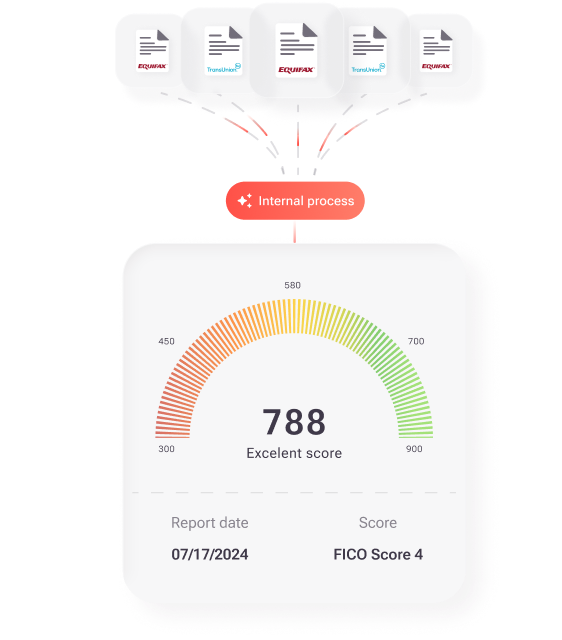
Manual background check ordering slows approvals and creates permissible-purpose risk. TenantEvaluation is a direct reseller of TransUnion and Equifax data, not a third-party scraper, and uses strict permissible purpose controls, automated adverse action workflows, and built-in audit trails for every application. Screening results return inside the platform, so CAMs no longer log into external portals or reconcile data from multiple vendors.
Step 3: Use QuickApprove for Faster, Board-Ready Decisions
QuickApprove is TenantEvaluation’s accelerated approval workflow for CAMs, boards, and property management teams inside one connected platform. It replaces email chains and spreadsheets with real-time application tracking, automated communication support, customized approval letters, and a personalized welcome package. The board-ready approval process gives board members a dedicated review and voting dashboard with AI-generated applicant summaries, so decisions happen between meetings instead of waiting for the next agenda. QuickApprove speeds resident approvals while keeping control, compliance, and visibility intact, and it fits high-volume seasons and communities with complex onboarding requirements.

Step 4: Centralize Lease Status with Lease Tracking
Lease Tracking creates a single operational hub inside TenantEvaluation that connects resident onboarding, unit data, approvals, and lease documentation into one streamlined workflow from application submission through occupancy. It delivers real-time lease status visibility, including active, pending, expired, or missing, along with automated lease document collection during onboarding and unit-level tracking tied to occupancy records. A searchable digital history of lease records and document trails replaces spreadsheets and scattered email chains, which reduces manual follow-ups and strengthens compliance readiness. Florida real estate brokers must retain transaction records for a minimum of five years under state regulations, and lease agreements should be retained for the duration of the lease plus at least three years, which audit-ready digital records directly support.
Step 5: Standardize Criteria and Delegate Routine Approvals
Boards retain voting rights on every application, which means the efficiency gain does not come from removing oversight. It comes from standardizing screening criteria inside TenantEvaluation’s custom setup, including credit score thresholds, income requirements, and required documents, so CAMs can confirm completeness and compliance before an application reaches the board. By defining these criteria in advance, routine applications that meet all requirements move through the workflow faster, while only exceptions require extended board deliberation. This delegation model preserves board control and removes the bottleneck of manual pre-screening by board members.
Step 6: Add Biometric Identity Verification with IDVerify
IDVerify adds automated KYC verification directly inside the TenantEvaluation workflow with no external portals and no workflow disruption. It combines government-issued ID validation, AI-powered liveness detection, and biometric selfie-to-ID facial comparison in a single step. CAMs see verification results embedded within the screening report, including ID authenticity confirmation, liveness status, and biometric match result. This moves Florida communities from document-based review to biometric-backed identity confirmation and reduces fraud exposure before approval decisions occur. IDVerify can be enabled per condo or HOA and configured per property portfolio to match each community’s risk profile.

Step 7: Track Before-and-After Metrics to Prove Impact
Operational improvement depends on consistent measurement. TenantEvaluation’s advanced reporting and community analytics provide data on application volume, processing time, and approval rates in a single view. Property managers using automation tools save time on every transaction; multiplied over a full year, this results in hundreds of hours saved along with reduced human error and more consistent cash flow. The time savings mentioned earlier translate into measurable operational gains. One Florida-based management company achieved $240,000 in annual savings after implementation, with processing time cut in half and 50 staff hours per day redirected from manual follow-ups to higher-value work.
Schedule a demo today to see the 7-step framework mapped to your community’s specific workflow.
How TenantEvaluation Supports Delegated Approvals and Board Control
Florida boards usually worry that delegation will reduce visibility or increase exposure. TenantEvaluation addresses this concern through QuickApprove‘s board-ready dashboard, which keeps every decision transparent. The dashboard described in Step 3 addresses the visibility concern directly by replacing email chains and PDF attachments with real-time application status and a structured voting workflow. Standardized criteria configured inside TenantEvaluation define exactly which applications require a board vote and which can proceed through the CAM-managed workflow. Every action is timestamped and auditable, which supports FCRA compliance and reduces liability exposure. Boards decide faster while keeping control, compliance, and visibility.
Before-and-After Results for Florida Communities
| Metric | Before TenantEvaluation | After TenantEvaluation | Source |
|---|---|---|---|
| Average processing time per application | Up to 10 days with manual email chains, spreadsheets, and fragmented document handling | Significantly reduced with QuickApprove accelerated approval workflow | TenantEvaluation platform data |
| Staff time consumed by manual follow-ups | High, as managers chase missing documents, IDs, and board responses across inboxes | Up to 50 hours per day freed through workflow automation | TenantEvaluation customer case study |
| Lease record visibility | Fragmented, with leases stored across folders, inboxes, and disconnected spreadsheets with no real-time status | Centralized, real-time lease status inside one connected platform via Lease Tracking | TenantEvaluation Lease Tracking capability |
| Board visibility into application pipeline | Limited, as boards received batched email updates or waited for scheduled meetings | Real-time board dashboard with AI-generated summaries and in-platform voting via QuickApprove | TenantEvaluation QuickApprove board-ready dashboard |
Frequently Asked Questions from Florida Boards and CAMs
How long does it take to implement TenantEvaluation?
TenantEvaluation is configured to each community’s governing documents, screening criteria, and Florida-specific requirements during onboarding. The platform is built for community associations and management companies, so the setup process follows the workflows CAMs and boards already use instead of a generic rental platform adapted later. Implementation timelines vary based on portfolio size and the complexity of each community’s rules. TenantEvaluation’s team works directly with property managers to configure the platform, import community profiles, and train staff. Communities with straightforward onboarding requirements can usually begin processing applications through the platform soon after setup is complete.
Can boards still vote on every application?
Boards can still vote on every application when they choose. TenantEvaluation’s QuickApprove accelerated approval workflow includes a dedicated board review and voting dashboard that gives board members direct access to application status, AI-generated applicant summaries, and a voting panel inside the platform. Boards retain full voting rights on every application, and the efficiency gain comes from replacing email chains and PDF attachments with a structured digital workflow rather than removing board authority. Communities can configure which application types require a board vote and which can be processed by the CAM under pre-approved criteria, which preserves oversight while reducing delays on routine approvals.
Does Lease Tracking replace legal review of leases?
Lease Tracking does not replace legal review of leases. It is a centralized operational capability that gives CAMs, property managers, and boards real-time visibility and lifecycle control over lease-related activity from application submission through occupancy. It connects resident onboarding, unit data, approvals, and lease documentation into one streamlined, audit-ready workflow. It does not provide legal advice or interpret lease agreements. Associations should continue to work with qualified legal counsel on lease-related compliance matters. Lease Tracking supports documentation consistency and operational efficiency, while legal review remains the responsibility of the association and its attorneys.
Is IDVerify required for every community?
IDVerify remains fully configurable for each portfolio. It can be enabled per condo or HOA, configured per property portfolio, and adapted to each community’s risk profile. It does not function as a one-size-fits-all requirement. Communities with higher fraud exposure, gated access, or high-density occupancy may treat biometric identity verification as a standard step in their screening workflow. Other communities may enable it selectively based on application type or risk criteria. TenantEvaluation’s team works with each community to determine the appropriate configuration. IDVerify operates natively inside TenantEvaluation, so applicants and managers do not need external portals or additional logins.
The Florida-Native Platform for Faster, Board-Ready Approvals
Manual lease processing creates a structural problem for Florida communities, not just an isolated inefficiency. Email chains, disconnected spreadsheets, and fragmented document handling create compounding delays at intake, screening, board review, and lease documentation. The 7-step framework above addresses each stage with a connected solution that includes digitized intake, automated FCRA-compliant screenings, QuickApprove accelerated approval workflow, centralized Lease Tracking, standardized delegation criteria, IDVerify biometric verification, and measurable before-and-after reporting.
TenantEvaluation is built specifically for community associations and management companies in Florida, with FCRA compliance as the foundation rather than an afterthought. With the scale and track record mentioned at the outset, including thousands of communities and hundreds of thousands of applications processed, TenantEvaluation is the definitive Florida-native platform for CAMs and HOA boards that need to reduce lease processing time without sacrificing oversight, compliance, or visibility.
Schedule a demo today to see how TenantEvaluation can take your community from 10 days to 48 hours.
